




























A plain-English guide to Alipay for online sellers and businesses buying from China.
If you are asking “what is Alipay”, this guide explains it clearly. Alipay is one of China’s largest digital payment apps, used by hundreds of millions of people to pay for goods, send money, and shop online. This article covers how Alipay works, how it compares to PayPal, and what businesses sourcing from China should know before relying on it for supplier payments.
Key Takeaways
- Alipay is a Chinese digital wallet used for shopping, bill payments, and money transfers, operated by Ant Group and linked to the Chinese banking system.
- Alipay and PayPal serve similar purposes but different regions, with Alipay dominant in China and PayPal more common for Western cross-border payments.
- Overseas users often face account limits, verification steps, and currency restrictions when using Alipay for business or supplier transactions.
- Businesses buying from China frequently need dedicated payment tools for supplier payments, currency conversion, and larger transaction volumes.
- Understanding your payment options early helps you avoid middleman fees, unclear limits, and delays when sourcing from Chinese suppliers.
What is Alipay and how does it work?
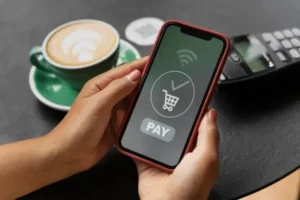
Alipay is a mobile digital wallet from China that lets users pay merchants, send money, and shop online through a single app. Operated by Ant Group, it links to bank accounts and cards, then processes payments by QR code or in-app transfer.¹ It is one of the most widely used payment platforms in China.
To use Alipay, a person downloads the app, verifies their identity, and connects a payment source such as a bank card. At checkout, they scan a QR code or confirm a payment in the app. Money moves from the linked account to the merchant or recipient, usually within seconds inside China.
The platform grew alongside China’s e-commerce boom and is now part of daily life there, from paying for a meal to settling online purchases. For businesses outside China, Alipay is often the first payment name they meet when dealing with Chinese sellers.
What is Alipay used for?
Alipay is used mainly for everyday consumer payments in China, alongside a growing range of business and cross-border functions. Most activity happens inside China, but the app also touches international shopping and supplier transactions where sellers accept it.
Common uses include:
- Paying merchants in shops and restaurants by scanning a QR code.
- Sending money to friends, family, or contacts within China.
- Making online payments on Chinese marketplaces and apps.
- Settling transactions on China commerce platforms where Alipay is the default checkout.
For an online seller in Africa, Alipay usually appears when buying from Chinese platforms or paying a supplier who prefers it. That is where questions about limits, verification, and currency start to matter.
Is Alipay the same as PayPal?
Alipay is not the same as PayPal, though both are digital payment platforms. The main differences sit in the regions they serve, their typical users, and how they handle cross-border business payments. Alipay is built around China; PayPal is more common for payments between Western countries.
| Feature | Alipay | PayPal |
| Main region | China and Chinese platforms¹ | Widely used across many countries² |
| Typical users | Consumers and merchants in China¹ | Consumers and businesses globally² |
| Core use | In-app and QR payments, China commerce¹ | Online payments and money transfers² |
| Business cross-border | Limited for non-China businesses | Available, subject to fees and rules² |
Note: Features and availability may vary by region and are subject to change. Always verify current offerings directly with each provider before making a decision.
Both apps let people pay online and move money, but their strengths differ. Alipay is hard to beat inside China, while PayPal has broader reach for payments between many countries.² For a business paying Chinese suppliers, neither may fully solve the workflow, which is why sourcing companies often look at dedicated payment tools.
Can international users use Alipay?
International users can access some Alipay features, but availability and account requirements differ from the experience inside China. Overseas access often depends on identity verification, linked payment sources, and the specific version of the service offered outside the mainland.
Points to keep in mind:
- Account limits and verification can apply, especially for larger or frequent transactions.
- Some functions available in China are restricted or unavailable to overseas users.
- Currency handling and top-up options differ outside the Chinese banking system.
For casual travel or small purchases, these steps are manageable. For a business making regular supplier payments, the limits and verification checks can slow things down or cap the amounts you move.
What businesses should know before using Alipay for China payments
Before relying on Alipay for supplier payments, a business should understand the practical limits around verification, transaction size, and currency. Consumer wallets are built for personal spending, not for the volume and documentation a sourcing business needs.
Common friction points include:
- Supplier verification: always confirm you are paying a genuine supplier before sending money, and use secure payment channels.
- Payment limits: personal wallets may cap or freeze accounts above certain thresholds, which can interrupt orders.
- Transaction restrictions: not every account type supports the payment sizes a business needs.
- Currency conversion: moving from NGN to CNY or USD through informal routes can add unclear costs.
- Agent dependence: paying suppliers through a middleman or agent can add fees and reduce your control.
Fraud caution is healthy in China trade. The safe approach is to verify suppliers, keep records, and use payment channels that give you a clear trail, rather than assuming any single method is risk-free.
How businesses can pay Chinese suppliers more easily
Businesses buying from China can simplify supplier payments by using a dedicated multi-currency account instead of stitching together consumer wallets and agents. WorldFirst is a payments provider backed by Ant Group that helps businesses send money to suppliers and manage different currencies in one place.
With a WorldFirst business account, sellers sourcing from China can:
- Pay suppliers on 1688 directly, using Balance Pay to settle orders in USD.
- Make CNY payments to suppliers in supported markets, including Nigeria, through supplier payments to China.
- Hold and convert between currencies such as USD, CNY, and others using Convert within currency accounts.
- Reduce reliance on agents by paying suppliers more directly.
WorldFirst is a payments provider, not a bank, and the World Account is a multi-currency business account. Being backed by Ant Group, along with a clear verification process, gives sourcing businesses verifiable detail to check rather than promises. WorldFirst holds 20+ currencies and can send to 100+ currencies across 200+ countries and regions.
When you register, expect to complete business verification. Have your business registration details, identity documents, and proof of business activity ready if requested, so the process moves smoothly.
How to choose a supplier payment method
Use a simple checklist when deciding how to pay Chinese suppliers:
- Confirm the supplier is genuine and check reviews or references first.
- Check whether your method supports the currency your supplier wants, such as CNY or USD.
- Compare the total cost, including conversion, not just the headline fee.
- Confirm any transaction limits before you commit to an order.
- Keep a clear payment record for every transaction.
Following these steps helps you avoid surprises and keeps your sourcing cash flow predictable.
FAQ
How do I pay a supplier on 1688 from Africa?
You can pay a 1688 supplier using a business payment account that supports direct settlement. WorldFirst offers Balance Pay for paying into 1688 in USD, and CNY supplier payments in supported markets such as Nigeria. Always verify the supplier first and keep a record of every transaction for your own protection.
Can I use Alipay for large business transfers?
Alipay is built mainly for consumer payments, so large or frequent business transfers may hit account limits or extra verification. Businesses sending regular supplier payments often use a dedicated multi-currency account instead, which is designed for higher volumes and gives clearer documentation for each transaction.
What happens if my payment account gets limited?
If a consumer wallet limits or freezes your account, pending supplier orders can stall. This is why many sourcing businesses use a business payment account with clear limits and verification steps. Keeping documents ready and confirming limits before large orders reduces the chance of interruptions.
Is it possible to convert currency before paying a supplier?
Yes. A multi-currency business account lets you hold and convert between currencies before paying. WorldFirst offers Convert, its foreign-exchange feature, so you can move between currencies such as USD and CNY within your account, then pay a supplier in the currency they accept.
How do I verify a Chinese supplier before paying?
Check the supplier’s track record, ask for references, and confirm business details before sending money. Use secure payment channels that give you a clear record. Start with a smaller order where possible, and avoid sending funds through unknown intermediaries who cannot be verified.
Conclusion
So, what is Alipay? It is China’s leading digital wallet, built for everyday consumer payments and deeply tied to the Chinese banking system. It works well inside China, but businesses sourcing from Chinese suppliers often need more than a consumer wallet once limits, verification, and currency conversion come into play. If you import from China, a dedicated multi-currency business account can make supplier payments simpler and more predictable.
Sources
- https://global.alipay.com/platform/site/ihome
- https://www.paypal.com/us/digital-wallet/what-is-paypal
This article is intended for informational purposes only and does not constitute legal advice or professional advice. This article should not be regarded as constituting an offer or a solicitation to buy or sell any regulated or financial products or services. WorldFirst makes no representations or warranties regarding the accuracy, completeness, or applicability of the content, and readers are encouraged to consult with legal professionals or other professionals for advice tailored to their specific situation. WorldFirst does not guarantee the accuracy and completeness of this article and expressly disclaims any and all liability to any person in respect of the consequences of anything done or omitted to be done wholly or partly in reliance on this article.