




























Learn how Nigerian and African businesses can import from China, from sourcing and documentation (Form M, SONCAP, PAAR) through shipping and paying Chinese suppliers.
Key takeaways
- Importing from China to Nigeria requires specific documentation, including an electronic Form M, Pre-Arrival Assessment Report (PAAR), and SONCAP conformity assessment for regulated products
- Shipping from Chinese ports (Guangzhou, Shanghai, Ningbo) to Lagos (Apapa or Tin Can Island) typically takes 5 to 7 weeks by sea freight, with air freight available for urgent orders.
- Paying Chinese suppliers in CNH or USD through a multi-currency account like the World Account from WorldFirst keeps supplier payments compliant and cuts the FX cost on every transaction.
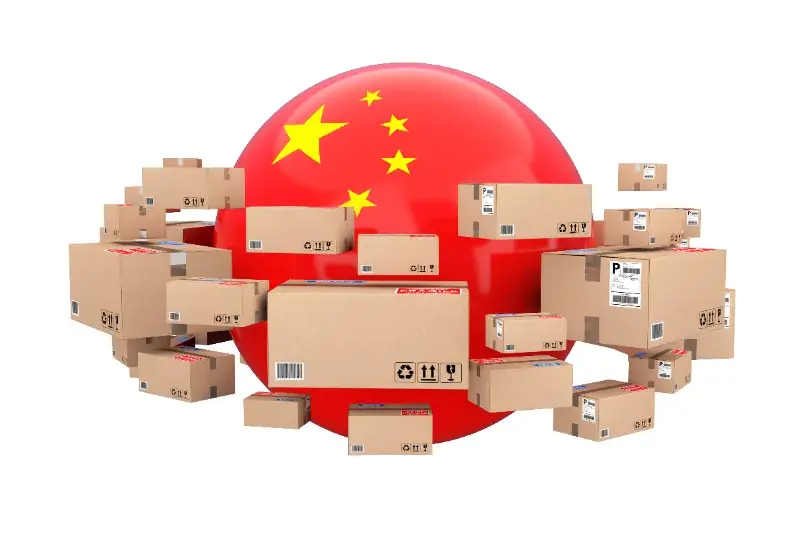
China remains the dominant source for most product categories imported into Africa, from electronics and textiles to machinery, auto parts, building materials and packaging. Nigeria Imports from China was US$13.03 Billion during 2025, making China by some distance Nigeria’s largest import partner. The pattern repeats across Kenya, South Africa, Ghana, Egypt and other major African markets.
This guide covers how Nigerian and African businesses can import from China, from sourcing suppliers through documentation and shipping to paying Chinese suppliers without losing margin to FX markups.
What can you import from China to Nigeria?
The most commonly imported product categories include electronics, phones, consumer tech, textiles and apparel, building materials, auto parts, machinery, household goods, beauty and personal care products, and packaging materials.
Some categories face specific regulations: electrical appliances require SONCAP certification, food and cosmetics require NAFDAC certification, and certain items are either restricted or prohibited. Check the Nigeria Customs Service (NCS) import prohibition list and the SONCAP regulated product list before placing an order.
Nigerian import documentation and regulations
Nigeria’s import documentation regime is one of the most structured in Africa. The main requirements:
Form M
An electronic Form M must be opened through your authorised dealer bank on the Trade Monitoring System (TRMS) before shipment. It is supported by the pro-forma invoice and any applicable regulatory certificates. Nigerian banks will not release foreign currency for the payment without an approved Form M in place.
Pre-Arrival Assessment Report (PAAR)
The PAAR is generated from the final shipping documents after shipment and drives duty assessment at the port. Discrepancies between the Form M, final invoice and PAAR cause queries, demurrage and sometimes penalties, so the pro-forma invoice from your supplier needs accurate HS codes, descriptions, quantities and Incoterms from the start.
SONCAP
The Standards Organisation of Nigeria Conformity Assessment Programme covers most regulated consumer and industrial products. The Product Certificate and Certificate of Conformity must be in place before shipment from China. Goods arriving without SONCAP certification face demurrage while regularisation happens, or outright refusal.
NAFDAC
The National Agency for Food and Drug Administration and Control regulates food, drugs, cosmetics, medical devices and chemicals. Products in these categories require NAFDAC registration and certification before import.
Duty and taxes
Import duty varies by HS code, typically 5% to 35% depending on category. VAT of 7.5% applies, along with the ECOWAS ETLS levy and the CISS inspection fee. Effective total charges on finished consumer goods frequently exceed a third of CIF value.
How to find and verify Chinese suppliers
Where to find suppliers
- Alibaba
- 1688.com
- The Canton Fair
China-based procurement agents
Verifying suppliers
Supplier verification matters more in the Nigeria-China corridor than in most, because documentation requirements on both ends make unwinding a bad transaction expensive.
- Verify the Chinese registered name and Unified Social Credit Code against SAMR (State Administration for Market Regulation) records
- Check that the beneficiary account name exactly matches the registered company name. This single check defeats the most common supplier fraud pattern
- Request certifications and compliance documents (CE, RoHS, SONCAP capability) before placing an order
- Order samples before committing to bulk orders
- If using a Guangzhou-based procurement agent, verify the agent separately and ensure the invoice is in the factory’s name, not the agent’s
Shipping methods from China to Nigeria
Sea freight
The default method for bulk shipments. Transit times from Chinese ports (Shanghai, Shenzhen, Ningbo, Guangzhou) to Lagos (Apapa or Tin Can Island) typically range from 5 to 7 weeks, with additional time for inland transport at both ends. Options include Full Container Load (FCL) for large orders and Less than Container Load (LCL) for smaller shipments sharing container space.
Air freight
Significantly faster at 3 to 7 days to Murtala Muhammed International Airport in Lagos, but several times the cost per kilogram. Air freight suits high-value, low-weight products like electronics, time-sensitive restocks, and samples.
Clearing agents
Customs clearance at Lagos ports is complex. A licensed clearing agent handles PAAR-based assessment, terminal release, duty payment and physical examination. Building a long-term relationship with a trusted agent reduces delays and surprise charges.
Costs involved in importing from China to Nigeria
Beyond the goods and freight, Nigerian importers should budget for:
| Cost item | Typical range |
| Import duty | 5% to 35% of CIF value (by HS code) |
| VAT | 7.5% |
| ETLS levy | ~0.5% |
| CISS inspection fee | ~1% |
| Port and terminal charges | Variable, often significant |
| Clearing agent fees | Negotiated |
| Payment and FX costs | 1.5% to 5% depending on route |
| Inland transport | Lagos to final destination |
Pay Chinese suppliers with the World Account
Paying Chinese suppliers from Nigeria has historically been complicated by dollar availability constraints and the FX markups applied by Nigerian banks on every outward wire. The World Account from WorldFirst gives African importers a more efficient route for compliant supplier payments.
Here’s how a World Account can help importers in Nigeria and Morocco
- Hold USD and CNH balances in the account, converted from your receiving currencies at competitive rates
- Pay Chinese suppliers directly in CNH, the currency most Chinese factories prefer for international payments
- Pay 1688.com suppliers through World Pay, the authorised international payment provider for 1688.com, from your CNH balance
- Collect international receipts (export earnings, marketplace payouts) in matching currencies through local receiving details in 15+ currencies
- Spend from your USD or CNH balance with the World Card for freight invoices, SaaS tools and other foreign-currency business expenses
- Lock in future supplier payment rates with forward contracts, protecting margin from FX movement (subject to eligibility)
Zero account opening and holding fees, with fully online setup and no branch visits required.
This article is intended for informational purposes only and does not constitute legal advice or professional advice. This article should not be regarded as constituting an offer or a solicitation to buy or sell any regulated or financial products or services. WorldFirst makes no representations or warranties regarding the accuracy, completeness, or applicability of the content, and readers are encouraged to consult with legal professionals or other professionals for advice tailored to their specific situation. WorldFirst does not guarantee the accuracy and completeness of this article and expressly disclaims any and all liability to any person in respect of the consequences of anything done or omitted to be done wholly or partly in reliance on this article.