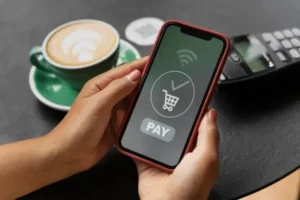






























A practical guide to setting up a virtual debit card for secure online and international business payments.
Key Takeaways
- A virtual debit card is a card number issued digitally, with no plastic, that you use for online checkouts, subscriptions, and business payments.
- You can create a virtual debit card online by choosing a provider, opening an account, completing verification, and requesting your card in the dashboard.
- Most providers ask for personal identification and business details during verification, so card approval is not always instant.
- Useful virtual cards offer spending controls, real-time transaction visibility, multi-currency support, and clearly published fees rather than hidden charges.
- A business virtual card linked to a multi-currency account helps you pay global platforms and suppliers while tracking every transaction in one place.
Learning how to create a virtual debit card online takes only a few minutes with the right provider, and it gives your business a safer way to pay for adverts, software, and overseas suppliers. This guide explains what a virtual debit card is, how to set one up step by step, which features actually matter, and how to use your card safely for cross-border payments.
Need a virtual debit card for online payments? Here’s how to create one
If you sell online or source products abroad, a virtual debit card lets you pay platforms and suppliers without exposing your main account details. You can create one online in a few steps: pick a provider, open an account, verify your identity, then request the card. The sections below walk through each stage.
Many online businesses run into the same wall. International checkout pages decline local cards, bank transfers hit transaction limits, and paying for advertising platforms with virtual cards becomes a monthly headache. A virtual card built for business use solves this by giving you a dedicated payment method for ad accounts, marketplace fees, and software subscriptions. The card sits separate from your primary funds, so a single compromised checkout does not put your whole balance at risk.
What is a virtual debit card and how does it work?
A virtual debit card is a card issued in digital form only. It carries a 16-digit number, an expiry date, and a CVV, exactly like a plastic card, but there is nothing physical to carry or lose. You add funds to the linked account, then spend online up to your available balance, which makes it well suited to controlled business spending.
Virtual cards run on major card networks such as Visa or Mastercard, so they work anywhere those networks are accepted online. The practical difference from a physical card is control. You can usually freeze, unfreeze, set limits on, or delete a virtual card in seconds from an app or dashboard. Some providers also issue single-use numbers for one-off payments. A virtual card is sometimes called a VCC (virtual card, or virtual credit/debit card), and it is designed first for online and recurring payments rather than in-store use.
How to create a virtual debit card online
Creating a virtual debit card online follows a similar path with most providers. You register, prove who you are, and generate the card once your account is verified. Here is the typical process.
- Choose a virtual card provider. Pick one that supports business use and the currencies you actually pay in, such as USD, GBP, EUR, or CNH.
- Open your account. Sign up with your email and basic business details to create your profile.
- Complete identity and business verification. Upload your personal identification and, where required, business documents. This step, known as KYC (Know Your Customer), is a standard legal check.
- Request your virtual card. Once your account is verified, generate the card inside your dashboard and view its number, expiry, and CVV.
- Add funds and start paying. Top up the linked account, then enter the card details at any online checkout.
Verification timelines differ between providers, so treat any “instant” claim with care. Having your documents ready before you start is the quickest way to move from sign-up to an active card.
What to look for when choosing a virtual debit card
Before you commit to a provider, weigh the features that affect day-to-day business payments rather than the marketing. A card that is quick to open but hard to control can cost you more in the long run. Focus on the points below.
- Online application with a clear, quick setup process
- Spending controls and per-card limits you can adjust yourself
- Real-time transaction visibility inside the app or dashboard
- Multi-currency support so you can hold and spend USD, GBP, EUR, or CNH
- Transparent, published fees for issuance, top-ups, and currency conversion
- Business suitability, such as issuing several cards or giving team members access
Checking published fees matters most for cross-border payments, where currency conversion can quietly add up on every transaction.
How World Card helps businesses manage international payments
WorldFirst is a payments provider, and the World Card is a virtual business card linked to your World Account, a multi-currency business account rather than a bank account. You can hold multiple currencies, pay online suppliers and platforms, and manage card spending from a single dashboard. In Nigeria, where reliable access to internationally accepted cards is not always straightforward, a virtual business card can be a genuinely useful option for paying global services.
In practice, sellers use the card to pay Facebook and Google ad accounts, cover software subscriptions such as Shopify or Canva, and settle marketplace fees on Amazon or Temu. Because the card connects to a multi-currency business account, you can also pay Chinese suppliers directly on platforms like 1688 and keep every expense in one view. WorldFirst is part of Ant International, and across its business it supports 20+ currencies to hold and 100+ currencies to send across 200+ countries and regions, which gives smaller importers infrastructure that was once reserved for large companies.
To register, prepare your business information, a personal identification document, and business verification documents where these apply. Approval is not automatic, so allow time for the verification check to complete.
Virtual debit card alternatives for online businesses
Several providers offer virtual cards and multi-currency accounts to businesses and sellers operating in Nigeria. The right choice depends on the currencies you use, the fees you can accept, and whether you receive client or marketplace payments as well as spend. The table below compares options that Nigerian users can realistically open today.
| Provider | Virtual card | Multi-currency account | Typical card fee | Notes |
| WorldFirst (World Card) | Virtual business card linked to the account | Yes, multi-currency business account | [fees – confirm with editor] | Business focus; sits alongside supplier payments and marketplace collections |
| Grey | Virtual Visa card, spend from your balance¹ | Yes, USD, GBP, and EUR accounts¹ ² | One-time USD 5, no monthly charge¹ | Business tier offers prepaid USD cards and team controls² |
| Payoneer | Physical or virtual Mastercard³ | Receiving accounts in USD, GBP, EUR, and more⁴ | About USD 29.95 per year, per card⁵ | Business-only; card eligibility needs USD 100 received in the last 6 months³ |
| Geegpay (Raenest) | Virtual USD (Visa) card⁶ | Yes, USD, GBP, and EUR accounts⁶ | USD 3 to create, USD 0.50 per funding⁷ | Built for freelancers and remote-working businesses⁶ |
Note: Fees checked in July 2026. Pricing, eligibility, and product features may change over time. Always confirm the latest information directly with the provider.
These providers differ mainly in fees and how you fund the card. Grey issues a virtual Visa card you spend straight from a USD, GBP, or EUR balance for a one-time USD 5 fee with no monthly charge¹, and its business tier adds prepaid USD cards with team controls². Payoneer offers a physical or virtual Mastercard to business accounts once you have received at least USD 100 in the previous six months³, with receiving accounts in several currencies⁴ and a card fee of around USD 29.95 per year⁵. Geegpay, run by Raenest, provides a virtual USD Visa card and USD, GBP, and EUR accounts aimed at freelancers and remote teams⁶, charging USD 3 to create the card and USD 0.50 per funding⁷. To weigh these against each other, you can also compare virtual dollar card options.
How to use a virtual debit card safely for international payments
A virtual card reduces risk, but safe cross-border payments still depend on good habits, especially when trading with new overseas suppliers. Treat every first payment to an unfamiliar seller as the highest-risk moment. The checklist below helps you pay with more confidence.
- Verify the supplier’s company and account details before you send anything, particularly on 1688 or Alibaba.
- Be cautious if a seller asks you to switch to a personal account or pushes for an urgent change of bank details.
- Use a dedicated card, or set a low limit, for each platform so exposure stays contained.
- Enable freeze and single-use controls where your provider offers them.
- Monitor and reconcile transactions regularly so any unexpected charge is caught early.
Handled this way, a virtual card gives you a controlled, traceable record of business spending rather than a single account exposed across dozens of sites.
FAQ
Can I create a virtual debit card?
Yes, you can create a virtual debit card online through a range of payment providers. You open an account, complete identity and business verification, then generate the card in your dashboard. The card gives you a number, expiry date, and CVV to use at online checkouts, without any plastic to carry.
How do I set up a virtual debit card for business use?
Setting up a virtual debit card for business starts with choosing a provider that supports business accounts and the currencies you pay in. After signing up, you complete KYC verification with your identification and business documents. Once approved, you request the card, add funds to the linked account, and begin paying platforms, subscriptions, and suppliers.
Can I get a virtual debit card instantly?
Some providers advertise fast virtual card creation, but timing depends on verification. Identity and business checks can be quick or take longer, so instant issuance is not guaranteed. The most reliable way to speed things up is to prepare your documents in advance, so your account can be verified without back-and-forth requests.
Do I need a registered business to open a virtual card?
Requirements differ by provider. Some issue cards to individuals, while business-focused providers ask for company details and business verification documents. If your goal is paying suppliers, ad platforms, and marketplace fees, a business account gives you controls and multi-currency support that a basic personal card often lacks.
Can I use a virtual debit card to pay suppliers abroad?
Yes, a virtual debit card is well suited to paying overseas suppliers and international platforms, provided the card supports the currency and the seller accepts card payments. A card linked to a multi-currency account lets you hold funds in currencies such as USD or CNH and pay directly, which can reduce repeated conversion costs.
Is a virtual debit card safe for online payments?
A virtual debit card can be safer than using your main card everywhere online, because it separates spending from your primary funds and often includes freeze, limit, and single-use controls. Safety also depends on your habits: verify suppliers, watch for unusual payment requests, and review transactions regularly to catch anything unexpected.
Conclusion
Knowing how to create a virtual debit card online gives your business a controlled, flexible way to pay international platforms and suppliers without exposing your main account. Choose a provider that fits your currencies and business needs, prepare your verification documents, and set up spending controls from the start. When you are ready to hold multiple currencies and issue a virtual card built for business payments, opening a World Account is a straightforward next step.
Sources
- https://grey.co/cards
- https://grey.co/business
- https://www.payoneer.com/commercial-card/
- https://www.payoneer.com/multi-currency-account/
- https://www.payoneer.com/resources/how-open-a-payoneer-account-how-much-does-it-cost/
- https://www.geegpay.africa/
- https://www.raenest.com/blog/geegpay-virtual-dollar-card-vs-naira-cards-which-one-works-better-for-international-payments
This article is intended for informational purposes only and does not constitute legal advice or professional advice. This article should not be regarded as constituting an offer or a solicitation to buy or sell any regulated or financial products or services. WorldFirst makes no representations or warranties regarding the accuracy, completeness, or applicability of the content, and readers are encouraged to consult with legal professionals or other professionals for advice tailored to their specific situation. WorldFirst does not guarantee the accuracy and completeness of this article and expressly disclaims any and all liability to any person in respect of the consequences of anything done or omitted to be done wholly or partly in reliance on this article.