






















Multi-currency accounts, competitive FX, and global transfers — Everything you need to pay and get paid internationally
WorldFirst Enterprise
Built for faster payments, smarter liquidity, and robust compliance—all powered by our next-gen API toolkit and AI-native architecture.
Named a Top Global Fintech Company by CNBC & Statista, we’ve supported 1.5M+ businesses since 2004.
About WorldFirst
Resources
More brands of Ant International
Europe
Asia
Oceania
Africa

We provide coverage in South Asia and Middle East: servicing 210+ countries and territories.

Online Bank Card Explained: Virtual Cards vs ATM Cards for African Business [2026]

Contents

What “online bank card” really means, and how to tell a business virtual card apart from a consumer ATM card.

An online bank card is any card you can use to pay over the internet, but the phrase covers several very different products. This guide clears up the confusion for business owners: it explains what an online card is, how a virtual card differs from an ATM card, who each one suits, and how to get the right one for online business spending. It is written for importers, e-commerce sellers and dropshippers, not for personal banking.

Key Takeaways

  • “Online bank card” is a loose term. In practice most people mean a virtual card, an ATM card used online, or a bank credit card used online.
  • A virtual card exists only in digital form and is built for online payments, not for withdrawing cash.
  • An ATM card is built mainly for cash withdrawal, so it is the wrong tool for regular international online spending.
  • Business owners paying advertising, software, logistics or marketplace costs online usually need a business virtual card, not a personal card.
  • Getting a business virtual card means opening a business account with a payments provider and completing identity and business verification.

What an online bank card actually means

An online bank card is any card whose details you can enter on a website or app to pay. The term is broad, so the first step is knowing which product you actually need. Three different things get called an online card, and they behave differently.

The three common meanings are:

  • A virtual card: a card number, expiry date and security code that exist only digitally, with no plastic. Built for online payments.
  • An ATM card used online: a physical card tied to a bank account, sometimes usable online, but designed mainly for cash withdrawal.
  • A bank credit card used online: a physical credit card whose details can be typed into a checkout.

Most searches for an “online card” point to the first meaning. If you run a business and pay international costs online, a virtual card is usually what fits, and the rest of this guide focuses there.

How a virtual card works

A virtual card works like a normal card at an online checkout, except there is no physical plastic. You are issued a card number, expiry date and security code, and you enter those details to pay. The payment draws on the funds linked to the card.

Because it is digital, you can usually create a virtual card in minutes, use it straight away, and cancel or freeze it without waiting for post. That makes it well suited to online, card-based spending such as advertising accounts and software subscriptions.

For businesses, the bigger advantage is control. You can issue separate cards for different costs, so spend is easier to track and a single exposed card can be frozen without disrupting the rest.

Virtual card vs ATM card: which do you need?

A virtual card and an ATM card are built for opposite jobs. A virtual card is made for online payments. An ATM card is made mainly for withdrawing cash from a machine, so it is the wrong choice if your real need is regular international online spending.

Use this quick test:

  • If you mainly pay online business costs like advertising, SaaS, logistics or marketplace fees, you need a virtual card.
  • If you mainly need to take out cash locally, an ATM card is the relevant product, and this guide is not your best fit.
  • If you need both, treat them as two separate tools rather than expecting one card to do everything.

This matters because searches for “online ATM card” often mix up cash access with online payment. For international online business spending, cash withdrawal is not the use case.

Who a business virtual card is for

A business virtual card suits owners who pay recurring international costs online and want cleaner control than a single personal card gives. If you are sourcing, selling or advertising across borders, this is usually you. If you only need a personal card for everyday shopping, a standard bank card is simpler.

Typical business users include:

  • Importers and dropshippers paying overseas online costs tied to sourcing
  • E-commerce sellers running advertising on platforms that bill a saved card
  • Teams that want to separate spend by supplier, campaign or staff member
  • Businesses paying SaaS, logistics and marketplace fees in foreign currencies

If that describes your business, the next question is which provider and card fit your costs. For a fuller walkthrough of choosing a provider and comparing options, see how African businesses use virtual cards for international payments. If you specifically want cards tied to a credit line, see the guide to virtual credit cards available in Africa.

Why World Card fits online business spending

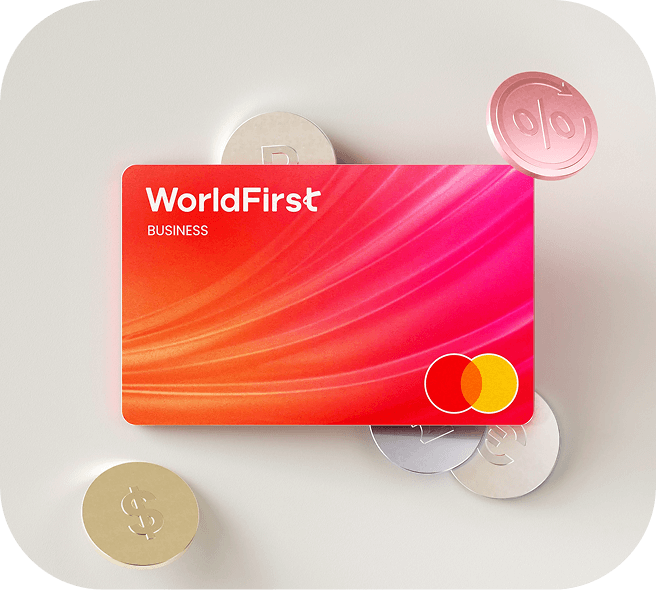
World Card is a virtual business payment card from WorldFirst, a payments provider for businesses. It is built for online business spending, so you can pay advertising platforms, software subscriptions, logistics and marketplace costs using funds held in your business account. It is not a credit card and does not provide a credit line.

In Africa, arranging card access for international online payments can be harder than in some other regions. For businesses in Nigeria in particular, a virtual business card that works reliably for overseas online spending is a genuine practical advantage. World Card sits inside the World Account, a multi-currency business account, so the card is part of a wider setup that also lets you collect and convert supported currencies rather than a standalone product.

WorldFirst is backed by Ant Group (Ant International). To open an account you complete standard identity and business verification and supply supporting documents. WorldFirst is a payments provider, not a bank, and does not operate as a locally licensed bank in Africa.

How to get an online or virtual card

To get an online or virtual card for business, you open an account with a provider that issues cards, complete verification, then create the card inside your account. The steps are broadly the same across providers, though names and screens differ.

A typical process looks like this:

  1. Choose a provider that offers business virtual cards and serves your market.
  2. Register a business account and provide your business and identity details.
  3. Complete verification. Expect to supply standard identity and business documents.
  4. Add funds or link a funded balance to the card.
  5. Issue your virtual card and use the details for online payments.

Verification exists to meet legal and anti-fraud requirements, so having documents ready speeds things up. You never need to share card or verification details with anyone outside the provider’s official onboarding. If someone asks you to, treat it as a warning sign.

How to use a virtual card for business expenses

A virtual card is most useful for online, card-based business expenses. You issue a card, set a limit, and use it for one purpose, such as a single advertising account or one software subscription. That keeps budgets clean and makes reconciliation easier.

Common business uses include:

  • Online advertising on platforms that bill a saved card
  • SaaS and software subscriptions
  • Logistics, shipping and fulfilment charges
  • Marketplace and platform fees, for example on Amazon or Temu

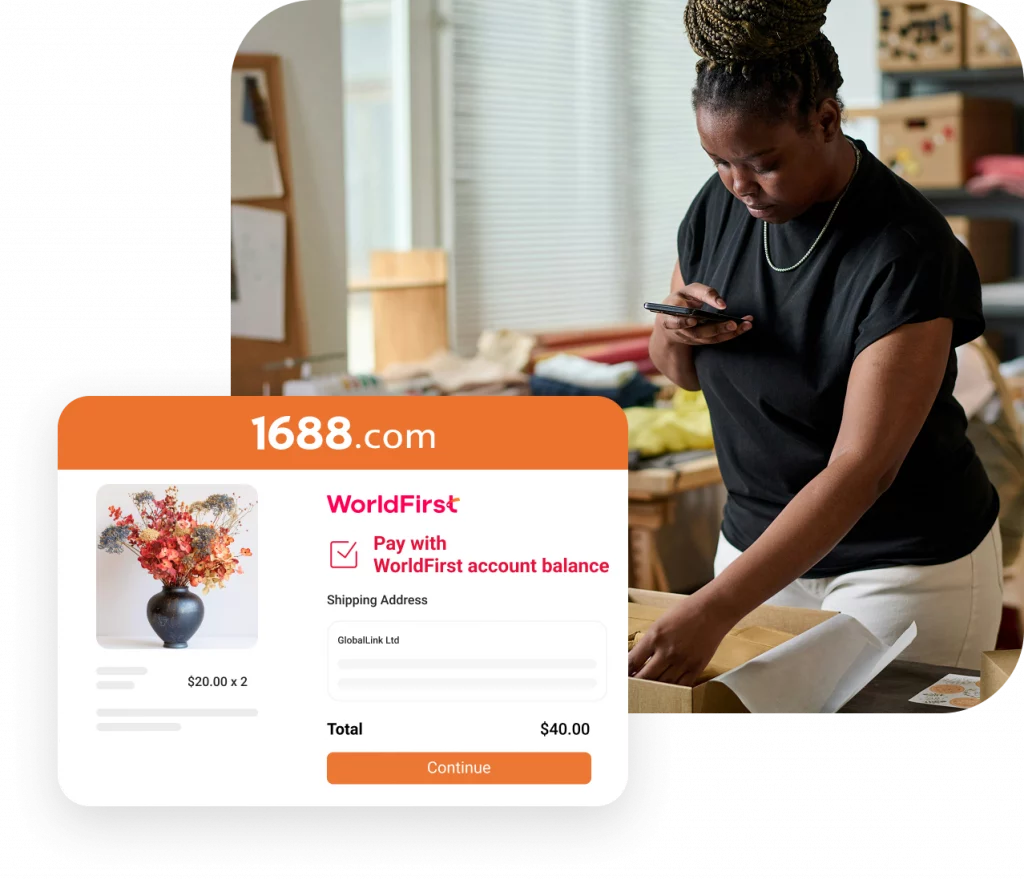
A card is not always the right tool for paying suppliers directly. For paying Chinese suppliers, a dedicated payment route is often better. WorldFirst supports direct payments on 1688 and supplier payments to China in CNY, with CNY supplier payment available for businesses in Nigeria and Kenya. Choose a card for card-based online expenses, and a dedicated supplier route for direct China payments.

FAQs about online and virtual cards

How do I know if I need a virtual card or an ATM card?
You need a virtual card if your main use is online payments such as advertising, software subscriptions or marketplace fees. You need an ATM card if your main use is withdrawing cash locally. The two are built for different jobs, so pick based on what you actually pay for most often rather than expecting one card to cover both.

Do I need a business account to get a business virtual card?
Usually yes. Most business virtual cards sit inside a business or multi-currency account rather than existing as a standalone product. You open the account, complete identity and business verification, then issue cards from it. An integrated account can be more useful than a standalone card because you can also collect and convert supported currencies in one place.

What happens if my virtual card details are exposed?
If a virtual card’s details are exposed, you can usually freeze or cancel that single card without affecting your other cards or your account. This is a key reason businesses issue separate virtual cards per supplier, campaign or team member. Contact your provider through its official channels, and never share full card or verification details with unknown parties.

Can I use a virtual card to pay Chinese suppliers?
Sometimes, but a card is not always the best route for direct supplier payments. For paying suppliers in China, a dedicated payment product is often more suitable. WorldFirst supports direct 1688 payments and CNY supplier payments for businesses in Nigeria and Kenya. Use a card for card-based online expenses and a dedicated route for direct China payments.

Is an online bank card the same as a credit card?
Not necessarily. Some online cards are linked to a credit line, while others draw on funds you already hold, like a prepaid or account-linked card. A virtual business payment card such as World Card is not a credit card and does not offer a credit line. Check whether a card gives credit or spends your own balance before you apply, as this changes how and when you pay.

Conclusion

“Online bank card” covers several different products, so the useful question is which one fits your work. For withdrawing cash, an ATM card. For a credit line, a bank credit card. For paying international business costs online, a business virtual card is usually the right tool, and World Card is one option built for that inside a multi-currency business account.

Sources

  1. https://www.payoneer.com/commercial-card/
  2. https://www.xtransfer.com/
  3. https://www.mastercard.us/en-us/personal/ways-to-pay/virtual-cards.html
  4. https://www.investopedia.com/terms/v/virtual-credit-card.asp
  5. https://www.trade.gov/country-commercial-guides/nigeria-trade-financing

This article is intended for informational purposes only and does not constitute legal advice or professional advice. This article should not be regarded as constituting an offer or a solicitation to buy or sell any regulated or financial products or services. WorldFirst makes no representations or warranties regarding the accuracy, completeness, or applicability of the content, and readers are encouraged to consult with legal professionals or other professionals for advice tailored to their specific situation. WorldFirst does not guarantee the accuracy and completeness of this article and expressly disclaims any and all liability to any person in respect of the consequences of anything done or omitted to be done wholly or partly in reliance on this article.

Linna is a Senior Content Strategy Manager specializing in fintech, cross-border payments, and global ecommerce. With extensive experience in international B2B growth content, and global market expansion, she leads content initiatives that help businesses navigate cross-border trade, international payments, and digital commerce at scale.

Linna
Author
Senior Content Strategy Manager
WorldFirst Africa

Continue reading

The simpler way to pay and get paid

Save money, time, and have peace of mind when expanding your global business.