
























Home > What is dropshipping? A guide to building a global business
What is dropshipping? A guide to building a global business
Last update:


Dropshipping is the business model where you sell products online without holding inventory.
When customers buy from your store, you forward their orders to suppliers who ship the products directly to the customer. It’s an approach that’s made e-commerce accessible to millions of entrepreneurs worldwide, with the global dropshipping market valued at over US$365 billion.
But while this model offers low startup costs and operational flexibility, you’ll need a solid grasp of business basics and know how global payments work to succeed. This guide will explain what dropshipping is, how it works and what you need to know to build a successful dropshipping business in today’s global marketplace.
In this guide:
- How does dropshipping work?
- What are the different types and models of dropshipping?
- What are the advantages and disadvantages of dropshipping?
- How to start a dropshipping business
- How WorldFirst makes dropshipping across borders simple
Want to simplify global payments? Create a World Account for free today to manage multiple currencies and pay suppliers worldwide.
How does dropshipping work?
Dropshipping is a retail fulfilment method where online stores sell products without keeping inventory in stock. When customers place orders, retailers forward those orders to third-party suppliers who ship the products directly to customers.
The retailer acts as the intermediary, handling the marketing and customer service while suppliers manage inventory and fulfilment. This model eliminates the need for warehouse space, upfront inventory investment and shipping logistics.
Here’s how a typical dropshipping order would move from your dropshipping store to your customer:
- A customer places an order. Shoppers browse your online store and purchase products at your retail prices
- Receive customer payment. The customer pays you the full retail price, giving you immediate cash flow
- Forward the order to the supplier. You send customer order details and shipping information to your dropshipping supplier or wholesaler
- Pay the supplier the wholesale price. You pay the supplier their wholesale cost, keeping the difference as profit
- Supplier ships directly to the customer. Your dropshipping supplier packages and ships the product straight to your customer using your branding
- You handle customer service. You remain the main point of contact for any questions, returns or issues
And that’s it. This process can be applied to all kinds of products. Let’s look at a few dropshipping business models.
What are the different types and models of dropshipping?
Dropshipping is versatile and enables you to sell all kinds of products. But there are three main types of dropshipping, which follow slightly different processes.
- Traditional dropshipping: The most common model for general consumer products and trending items. Traditional dropshipping has a low cost of entry, which makes it a good choice for beginners, and a wide range of product categories. However, it typically comes with lower margins and higher competition, as most sellers can easily access the same products from the same suppliers. With little product differentiation, price often becomes the main competitive factor, which forces sellers to reduce margins.
- Print-on-demand dropshipping: With print-on-demand, suppliers create custom products (t-shirts, mugs, books) only after orders are placed. This model is ideal for personalised items, artwork and branded merchandise. Print-on-demand typically offers higher profit margins because you can charge more for custom items. However, you’re restricted to products that can be easily personalised.
- Private label dropshipping: In this model, suppliers manufacture products exclusively for your brand with custom packaging and labelling. You’re creating a unique branded product, so it’s harder for competitors to copy your offering. This lets you set premium prices and build long-term customer trust. However, because the items are made specifically for you, suppliers often require larger initial orders to offset production and customisation costs.
Read more: How to ship from China to UK: A guide for online sellers
What are the advantages and disadvantages of dropshipping?
Pros: Minimal investment and maximum reach
Dropshipping offers several advantages for both new and seasoned entrepreneurs.
- Low startup costs and financial risk: Dropshipping is accessible to entrepreneurs and small businesses with limited capital since you don’t need to purchase inventory upfront. This eliminates the risk of unsold inventory sitting in warehouses or losing value over time. Startup costs mainly come from setting up your website and marketing your store.
- Operational simplicity and flexibility: As you don’t handle physical products, you can run your business from anywhere with an internet connection. There’s no warehouse management, packing, shipping or inventory tracking required.
- Product variety and market testing: With dropshipping, you can offer thousands of products without storage limitations or inventory investments. It’s also easy to test new product lines and trending items to see what resonates with customers.
- Global reach without local presence: Dropshipping lets you sell internationally without establishing overseas warehousing or shipping infrastructure. You work with suppliers worldwide who can offer diverse products from different regions and ship to customers globally.
Read more: How to set up your AliExpress dropshipping business
Cons: Tough competition and supplier risks
While dropshipping can be an easy and low-risk way to start selling online, it’s not without its challenges. Here are a few:
- Thin profit margins and high competition: Wholesale prices leave smaller markup opportunities compared to traditional retail models. Low barriers to entry mean many competitors can sell identical products, and price wars often drive margins even lower as sellers compete for customers.
- Limited control over customer experience: You rely entirely on suppliers for product quality, packaging and shipping. This comes with the risk of quality issues because you can’t inspect products before they reach customers. Any mistakes or delays in order fulfilment will reflect poorly on your brand, with your shop responsible for resolving issues.
- Inventory and supplier dependency issues: You have no control over stock levels, which can lead to you accidentally selling products that have become unavailable. If you work with multiple suppliers, this may result in complicated shipping costs and longer delivery times for multi-item orders. Any supplier errors, delays or business changes directly impact your customer relationships.
- Complex international payment challenges: Selling globally often means opening and managing local bank accounts, high transfer and conversion fees and fluctuating exchange rates that can cut into profits. Coordinating payments to multiple suppliers across countries adds even more complexity and risk of delays.
Read more: How to send international payments: 6 options for businesses
How to start a dropshipping business
Now that we’ve covered the pros and cons of dropshipping, let’s take a look at how to start your own dropshipping business.
Step 1: Choose your niche and products
Use tools like Google Trends, social media insights and keyword research to uncover what people are currently interested in. Analyse competitor strategies to spot gaps you could fill.
It helps to look for products that show consistent search volume rather than short-lived viral spikes. Aim for items with solid profit margins that aren’t easily found in local stores, as those products give you a better chance to stand out and maintain healthy markups.
Step 2: Find reliable dropshipping suppliers
Turn to trusted platforms like AliExpress, SaleHoo or Sprocket, where you can connect with verified suppliers. Don’t just take listings at face value. Dig into reviews, response times and shipping reliability before making any commitments.
It’s also a smart idea to order samples from potential suppliers. This gives you firsthand insight into product quality, packaging and how long deliveries take. And before sealing the deal, make sure you’re clear on their policies for returns, defective items and shipping delays.
Read more: How to source wholesale using 1688.com outside China
Step 3: Set up your online store
Once you’ve got your niche and suppliers lined up, it’s time to build your online storefront. Platforms like Shopify, WooCommerce and BigCommerce make it easy to get started.
These platforms are designed specifically for e-commerce, with ready-made templates, design tools and even built-in integrations that connect with dropshipping suppliers. They also make it simple to connect your store to popular marketplaces like Amazon and eBay, so you can reach a wider audience without managing multiple separate stores.
Focus on creating a trustworthy and easy-to-navigate shopping experience. Clear product descriptions, great photos and consistent branding go a long way toward converting visitors into customers.
And don’t forget about payments. If you plan to sell internationally, set up payment options that support multiple currencies and secure transactions. A smooth checkout experience can make or break a sale.
Read more: How to receive international payments: 3 top methods for businesses
Step 4: Establish your international payment infrastructure
Having the right payment infrastructure can turn a logistical headache into a scalable operation.
Ideally, you’ll want a system that lets you receive payments in local currencies to avoid steep conversion fees. It should also make it easy to access payouts from major marketplaces without long delays or complicated transfer processes that hurt your cash flow.
Look for solutions that simplify payments to international suppliers in their preferred currencies and offer tools to protect your margins from currency fluctuations. These features make a big difference when you’re juggling suppliers, customers and transactions across borders.
Read more: How to choose a multi-currency business account (+ 6 options)
How WorldFirst makes dropshipping across borders simple
Running a dropshipping business means juggling suppliers in one country, marketplaces in another and customers scattered across the globe. When your profit margins are already thin, the last thing you need is expensive international transfers, poor exchange rates and weeks of waiting for payments to clear.
WorldFirst has been solving global payment challenges for over 20 years. Since 2004, we’ve processed over $300 billion in transactions for more than one million businesses worldwide and helped dropshippers and e-commerce sellers navigate international payments with confidence.
Our World Account is a multi-currency business account that lets you collect, hold, pay and manage funds in multiple currencies from a single platform. It’s specifically designed for international businesses, e-commerce sellers and dropshippers who need to handle cross-border payments efficiently.
Here’s how WorldFirst can help your dropshipping business.
Collect payments globally without needing local bank accounts
Selling on international marketplaces often requires having local bank accounts in each country’s currency. But setting up bank accounts abroad typically means visiting a branch overseas in-person, complex paperwork and weeks of waiting for approval.
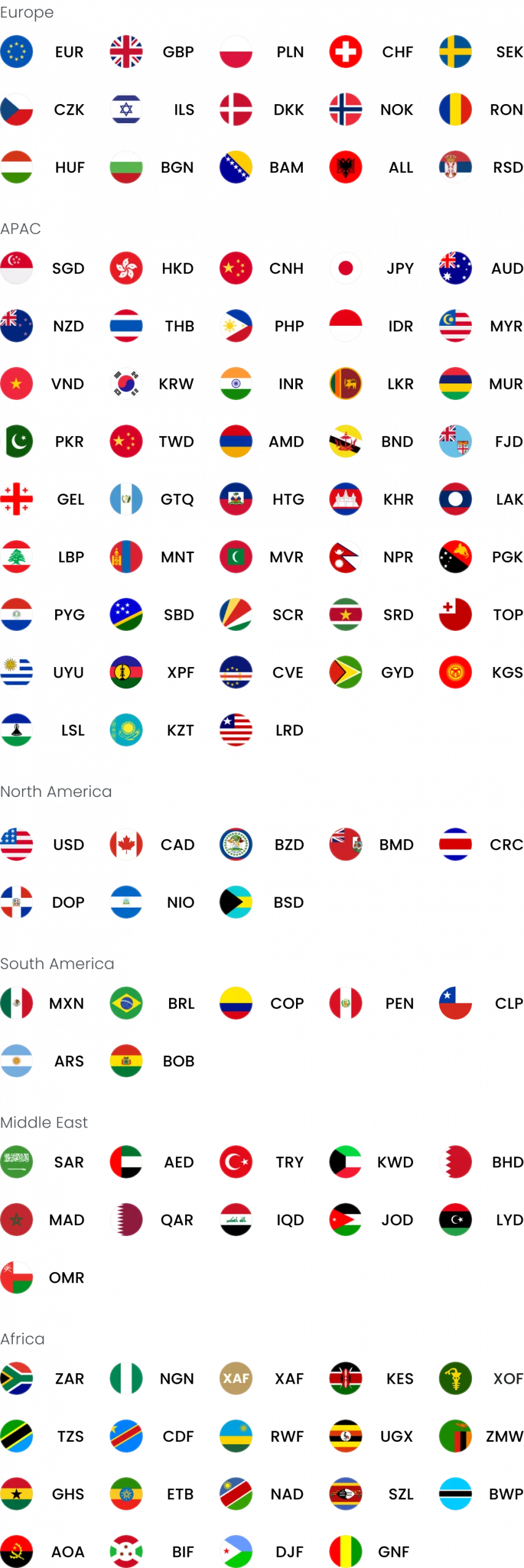
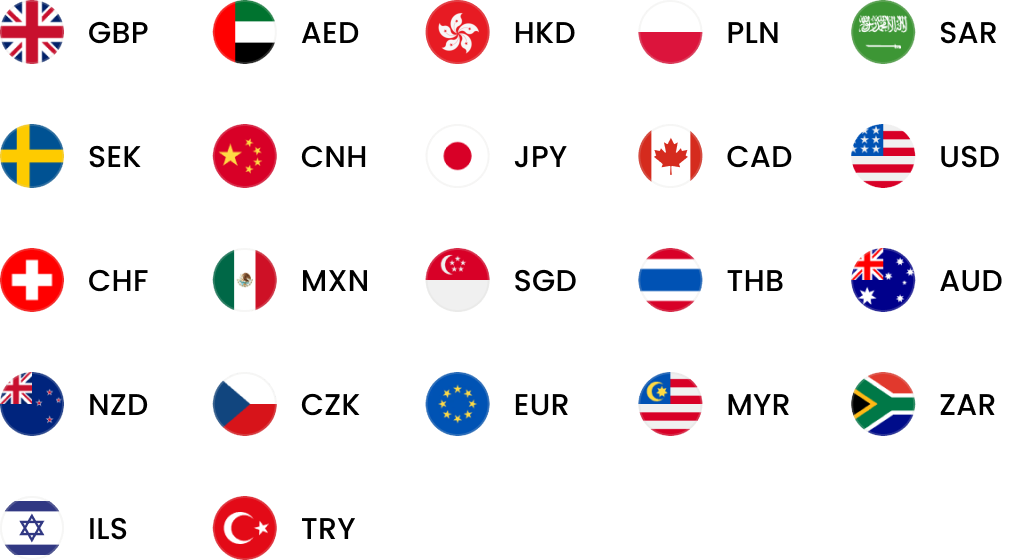
Our World Account lets you hold and manage funds in 20+ currencies, including USD, GBP, EUR, CNH and more. You get local receiving account details for each currency, enabling you to receive payments like a local business without needing physical presence or local entities in those countries. This makes it easy to expand into new markets in minutes, not months.
Read more: What’s the best business bank account for e-commerce companies? 7 options
Reduce fees and delays with direct marketplace integrations
Traditional banks charge hefty fees for international transfers and currency conversions, often taking days to process payments. These delays and costs quickly eat into your already slim dropshipping margins.
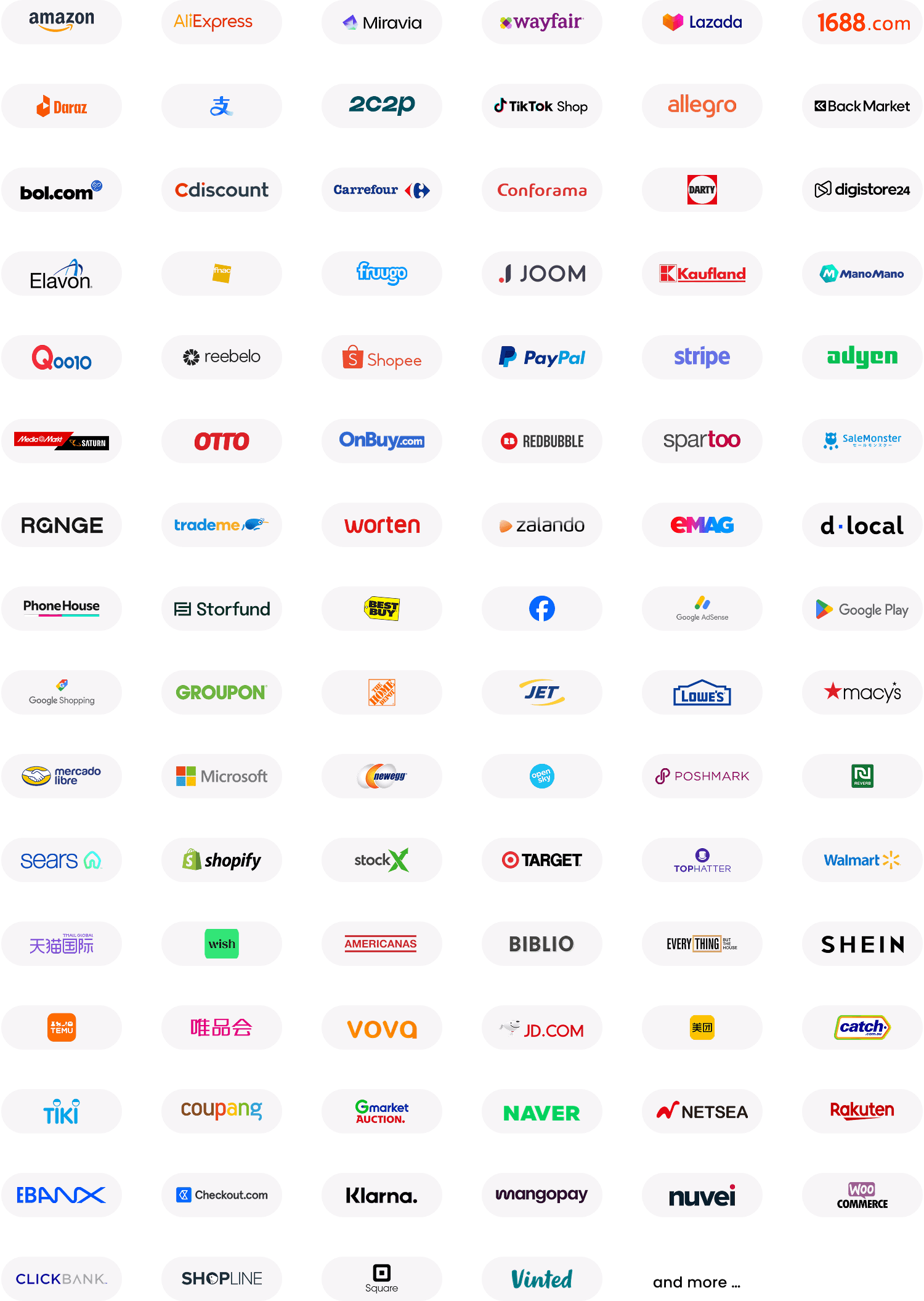
With a World Account, you can connect directly with 100+ marketplaces and 30+ payment gateways around the world, including Amazon, Etsy, TikTok Shop, Shopify, BackMarket and Gmarket. This direct integration means you can receive same-day access to sales revenue, deposited straight into your World Account in local currencies.
No more waiting for international wire transfers or losing money to intermediary bank fees. When your Amazon US payout arrives in your USD account or your TikTok Shop UK earnings land in GBP, you receive the full amount – no auto-conversions, extra fees or waiting.
You can hold your money in the original currency until you’re ready to convert it – such as to CNH to pay suppliers – and do so at a time and rate that works best for your business.
Read more: E-commerce payments: What you really need to accept payment online
Protect profits from currency fluctuations with smart FX tools
Currency fluctuations can impact profitability when payments are converted at poor rates. This uncertainty makes it difficult to forecast costs and maintain consistent margins.
WorldFirst offers competitive exchange rates based on the mid-market rate (MMR) with fees capped at 0.50% for major currencies. That’s significantly better than the 2–4% markups traditional banks typically charge.
Plus, our advanced FX tools help you take control of currency risk:
- Forward contracts: Lock in exchange rates for up to 24 months for future transactions and get certainty over supplier costs and profit margins
- Firm orders: Set target exchange rates and automatically execute trades when the market hits your target, so you never miss favourable rates
- Spot contracts: Use live market rates for immediate currency conversions when you need to move money quickly
These tools are particularly valuable for dropshippers who need to plan inventory purchases or want to protect against currency movements that could wipe out their profit margins.
Strengthen supplier relationships by paying faster in local currencies
Managing and paying multiple suppliers across different countries can be complex and expensive. Slow payments can damage supplier relationships, while high international transfer fees reduce your profit margins.
WorldFirst lets you pay suppliers in their local currencies using local payment rails for faster processing. You can make payments in 100+ currencies to 200+ countries and territories.
Most importantly, 80% of our transfers arrive within the same day, compared to up to five working days for traditional SWIFT transfers. Local payment networks are used where possible, which significantly reduces both transfer times and costs.
Additionally, our batch payment feature lets you manage multiple supplier relationships from one dashboard. You can send up to 200 payments at once, with real-time notifications keeping suppliers informed of payment status. This strengthens business relationships and can lead to better pricing negotiations.
Pay Chinese suppliers directly thanks to WorldFirst’s exclusive integration with 1688.com
1688.com, China’s leading marketplace with over 10 million suppliers, offers some of the best wholesale products and prices in the world. However, international buyers traditionally have difficulty buying on the marketplace without a Chinese bank account.
WorldFirst has an exclusive direct integration with 1688.com, with our World Pay feature being the only officially authorised payment solution for international businesses. With a World Account, you can:
- Pay Chinese suppliers on 1688.com instantly in CNH
- Access pricing that’s significantly lower than other marketplaces
The integration works seamlessly. Link your World Account to 1688.com, select World Pay as your payment method and have funds transferred instantly from your CNH balance to suppliers.
Of course, you don’t have to use 1688.com to find suppliers. With a World Account, you can also make Pay-on-Behalf-Of (POBO) payments to mainland Chinese bank accounts without needing a local Chinese account.
Whichever sourcing method you choose, you’ll benefit from faster settlement times, typically under 24 hours.
Build a global dropshipping brand using WorldFirst
Dropshipping has made global e-commerce more accessible than ever, but managing money across borders can still be a major headache.
With WorldFirst’s multi-currency World Account, you can collect sales revenue from international marketplaces, pay suppliers quickly in their local currencies and safeguard your margins against exchange rate volatility – all in one place.
Whether you’re sourcing from overseas or selling on a global marketplace, WorldFirst gives your dropshipping business the tools to operate and move money around the world.
Ready to go global with your dropshipping business? Open a World Account for free today.
Continue reading


Subscribe
The Weekly Dispatch
Get the latest news and event invites. Signup for our weekly update from the worlds of fashion, design, and tech.