


























A forward contract is a financial product that helps you hedge against future currency fluctuations by securing a specific exchange rate in advance.
With a forward contract, you can select the exchange rate you want – usually the live, current exchange rate – and the amount you want to trade. Then, you can execute the trade at a designated future time.
This way, you can benefit from more accurate budget forecasting in the face of currency volatility, giving you more financial certainty.
Below, we’ll share more on how forward contracts work with WorldFirst, our multi-currency platform designed for international businesses.
We’ll also show you how a multi-currency World Account can save you money on currency conversions, enable faster international transfers and simplify your financial management.
In this article:
- What is a forward contract?
- When should you use a forward contract?
- How to use WorldFirst forward contracts to hedge against currency risk
- Three more ways you can get the best exchange rates with WorldFirst
- How to open a World Account
- Three key considerations when using forward contracts
Need to protect future trades against market volatility? Open a World Account for free today.
What is a forward contract?
A forward contract is a financial agreement between two parties to buy or sell a specific asset at a fixed price on a future date. It’s commonly used to lock in prices for things like currencies, commodities or interest rates.
In the context of currency exchange, a forward contract lets you lock in an exchange rate today for a payment or receipt that will happen later.
For example, a retailer might use a forward contract to set the price of goods that will be delivered months later. Even if prices rise in the meantime, the manufacturer is still bound to the original, lower rate.
Similarly, a business expecting to pay a supplier in foreign currency can agree to buy euros at a fixed exchange rate. When the payment is due, the business pays at the agreed rate, even if the actual market rate has changed.
The key advantage of a forward contract is price certainty. You know exactly what you’ll pay or receive, regardless of future market movements.
However, it’s important to understand that forward contracts are legally binding for both parties. That means that even if the market shifts in your favour, you can’t take advantage of new, better rates. You’re still required to transact under the original contract terms, regardless of how the market moves.
Read more: Cross-border business payments: Everything you need to know
When should you use a forward contract?
You can use a forward contract in any situation where you need certainty about future costs or revenue, especially when there’s a good chance that the market could shift out of your favour.
Forward contracts are especially important for international businesses that deal with fluctuating exchange rates, as well as for companies that rely on price-sensitive components or commodities.
Here are some of examples of when a forward contract might be useful for a business:
- If you’re stocking up on seasonal inventory. For example, if you’re an e-commerce electronics seller preparing for Black Friday/Cyber Monday, you might use a forward contract to secure low wholesale prices on popular holiday gifts like earbuds and smart speakers during the off-season.
- When you want to stabilise costs and prices. For instance, imagine you’re a small UK business that imports women’s designer shoes from Italy, and you’re worried about the GBP weakening against the EUR. You could use a forward contract to secure the current rate for next season’s stock, protecting your margins without raising prices for your customers. This is especially important if you publish your prices (eg. in a brochure) and can’t change them even if currency rates move against you.
- If you’re making large commercial property purchases. Forward contracts can make a lot of sense for businesses that need to make extremely large overseas purchases. For example, if you’re buying property – like an office, factory or warehouse – a forward contract can ensure that shifting exchange rates don’t price you out of the deal.
- When you want to make your revenue more predictable as an exporter. For instance, if a buyer pays in their local currency and you’ve agreed to a large order with a future delivery date, you don’t need to worry about their currency weakening before payment arrives.
For example, US buyers often pay Canadian exporters for goods in USD. By locking in the USD/CAD exchange rate with a forward contract, the exporter can ensure the value of those future payments remains stable, even if the US dollar falls against the Canadian dollar.
Read more: Receiving foreign currency? Here’s what you need to know
How to use WorldFirst forward contracts to hedge against currency risk
WorldFirst is a global finance platform that simplifies payments for international businesses. We empower cross-border companies to hold funds in multiple currencies – and to save money on cross-border payments.
Our forward contracts let you lock in a specific currency conversion rate up to 24 months in advance, to protect against future currency fluctuations. You can use forward contracts to handle international business payments for goods, services or direct investment.
At WorldFirst, we offer three types of forward contracts, to give you the flexibility your business needs:
- Fixed forward contract. You agree in advance on the exchange rate, trade amount and specific settlement date. The trade is then executed on this date (the value date or the maturity date). In a fixed forward, every element of the transaction is predetermined and the entire trade is executed all at once. It’s a good option if certainty is more important to you than flexibility. Once the contract is in place, you can’t change the rate, amount or timing.
- Flexible forward contract. This gives you a bit more control over the timing and terms of your contract. You still agree to a fixed amount, rate and maturity date, but you decide when to draw down funds or make payments. You can choose to execute the entire trade in one go, or execute it in multiple payments. The only condition is that the total agreed amount is settled by the maturity date.
- Window forward. This type of contract allows you to buy a set amount of foreign currency at a fixed rate within a range of dates (known as windows). Instead of committing to a single settlement date, you can choose any date within the window to complete your transactions. This flexibility helps you take advantage of timing to align with your business needs, while still securing a desirable exchange rate.
WorldFirst calculates the forward rate when you book your contract, to reflect the interest rate difference between two currencies. As an example, if one currency has an interest rate of 5% and the other 3%, the difference (2%) will be factored into the rate. If this difference negatively impacts you, your relationship manager will always be transparent about it before the trade.
By the way, if you need to lock in an exchange rate without tying up your own funds, you may be able to apply for a credit line through WorldFirst (subject to eligibility and approval). Our team works with trusted third-party credit providers to assess applications and set up credit facilities on a case-by-case basis.
Read more: Foreign exchange risk management: How to make international business more affordable
3 more ways you can get the best exchange rates with WorldFirst
Aside from forward contracts, WorldFirst gives you several additional ways to reduce currency conversion fees and get the best exchange rates.
1. Hold funds in 20+ currencies and exchange or pay when you’re ready
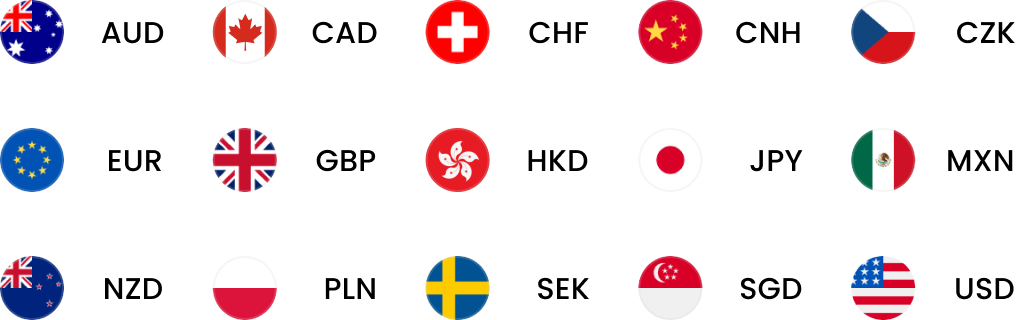
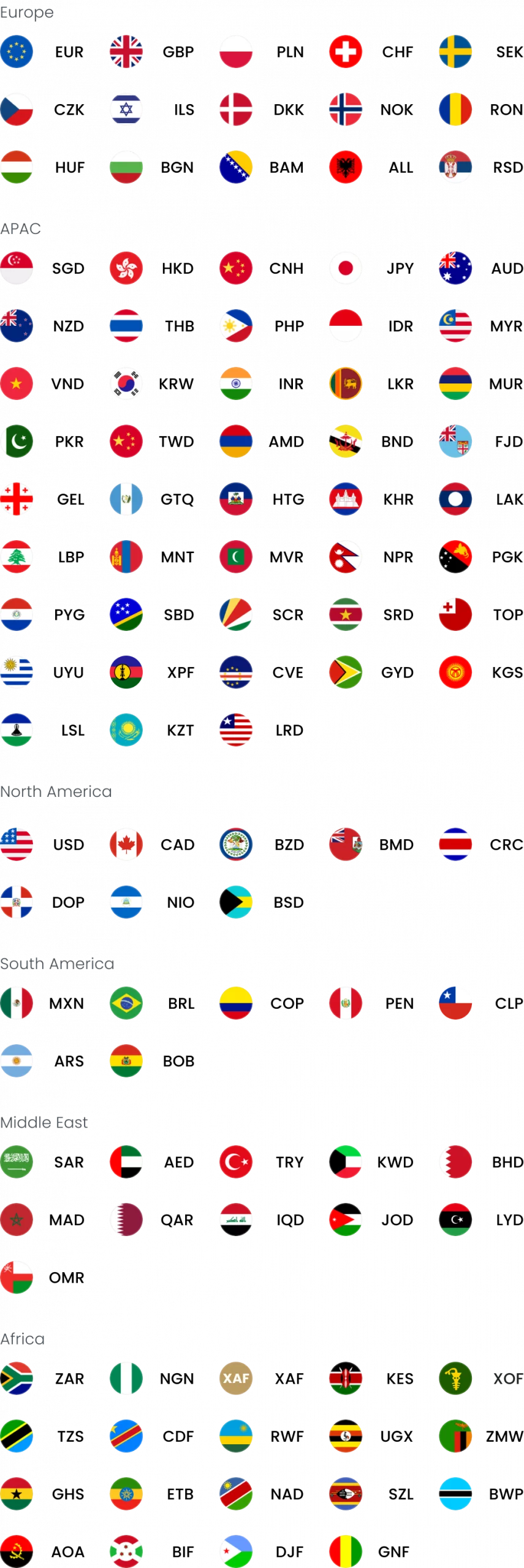
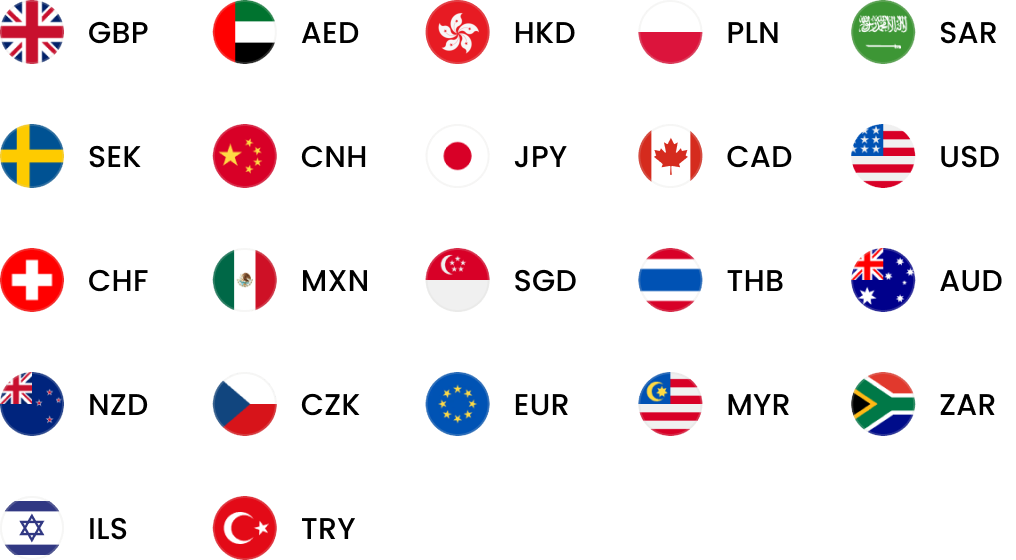
When you join WorldFirst, you get a World Account that lets you collect and hold funds in 20+ currencies. You can use your multi-currency business account to hold funds in suppliers’ preferred currencies and avoid extra conversion fees.
For instance, you can avoid double conversion fees when making payments to China by holding funds in CNH or USD. And because WorldFirst has exclusive connections with a network of local Chinese banks, you can also use those funds to make secure same-day payments to China in USD.
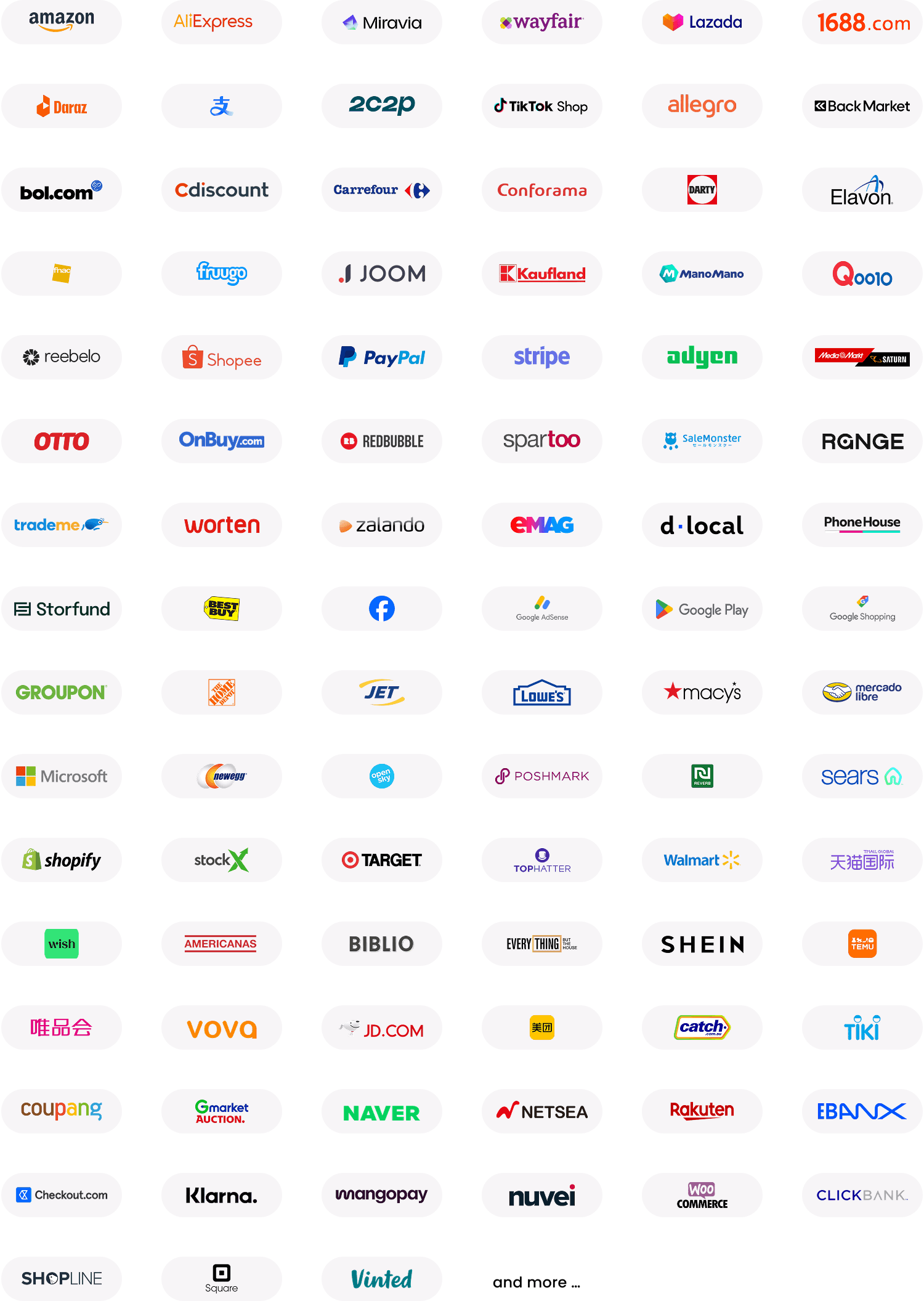
You can also use your World Account to collect payments directly from platforms like Amazon and TikTok Shop in your preferred currencies, then use them to pay expenses directly without withdrawing or paying additional conversion fees.
If you do need to convert funds, FX rates are capped at 0.5% for major currencies, and rates are low and transparent for all other currencies. With WorldFirst, it’s free to hold multiple currencies, so you can wait to exchange when rates are favourable and take advantage of market shifts to target better deals.
What’s more, there are no fees to receive or hold funds in your multi-currency account, plus no annual fees, no monthly fees and no setup fees. You can also take advantage of additional payment savings with free instant transfers to other World Account users.
Read more: The best way to pay Chinese suppliers: A guide for cross-border businesses
2. Use firm orders to target a specific exchange rate and let us watch the market for you
While forward contracts can protect your margins on future payments, firm orders let you automate conversion at your desired FX rate. If there’s a specific exchange rate you want, but you don’t have the time or resources to keep an eye on the market, use a firm order to let us do it for you.
With a firm order, you set a target rate and amount for a currency exchange, and designate an expiry time and date. When the rate hits the level you want, the trade executes automatically.
A firm order means you can focus on your business, while we watch the market for you – 24 hours a day, seven days a week.
3. Pay zero FX fees when you use your World Card to pay in 15 currencies from your World Account balance
For one more way to save on currency conversion costs, use your World Card to pay. When you open a World Account, you can issue up to 20 virtual World Cards for free.
With a World Card, you pay zero FX fees when you pay in 15 major currencies from your World Account balance. There’s no need to worry about conversion costs, since you’re already holding and paying in the target currency.
Plus, pay in 150+ currencies to 210+ destinations, and even pay in person in China with Alipay+. You’ll also receive up to 1.2% unlimited cashback when you use your World Cards to pay business expenses.
Use your World Card to pay online wherever Mastercard is accepted. Digital wallet integration and physical cards are coming soon.
Read more: How a multi-currency virtual card helps your business grow
How to open a World Account
To open a World Account and start protecting your margins with FX tools:
- Navigate to the World Account Sign up page
- Enter your personal and business details
- Upload your verification documents
- Set your account requirements
- Once your account is approved, log in to your World Account dashboard and click on the Foreign Exchange Tab (or Payments > Book FX Trade) to book your forward contract, or get in touch to discuss your options
Need extra help opening an account? See our official Help Centre guide.
3 key considerations when using forward contracts
Before booking a forward contract, make sure you understand the following:
1. Forward contracts mitigate risk, but don’t always guarantee the best rates
The advantage of using a forward contract is that it protects you in case the market moves unfavourably. But a forward contract isn’t necessarily designed to get you the best possible exchange rate.
If a currency moves in your favour after you’ve committed to a forward contract, you won’t be able to benefit from the change in market rate. Remember, a forward contract is a legally binding document.
2. Firm orders or spot contracts may get you faster speeds or better deals on currency exchange
If you’re trying to get the best possible deal on currency exchange, a firm order may make more sense for your business. With firm orders, we watch the market and trade when it hits the rate you want.
If speed is your priority, use a spot contract to act instantly on a favourable live market rate, and settle your transfer on the same day or next working day.
Log in to your World Account and select a currency exchange pair to see the current live rate displayed. It’s refreshed every 10 seconds, and all fees are displayed upfront, so you always know exactly what you’re paying.
3. There are some risks involved in forward contracts, including margin calls
Before pre-booking any foreign currency trade, you need to be clear on your business objectives. Uncertainty can mean going over budget or taking on unnecessary risks. Discuss your requirements and potential currency risks with your finance team before committing.
One risk to be aware of with forward contracts is the possibility of a margin call. A margin call is a request for additional funds to top up your deposit percentage. This can occur when the exchange rate moves significantly after you’ve already booked your forward contract.
For example, say you book a £500,000 forward contract to buy euros to pay a supplier in Spain. If the euro is at £1.15, you might be asked to place a 5% deposit (£25,000) in order to secure the rate. If the euro later strengthens to £1.20 and your deposit no longer covers the exposure, WorldFirst may issue a margin call asking you to top up around £11,500 to restore your deposit.
Get an in-depth look at this example: Margin call explained
Get a forward contract today with World First
Forward contracts are a powerful way to protect your business from currency volatility and plan with confidence. They can give you the certainty you need to budget for large payments and protect your overseas revenue.
With a multi-currency World Account, you get simple, convenient booking and dedicated customer support. We also give you even more ways to manage funds and hedge against currency risk.
Open a World Account now to start safeguarding your margins.
Frequently asked questions (FAQs)
How does a forward contract help businesses hedge against foreign exchange risk?
A forward contract allows you to lock in a specified price or forward rate for a future currency transaction. By fixing the foreign exchange rate today, you can protect your profit margins from market volatility and price fluctuations, ensuring predictable costs for international payments.
Are forward contracts the same as futures contracts?
While both are used for hedging against changes in foreign exchange rates, futures contracts are standardised contracts traded on a stock exchange and managed through a clearinghouse. Forward contracts, on the other hand, are over-the-counter (OTC) agreements made directly between two parties, offering you more flexibility in contract size, expiration date and underlying asset.
What is counterparty risk in an over-the-counter forward contract?
Because forward contracts are OTC agreements rather than exchange-traded, they carry counterparty risk: the possibility that one party may fail to fulfil the agreement at maturity. Working with a regulated financial institution like WorldFirst can help reduce this risk, as all contracts are backed by strong compliance and risk management oversight.
What should businesses consider before entering a forward contract?
Before locking in a contract price, assess your risk management goals, expected cash flow and tolerance for potential losses if market conditions move in your favour. It’s also important to understand any upfront deposit requirements and how a margin call could affect your liquidity if exchange rates shift significantly.