




























Home > blog > International Transactions > How to send money internationally for global business payments: 5 options to know
How to send money internationally for global business payments: 5 options to know
Last update:


Choosing the right way to send money internationally can have a big impact on your business. The right payment method can help you cut unnecessary fees, pay suppliers faster and keep your global operations running smoothly.
In this guide, we’ll cover five ways to send international payments, along with the key factors to consider when choosing the best option for your business.
We’ll start by explaining why our multi-currency World Account is often the smartest choice for businesses that operate across borders. Then we’ll look at four alternative methods and where they may (or may not) make sense.
Read on to learn:
- Why businesses use WorldFirst to send money internationally
- How to send money internationally: 4 alternative methods
- What to consider when choosing an international payment method
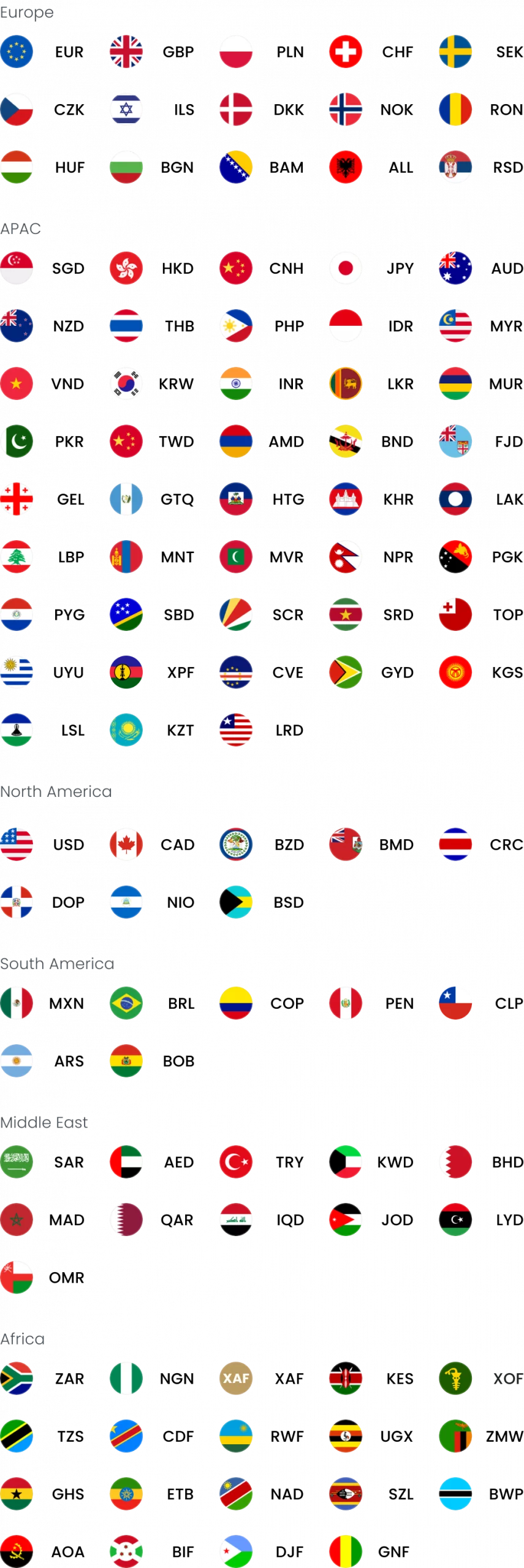
WorldFirst lets you send money in 100+ currencies to 210+ countries and territories quickly and cost-effectively. Sign up for our World Account today for free.
Why businesses use WorldFirst to send money internationally
WorldFirst is a global payments platform and multi-currency account provider with more than 20 years of experience supporting international businesses. To date, almost 1.5 million businesses have used us and our partner brands to move over $500 billion worldwide.
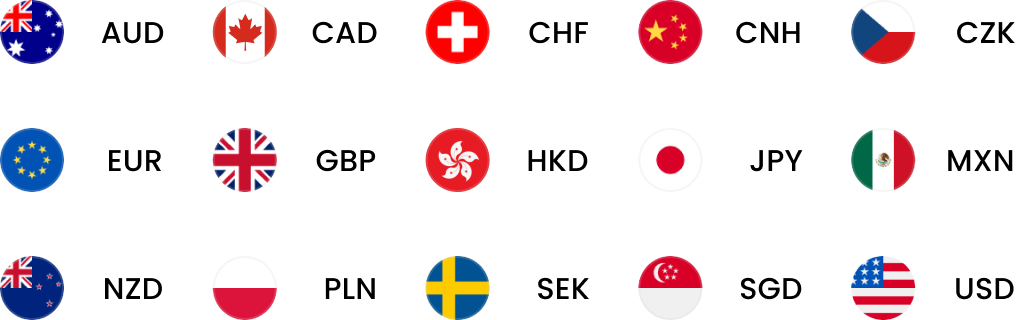
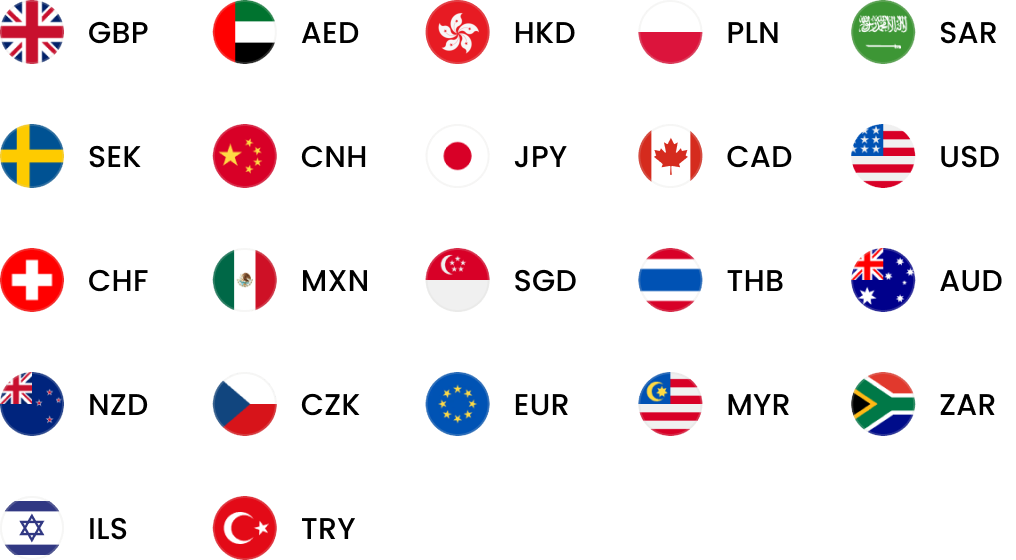
With a World Account, you can hold and receive funds in 20+ currencies at the same time, then use those balances to send money in 100+ currencies to 210+ countries and territories. You can open and manage your account completely online, with no branch visits, no local presence requirements and no lengthy paperwork required.
We also charge no setup fees, no monthly maintenance fees and no fees for receiving payments. You only pay when you convert currency or make a payment – a key difference from many traditional banks and fintech platforms that charge monthly subscriptions or onboarding fees.
Here’s what else sets WorldFirst apart:
Make faster, more affordable payments to global partners
Traditional international payments often rely on the SWIFT network, which passes transactions through multiple intermediary banks. Each intermediary can add delays, deductions and unexpected fees that make final costs unpredictable.
WorldFirst uses local payment networks instead of SWIFT wherever possible, significantly reducing the time and cost of paying global business partners. In most instances, we enable same-day and next-day payments, with around 90% of transfers arriving within the same day.
Using local networks also means you can bypass the unpredictable fees that intermediary banks may charge. WorldFirst’s pricing is upfront and transparent, consisting of flat fees for payments and conversion fees capped at 0.5% for major currencies. Payments over $5,000 are fee free. This keeps your costs low and more predictable than traditional banks.
Read more: Multi-currency payments: How to manage business transactions across borders?
Take control of currency conversions and exchange rates
When you’re sending money from a balance you currently hold, you also avoid conversion fees on every transaction. With traditional providers, you’re often forced to convert currency every time you make a payment, paying not only a conversion fee but also an exchange rate markup. Those costs add up quickly.
With a multi-currency account, you can:
- Convert funds to destination currencies when exchange rates are favourable
- Hold that foreign currency balance for as long as you need
- Use that balance to send money online, avoid further conversion fees and unpredictable exchange rates
In short, having a multi-currency business account gives you control over when you convert rather than being forced to convert with every payment.
Read more: Foreign exchange risk management: How to make international business more affordable
Strengthen international supplier relationships with reliable payments built for business use cases
Paying international suppliers on time isn’t just good practice – it can directly affect your pricing and negotiating power.
WorldFirst helps businesses build stronger supplier relationships by offering:
- Same-day or next-day payments through local payment rails
- Local account details that reduce friction and payment rejections
- Batch payments, enabling you to make up to 200 international payments at once
If you’re sourcing from China, WorldFirst offers even more advantages.
WorldFirst lets you make direct USD payments to banks in Mainland China and Hong Kong, thanks to our partnerships with 50+ local banks.
We’re also the only provider with a direct integration with 1688.com, China’s leading wholesale marketplace, where products are often 40% lower in cost than other marketplaces. This feature lets you instantly pay over 10 million Chinese suppliers right from your World Account, a major advantage when sourcing at scale. Plus, 150,000+ Chinese suppliers also use WorldFirst, which makes transfers between your World Account and theirs free, and instant.
Read more: The best way to pay Chinese suppliers: A guide for cross-border businesses
Integrate international payments with your business operations
With a World Account, you can do more than just send money internationally.
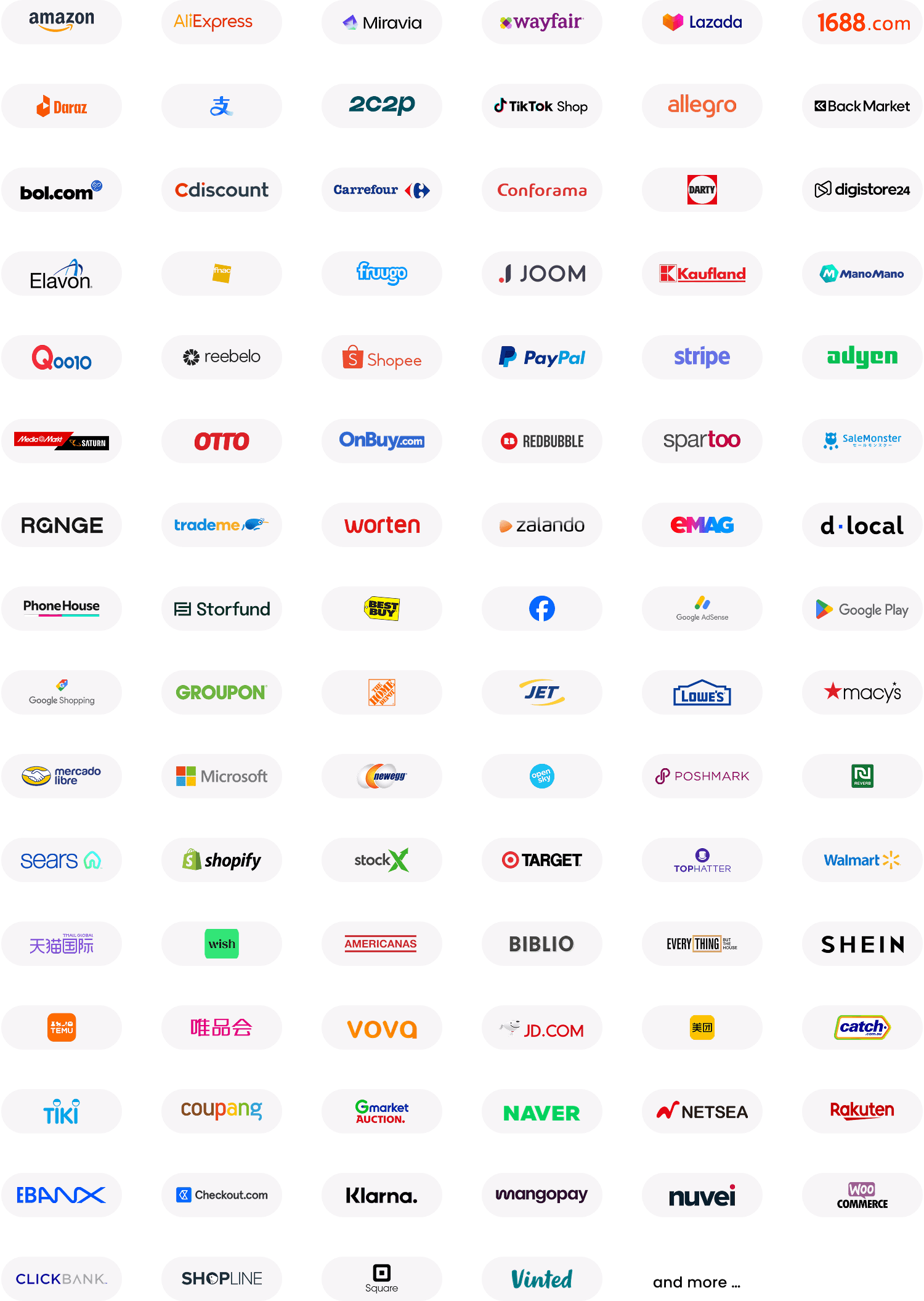
You can directly connect your account with 130+ platforms, including Amazon, TikTok Shop and Shopify. This lets you collect international revenue and pay suppliers from the same platform, eliminating the need to juggle multiple banking relationships.
Accounting software integrations with Xero and NetSuite automatically reconcile international transactions, reducing manual bookkeeping for businesses managing multiple currencies. Real-time transaction data flows directly into your accounting system, making tax compliance and financial reporting significantly easier.
Meanwhile, you can also use our team management features to:
- Assign payment permissions
- Set spending limits
- Maintain full visibility across all international activity
All of these features are available to you via a single, easy-to-use dashboard.
Read more: How to pick the best online business bank account (12 options)
How to send money internationally: 4 alternative methods
While WorldFirst is designed for regular cross-border business payments, there are other ways to make an international money transfer.
Whichever method you choose, the information you need to provide can vary depending on the destination country and currency.
Just as with local transfers within the United Kingdom, you’ll typically need the recipient’s full name, bank account number and sort code. International payments may also require details such as a BIC/SWIFT code, International Bank Account Number (IBAN) and, in some cases, extra information like the recipient’s city or phone number.
With that in mind, here are four common alternatives businesses use to send money internationally:
1. Traditional bank transfers
Most established banks offer international wire transfers through the SWIFT network, with money sent directly from your current account. These transfers are widely accepted, secure and familiar to most businesses. However, they’re also often slow and expensive:
- Transfers typically take 1–5 working days or more
- Payments may pass through multiple intermediary banks
- Transfer fees can be unpredictable, with extra deductions along the way
- Exchange rate markups are often 2–4%
Wire transfers are best suited for large, one-off transactions where speed and cost are less important than using an existing bank account. This makes them less practical for companies that need to make frequent international payments or operate with tight cash flow requirements.
2. Online money transfer services and platforms
Platforms like Wise and Remitly have gained popularity by offering faster transfers and better exchange rates than traditional banks. These services typically use the mid-market rate plus an upfront fee, making costs more predictable than traditional wire transfers.
Most online money transfer services are designed primarily for personal use, with limited business features and low transfer limits. This makes them best for small, infrequent business transfers rather than ongoing international operations.
3. Cryptocurrency transfers
Cryptocurrency payments can settle quickly and bypass traditional banking systems entirely. But there are drawbacks:
- Extreme price volatility
- Complex accounting and tax implications
- Technical barriers for both sender and recipient
- Limited supplier acceptance and regulatory uncertainty
While some forward-thinking companies use cryptocurrency for specific transactions, it remains a niche solution rather than a practical alternative to traditional payment methods.
4. Foreign exchange brokers
Specialist FX brokers offer personalised service and competitive exchange rates for large transfers, typically requiring minimums of £25,000 or higher. These brokers can provide valuable market insights and hedging tools for businesses making substantial international payments.
FX brokers often negotiate better rates than banks for large transactions and may offer forward contracts to lock in favourable exchange rates for future payments. They’re particularly useful for businesses making large one-time payments like property purchases or major equipment acquisitions abroad.
Brokers often lack the comprehensive business features and account management capabilities of modern fintech solutions. They typically don’t offer local account details, marketplace integrations or the digital tools that growing businesses need for day-to-day operations.
What to consider when choosing an international payment method
Not all payment methods suit every business. Before choosing a provider, consider the following:
- Transfer frequency and volume. One-off payments can often be handled by consumer platforms, but if international payments are part of your growth plans, it pays to invest in a scalable solution from the start
- Speed requirements. Consider the business impact of payment delays when comparing cost savings against speed requirements. Urgent supplier payments may require same-day capabilities that only local payment rails and digital platforms can provide
- Currency and geographic needs. Businesses trading in major currencies have the most payment options, while those dealing in emerging market currencies may be limited to specialised providers. Evaluate which currencies you need now and which you might need as you expand.
Considering these factors will guide you to a payment method that works today and can scale with you as you expand globally.
Read more: What’s the best way to send money overseas? 7 top options for businesses
Simplify international payments and scale with confidence
Sending money internationally doesn’t have to be slow or expensive. By choosing the right payment method, you can cut unnecessary costs, pay suppliers faster and build smoother global operations.
For businesses trading across borders regularly, a multi-currency business account offers the flexibility and control that traditional banks and consumer-focused platforms often can’t. With WorldFirst, you can hold and manage multiple currencies, send money to 210+ countries and territories and avoid hidden fees – all from a single, easy-to-use platform.
Ready to make payments simpler and more cost-effective? Open a World Account for free today and start sending money internationally.
Continue reading


Subscribe
The Weekly Dispatch
Get the latest news and event invites. Signup for our weekly update from the worlds of fashion, design, and tech.