





























Home > blog > International Transactions > Bank identifier code (BIC) vs SWIFT code: A guide for international businesses
Bank identifier code (BIC) vs SWIFT code: A guide for international businesses
Last update:


If you’re expanding your business internationally or making payments overseas, chances are you’ve been asked for a BIC code or SWIFT code at least once.
These alphanumeric codes are essential for traditional international wire transfers, serving as unique identifiers that help banks route money across borders. But while BIC and SWIFT codes are important, they’re also tied to a system that can be slow, expensive and more complicated than many businesses realise.
In this guide, we’ll explain what BIC/SWIFT codes are, when you need them and how to find your bank’s BIC/SWIFT codes.
We’ll also look at why SWIFT transfers aren’t always the best option for international payments – and how a World Account from WorldFirst can help you bypass some of the costs and delays by using local payment rails instead.
Read on to learn:
- What bank identifier codes and SWIFT codes are
- How BIC/SWIFT codes are structured
- When you need BIC/SWIFT codes
- How to find BIC and SWIFT codes
- The hidden costs and delays of SWIFT transfers
- How WorldFirst’s multi-business account simplifies international business payments
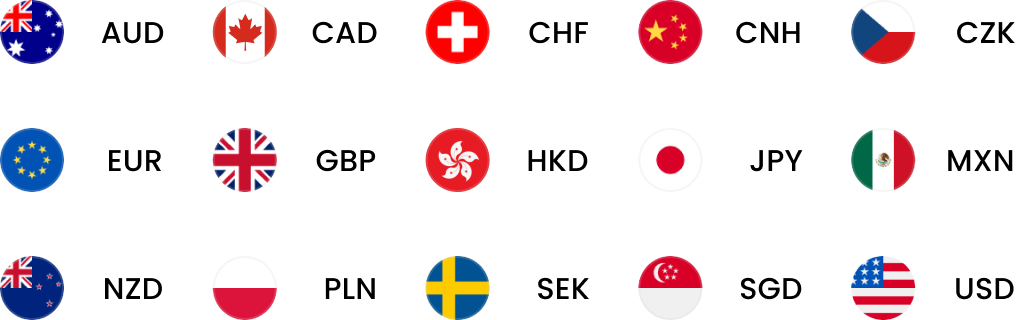
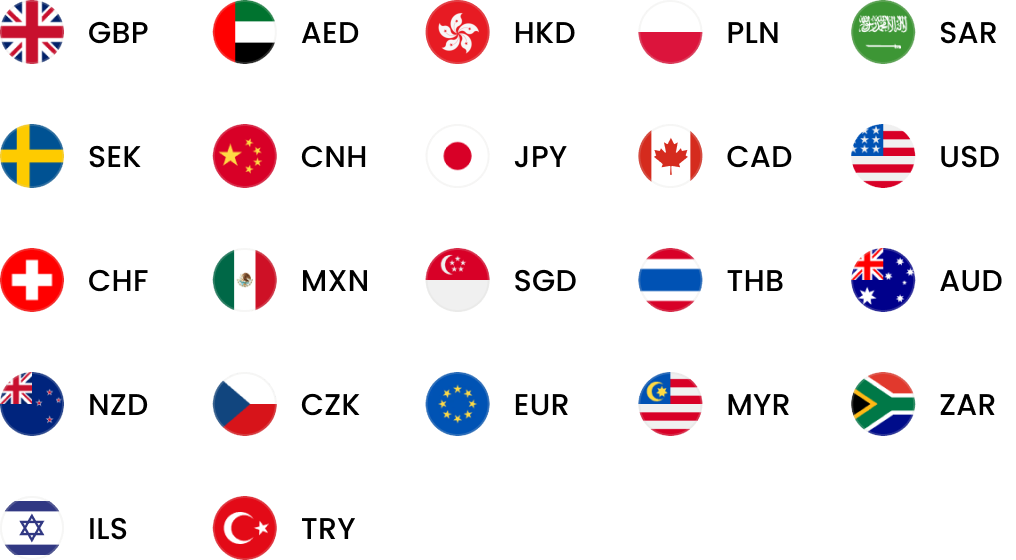
Ready to simplify your international payments? Open a World Account for free and get local account details in 20+ currencies.
What are bank identifier codes and SWIFT codes?
BIC (Bank Identifier Code) and SWIFT codes are two names for the same thing.
They’re unique 8–11 character codes that identify a specific bank (and sometimes a specific branch) in the global financial system. When you send an international wire transfer, banks use these codes to figure out exactly where the money needs to go.
A good way to think about this code is like a postal code for banks. Without the right code, your payment can get delayed, rejected or sent back entirely.
The term SWIFT comes from the organisation behind the system: the Society for Worldwide Interbank Financial Telecommunication. It was created in the 1970s to standardise how banks communicate with each other about payments.
Today, BIC/SWIFT codes form the backbone of traditional international wire transfers. They’re secure and accepted almost everywhere. But they’re also tied to an older banking infrastructure that wasn’t built for the speed or transparency modern businesses expect.
How BIC/SWIFT codes are structured
At first glance, a SWIFT code can look pretty random, but each part has a specific meaning. Here’s how it works:
- Characters 1–4 represent the bank code. This is usually an abbreviated version of the bank’s name. For example, BOFA for Bank of America
- Characters 5–6 are the country code. These are based on ISO country codes, like AU for Australia, US for the United States or GB for Great Britain
- Characters 7–8 indicate the location code. This identifies where the bank’s head office is located
- Characters 9–11 refer to the branch code and are optional. If these are omitted or shown as XXX, the code refers to the bank’s main office
An example code would be CTBAAU2S, which breaks down to Commonwealth Bank (CTBA) + Australia (AU) + Sydney location (2S).
Some banks have multiple BIC/SWIFT codes for different services or regions, so always double-check you’re using the right code for your specific account and transfer type.
When do you need BIC/SWIFT codes?
While you don’t need a SWIFT code for every payment, some situations require them:
- International wire transfers. If you’re sending money from one country to another via a traditional bank transfer, the recipient bank’s SWIFT code is required
- Some high-value domestic transfers. In certain banking systems, SWIFT codes may be used even for domestic transfers, especially for large amounts
- Online marketplaces and payment platforms. Some global platforms ask for BIC/SWIFT codes when setting up international payouts, especially if they rely on traditional banking rails
If you’re regularly moving money across borders, these requests can add friction, especially if every new payment setup involves chasing down the right codes.
How to find BIC and SWIFT codes
If you do need a BIC/SWIFT code, there are a few ways to find it:
- Check your bank statements. BIC/SWIFT codes are typically printed alongside your account details on monthly statements or online banking summaries
- Log in to your online banking portal. Most banks list their SWIFT codes in the account information section of their online platform or mobile app. Look for sections labelled “International payments” or “Account details”
- Call your bank directly. Your bank’s customer service team can provide the specific BIC/SWIFT code you need
- Use online BIC/SWIFT lookup tools (with caution). Several websites offer SWIFT code lookup services, but always verify codes directly with your bank before making transfers
If someone is sending you money, it’s best to give them the correct code directly rather than asking them to look it up themselves. One small error can mean delays, extra fees or a failed transfer.
The hidden costs and delays of SWIFT transfers
The SWIFT network connects more than 11,500 financial institutions across 200+ countries and territories. It’s reliable and secure – but it also comes with some drawbacks for businesses.
Here’s why SWIFT transfers can be frustrating:
- Multiple intermediary banks. Your payment often passes through one or more correspondent banks before reaching its destination. Each stop adds time and often fees
- Slow settlement times. International wires can take up to six business days, sometimes even longer
- Layered fees. You may face sending fees, receiving fees, intermediary bank charges and currency conversion markups
- Uncompetitive exchange rates. Currency is often converted at each bank’s rate, which typically includes a markup over the mid-market rate
- Limited processing windows. SWIFT runs on older, batch-based systems that operate during local business hours. Time zones, weekends and holidays all slow things down
For businesses making frequent cross-border payments, these delays and unpredictable costs can add up quickly, ultimately affecting cash flow, supplier relationships and even your ability to negotiate better terms.
Read more: What’s the best way to transfer large sums of money internationally?
How WorldFirst’s multi-business account simplifies international business payments
The good news is that you don’t have to rely on SWIFT for everything. There’s a faster, more affordable way to make payments: by using local account numbers.
That’s exactly what a World Account offers. Instead of sending money through international wire transfers every time, you can make and receive payments as if you had domestic accounts in multiple countries, all from a single multi-currency platform.
WorldFirst has been supporting international businesses for over 20 years, processing more than $500 billion in transactions for over 1.5 million customers. Here’s how we make it easier for your business to get paid and make payments overseas.
Get local account details in 20+ currencies for faster payments
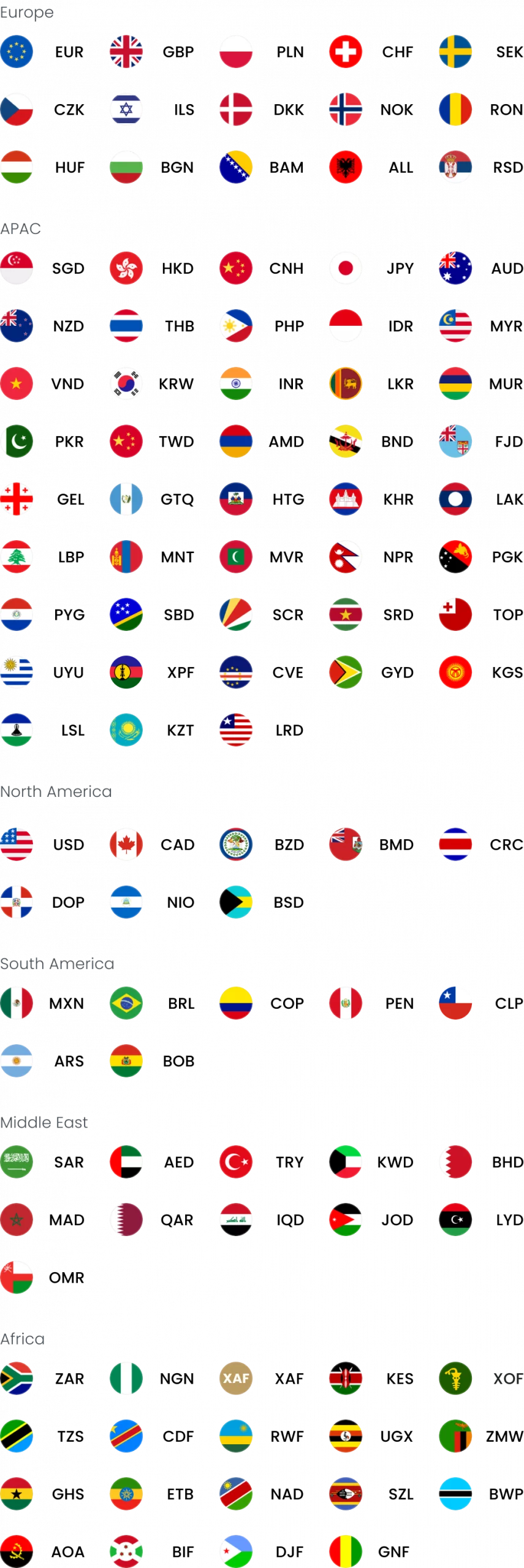
With a World Account, you can get local account details (account numbers, sort codes, IBANs etc.) and hold more than 20 currencies at once.
That means overseas customers or marketplaces can pay you using local bank details just like they would with a domestic payment. No more relying on complex SWIFT wires for every international transfer. You can use WorldFirst to get paid faster and avoid unnecessary fees along the way.
On the sending side, you can pay suppliers in over 100 currencies using local payment rails, cutting out delays and extra fees from intermediary banks.
In practice, this means 80% of payments arrive the same day. Plus, real-time tracking shows exactly where your money is, giving you peace of mind and freeing you from the uncertainty of invisible banking chains.
Read more: How to choose a multi-currency business account (+ 6 options)
Leave behind hidden SWIFT costs with WorldFirst’s transparent pricing
SWIFT transfers often sneak extra costs into the process, whether it’s sending fees, intermediary charges or currency markups.
With a World Account, the pricing is upfront and transparent. There are no setup fees, no monthly maintenance charges and no hidden intermediary bank deductions. You only pay when you make a payment or convert currency, and the fees are clearly displayed.
Currency conversion is done at competitive rates, with conversion fees capped at 0.5%. On top of that, you can make use of our advanced FX tools, including:
- Forward contracts to lock in rates for up to two years
- Firm orders to automatically convert funds at target exchange rates
- Spot contracts for immediate conversions at live market rates
Read more: Foreign exchange risk management: How to make international business more affordable
Extra advantages for businesses paying Chinese suppliers
If you work with suppliers in China, WorldFirst offers several additional advantages.
Through our banking partnerships, you can make direct USD payments to banks in China and Hong Kong using local payment rails. Around 90% of these transactions arrive the same day, bypassing the delays that come with international wires.
We also offer a direct integration with 1688.com, China’s leading wholesale marketplace with over 10 million suppliers and competitive pricing that’s often up to 40% lower than other marketplaces.
Our integration lets you pay suppliers instantly in CNH from your World Account balance, which gives your business the speed and flexibility to operate efficiently in one of the world’s most important sourcing markets.
Bank identifier codes or SWIFT codes are important – but not your only option
BIC and SWIFT codes remain essential for traditional banking relationships and certain regulated transactions. If you’re working with banks that only offer SWIFT transfers, you’ll need these codes to move money internationally.
The good news is you can bypass much of the complexity, cost and delays of SWIFT transfers by choosing payment platforms designed for international business operations.
With a World Account, you get local account details in 20+ currencies and receive payments faster via local payment rails. More than that, our platform makes it easy to pay overseas partners. Send money in 100+ currencies to 210+ countries and territories via faster, more affordable local networks wherever possible.
Register for a World Account for free today and start using local account details instead of waiting for slow SWIFT transfers.
Continue reading


Subscribe
The Weekly Dispatch
Get the latest news and event invites. Signup for our weekly update from the worlds of fashion, design, and tech.