
























Converting website viewers into paying customers takes a bit of persuasion on multiple fronts. In this guide to online sales funnel strategy, we’ll run through all the tools you need to boost conversions wherever your customers are in the world
Every small business owner has a sales funnel, whether they are aware of it or not. If you’re scratching your head, wondering, “What is a sales funnel?”, don’t worry. Put simply, a sales funnel is the process of telling someone that your brand exists and taking steps to convert them into a paying customer.
Sales funnels are universal to all types of business, whether you are an e-commerce brand using Facebook advertising or a self-employed tradesman advertising on local radio — potential customers have to be ‘warmed up’ in some way before they buy. They have to understand who you are, where they can find you, and how you can help them — before they part with their hard-earned cash.
Therefore, the process of creating a successful sales funnel is crucial to keeping your business profitable, as well as scaling it up for growth.
This post will discuss online sales funnel strategy and explain how you can optimise and simplify the process to help boost sales and reach new markets.
- What is a sales funnel?
- Stage one: Awareness
- Stage two: Interest
- Stage three: Evaluation
- Stage four: Decision
- Stage five: Automation
- Stage six: Scale Up
What is a sales funnel?
As mentioned, a simple sales funnel makes people aware of who you are and allows them to buy from you.
But it’s not as straightforward as making a website, crossing your fingers, and hoping that internet users will stumble across your brand. You have to attract internet visitors to your site. This first stage in the sales funnel process is known as awareness-building.
Stage one: Awareness
Sources of online traffic can come from many different places: social media, search engines, news sites, and many more. Therefore, a good brand awareness campaign for any small business might consider strategies that attract internet users from all these different traffic sources. But in the main, search engines and social media are the best places to focus on first.
Setting up Google advertising, for both search and display, will help direct internet searchers to your website using specified keywords. This is the ideal route for making your first online sale, as you won’t have to do much to convince people to spend money with you — these users are already searching online for your products.
Social media ads should be next on your list in building brand awareness. You will want to target the sites where you think your audience will spend most of their time online. Facebook and Instagram both have dedicated marketplaces, so you can use their built-in algorithms to drive customers to listings you create.
Social media sites also share data with third-party competitor research tools like Buzzsumo. By looking up your competitors, you can determine what type of customers they attract and what other interests these audiences share. In the ad manager dashboard, you can then adjust your spend and create targeting strategies to make sure your ads are put in front of the kind of people who would be likely to buy from you, based on your demographic research.
To find information on ad targeting for international markets, head to Google Trends and use the location tools to geo-target your keyword search. SEMrush and similar keyword research tools can also help you observe international content trends, and help you find popular sites to target with display advertising.
Note: When investing in social media and search advertising, make sure you have a set budget to spend every day within these platforms. It’s vital that you see a return on your investment and that your site remains profitable even in the beginning stages of business.
For example, if your product costs £50 and your advertising only brings in one customer per day, make sure your total ad spend is less than £10 a day across all platforms.
Stage two: Interest
The next stage in making a sale is enticing people to stay and look around at what you have to offer. Your website and social media pages should look as inviting as possible and should provide all of the information a customer needs to make a purchasing decision.
- Make sure all of your product pages are up to date and include fantastic pictures of your goods.
- Link to an FAQ page, so you can help potential buyers with any objections they might have.
- Provide informative blog posts, so your customers can learn more about your industry and have more of a reason to come back and check out your website.
- Provide a free email newsletter to keep your customers up to date with your latest products and offers (more on email marketing later).
- Post regular updates on your social media. Create talking points to get your followers discussing your company.
- Consider including an offer for first-time customers or a refer-a-friend deal.
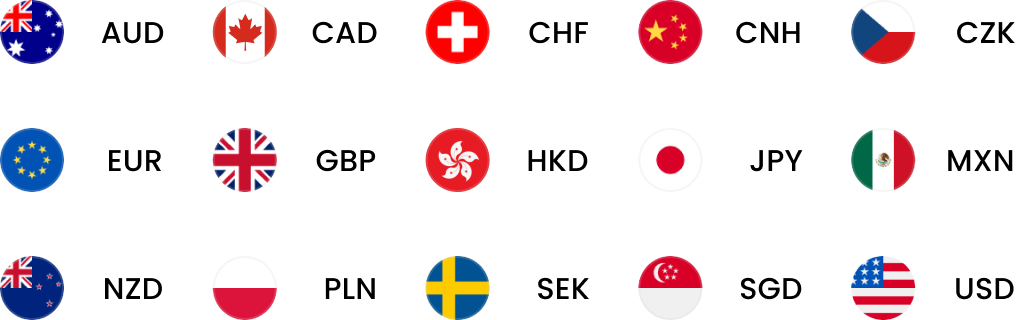
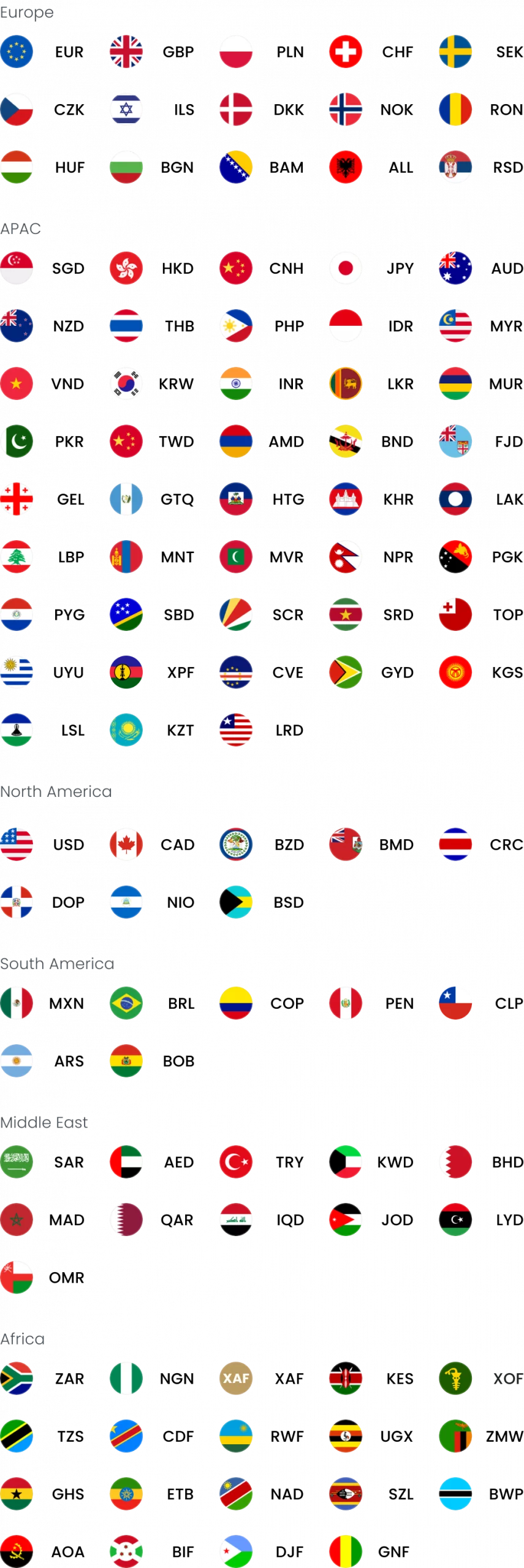
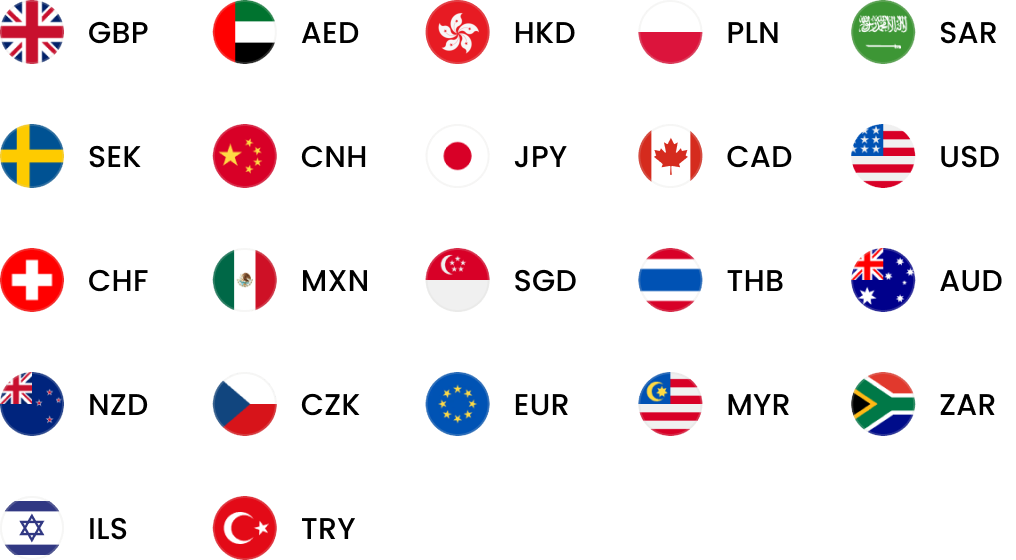
- If you want to expand to new international markets, make sure that you accept different currencies using a payment gateway like WorldFirst. One of the most significant factors affecting bounce rate in global markets is limited currency payment options. So, make sure you are doing all you can to persuade these buyers.
Stage Three: Evaluation
If you successfully drive consumers to your website and pique their interest when they get there, you can qualify them as a lead. In this third stage of the sales funnel, you need to present visitors with a great offer and capture their information.
As mentioned previously, email newsletters offer you the chance to create a direct connection to potential customers. Social media posts can get lost in a feed over time, but emails stay in people’s inboxes until they delete them. This is why email marketing can be one of the most effective ways to nurture potential customers, and why small business owners should look for ways to sign up as many people as possible.
Create a popup or newsletter sign-up form on your homepage, and you will always have the contact details of people interested in what you have to offer. From there, you can nurture these warmed-up leads with an offer or some crucial information to help them buy from you again.
Email marketing platforms like Mailchimp offer tools for collecting and segmenting email sign-ups. From there, you can create four or five-step automated workflows that will send out scheduled emails to help convert these leads into paying customers. An email marketing sales funnel might look like this:
- A visitor looks at your website and fills in your newsletter sign-up prompt
- An automated “Welcome” email is sent with some more information about your products
- Two days later, another email is sent automatically with a 10% discount code
- The customer makes a purchase, and you send a “Thank you” note offering a further 10% discount if they refer a friend
Email newsletters aren’t the only way to persuade site visitors to leave their details. You can also try sending links to informative PDFs, webinars, case studies, look-books, how-to guides, etc. You can then structure sales messages in additional emails based on the content, encouraging your readers to convert.
Note: Make sure you also segment your audiences into their countries of residence and ensure that you use a translator to tailor your marketing messages to suit these customers. With all email marketing, leave the lines of communication open so that potential customers can contact you if they have any questions.
Stage Four: Decision
Once you’ve captured the details of your audience and offered them free information to inspire them to buy, the last thing you have to do in your online sales funnel strategy is to get them to convert. At this stage, you have to create different scenarios and develop multiple ways to convince consumers to part with their money. For example:
- If a customer has placed some items in their basket but clicked off your page before buying, you can use an “Abandoned cart” email sequence to persuade them to complete the sale.
- If a customer has viewed a product page three times in the last 24 hours, send a set of retargeting ads on Facebook and Instagram to help them convert.
- If you want to convince a recently converted customer to buy additional refills, you can set up a tailored “Thank you” page with a link to the refill products page. You can send them a retargeted ad or email to remind them to get refills one month later.
- You can set up a “Tripwire” offer. This is where you present a time-limited discount or a low-cost supplementary item to help clinch the deal with your email newsletter sign-ups.
- Retarget a series of ads featuring glowing five-star reviews to help demonstrate that your products have positive social proof.
Stage five: Automation
Automated marketing (MarTech) tools can help you build up multiple sales funnels and run them automatically, so all you have to do is keep track of your ROI. Many free and paid-for MarTech tools can handle everything from scheduling social media posts to setting up high-converting email campaigns in minutes. And best of all, many also offer guides and templates which are proven to drive results. So, you can eliminate the guesswork when it comes to building highly effective sales funnels.
- GetResponse, for example, offers free marketing funnel automation tools for small businesses, including landing page templates, email marketing workflows, and more.
- ActiveCampaign offers automated personalisation tools that help you track and create tailored sales funnels to hook in buyers no matter where they are in the sales funnel. It will also help you manage your ROI.
- Zapier is an excellent third-party tool that can integrate all of your marketing channels with your e-commerce platform, so you can navigate all of the parts of the sales funnel from one dashboard and make adjustments wherever you need.
Stage six: Scale Up
Marketing automation of your sales funnels is almost essential if you want to expand into international markets. One of the most crucial aspects of nurturing leads through the sales funnel is targeting customers with the right sales messages at precisely the right times.
Research has shown that email users, for example, look at their inboxes at certain times of the day — namely mornings from 10–12 pm and between 5–6 pm in the early evenings. So, you want to ensure you have automated workflows that can serve ads in your customers’ preferred time zones. Mailchimp can power international email sends with just a few clicks.
IFTTT is another powerful third-party tool that can help you automate repetitive tasks like social media scheduling while you concentrate on building your business.
Next, you should look at using AI tools to help you automate your existing marketing workflows into multiple different languages to make sure that none of your messages are getting lost in translation. A service like LanguageWire is an excellent solution that combines AI translators and real-life editors who can help translate all content in your marketing funnels. You can connect this tool to your CRM database via API to make sure you offer international consumers excellent customer service.
International sales funnels powered by WorldFirst
Scaling up internationally requires a fast and reliable payment gateway that can handle multiple currency transactions all from one dashboard.