






























Home > blog > Global Business Tips > How to break into a new market: Actionable tips for expanding abroad
How to break into a new market: Actionable tips for expanding abroad
Last update:


Expanding into a new market can be a major opportunity for growth – but it’s not something to rush.
From understanding local customers to setting up operations and managing international business payments, expansion works best when it’s planned carefully. That way, you can reduce risk and establish a strong foothold in your target market.
Part of your preparation should involve thinking about how you’re going to manage different currencies, pay overseas partners and get paid in foreign markets. And that’s where we come in at WorldFirst.
With our multi-currency World Account, you can simplify international payments, reduce fees and gain better control over currency risk – making global growth more manageable from day one.
In this guide, we’ll cover:
- How to prepare your business for breaking into a new market
- 4 practical strategies to help you gain traction in a new market
- How WorldFirst supports international expansion by simplifying global payments
Make international payments easy by opening a World Account for free.
How to prepare your business for breaking into a new market: 8 steps
Before you start selling overseas, it’s worth stepping back to make sure your business, your offering and your operations are genuinely ready.
While there’s no single “right” way to do this, the steps below provide a practical framework to help you test your idea, reduce risk and set realistic expectations before you go live.
- Audit your business. Start with an honest assessment of where your business stands today. Perform a SWOT analysis (strengths, weaknesses, opportunities and threats) to identify what you’re ready to take on abroad and what might hold you back. Use this audit to clarify why you’re expanding and what success would look like.
- Define (and test) your USP. Your unique selling proposition might resonate strongly at home, but that doesn’t guarantee it will translate overseas. Outline your USP and conduct market research to see if your product will perform well in your target country. If not, you may need to adjust your positioning – or reconsider the market altogether.
- Complete a competitive analysis. A competitive analysis helps you understand who you’ll be up against and how crowded the market really is. Look at both direct competitors offering similar products or services and indirect competitors solving the same problem in different ways. This step often reveals gaps you can target, as well as areas where competition is intense and differentiation matters most.
- Create an expansion budget. International expansion often costs more than expected. Alongside obvious expenses like production and marketing, factor in shipping, warehousing, customs fees, taxes, localisation, legal or regulatory consulting and technology costs. Planning for these upfront helps avoid cash-flow pressure later.
- Set measurable goals: Define specific, measurable goals tied to your expansion. This could include revenue targets, customer acquisition numbers, distribution partnerships or market share benchmarks. Refer to your thorough market research and competitive analysis to keep these goals realistic.
- Cement your logistics plan: If you sell physical products, logistics can make or break your expansion. Decide how inventory will enter and move within the market, where it will be stored and how returns or customer service issues will be handled. Delivery expectations vary, so look for ways to keep shipping times and costs competitive.
- Localise your online presence: Your digital presence should feel native to the market you’re entering. This means more than just translating your website. You’ll need localised product descriptions, pricing in local currency, region-specific payment options and culturally relevant messaging. If applicable, set up local marketplace accounts and ensure packaging and compliance requirements are met.
Launch and track results: Once everything is in place, go live – but this is where the real work starts. Track key performance indicators (KPIs) such as sales, conversion rates, customer feedback and operational costs. Early data will tell you what’s working, what’s not and where adjustments are needed to improve performance in the new market.
4 practical strategies to help you gain traction in a new market
Preparation is essential for ensuring operations run smoothly in your new market – but momentum matters too. These four strategies can help you establish credibility, build relationships and grow faster in a new space.
Strategy 1: Follow existing customers into new markets
While foreign expansion represents a fresh start, it’s also a lot of work. Overseas consumers have different cultural traditions, prefer different brands and have different shopping habits. It can be daunting to make connections and build relationships in new markets.
One effective way to reduce uncertainty is to follow your current customers into new markets. For example, if an existing client opens operations in another country, supporting them there can give you early access to local networks, partners and decision-makers – and early credibility in an unfamiliar market.
Some businesses actively align their expansion strategy with key customers for exactly this reason. It’s a lower-risk way to test demand before committing fully.
Strategy 2: Build local relationships through events and partnerships
If you don’t yet have strong local connections, you’ll need to create them. In-person events remain one of the most effective ways to build trust and accelerate relationship-building in new markets.
For companies expanding internationally, this presents two clear opportunities: attend existing events and host your own.
Attending industry conferences, trade shows and meet-ups can help you meet potential customers and partners face to face and gain insight into local market dynamics. Meanwhile, hosting smaller events, such as workshops or roundtables, can position your business as a knowledgeable partner and help you build credibility early on.
Strategy 3: Prioritise customer experience (CX) to build trust abroad
When entering a new market, customers are often unfamiliar with your brand, products or services. It can be difficult to convince them with features alone, so focus on creating an easy and supportive experience at every touchpoint. This includes responsive support, clear communication and making it easy for new customers to find and understand your offering.
A strong customer experience (CX) differentiates your business and helps establish credibility quickly. Simple steps – like clear onboarding, responsive support and localised FAQs – can reduce friction for first-time customers and increase confidence in your brand.
Every interaction counts, from how customers discover your website to how easily they can pay or get help. Consistently meeting expectations builds loyalty, referrals and the social proof you need to scale.
Strategy 4: Bring in local and global expertise to reduce risk
International expansion comes with regulatory, cultural and operational complexity. Bringing in experienced advisors – such as market entry consultants or regional marketing specialists – can help you avoid costly mistakes.
Experts can support everything from pricing and positioning to partner selection and go-to-market strategy. Getting the right guidance early often pays for itself in smoother launches and faster traction.
How WorldFirst supports international expansion by simplifying global payments
Expanding into new international markets comes with plenty of opportunities – but also financial obstacles. Moving funds across borders, converting currencies and making and receiving payments in foreign markets can get complicated fast.
Typically, businesses rely on banks to handle cross-border payments, but wire transfers are often slow, costly and lack transparency. Third-party payment services can be faster, yet their fees are sometimes unpredictable and exchange rates may not be favourable.
This is where WorldFirst comes in.
We’re a global payments platform and multi-currency account provider that has been operating for over 20 years. Our World Account is an all-in-one multi-currency business account designed to help businesses collect, hold, pay, and manage multiple currencies from a single platform.
Here’s how it works:
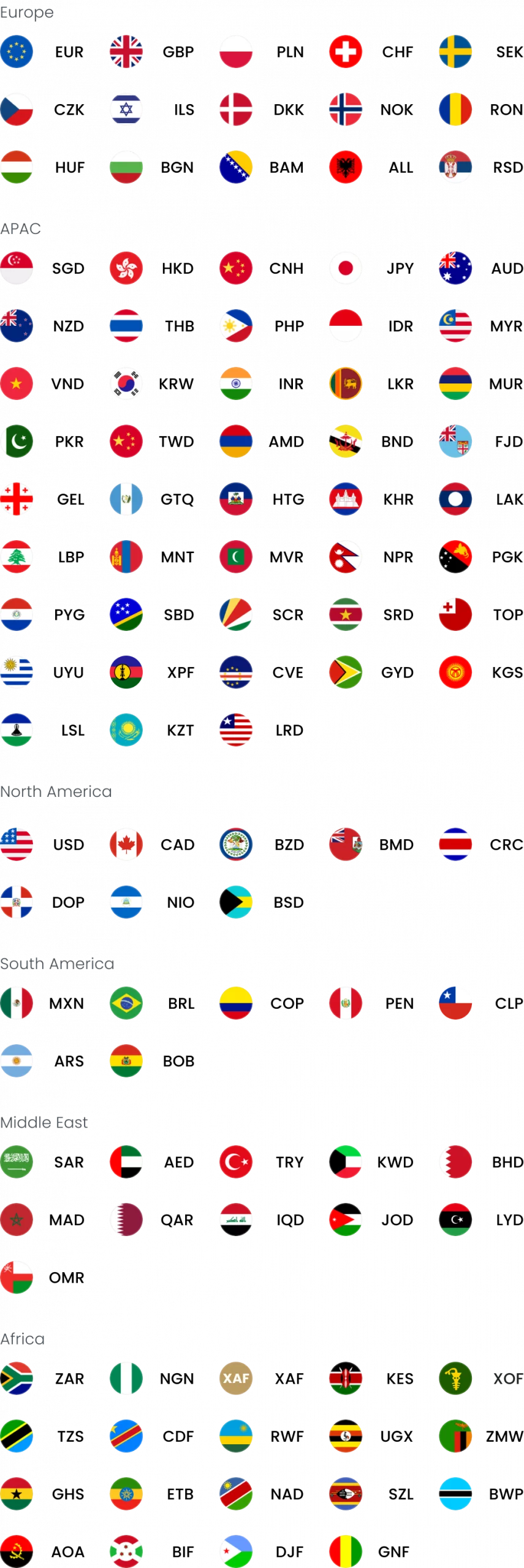
Hold and manage funds in 20+ currencies – all online
A big hurdle for businesses expanding internationally is managing payments across multiple currencies. Without local accounts, receiving funds from overseas customers or marketplaces often involves extra fees, slow transfers and complicated reconciliation.
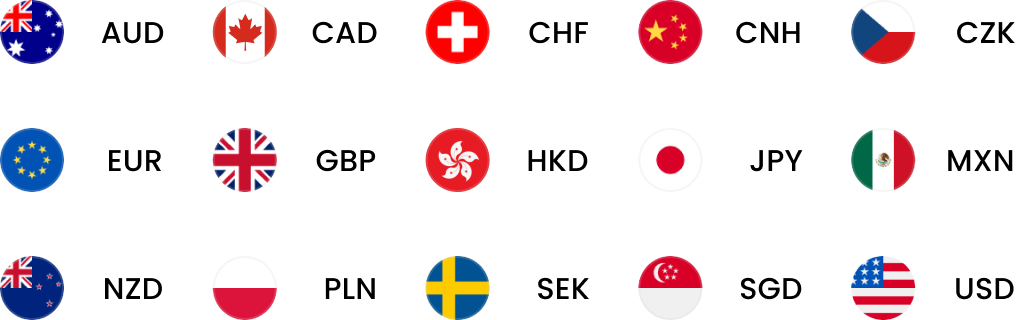
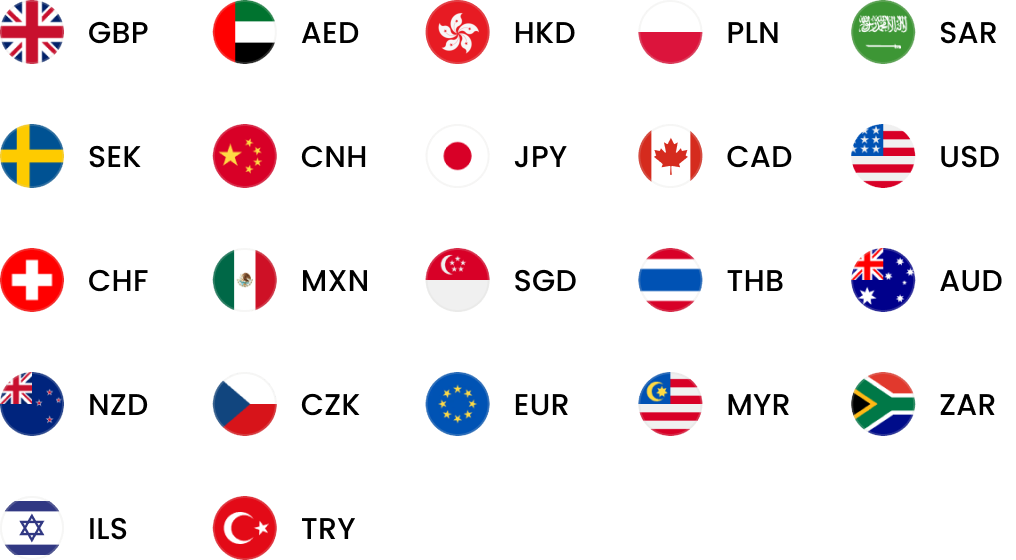
But with a World Account, you can hold and manage money in over 20 currencies, including USD, GBP, EUR, CNH, AUD, JPY and more.
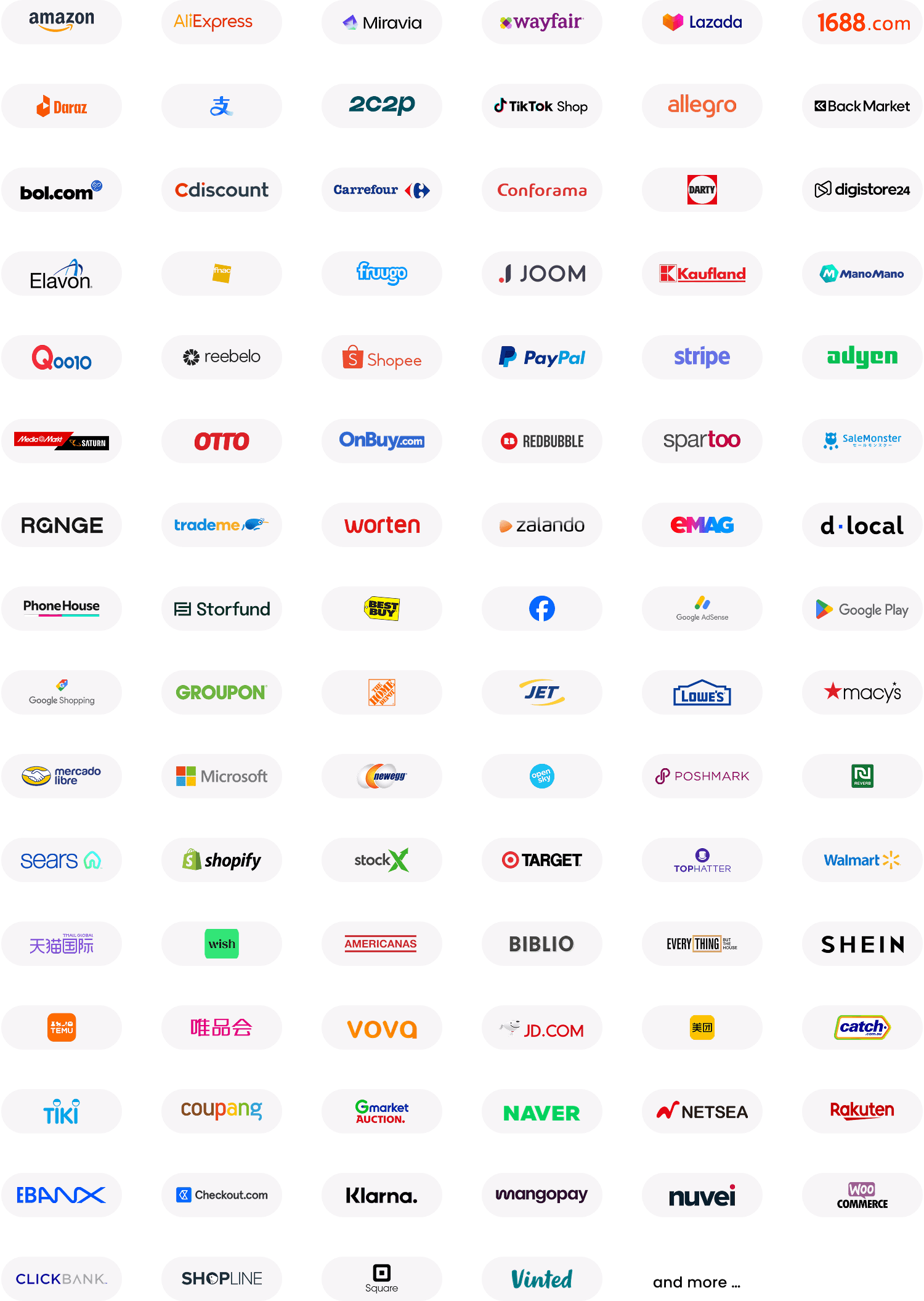
You’ll receive local bank details for each currency, so you can get paid like a local business, without having to open separate bank accounts in each country. We also integrate directly with over 130 platforms – including Amazon, Etsy, Shopify, TikTok Shop, PayPal and Stripe – so you can receive payouts directly in your local currency account without delays or extra fees.
The entire account setup and management process is online, with applications typically receiving approval within 24–48 hours. Once approved, you can create currency accounts instantly from your dashboard, track transactions and balances in real time and even manage everything on mobile.
Read more: Business foreign currency accounts: 4 options compared
Make payments in 100+ currencies to 200+ countries and territories
Sending money overseas is often slow and expensive through traditional banks. For businesses entering new markets, delayed payments or high transfer fees can disrupt operations, delay supplier invoices and create cash flow headaches.
WorldFirst simplifies this by enabling you to make payments in over 100 currencies to more than 210+ countries and territories, often on the same day. In fact, around 80% of transfers arrive within a single day. We do this by using local payment networks wherever possible instead of traditional SWIFT transfers.
Fast, reliable payments can help you maintain strong relationships with partners and operate efficiently in unfamiliar markets. With WorldFirst, you can be confident that your funds will reach their destination quickly and transparently.
Read more: How to send international payments: 6 options for businesses
Save money with competitive exchange rates and advanced FX tools
Managing multiple currencies can quickly become costly if you’re forced to convert funds at the wrong time or pay high fees.
WorldFirst helps businesses control these costs by offering competitive exchange rates based on the mid-market rate, with conversion fees capped at 0.50% for major currencies. This transparency makes it easier to plan and budget for international operations.
Beyond just competitive rates, WorldFirst offers advanced foreign exchange (FX) tools that let you manage currency risk strategically:
- Forward contracts let you lock in exchange rates for up to 24 months, protecting your business from market fluctuations
- Firm orders let you set a target rate, automatically executing conversions when the market hits your desired level
- Spot contracts provide immediate conversions at live market rates when you need them
These tools give you flexibility and control over your international cash flow. You can choose the optimal time to convert funds, reduce unnecessary costs and maintain more predictable margins. This is especially valuable when you’re testing new markets or managing multiple revenue streams in different currencies.
Read more: Foreign exchange risk management: How to make international business more affordable
Open a World Account to expand globally with fewer barriers
Expanding into new international markets comes with plenty of challenges, but managing your cross-border payments doesn’t have to be one of them.
With WorldFirst, you can save money, move funds quickly and keep full control of your global finances – all from a single, easy-to-use platform.
Getting started is simple. Sign up for a World Account for free today.
FAQs
What are the first steps for breaking into a new market?
Begin with internal preparation: audit your business, define your USP, conduct competitive analysis and create a budget and goals. Once you’re ready, focus on building relationships, establishing a local presence and offering excellent customer experiences to gain traction.
How do I choose which new market to enter?
Start by assessing your business strengths, your unique selling proposition and market demand. Look for markets where demand aligns with your strengths and resources. Consider competition, cultural fit, regulatory requirements and payment infrastructure before committing.
How can I minimise risks when entering a new international market?
You can reduce risk by hiring local or global experts and starting with smaller test markets before committing fully. Efficiently managing cross-border payments is also important. WorldFirst lets you hold multiple currencies, send and receive funds quickly and lock in competitive exchange rates. This can help your business operate efficiently while breaking into a new market.
Jennifer Dodd leads marketing for WorldFirst UK, and has over 20 years' experience in financial services and publishing.

Jennifer Dodd
Author
Continue reading


Subscribe
The Weekly Dispatch
Get the latest news and event invites. Signup for our weekly update from the worlds of fashion, design, and tech.
You might also like
Choose a product or service to find out more

E-commerce guides


Doing business with China

Exploring new markets

Business Tips

International transactions
E-commerce expansion guides
Doing business with China