



























The Hidden Cost of Trading Globally
Nearly eight in ten UK SMEs now pay suppliers overseas. Global sourcing drives growth, but it also exposes businesses to one of the biggest invisible drains on profit — foreign-exchange costs.
Traditional banks still dominate international transfers, yet their high margins and opaque fees keep many SMEs trapped in a costly cycle. This guide explains where those losses occur, how to control them, and what tools can turn FX volatility from a threat into a manageable cost.
1. The Real Cost of Global Payments
1.1 Understanding Your Total Landed Cost
The supplier’s invoice price tells only part of the story. The landed cost — the full price of a product once it reaches your warehouse — includes shipping, duties, tariffs, insurance, brokerage, domestic transport and payment fees. Each element can erode margins if ignored.
Among these, payment processing and currency conversion are the least visible yet most damaging.
1.2 The Hidden Drain: FX Margins and Bank Fees
When you send money overseas, the exchange rate you see online isn’t what you get. Banks apply a hidden margin between the real (interbank) rate and the rate they offer. That difference — typically 3–5 per cent — can turn a healthy margin into a loss.
In 2023, UK SMEs lost an estimated £2.8 billion to hidden FX costs, up from £2.2 billion in 2018. Despite this, more than 70 per cent still rely on high-street banks for international payments.
| Provider | Typical FX Margin |
|---|---|
| High-street banks | 3–5 % + fixed fees |
| Fintech specialists (e.g. WorldFirst) | Up to 0.6 % |
The provider you choose can determine whether a transaction supports growth or quietly drains profit.
2. How Currency Fluctuations Hit Your Bottom Line
2.1 Unpredictable Cash Flow
Exchange rates move constantly. Suppose you agree to pay a US supplier $10,000 at £1 = $1.25. That’s £8,000. If sterling weakens to $1.20 before you pay, the same invoice costs £8,333 — a £333 loss for identical goods.
Such swings make forecasting difficult and can wipe out margin on a single shipment.
2.2 Supplier Relationships at Risk
Late or inconsistent payments damage trust. Traditional bank transfers often take several days, and missing documentation can delay settlement further. Fintech platforms now offer instant or same-day transfers and automatic confirmation emails to suppliers — a small but powerful step toward transparency and reliability.
3. Building Operational Resilience
Managing currency exposure begins with a resilient supply chain. Operational discipline helps reduce both financial and logistical risk.
3.1 Diversify Your Sourcing
Dependence on a single manufacturing base — particularly China — leaves businesses vulnerable to disruption. The “China + 1” model adds a secondary hub in another market such as Vietnam, India, Mexico, Turkey or Eastern Europe.
This isn’t about leaving China but about balancing efficiency with resilience. Diversification protects you against tariff changes, lockdowns and shipping bottlenecks.
3.2 Negotiate Smarter
Strong supplier relationships translate into financial flexibility. Negotiate split-payment terms — for example, 30 per cent upfront and 70 per cent after inspection — to preserve cash flow and reduce exposure. Long-term partners often reward reliability with better pricing and priority production slots.
3.3 Master Your Timelines
Global sourcing ties up capital for weeks. A typical reorder from Asia can take around 100 days — two months for production, one for shipping, plus clearance. During this period your funds sit idle and exposed to FX swings. Planning and financial tools can offset that risk.
4. The Three-Part Toolkit for Financial Control
4.1 Step One – Ditch the High-Street Bank
Old habits are expensive. High-street banks charge the steepest FX margins and add fixed transfer fees. Switching to a specialist payments provider is often the quickest way to cut costs and improve transparency.
4.2 Step Two – Use Multi-Currency Accounts
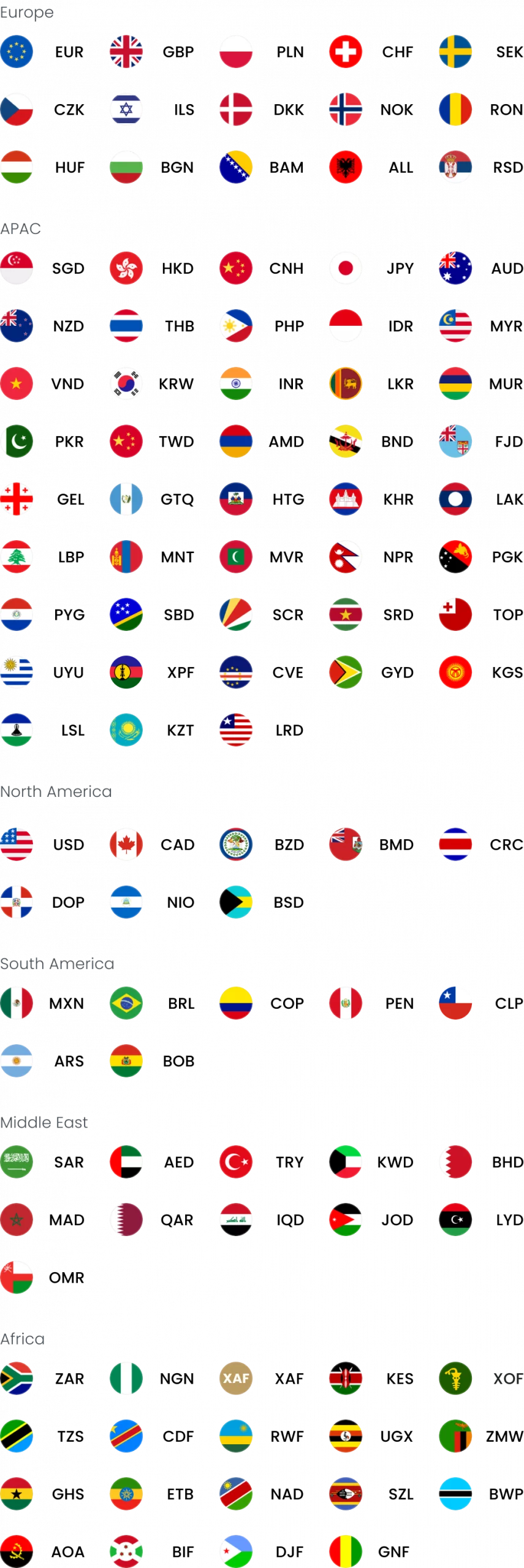
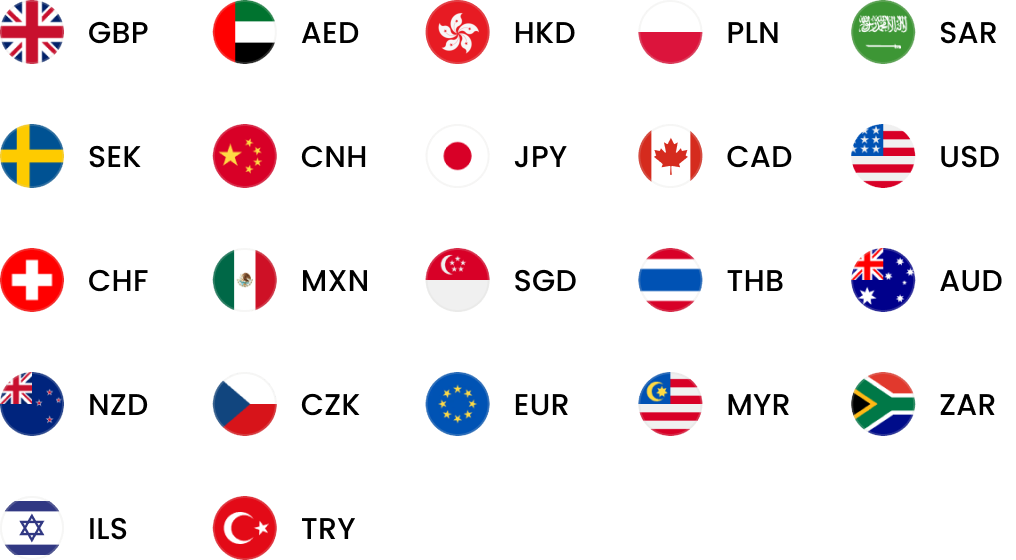
A multi-currency account, such as the World Account, lets you hold and pay in more than 50 currencies — without opening separate bank accounts abroad.
Key advantages:
- Pay suppliers in local currency. Remove FX risk for your partner and gain room to negotiate better terms.
- Hold multiple currencies. Collect revenue in USD or EUR and use those funds directly for supplier payments — avoiding unnecessary conversions.
- Integrate with accounting software. Linking platforms like Xero streamlines reconciliation and reduces admin.
4.3 Step Three – Fix Your FX Costs
Only about 18 per cent of UK businesses use hedging tools, leaving most exposed to market swings. Forward contracts let you lock in today’s rate for a future payment — turning an uncertain cost into a predictable one.
If your next shipment arrives in three months, fixing the exchange rate now protects your budget regardless of market movement.
5. Turning Risk into Opportunity
Global trade will always involve risk. The goal is not to eliminate it, but to manage it with control and clarity.
By combining operational resilience — diversified sourcing, negotiated terms, planned lead times — with financial discipline through fintech tools, SMEs can trade globally without losing sleep over exchange rates.
Modern payment platforms such as WorldFirst make it simpler to manage multiple currencies, fix FX rates and pay international suppliers securely — helping you protect margins and strengthen global partnerships.
Take control of your FX exposure and make international growth work for you.