


















Products
About WorldFirst
Resources
More brands of Ant International
This country is supported by WorldFirst affiliates, Zyla
We provide coverage in South Asia and Middle East: servicing 210+ countries and territories.
WorldFirst Home > blog > International Transactions > DBS vs UOB: which bank is better for corporate banking in Singapore?
Here’s how DBS and UOB compare across the most important features for Singapore businesses:

DBS is Singapore’s largest bank, founded in 1968 and a leading digital bank in Asia. The bank supports SMEs and corporates with a mix of traditional banking and modern tools.
DBS puts a strong emphasis on digital infrastructure, with its DBS IDEAL platform bringing payments, approvals and cash management into one place. Businesses manage day-to-day operations with clearer visibility and faster workflows.
Key features:
UOB is a major Singapore bank founded in 1935, which makes it one of the older major local banks. The bank has built a strong regional presence across Southeast Asia, focusing on trade, financing and cross-border relationships.
UOB supports businesses that import or export within ASEAN through its regional network, trade finance capabilities and local market coverage.
Key features:
DBS and UOB follow similar pricing structures, with low-cost local payments and standard charges for international transfers.
The main differences come from account fees, transfer limits and how each bank structures outbound payment costs.
DBS keeps local banking costs low, with predictable pricing for everyday transactions and a flat fee structure for international transfers.
Important fees:
UOB also keeps local payments low-cost, but adds more conditions around account balances and transfer limits.
Important fees:
What this means for your business:
Both banks offer free or low-cost FAST transfers, which work well for day-to-day SGD operations. Differences start to show with account structures and international transfers:
The highest hidden cost in cross-border business banking is usually the exchange rate margin.
FX turnover in Singapore increased by about 60% between 2022 and 2025, which shows how central currency movements are to everyday business payments.
Both DBS and UOB set their own rates. You won’t see a line saying “FX fee,” but the rate you get is lower than the mid-market rate.
DBS uses bank-set FX rates across its platform, with options to manage conversions through its internal tools.
FX details:
UOB follows a similar model, with FX pricing built directly into the exchange rate and limited visibility into the margin.
FX details:
What this means for your business:
If your business sends payments overseas often, even small differences in FX margins can add up quickly and affect your overall costs
Both banks use Singapore’s FAST system for local SGD payments and the SWIFT network for international wires.
That means similar speeds, with differences mainly in limits and platform experience.
DBS routes local payments through FAST and handles global transfers over SWIFT, with a strong focus on a smooth digital experience.
Payment features:
UOB uses the same payment routes: FAST for domestic transfers and SWIFT for international payments, supported by its regional banking network.
Important payment details:
What this means for your business:
Both banks deliver instant local payments, so SGD transfers rarely cause delays:
Beyond accounts and transfers, tools and integrations shape how efficiently your team runs day to day.
Over 70% of SMEs in Singapore plan to increase investment in digital finance tools such as accounting integrations and payment automation, which makes this an important factor in choosing between DBS and UOB.
DBS offers a digital-first ecosystem, with strong integrations and tools that support automation and high-volume operations.
Key features:
UOB focuses more on traditional banking strengths, with solid trade services and regional capabilities, supported by its digital platform.

Key features:
What this means for your business:
The choice comes down to how your team works:
The right choice depends on how your business handles payments, currencies and day-to-day operations:
DBS and UOB are full-service banks, but they use traditional banking models. Once you send money across borders, a few limitations start to show:

DBS and UOB offer strong local banking and regional support, but both follow traditional models for international payments. That often means separate currency accounts, automatic conversions and limited visibility into FX costs.
Many businesses need more control.
WorldFirst isn’t a bank, but a regulated payments provider built for companies that operate across borders.
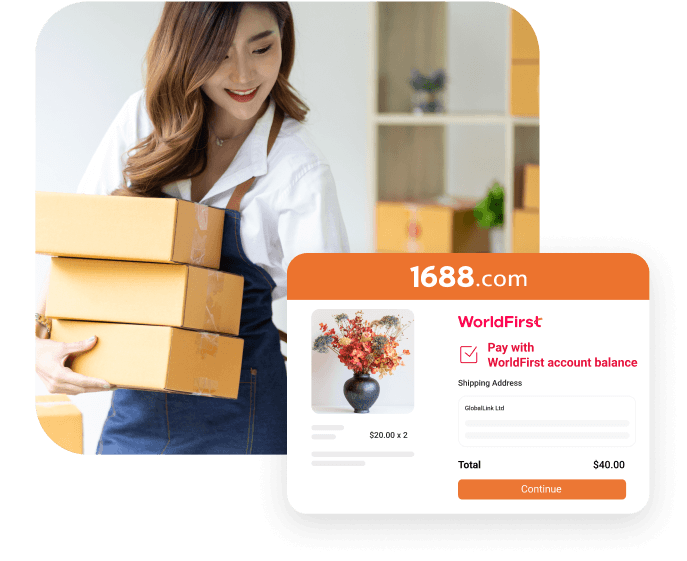
World Account is a multi-currency account that brings currencies, payments and balances into one place, so you can manage global cash flow without switching between systems.
It works especially well if you pay suppliers overseas or in multiple currencies or want more control over how and when you convert funds.
How a World Account supports your business:
| Feature / capability | DBS | UOB | World Account |
|---|---|---|---|
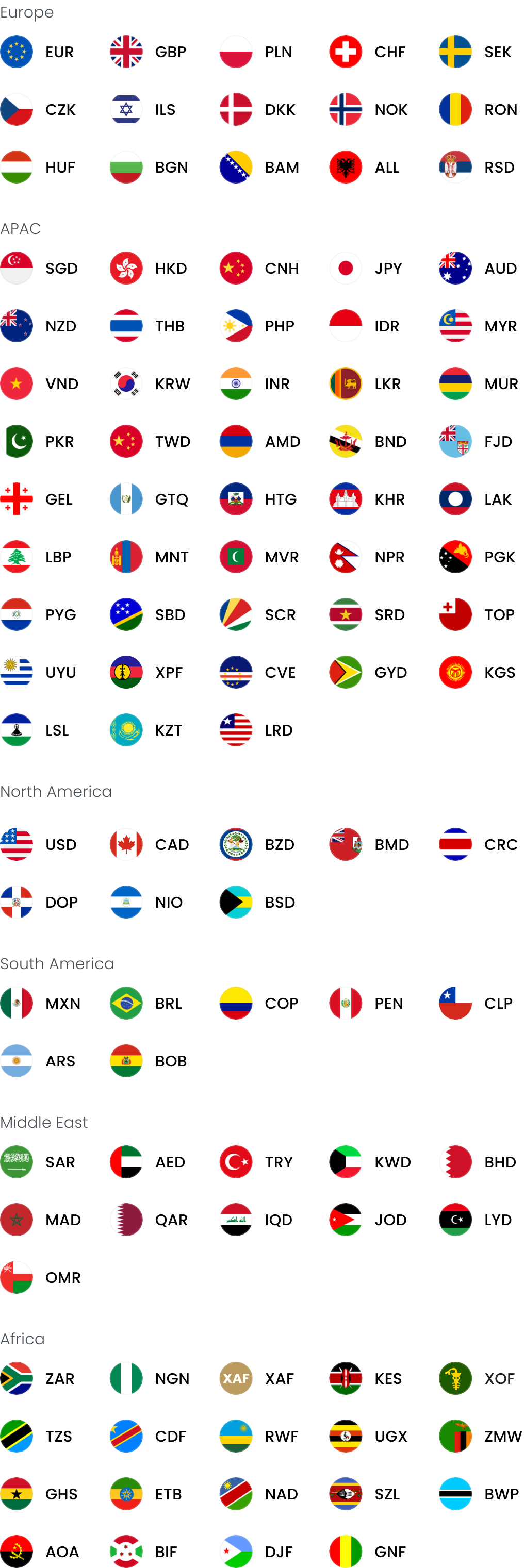
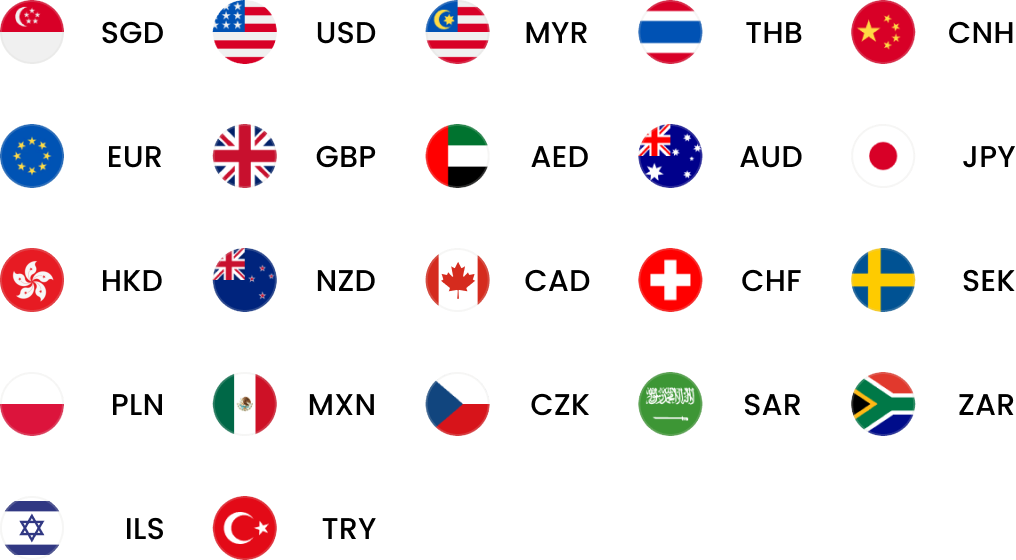
| Currencies you can hold | 13 | 10 | 20+ currencies in one account |
| Currencies you can pay | Global via SWIFT | Global via SWIFT | 100+ currencies to 200+ countries and territories |
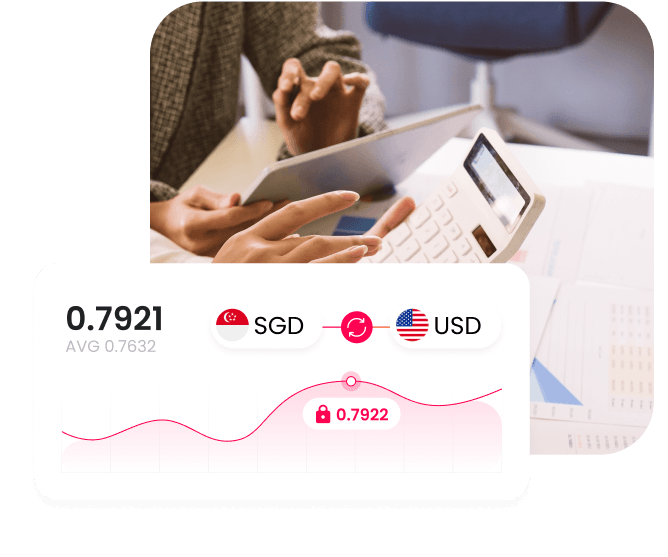
| FX structure | Margin included in rate | Margin included in rate | Clear, consistent FX margins |
| FX control | Limited, often converts on transfer | Limited, often converts on transfer | Full control over when to convert |
| Local receiving accounts | Limited | Limited | Available in major markets (UK, US, EU, AU and more) |
| Core strength | Digital banking and automation | Regional trade and financing | End-to-end global payments control |
In conclusion, choose a World Account if you:
Open a World Account today and manage global payments with more control and fewer hidden costs.
Yes, but both banks require documentation, business proof and sometimes a local presence. Approval can take from a few days to several weeks, depending on your setup.
DBS is usually better for startups due to easier digital tools and integrations. UOB serves startups focused on trade or regional expansion.
They can handle international payments, but costs can add up. FX margins often reach around 2–3%, plus transfer fees and intermediary charges.
Sources:
Joan Poon leads marketing across Southeast Asia at WorldFirst, driving growth and brand leadership in key markets including Singapore, Malaysia and the Philippines.
Joan Poon
Author
Head of Marketing SEA, WorldFirst Singapore
© WorldFirst 2026, All rights reserved.
How to redeem:
How to redeem:
How to redeem:
How to redeem: