



























A plain-English look at what Temu is, why its prices are low, whether it is legitimate, and what it means if you sell online.
Temu is an online marketplace that connects shoppers directly with manufacturers and third-party merchants, mostly based in China. This guide explains what Temu is, why products appear so cheap, who owns it, and whether it is safe to use. It is written for Malaysian shoppers weighing a purchase, and for local sellers thinking about marketplace expansion.
Key Takeaways
- Temu is a global e-commerce marketplace launched in 2022 that links consumers with manufacturers and third-party sellers at low prices.
- Temu is operated by PDD Holdings, the group behind Pinduoduo, giving it Chinese roots alongside offices in Ireland and the United States.
- Temu is an established marketplace, but individual listings, sellers, and products still need your own checks before you buy.
- Regulators in the EU and US have taken action over marketplace risk controls, so treat unusually low prices with sensible caution.
- Malaysian sellers exploring overseas marketplaces gain reach, but also face fees, currency exposure, and cross-border collection needs.
What is Temu and how does it work?
Temu is an online marketplace where shoppers buy directly from manufacturers and independent merchants, usually at very low prices. Temu itself describes its role as connecting consumers with merchandise partners, manufacturers, and brands.¹ It runs the platform and handles the shopping experience, but many products come from separate third-party sellers rather than Temu itself.
This distinction matters. When you buy on Temu, you often transact with an individual merchant using the platform, not with Temu as a direct retailer. The marketplace sets the rules, manages payments, and coordinates shipping. The seller behind each listing can vary in quality and reliability. Understanding that split helps you judge products more accurately.
Why is Temu so cheap?
Temu keeps prices low mainly through a direct-from-manufacturer model that cuts out several middlemen. Factories and merchants list goods on the platform, so products skip the usual layers of wholesalers and distributors. That shorter supply chain, combined with heavy seller competition and frequent promotions, pushes prices down.
Scale plays a part too. The platform aggregates huge order volumes, which lets manufacturers produce and ship efficiently. Aggressive discounting and marketing also draw shoppers in. Not every item follows the same pattern, and a low price can reflect anything from genuine efficiency to lower material quality. It helps to read each listing on its own terms rather than assuming all cheap goods are equal.
Is Temu a legitimate site?
Temu is a legitimate, operating global marketplace, but a legitimate marketplace does not mean every product or seller on it is risk-free. The company runs real operations, processes payments, and offers buyer protection policies. That corporate legitimacy is separate from the quality of any single listing.
Because third-party merchants supply much of the catalogue, product quality and accuracy differ across sellers. Some listings may misrepresent items, and returns experiences can vary. Treat Temu the way you would any large marketplace: check seller information, read reviews, and inspect product details before you commit. Legitimacy at the company level is not a guarantee at the product level.
Is Temu a Chinese company?
The honest answer is layered, not a simple yes or no. Temu is operated by PDD Holdings, the same group behind the Chinese platform Pinduoduo, and its supply chain sits largely in China.² PDD Holdings launched Temu in 2022 as its international brand.³
At the same time, PDD Holdings is incorporated in the Cayman Islands, lists on the US Nasdaq exchange, and has moved its executive offices to Dublin, Ireland.⁴ Temu’s US operations run through Whaleco, Inc., based in Boston.⁵ So Temu has clear Chinese roots through its parent and suppliers, wrapped in a multinational corporate structure. Calling it purely “Chinese” oversimplifies that picture.
What are the risks of shopping on Temu?
The main risks involve product quality variation, seller verification, safety compliance, and the usual delivery and returns considerations of a large cross-border marketplace. Because listings come from many third-party sellers, standards are not uniform. Some products may fall short of descriptions, and a few categories carry counterfeit or intellectual-property concerns.
Regulators overseas have flagged marketplace risk controls. In May 2026, the European Commission fined Temu €200 million over failures to properly assess the risks of illegal products being offered on its platform under the EU Digital Services Act.⁶ Separately, in September 2025 the US Federal Trade Commission reached a $2 million settlement with Temu’s operator over alleged failures to provide required reporting tools and seller disclosures under the INFORM Consumers Act.⁷
Read these carefully. They are jurisdiction-specific regulatory developments in the EU and US, not findings by a Malaysian regulator, and not proof that every Temu product is unsafe. They do, however, support a sensible, cautious approach to unusually cheap listings.
How can you shop more carefully on Temu?
You can reduce risk on Temu by checking a few things before every purchase. A short routine goes a long way on any marketplace where third-party sellers vary in quality.
- Read the seller information and product specifications in full, not just the headline price.
- Scan reviews and ratings, and be wary of listings with very few or generic reviews.
- Compare an unusually low price against similar products elsewhere, and ask why it differs.
- For sensitive categories like electronics, toys, or cosmetics, check for safety or certification details.
- Understand the refund and return rules before you pay, so you know your options if something goes wrong.
Can Malaysian businesses sell on Temu?
Temu operates a seller platform, but eligibility and access depend on your jurisdiction and Temu’s current programme, so Malaysian businesses should verify their specific situation. The platform runs a Seller Center that requests merchant verification information and documents before onboarding.⁸
If you already sell on Shopee, TikTok Shop, or your own store, a new marketplace is one more channel to weigh. Do not assume every Malaysian company can open a Temu seller account. Confirm current eligibility, market access, and conditions directly with Temu before you plan around it.
What should Malaysian sellers consider before expanding to overseas marketplaces?
Marketplace expansion is a business decision, not just a sign-up. Before adding an international channel, weigh several practical factors that affect your margin and operations.
- Addressable demand: check whether your products actually sell in the target market.
- Platform fees and commissions, which eat into margin differently across marketplaces.
- Fulfilment, shipping, and returns logistics across borders.
- Seller and product compliance rules in each market.
- Pricing strategy once currency conversion and fees are included.
- Currency exposure, since revenue often arrives in USD or other foreign currencies.
- How you collect and reconcile marketplace revenue from abroad.
- Over-reliance on a single channel, which adds risk if that channel changes its rules.
Selling internationally through platforms like Amazon or other online marketplaces creates real requirements around receiving foreign revenue, converting currencies, and matching payouts to orders. That operational side is where many sellers underestimate the work.
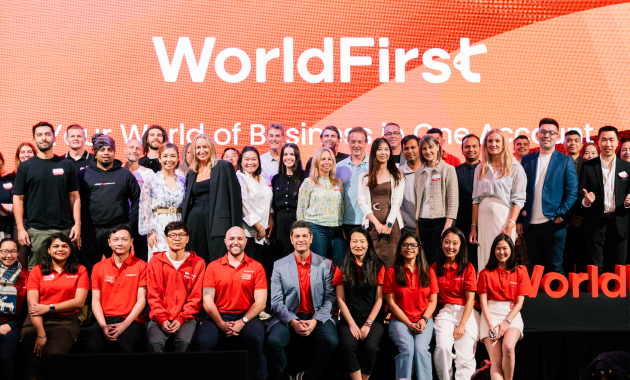
Managing international marketplace revenue with WorldFirst
When you sell across borders, marketplace payouts often land in foreign currencies, and moving that money home can add conversion costs and delays. WorldFirst is a payments provider that offers a multi-currency account built for exactly this. The Malaysia offering supports collection in up to 25 currencies (including MYR), so you can receive revenue from eligible supported marketplaces in one place.
To be clear, WorldFirst is a payments provider, not a bank, a marketplace, or a Temu service. It focuses on helping you collect international marketplace revenue and manage currencies as your cross-border selling grows. You can also get paid by supported marketplaces through a single account, which simplifies reconciliation.
WorldFirst is part of the same corporate group as Ant International, a trust signal many Malaysian businesses value. Before you register, it helps to know what verification involves, so the process runs smoothly.
Is Temu worth using? Key takeaways for Malaysian shoppers and sellers
For shoppers, Temu is a legitimate marketplace that can offer genuine value, provided you check sellers, reviews, and product details before buying. Treat very low prices with healthy scepticism, and factor in delivery times and return rules. The regulatory actions overseas are a reason for care, not panic.
For business owners, Temu is worth understanding as another international marketplace in a wider e-commerce strategy. If you decide to expand across borders, plan early for currency exposure and revenue collection. A multi-currency account for online sellers can help you receive and manage foreign marketplace income as you grow.
Frequently asked questions
How do I know if a Temu listing is trustworthy?
Check the seller details, read genuine reviews, and study the product specifications before buying. Compare the price against similar items elsewhere, and be cautious when a deal looks far cheaper than everything comparable. For electronics, toys, or cosmetics, look for safety or certification information. Understanding the refund and return policy in advance also protects you if the product disappoints.
Can I get a refund if a Temu order arrives faulty?
Refund and return options depend on Temu’s policies and the specific seller, so read the terms on the listing before you pay. Marketplace refund experiences can vary between sellers. Keep your order records, report issues promptly through the platform, and follow the stated return steps. Knowing the rules upfront gives you a clearer path if something goes wrong with an order.
Is it possible for a Malaysian business to sell on Temu?
Temu runs a seller platform, but eligibility and market access depend on your jurisdiction and Temu’s current programme. Its Seller Center asks merchants for verification information and documents during onboarding. Do not assume automatic access from Malaysia. Confirm current eligibility and conditions directly with Temu, then weigh fees, fulfilment, and currency handling before committing to the channel.
What happens to my money when I sell on an overseas marketplace?
Marketplace payouts usually arrive in the platform’s settlement currency, often a foreign currency like USD. You then convert and move that money to your local operations, which can add costs and time. A multi-currency account lets you collect eligible marketplace revenue in supported currencies and manage conversions, helping you reconcile payouts against orders more cleanly.
How do I prepare for WorldFirst account verification?
WorldFirst may ask for documents such as government-issued ID for the main applicant, company registration details, IDs for relevant beneficial owners, and director information. Depending on your case, it may also request ownership structure, proof of trading, or proof of address. Preparing these in advance reduces delays, though approval and timing are not guaranteed and depend on the review.
Conclusion
So what is Temu? It is an established global marketplace connecting shoppers with manufacturers and third-party sellers at low prices, with Chinese roots and a multinational structure. Shop with sensible checks, and read overseas regulatory actions as context rather than a verdict on every purchase. If you sell online and plan to expand internationally, think early about how you will collect and manage foreign marketplace revenue. Opening a multi-currency account is a practical next step when that need arises.
Sources
- https://www.temu.com/ca/about_temu/home.html
- https://en.wikipedia.org/wiki/Temu
- https://www.temu.com/de-ar/about-temu.html
- https://www.revenuememo.com/p/who-owns-temu
- https://www.ftc.gov/news-events/news/press-releases/2025/09/online-marketplace-temu-pay-2-million-penalty-alleged-inform-act-violations
- https://ec.europa.eu/commission/presscorner/detail/en/ip_26_1178
- https://www.ftc.gov/business-guidance/blog/2025/09/first-inform-consumers-act-enforcement-case-filed-against-online-marketplace-temu
- https://seller.temu.com/
This article is intended for informational purposes only and does not constitute legal advice or professional advice. This article should not be regarded as constituting an offer or a solicitation to buy or sell any regulated or financial products or services. WorldFirst makes no representations or warranties regarding the accuracy, completeness, or applicability of the content, and readers are encouraged to consult with legal professionals or other professionals for advice tailored to their specific situation. WorldFirst does not guarantee the accuracy and completeness of this article and expressly disclaims any and all liability to any person in respect of the consequences of anything done or omitted to be done wholly or partly in reliance on this article.




![Top Wise Business alternatives for Malaysian businesses [2027]](https://mdn.marmot-cloud.com/worldfirst/sites/10/2026/09/20260914184558812-300x200.webp)
![Top Swipey alternatives for Malaysian businesses [2027]](https://mdn.marmot-cloud.com/worldfirst/sites/10/2026/09/20260911185133407-300x200.webp)