























Home > blog > Marketplaces & Platforms > Selling on Amazon from Nigeria
Selling on Amazon from Nigeria
Last update:


wangsiqi

Clare Shi
Author
Key takeaways
If you’re doing research on how to source wholesale from 1688.com, you may have a few questions such as:
If you’re doing research on how to source wholesale from 1688.com, you may have a few questions such as:
If you’re doing research on how to source wholesale from 1688.com, you may have a few questions such as:
Selling on Amazon from Nigeria opens the door to a massive global e-commerce market. With hundreds of millions of customers shopping on Amazon worldwide and only about 9.7 million sellers to cater to them, Nigerian entrepreneurs can reach customers across the US, UK, Europe, and beyond.
While Amazon doesn’t yet have a local Nigerian marketplace, sellers can join Amazon Global Selling to list their products internationally.
In this blog, we will tell you exactly how to sell on Amazon from Nigeria.
Why sell on Amazon from Nigeria?
In 2019, when Amazon opened its seller program to Nigeria and several African countries, it allowed Nigerians to sell directly on the platform, from their homes, offices, or even small workshops. Today, a typical Amazon seller earns around $2,000–$7,000 per month. Many make at least $500 monthly, while top sellers can earn up to $10,000 or more.
Here’s why you should sell on Amazon from Nigeria –
- Proven opportunity: Over 2.5 billion product units sold globally by exporters, showing strong demand
- High-income markets: Sell directly to buyers in the US, UK, EU, and UAE with higher purchasing power
- No website needed: Amazon handles marketing, traffic, and visibility, so you don’t need your own store
- Easy logistics: Use Amazon’s Fulfillment by Amazon (FBA) to manage storage, packing, and shipping
- Export from home: Nigerian manufacturers, resellers, and artisans can sell internationally
- Earn in foreign currencies: Get paid in USD, GBP, or EUR, helping you grow your profit margins
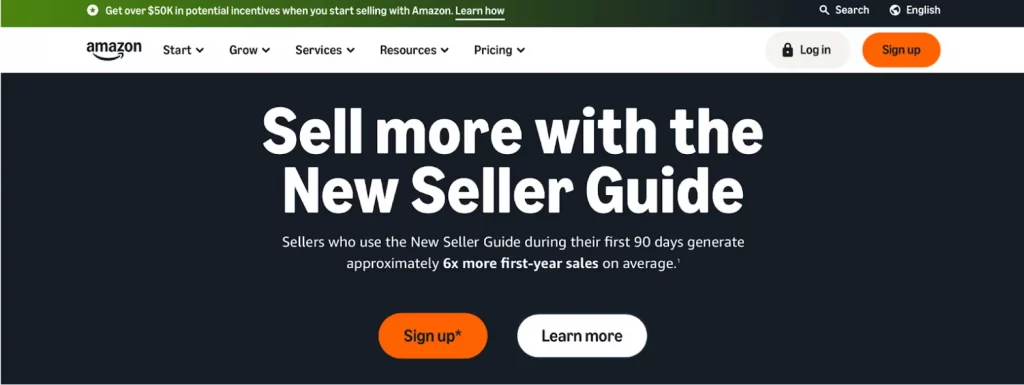
Accepted registration: The Amazon Seller Central website particularly lists the countries it accepts for seller registrations, and Nigeria is one of them
Can Nigerians sell on Amazon?
In short, yes.
While Nigerians can sell on Amazon, there isn’t a local Amazon Nigeria marketplace yet. The easiest way to start is through the Amazon Global Selling program, which allows Nigerian entrepreneurs to list and sell products on Amazon’s international marketplaces, including the US, UK, Germany, Canada, and the UAE.
To register, you’ll need a few essential documents:
- A valid business registration (such as a CAC certificate)
- A passport or national ID
- A utility bill or bank statement (not older than 3 months) to verify your address
- 3 months of bank statements to show active business activity
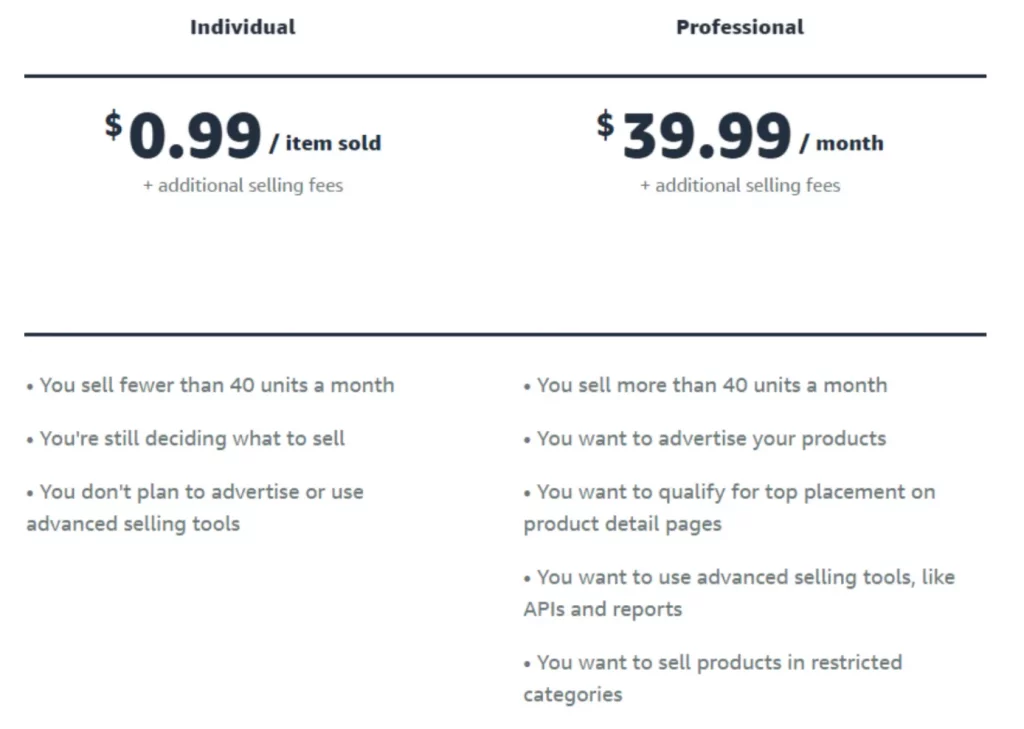
Amazon also requires a foreign currency bank account for receiving payments. Additionally, an internationally enabled debit or credit card is needed to pay Amazon’s monthly seller subscription fee, which currently starts at $39.99. After registration, you’ll be required to submit your photo with your ID and then attend a video verification, where you must carry your government-approved ID and address proof.
Once your account is approved, you can list your products on 18 global marketplaces and even use Fulfillment by Amazon (FBA). With FBA, you send your goods to Amazon’s warehouse abroad, and they handle storage, packaging, and shipping for you.
Once your items sell, Amazon transfers your earnings monthly to your connected account. This makes it easier to manage global orders from Nigeria without dealing with international logistics directly.
How to start selling on Amazon from Nigeria
Step 1: Register to export and open your Amazon seller account
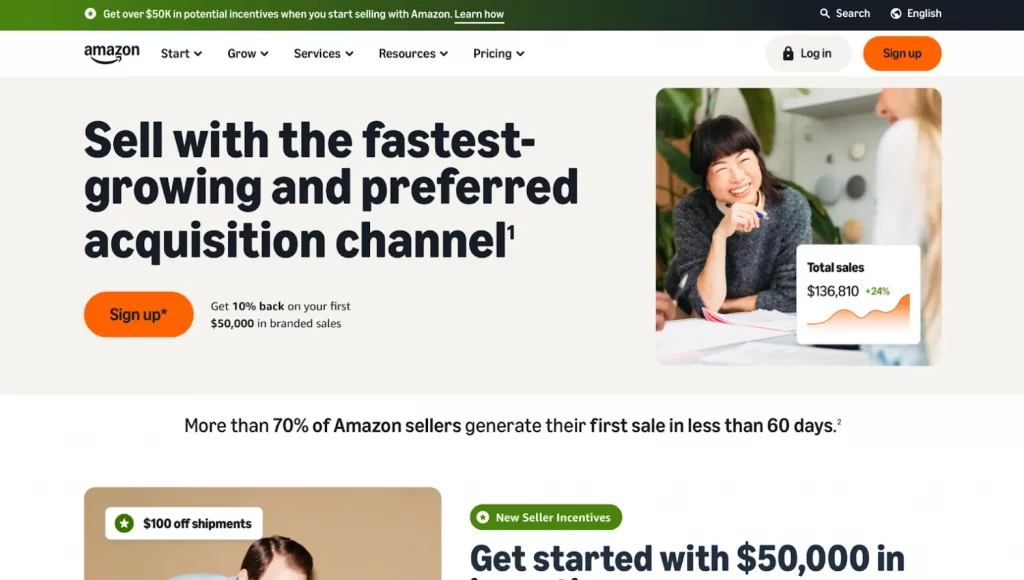
To sell internationally, you’ll need to register through Amazon Global Selling.
- Go to https://sell.amazon.com
2. Choose your target marketplace (most Nigerian sellers prefer Amazon US, UK, or UAE).
3. Click on ‘Start Selling’ or ‘Sign Up’ and begin registration.
4. Create your seller profile using:
- A valid business or personal email and phone number
- A government-issued ID (passport, NIN, or driver’s license)
- Business registration documents (CAC certificate if you’re registered)
- A credit or debit card with international access
- A foreign currency bank account, which links to Amazon for smooth USD/GBP transfers
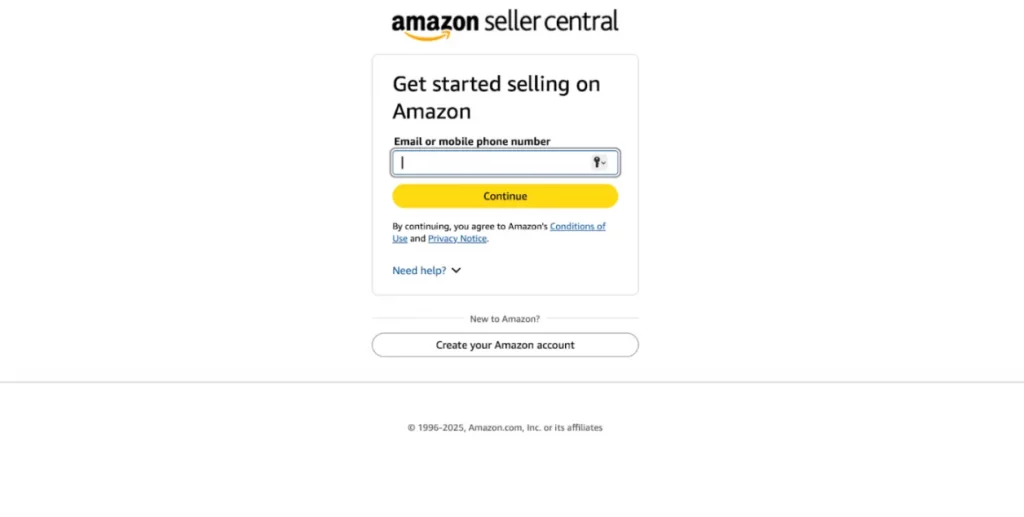
Once your documents are verified (usually 2–5 business days), you’ll get access to Amazon Seller Central, where you can start listing your products. One thing to remember is that if you’re new, you can start with an Individual Seller Account (no monthly fees) and later upgrade to a Professional Account( $39.99/month) once your sales grow.
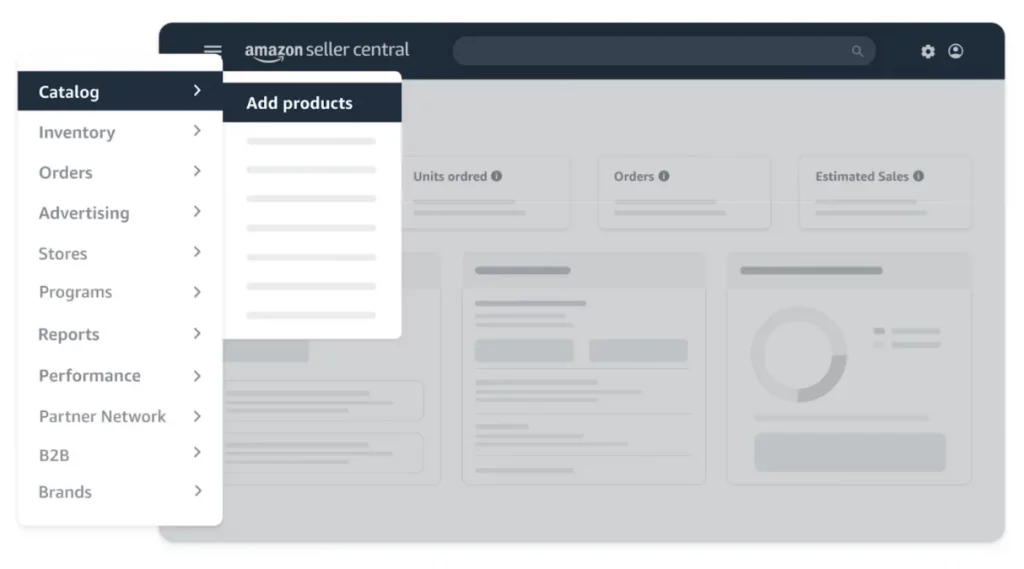
Step 2: List your products
Now that your account is ready, it’s time to list your products. Add clear titles, descriptions, and good images. Always be specific and mention what the product is made of and any special features.
- Use tools like Helium10 or Jungle Scout to see what’s trending internationally
- Focus on products Nigeria is known for, like black soap, hibiscus tea, shea butter, ginger, or wooden crafts
- Optimize your listings with keywords that global buyers use (for example, ‘organic African black soap’ instead of just ‘black soap’)
You can also register your brand with Amazon Brand Registry for added protection and visibility.
Step 3: Ship and deliver globally
Since Amazon doesn’t have a fulfillment center in Nigeria yet, you’ll handle logistics independently. There are two main options:
- Merchant Fulfilled Network (MFN): In this method, you package and ship orders directly from Nigeria using DHL, FedEx, or UPS. This is best for low-volume sellers or those testing international demand. Always keep shipping receipts and tracking numbers updated in your Seller Central dashboard.
Fulfilment by Amazon (FBA): Here, you send your products in bulk to an Amazon warehouse abroad via a freight forwarder to centers in the US, UK, or UAE. Amazon then handles delivery, storage, and customer service. This method works best once you start selling consistently, and you can also use a freight forwarder to send goods from Lagos or any partner manufacturers in China who can directly ship to Amazon’s FBA warehouses via Amazon Global Selling SEND.
What can Nigerians sell on Amazon?
Nigerian sellers have great potential in categories like fashion, handmade crafts, home décor, and African-inspired products—items that appeal to international audiences looking for authentic, unique pieces. Electronics, clothing, baby supplies, pet supplies, video games and more are some of the top high-demand products on Amazon.
However, Amazon has strict policies around specific product categories, especially for food, skincare, and cosmetics. If you plan to sell food, cosmetics, or supplements, make sure you have:
- Proper labeling and nutritional facts
- COA issued by an ISO-certified lab
- Accurate packaging as per Amazon’s guidelines
Follow Amazon’s rules for packaging and listing policies to make sure all your documents are real. This helps you avoid any compliance-related problems.
Plus, if your products are made locally (say, handmade jewelry, prints, or décor), you can package them in Nigeria itself and send them to Amazon’s warehouse directly. Whereas, if you’re importing from China, it’s easier to ship straight from the supplier to Amazon’s fulfillment center. This saves costs on double shipping.
Before you do this, always order a product sample to check quality. Never ship large quantities without verifying that your supplier is trustworthy and the product meets your standards.
When you consider selling manufactured goods (either locally produced or sourced from China and rebranded for export), you must ensure that all products must comply with import and export regulations, including labelling, packaging, and certifications for the destination market. For example, to sell in the US –
- UPC/barcodes: Any product you sell on Amazon must have a unique UPC code. These can be purchased from GS1 in the US and are essential for product identification. Know more about GS1 in Nigeria here
- Shipping rules: Trial orders under 200 kg can use air shipping. Larger shipments typically go by sea, so understand FOB (Free on Board) and EXW (Ex Works) terms to know who pays duties
- Inspection and quality verification: US Customs and Amazon want your products to be consistent and high-quality. For big orders, it’s smart to use a third-party inspection service to make sure everything meets their standards
Certifications: Products like electronics, toys, or cosmetics may require FDA, FCC, or CPSIA approvals
Tips to grow your Amazon business
- Optimize your listings: Use high-quality images, 3D renders, and SEO-friendly titles. Include bullet points and videos to sell the product visually, as people often skim instead of reading
- Run ads smartly: Try Amazon Sponsored Product ads, test different keywords, and focus on the ones that work best
- Build your brand: Join Brand Registry to protect your brand and use premium A+ content and videos to showcase your product’s value
- Monitor performance: Track clicks, conversion rates, and sales via Seller Central reports. Adjust pricing and listings based on data
- Maintain credibility: Keep shipping timelines reliable and manage reviews actively to maintain high ratings
- Protect profits: Use services like WorldFirst to lock exchange rates when converting Naira to USD so you don’t lose out on payouts
- Boost organic reach: Focus on keywords that sell well to improve your product’s ranking and spend less on ads over time
Leverage external traffic: Share your products on TikTok or other social media to drive people straight to your Amazon listings
Collect international payments with WorldFirst
Managing international payments is one of the biggest challenges for African sellers on Amazon. You need to handle multiple flows: receiving sales proceeds from Amazon marketplaces abroad, paying suppliers in China or the US, covering shipping costs, and moving funds back to your local bank account. Traditional banks often make this expensive, slow, and cumbersome, eating into your margins.
WorldFirst simplifies all of this with a World Account, a single platform designed for global e-commerce sellers. With it, you can:
- Set up local currency receiving accounts in USD, GBP, EUR, JPY, CNH, and more–no overseas bank needed
- Collect Amazon payments directly into your World Account from marketplaces in the US, UK, Europe, Japan, and Australia
- Hold funds in multiple currencies or convert them at competitive rates when you choose
- Pay suppliers or shipping partners directly in their preferred currency, avoiding double conversions
- Transfer funds securely back to your Nigerian account quickly, with low fees and real-time FX
Here’s how you can collect Amazon payments with WorldFirst
- Set up a receiving account: In your World Account dashboard, add a new account in the currency matching your Amazon marketplace (e.g., USD for Amazon US). Download the Account Verification Letter to verify with Amazon.
- Add a same-name payee: Ensure the account is under your name (personal or business) to meet Amazon’s requirements. Verify with a penny test or upload required documents.
- Link to Amazon: Add your WorldFirst account in Amazon Seller Central under Deposit Methods. Upload verification documents and wait for confirmation.
- Withdraw to your bank: Once Amazon disburses funds, withdraw to your Nigerian bank anytime, holding or converting currency as needed.
This setup gives African sellers full control of cross-border cash flow while keeping more of what you earn.
Scale your Amazon business
Selling on Amazon from African gives you access to millions of buyers worldwide, but cross-border payments can be tricky. WorldFirst solves this by offering a fast, secure, and cost-effective way to receive international payments, hold multiple currencies, and pay suppliers directly. With WorldFirst, you can focus on growing your Amazon business, managing logistics, and increasing sales–without worrying about delays, double conversions, or high bank fees. Collect, convert, and transfer your Amazon earnings with ease, and scale globally from Nigeria with confidence.
FAQs
Can I sell on Amazon from Nigeria without a registered business?
Technically, you can start as an individual, but Amazon prefers sellers with a registered business. Registering your business makes account verification smoother and helps with taxes, branding, and long-term growth.
Do I need a US or UK bank account?
No, you don’t need one. Services like WorldFirst, Payoneer, or Wise let you receive Amazon payouts in USD, GBP, or EUR and convert them to Naira safely.
Can I sell digital products or services?
No, Amazon primarily supports physical products that can be shipped to customers. Some digital products like e-books, are accepted on standard Amazon marketplaces.
Continue reading


Subscribe
The Weekly Dispatch
Get the latest news and event invites. Signup for our weekly update from the worlds of fashion, design, and tech.