A Beginner’s Guide to International Payments and Currency Exchange
Share article
Copied
Contents
You’ve found the perfect overseas supplier — good quality, fair pricing, fast turnaround. Then reality sets in: how do you actually pay them?
International payments can look straightforward, but behind every transaction lies a network of banks, fees and exchange rates that quietly eat into profit. For UK SMEs, these hidden costs can decide whether a global order adds value — or erodes it.
This guide breaks down how money moves across borders, where the biggest costs hide, and how modern fintech platforms are reshaping global payments.
1. What Are Cross-Border Payments?
1.1 The Basics
A cross-border payment is any transfer of funds between parties in different countries — a UK business paying a supplier in Vietnam, for example. These payments keep global trade moving, but they also expose businesses to higher costs and delays than domestic transfers.
1.2 Why They’re Complicated
International transfers move through a network of correspondent banks — intermediaries that pass funds along until they reach the destination. Each step can add time, cost and uncertainty.
Think of it as connecting flights: your payment passes through several “stopovers” before arriving. Each one charges a handling fee and risks a delay. The result? Transfers that can take days, with unpredictable deductions along the way.
1.3 The Cost for SMEs
For small businesses, this complexity can cause real disruption:
Delays: More than a third of SMEs have experienced late or failed international payments.
High costs: International transfers can cost up to ten times more than domestic payments.
Regulatory friction: Each market has its own rules — China, for example, requires invoices and contracts before releasing funds.
Foreign exchange (FX) is the price of one currency relative to another. But when rates shift, so do your costs.
Suppose you agree to pay a European supplier €10,000. At £1 = €1.15, the order costs about £8,695. If the pound weakens to £1 = €1.10 by the time you pay, that same order now costs £9,090 — a £395 difference, purely from FX movement.
These fluctuations, known as FX risk, can quietly erode your margins if not managed.
2.2 The Hidden Margin
The rate you see on Google — the interbank rate — isn’t what you actually get. Banks and payment providers add a margin between the wholesale rate and the rate they offer you.
Provider
Typical FX Margin
Traditional banks
~3.8%
Fintech platforms (e.g. WorldFirst)
Up to 0.6%
That difference compounds quickly. On a £10,000 transfer, the extra 3% can cost you £300 — for the same payment. Traditional systems also layer on fixed transfer fees, turning what should be a predictable transaction into an expensive one.
Modern fintech platforms offer an alternative — transparent pricing, faster delivery, and better control.
3. How Businesses Send Money Internationally
UK SMEs typically use one of two methods: traditional banks or modern fintech platforms.
Feature
Traditional Banks
Modern Fintech Platforms
Who Uses Them
Around 70% of UK businesses still rely on their high-street bank for transfers.
Growing number of SMEs using providers such as WorldFirst and Airwallex.
Speed
Up to five days; dependent on correspondent banking chains.
Same-day or instant payments when both parties use the same platform.
Cost Transparency
High FX margins (~3–4%) plus fixed transfer fees.
Lower, transparent FX margins (WorldFirst caps at 0.6%).
Ease of Use
Familiar relationship but slow and paperwork-heavy.
Built for SMEs: fast setup, online tools, clear visibility.
Old systems still appeal through familiarity, but they no longer represent the best value or speed.
Power your global growth with one account
Get local currency accounts, fast payments and competitive FX – all in one place.
Digital payment platforms now offer more than just cheaper transfers. They’ve become a toolkit for managing international operations with less friction.
4.1 Multi-Currency Accounts
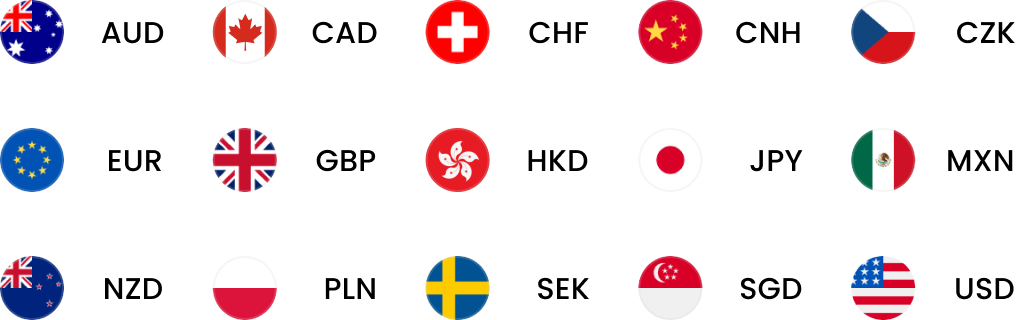
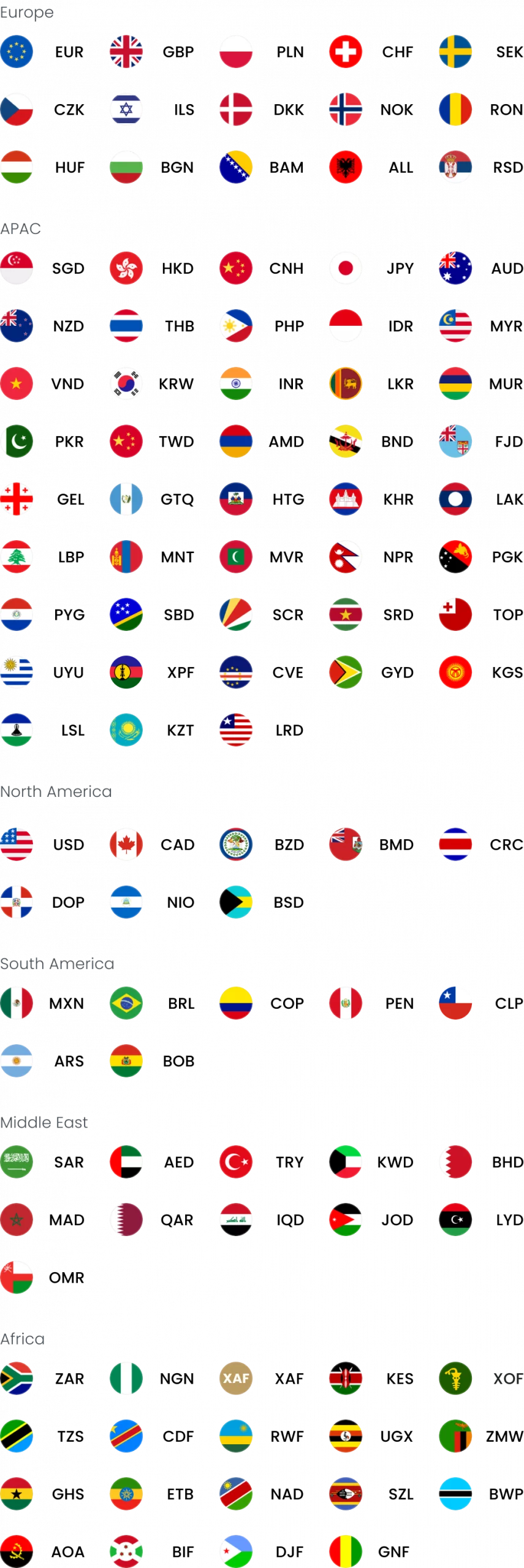
A multi-currency account lets you hold, receive and send money in multiple currencies without opening foreign bank accounts.
Avoid forced conversions: Get paid in euros, hold euros, and pay suppliers in euros — no repeated exchange losses.
Expand easily: Open local receiving accounts in new markets to build trust with suppliers and customers alike.
Platforms like WorldFirst’s World Account make this process instant, compliant and cost-efficient.
4.2 Payment and Accounting Integration
Modern platforms integrate directly with accounting software such as Xero. This means bills, approvals and payments happen in one place — without duplicate data entry.
The result: cleaner books, faster reconciliation and fewer manual errors.
4.3 Payment Protection
When working with new suppliers, escrow-style services such as WorldFirst’s Trade Sentry can hold funds securely until goods are verified. The money is released only when both parties confirm the order has been fulfilled.
It’s a simple safeguard that builds trust and protects your cash flow.
5. Managing Currency Risk
Exchange rates move constantly, but you don’t have to leave them to chance. Tools such as forward contracts let you lock in a rate for a future payment.
For example, if you expect to pay a supplier $50,000 in three months, you can fix today’s rate — protecting your margin even if the pound falls later.
This approach provides cost certainty and stability for growing businesses managing tight cash flow.
6. Taking the First Step into Global Trade
Trading internationally used to be complex, costly and slow. Today, fintech platforms have removed much of that friction.
SMEs can now hold multiple currencies, pay suppliers instantly and manage FX exposure — all from one platform.
Start by reviewing where your payment costs are hidden, compare FX margins, and consider whether your current bank setup truly supports your growth. The right payment strategy can free up capital, improve supplier relationships, and make global business feel local.
With the right tools, even the smallest UK business can think — and trade — globally.
Lawrence Bennett is UK Country Manager at WorldFirst. He brings 15+ years of experience across fintech, ventures and e-commerce.