





























WorldFirst Home > blog > Global Business Tips > US routing numbers: What you need to know before sending money to the US
US routing numbers: What you need to know before sending money to the US
- Last update:


If you’ve ever tried to send money to a US bank account, you may have been required to enter a routing number (depending on where you’re located).
At a high level, the rule is simple:
- If you’re sending money inside the US, you’ll need a routing number
- If you’re sending money outside the US, you’ll be asked for a SWIFT code
But in practice, it can feel more complicated – especially when you’re not sure exactly what a routing number is.
In this article, we break down some of the most common questions about routing numbers. Plus, we’ll introduce a payments platform, WorldFirst, that makes it easy to send money to the US, whether you’re local or operating internationally.
We’ll cover:
- What is a routing number?
- When do you need a routing number?
- Do you need a US routing number if you’re sending money from overseas?
- Where do you find your routing number?
- A simpler way to send money to the US with WorldFirst
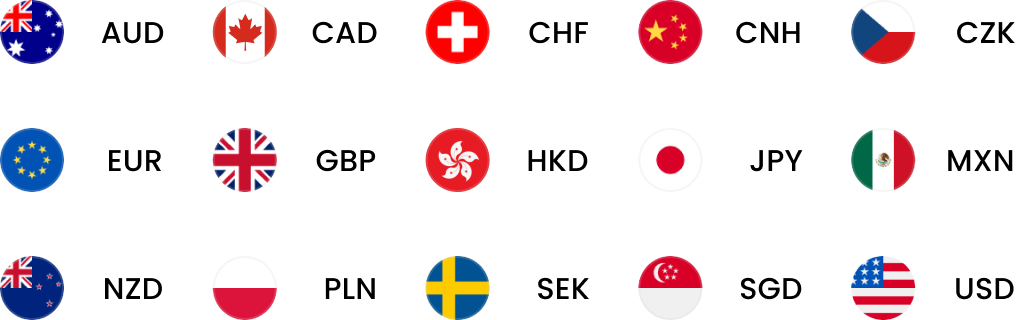
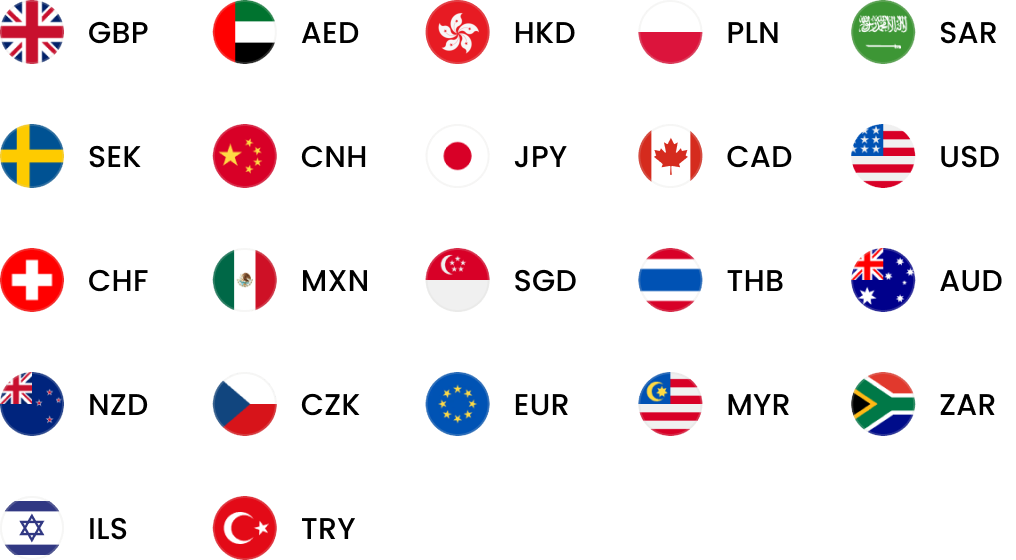
Sign up for a World Account and send 20+ currencies to the US using local account details.
What is a routing number?
A US routing number is a 9-digit code used to identify banks and financial institutions in the United States. It’s specific to the US and its territories, and is typically only used for domestic payments.
When you send money, the routing number works alongside the account number to identify exactly where the funds should go:
- The routing number identifies the bank or credit union
- The account number identifies the specific account
You might also hear routing numbers referred to as ABA routing numbers or routing transit numbers (RTN). These terms all mean the same thing. “ABA” comes from the American Bankers Association, which originally developed the system.
Depending on the bank and the type of payment, the way routing numbers work can vary. For example:
- Larger US banks often have multiple routing numbers. These can vary based on where the account was opened or where the bank is located, because routing numbers were originally designed to route payments through specific regional processing centres.
- Some banks use different routing numbers for different types of transfers. For example, the routing number used for ACH (Automated Clearing House) payments (like payroll or bill pay) may be different from the one used for domestic wire transfers, which are processed through a different system.
- Outside the US, banks don’t use routing numbers at all. Instead, each country has its own system (like sort codes in the UK or BSB codes in Australia). That means the exact details you need will depend on where you’re sending money and how the local banking system is set up.
When do you need a routing number?
You’ll usually need a bank routing number when you’re sending money between bank accounts within the United States.
If you’re moving money from one US bank account to another, you’ll typically be asked for:
- A routing number (ABA number)
- An account number
The routing number acts like an address for the bank. It tells the system exactly which bank should receive the money so it can be routed to the correct account.
It’s used for common payment types like ACH transfers (everyday payments such as bills or payroll) and domestic wire transfers, which are typically used for larger or time-sensitive payments and are processed individually, often arriving the same day.
Do you need a US routing number if you’re sending money from overseas?
In most cases, you don’t need a US routing number when sending money from overseas, because international transfers typically use a SWIFT code (or BIC) to identify the recipient’s bank.
If you’re sending money from outside the US, you’ll usually need:
- A SWIFT/BIC code
- The recipient’s account number
Along with that, you’ll typically be asked for a few standard details to complete the transfer:
- Account holder’s name and address
- Bank name and address
- Account number (or IBAN, where applicable)
- The amount and currency
- The purpose of the transfer (in some cases)
The SWIFT code is what connects banks through the global network, so in most situations, a routing number isn’t required.
However, there are a few situations where a routing number might still come into play:
- Transfers involving certain countries: Some countries use additional local bank details alongside SWIFT codes. For example, transfers to Canada may require a routing transit number to help direct the payment to the correct branch.
- Intermediary bank requirements: If the payment passes through intermediary (or correspondent) banks, they may request extra details (such as a routing number) to help route the funds correctly through their systems.
- Specific bank processes: Some banks may ask for additional identifiers as part of their internal workflows, even for international transfers. This can include routing numbers to ensure the payment is processed without issues.
Where do you find your routing number?
If you need a routing number, it’s usually straightforward to track down, especially if you already have a US bank account.
If you have an American bank account, you can typically find your routing number in a few places:
- By logging into your bank’s website or mobile banking app
- On your bank statements
- On a paper cheque
If you’re looking at a cheque, you’ll see a series of numbers along the bottom. These are laid out in a standard format:
- The routing number is usually on the left
- Your account number sits in the middle
- The cheque number appears on the right
If you’re sending money to the US from overseas, in most cases, you’ll need to ask the recipient to provide their bank details. This typically includes:
- Routing number
- Account number
- Full name on the account
- Bank name and address
- SWIFT/BIC code (this is especially important for international transfers)
Having the correct details upfront helps avoid delays and ensures the payment reaches the right account without issues.
A simpler way to send money to the US with WorldFirst
If you’re sending money to the US from another country, it’s rarely as simple as plugging in the right code and hitting send.
Even when you have the correct details, you’re often still dealing with slow transfer times, FX fees and the ongoing hassle of converting currencies back and forth.
With a World Account, sending money to the US becomes a lot more straightforward, without all the usual friction behind the scenes.
WorldFirst is a payment platform that lets you receive, hold and send money in multiple currencies. Instead of opening separate bank accounts in every country you operate in, you can manage all your international payments in a single place.
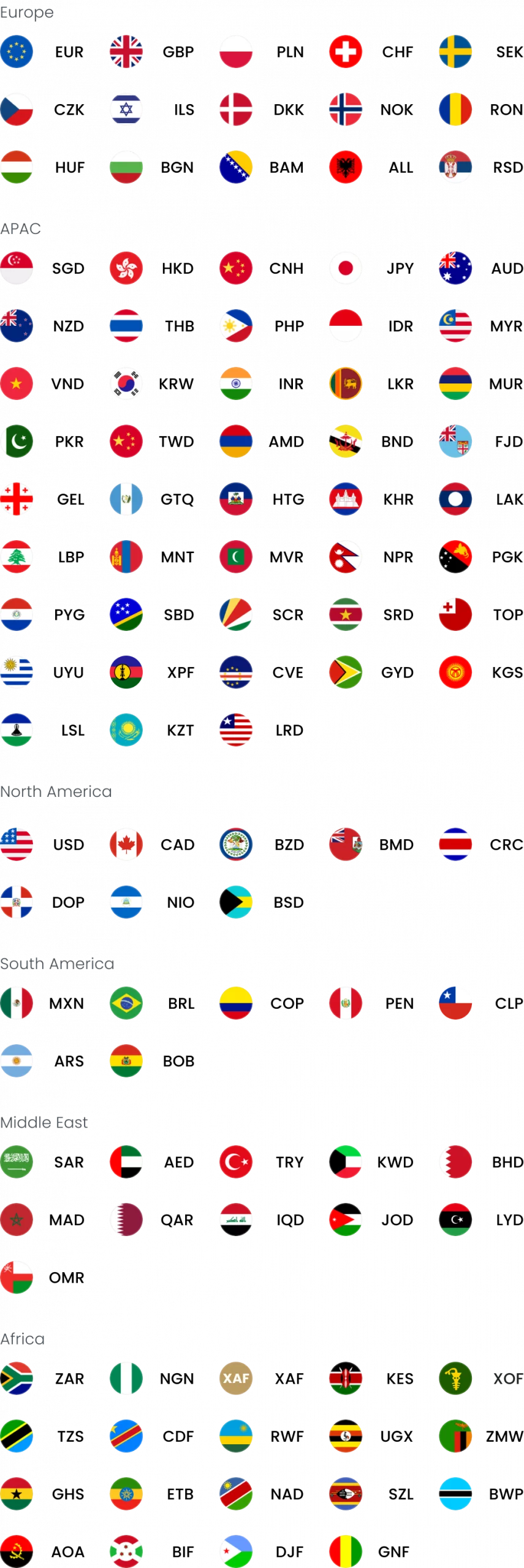
Once you sign up for a free World Account, you can hold 20+ currencies in one account – and send payments in 100+ currencies to over 210 countries and regions.
Here’s what you get when you sign up for a World Account from WorldFirst:
Use a US routing number for international USD payments and bypass the SWIFT slowdown
Sending money to the US often takes 3–6 working days due to multiple intermediary bank stops, compliance checks and cut-off times within the SWIFT payment network.
With a World Account, you can hold USD currency (and 20+ other currencies), and send payments from that USD currency account locally – even if you’re not a resident.
The reason this works is simple. These accounts are connected to local payment rails and, depending on the currency, only require a US routing number, a UK sort code or a European IBAN to send and receive money like a local business.
Because the payment is processed through domestic rails, it avoids the typical SWIFT slowdown – and 90% of funds arrive within one working day.
Read more: Make fast and instant international money transfers
Avoid FX fees when sending money to the US
Another advantage to using WorldFirst’s 20+ multi-currency accounts is cost. Traditional SWIFT transfers can become expensive once you factor in all the moving parts. Beyond the upfront transfer fee, there are often FX markups and intermediary bank deductions – costs that aren’t always obvious at the start.
For instance, if a foreign business needs to pay a US supplier $50,000, they’ll likely pay $25–$50 in transfer fees, a 3-4% FX markup fee and another $15–$60 in intermediary bank deductions. In the end, they could lose $2,000 on a single payment.
With a World Account, the process works differently. If you’re already holding USD in your multi-currency balance, you can send funds to the US without needing to convert currencies.
Because the payment moves through domestic rails, it’s treated like a local transfer. So not only will you not pay intermediary bank deductions, but you won’t pay FX fees either.
Read more: What are the best currency exchange services for international businesses?
Set up a free account in under 15 minutes and pay multiple currencies from one platform
For many international businesses, managing money across borders often means choosing between two frustrating options: constantly converting funds back into a home currency, or dealing with the complexity of opening bank accounts in multiple countries.
A World Account offers a simpler alternative.
You can register for an account in under 15 minutes, with approval typically completed within two days. Once you’re set up, you can open a USD balance (often instantly) and will receive your ABA routing number, an account number and a SWIFT code.
It’s also completely free to sign up for a World Account, and there are no minimum deposits, no average balance requirements and no monthly charges.
And if you ever need help, you’ll have access to global customer support in 20+ regions, so you’re not left figuring out international payments on your own.
Read more: What’s the best way to track multi-currency business spending in one place?
Sign up for a free World Account and easily send money to the US from around the globe
At the end of the day, a US routing number is a simple concept. It’s just a nine-digit code that helps identify a bank for domestic transfers. But as you’ve seen, things get more nuanced once you’re sending money across borders.
With WorldFirst, you can use a US routing number to not only send and receive payments in the US, but also overseas. This is a big differentiator because this routing number is what lets you pay like a local from outside the US.
In just five simple steps, sign up for a World Account and get the benefits of a US bank account, even when you’re not local.
- Start your application: Go to the WorldFirst registration page and begin your free sign-up. Choose a business account and enter basic details like your email and password.
- Add your company information: Provide key details about your business, including company name, registration number and address.
- Share director and ownership details: Enter information for company directors and anyone who owns or controls the business (this is required for verification).
- Upload documents: Submit a few documents to confirm your identity and business, such as:
- Business registration documents
- Proof of identity (passport or ID)
- Proof of address (if requested)
- Submit and get approved: Review your details and submit your application. Approval typically takes 1–2 business days.
Open a World Account today, and start sending and receiving in USD.
FAQs
Do I always need a US routing number to send money to the US?
No, not always. If you’re sending money domestically within the US, you’ll typically need a routing number. But for international transfers, you’ll usually need a SWIFT/BIC code instead. In some cases, both may be required depending on the bank or payment method.
What’s the difference between a routing number and a SWIFT code?
A routing number identifies a bank within the US for domestic payments, while a SWIFT/BIC code identifies a bank globally for international transfers. Think of the routing number as local, and SWIFT as international.
Where can I find a US routing number?
You can usually find it in online banking, on a bank statement or on the bottom of a paper check. If you’re sending money to someone else, the safest option is to ask them directly for their full payment details to avoid errors.
Shawn Ma leads business development at WorldFirst UK, with a deep expertise in fintech, risk management and cross-border commerce.

Shawn Ma
Author
Continue reading


Subscribe
The Weekly Dispatch
Get the latest news and event invites. Signup for our weekly update from the worlds of fashion, design, and tech.
Choose a product or service to find out more







The simpler way to pay and get paid
Save money, time, and have peace of mind when expanding your global business.