



























A virtual IBAN lets you get paid in other currencies without opening a bank account in every country you sell to. Before we get into how a virtual IBAN works, here’s a quick look at what it is, how it’s different from a normal business bank account, and how UK businesses can get one to receive foreign payments.
Key Takeaways
- A virtual IBAN is a unique account number that routes incoming payments to an underlying master account rather than being a standalone bank account.
- UK businesses can use virtual IBANs to receive payments in different currencies, manage overseas client payments, and simplify international payment reconciliation.
- A virtual IBAN can help businesses receive money like a local account without opening separate bank accounts in every country they trade with.
- Before choosing a provider, check the currencies and countries supported, fees, regulatory status, and whether funds are safeguarded or covered by FSCS protection.
- Virtual IBANs are generally more useful for businesses that regularly receive or send international payments than for businesses operating only within the UK.
- Providers such as WorldFirst offer local currency accounts that can serve similar practical purposes for businesses trading internationally.
What is an International Bank Account Number (IBAN)?
An International Bank Account Number (IBAN) is a standard format for identifying a bank account in international payments. An IBAN can be up to 34 characters long, but a UK IBAN is 22 characters.
The breakdown of an IBAN
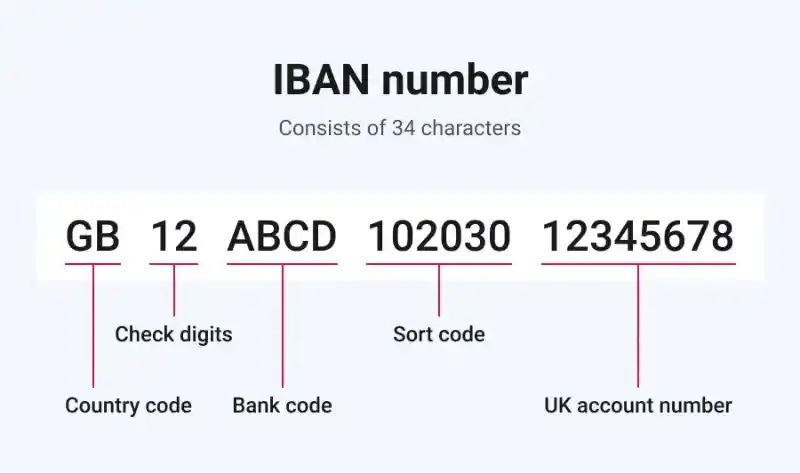
- The first two letters represent the country code
- The two check digits are used for error detection
- It consists of 30 alphanumeric characters that refer to a country-specific bank account number
- Usually, IBAN has digits from 0 to 9 and 26 alphabetic characters from A to Z.
What Is a Virtual IBAN (vIBAN)
A virtual IBAN (vIBAN) is an account number that routes incoming payments to a single master account held by the provider that issued it.
To whoever’s paying you, it looks and works exactly like a standard IBAN. They enter it as the destination, and their bank sends the payment through SWIFT, SEPA or local clearing as normal. The difference is all on your side: your provider uses the virtual IBAN to identify and allocate each payment as it arrives.
That’s what makes it useful. Say you’re a UK business with clients in several countries. Without virtual IBANs, you’d need to open and run a separate account in each one, and tracking payments across them by hand gets messy fast when every client pays in a different currency. Instead, you can have one virtual IBAN per client, currency or sales channel, with everything landing in the same master account.
Virtual IBAN vs IBAN: key differences
| Feature | IBAN | Virtual IBAN |
| Tied to its own bank account | Yes | No, it routes to a shared master account |
| Number of accounts a business typically needs | One per country or currency, opened separately | Multiple IBANs can be issued from a single underlying account |
| Setup time | Often days to weeks, sometimes requiring local presence | Usually minutes, with online setup |
| Main use case | Holding your own money long-term with full banking services | Receiving and identifying incoming payments cleanly |
In short, a real IBAN gives you a fully standalone account relationship with a bank. A virtual IBAN gives you the receiving address of an account, without opening a separate account for every currency or country you deal with.
When should you use a Virtual IBAN
If lots of customers pay into one account, you’re relying on each of them to get the reference right. When they don’t, payments go unmatched. A virtual IBAN helps because each one is tied to a specific client, channel or currency from the moment it’s issued.
Your business would probably benefit from a vIBAN if one or more of the following applies:
1) You invoice overseas clients regularly, but they’ve been slow to pay because your UK bank details mean an expensive, delayed international transfer on their end
2) You sell goods on marketplaces that pay out in local currency like Amazon US, a European storefront, or similar ecommerce portals and lose money converting that payout back to GBP through your marketplace or a poor exchange rate
3) Your overseas suppliers want to hold their invoice currency rather than converting GBP every single time
4) You’ve just launched your UK business and want to test a new market without you committing to opening a full local bank account.
How a Virtual IBAN Works, Step by Step
Step 1: You open an account with a provider that issues virtual IBANs (an EMI, a fintech, or in some cases a bank).
Step 2: The provider assigns you one or more virtual IBANs, depending upon your requirements.
Step 3: When your client pays into that virtual IBAN exactly as they would a normal bank account even though it’s virtual. It won’t affect the transaction in any manner whatsoever.
Step 4: The payment is automatically identified, matched, and routed into your underlying master account, usually within the provider’s own platform.
Step 5: You can then hold that balance in its original currency, convert it, or pay it out, depending on what the provider allows.
What to check when choosing a Virtual IBAN Provider
Regulatory status: Before you sign up, check who regulates the provider and how your money is protected. In the UK, most virtual IBAN and multi-currency account providers are Electronic Money Institutions (EMIs) authorised by the FCA, not licensed banks.
How your money is protected: EMIs safeguard customer funds by holding them in ring-fenced accounts, separate from their own money. That’s different from the Financial Services Compensation Scheme (FSCS), which can compensate you if a UK bank fails. Safeguarding keeps your money separate, but there’s no compensation scheme behind it. Check a provider’s FCA status to see which applies before you hold large balances.
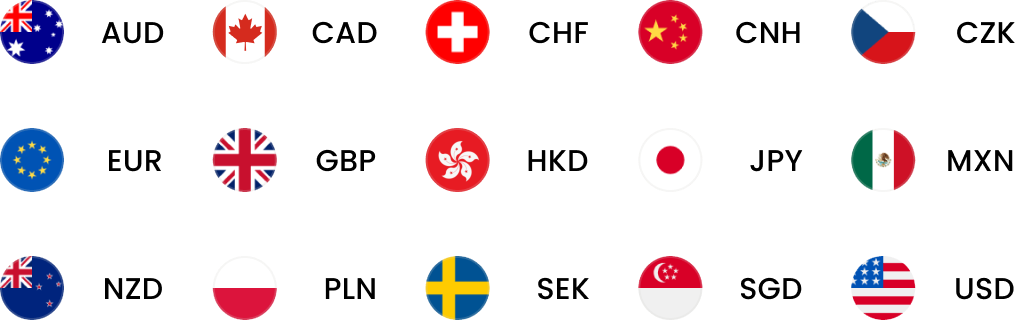
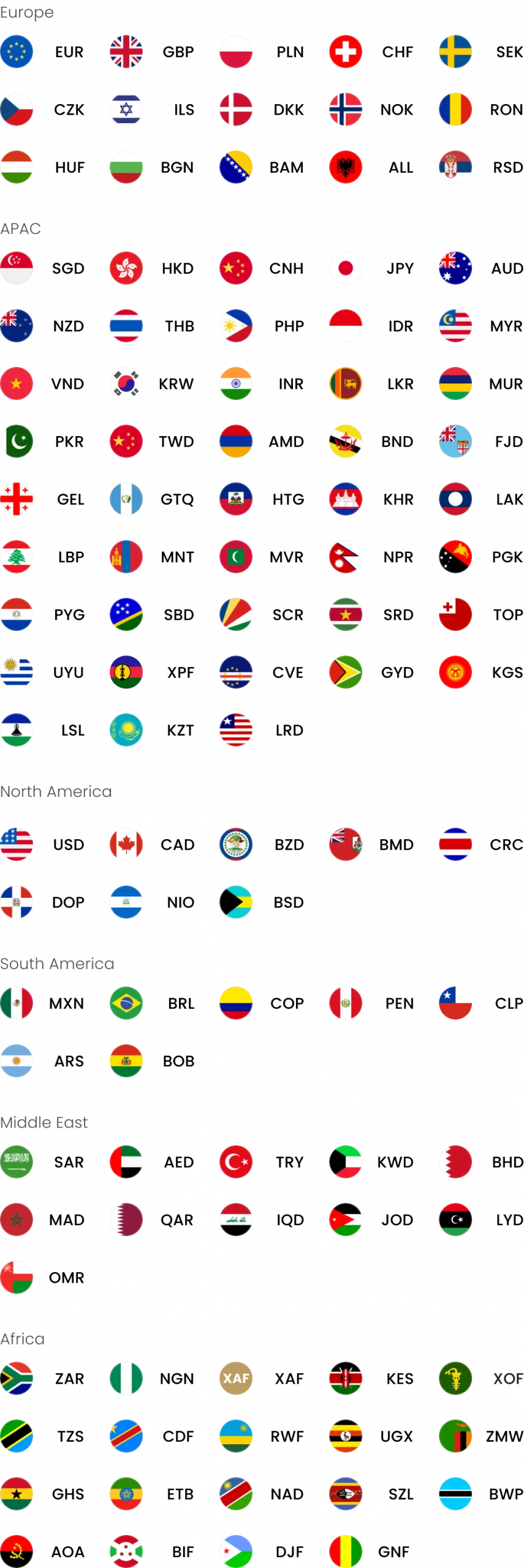
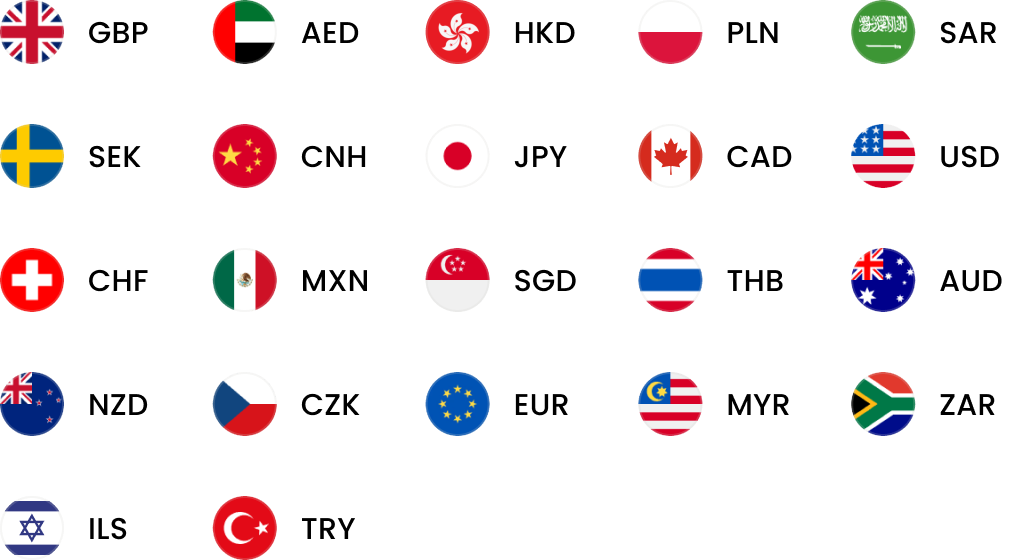
Currencies and countries: Some providers offer a handful of major currencies, while others cover 20 or more. If you need something specific, like offshore Chinese yuan (CNH) or Singapore dollar receiving details rather than the usual USD, EUR and GBP, check before you sign up.
Virtual IBAN or local account details: Providers often use these terms interchangeably. Some issue a separate virtual IBAN for each currency or client. Others give you local account details that do the same job in practice: you get paid like a local business without a full banking relationship in that country.
For most UK businesses, the real question is “Can I get paid like a local without opening a foreign bank account?” rather than what it’s called. If you’re comparing providers on this point, ask them directly how their accounts are set up.
Fees: Some providers let you receive money for free but charge when you convert it, and others do the reverse. Get the full fee schedule for receiving, converting and paying out before you compare headline prices.
Speed: The biggest advantage of a virtual IBAN over a foreign bank account is time. Many providers can set you up online within minutes to a few working days, with no local address or separate local entity needed.
If a provider’s onboarding looks like opening a foreign bank account, with the same paperwork and the same wait, you’re missing the main benefit of going virtual.
How to get a Virtual IBAN
The exact steps vary by provider, but the general process looks like this:
Step 1: Pick a provider based on the currencies and countries you actually need, their FCA/regulatory status, and their fee structure for receiving and converting money.
Step 2: Open a business account with them. It means providing standard business verification documents (company registration, director ID, proof of address).
Step 3: Request the specific currency account(s) you need. Usually, most providers let you do this individually rather than issuing every currency by default
Step 4: Once the initial onboarding process gets complete, you should be able to receive your account details, including the virtual IBAN (or local account number/routing details for non-IBAN countries like the US), within a day.
Step 5: As soon as you get the vIBAN details, you can start sharing those details with your clients, a marketplace payout setting, and others who owed you money.
Common mistakes to avoid when choosing a Virtual IBAN
1) Don’t assume every “multi-currency account” works the same way. Some give you separate local receiving details per currency while others just convert everything to one currency automatically, which won’t help if you want to hold a foreign currency balance.
2) Not checking safeguarding vs. FSCS status before moving significant balances. This isn’t a reason to avoid EMI-based providers, but you should know which protection applies to your money. Also, if you are a recent vIBAN subscriber, it’s best to start cautiously and send smaller amounts before you move a bigger amount.
3) Don’t treat the virtual IBAN as a replacement for a UK business bank account. Most providers offering these are not licensed UK banks and don’t offer domestic UK banking services (cheques, certain direct debit setups, business overdrafts)
4) Ignoring inactivity or maintenance fees. Some providers charge if a currency account remains unused for an extended period. You should check this out, because if you’re opening a vIBAN for a market or just testing.
Is a Virtual IBAN worth it for your business?
If you’re trading internationally and frequently invoicing overseas clients, selling through foreign marketplaces, or paying suppliers abroad, a virtual IBAN or a local currency account is worth considering. You can receive and hold the currency you’re paid in and choose when to convert, with fees applying at the point of conversion.
If your business is purely domestic and you only conduct your business within the UK, you can safely ignore vIBAN. It solves a specific cross-border problem, not a general banking one.
With WorldFirst’s World Account, you can open local currency accounts in 20+ currencies, each with its own local account details, without needing a local address or a separate business entity in each country. Funds land in the relevant currency and can be held, converted, or paid out from there.
WorldFirst isn’t a bank. World First UK Limited is authorised by the Financial Conduct Authority as an Electronic Money Institution.
FAQs
1. Is a virtual IBAN the same as a normal bank account?
No. A virtual IBAN routes payments to an underlying master account rather than being its own standalone account. To whoever’s paying you, it looks and behaves identically to a normal IBAN.
2. Is a virtual IBAN safe?
It depends. In the UK, check whether the provider is an FCA-authorised bank (FSCS-protected up to £120,000) or an Electronic Money Institution (funds safeguarded rather than FSCS-covered) before relying on it for significant balances.
3. Can a UK business get a virtual IBAN in a foreign currency?
Yes. Most UK-focused providers offering this structure let you open local-currency receiving accounts in a range of major currencies, without needing a local address or entity in that country.
4. Do I need a virtual IBAN if I only trade in the UK domestically?
No. The main benefit of vIBAN is receiving and holding foreign currency, or receiving money from overseas clients. But if your business is GBP-to-GBP, you may not need an IBAN.
5. How is a virtual IBAN different from just asking my UK bank for a foreign currency account?
Traditional banks can offer foreign currency accounts, but typically only a limited selection, often with higher fees, slower setup, and sometimes a requirement for a minimum balance or existing relationship. Virtual IBAN-based providers are usually faster to set up and cover a wider range of currencies, though they’re typically EMIs rather than full banks.
6. Are virtual IBANs legal and regulated?
Yes, within the EU/UK regulatory framework, providers issuing virtual IBANs are supervised either as banks or as authorised payment/e-money institutions.
Sources
- https://www.iban.com/country/united-kingdom
- https://eba.europa.eu/publications-and-media/press-releases/eba-finds-divergences-issuance-and-regulation-virtual-ibans-across-eu-identifies-issues-and-provides
- https://www.investopedia.com/ask/answers/100214/whats-difference-between-iban-and-swift-code.asp
- https://www.fscs.org.uk/what-we-cover/
- https://register.fca.org.uk/
- https://www.worldfirst.com/uk/
- https://www.worldfirst.com/uk/help-support/local-currency-account/
- https://www.fscs.org.uk/what-we-cover/banks-building-societies-credit-unions/deposit-limit/
- https://www.bankofengland.co.uk/news/2025/november/pra-confirms-fscs-deposit-limit-to-be-increased-to-120000-from-1-december