



























![How to find e-commerce business ideas for 2026 [Guide]](https://mdn.marmot-cloud.com/worldfirst/sites/15/2024/12/How-to-find-product-idea-min-scaled-1-1024x683.jpeg?image_process=format,webp)
There’s never been a better time to start an e-commerce business. According to Nasdaq, by 2040, nearly 95% of purchases will be made online making for an incredibly bright future for the e-commerce industry and a lucrative one to be a part of.
But, we understand that starting an online business can feel daunting with so many parts to consider and elements to set up. This is why we talk through the beginning stages, step by step, in detail to give you a helping hand
The little voice might say you can’t. We know you can.
Knowing what to sell in your e-commerce store
While it sounds simple, finding the product you want to sell to consumers is often the hardest part – and it’s the critical first step in getting your store started. Here’s how to start.
1. Finding the problem and the solution
First, ask yourself:
- What problem am I looking to solve?
- Who often experiences these problems?
- What products could solve this problem?
This in action could look like:
| The problem | A lot of people find it difficult to stay focused and productive when they work from home. |
| The audience | People who work from home |
| Potential solutions | A desk organiser, noise cancelling headphones, blue light-blocking screens, productivity journal |
With this focus, you can dig deeper into the problem and find a niche area to solve and a specific group of customers to sell to.
Keeping with the example above, your niche problem and audience could be: people who work fully remote without access to a dedicated office space.
There you have it: the very beginning of your business.
2. Evaluating your idea
So you’ve defined your problem and audience clearly. Now you need to look at various solutions and evaluate what will truly help and will be a key differentiator for your business.
Now comes: research, research, research.
With so much available, looking at trends will help you narrow your scope of what you want to sell and why. Because while you may have a specific problem and audience in mind, their solution might not be so obvious.
There are various tools online to help you discover the latest topics, ideas and needs.
Trend Hunter: https://www.trendhunter.com/
Leveraging big data, human researchers and AI, Trend Hunter AI is the world’s largest, most popular trend community. The site studies over 450,000 ideas using over 3.5 billion choices from 250 million people to identify consumer insights, opportunities and new ideas for businesses and brands around the world.
Reddit: https://www.reddit.com/
Being a community network, Reddit discussions are varied and wide with all interests and ideas on the table. The website can help you find out more about your audience’s problems with their niche communities and understand if your solution really is relevant.
BuzzSumo: https://buzzsumo.com/
Social media is a key part to your e-commerce success and creating the right content that sticks is crucial for attracting the audience you want. BuzzSumo collects billions of articles and social engagement data and brings them into a single place for you to identify trends and find your audience.
Jungle Scout: https://www.junglescout.com/
Jungle Scout helps businesses find the best products to sell on Amazon with its product research tools. The platform helps you to utilise keywords that offer maximum potential, uses AI-driven insights for new opportunities and filter out what would fit with your plan based on historical product analysis and information.
3. Shortlisting your products
After all the research and trend analysis, you’ll hopefully have a substantial list of products that you can now slim down into a shortlist.
It may be tempting to find a reason why each product would solve the problem for your audience, but when it comes to e-commerce, you want to stand out from the crowd with a direct and clear solution. This process will also give you a better framework for your strategy and whole business plan.
When shortlisting your products:
| Consider removing | Why? |
| Large or heavy products | Expensive to ship |
| Fragile products | Higher risk of breaking in transit and need for returns and refunds |
| Products with strict regulatory standards | Long lead times and more expensive to sell |
| Locally available products | Less need to buy online |
Being a bit cut throat with your product list gives you a solid foundation to grow from and by considering the logistics early on, your operations will run more smoothly when you launch.
Understanding the market
Now comes the part of learning about the market and knowing where yours is. This includes looking at the competition, the demand for your specific product and where the best place is to sell it.
Where to sell
Google Trends analyses top search queries in Google Search across multiple regions and languages, and over a period of time. With your target audience in mind, you can drill into which is the best country or region match for your business, and if there’s a seasonal trend for your product.
The need
With your market trend analysis done, next up is conducting some keyword research. This will give you a fuller understanding of the number of people per month that are searching for your product or one closely related to it and how in demand such a solution is. Using Google Keyword Planner is a great place to do this.
The competition
The e-commerce industry is huge, which means both more consumers and more competition. To stand out from your competitor, you need to be different and to know how to do this, some competitor analysis, like looking at their strengths and weaknesses, is needed.
You can start doing this with a simple Google Search and looking at the top ranking sites and businesses. Look into how they position themselves, their branding and the way they speak. You can also use Semrush and their Competitive Research Toolkit to look at your competitors at a glance.
Alternatively, for specific product analysis, head to marketplaces like Amazon, eBay and Etsy to see their price points, keywords and content, like images, details, videos. Sometimes it’s useful to buy products from the competition to compare design, branding, and if it really is how it’s described online – including dimensions and weight. With this level of information, you’ll be able to set realistic expectations for the product you want to sell and possibly get some new ideas on how to improve what’s already out there.
It’s important to remember that competition isn’t a bad thing. In fact, it’s necessary to show that there is a demand for the product you’ve decided to sell.
Here are some questions that you should be able to answer from your competitor research:
- Who are their target customers?
- How much of the market do they sell to?
- What is their main differentiator?
- What are the key benefits and features they highlight online?
- How much are they selling the products at? Does this change across different marketplaces and regions?
- What is their shipping method and charge?
- How do they market their products?
- Which social media platforms do they use to promote their products and engage with potential customers?
- What do their customers say about them?
Getting your product
Now that you’ve come this far, only a few steps remain before you can officially launch and sell online.
The main point now is getting your product and there are few ways to do this, depending on your skills and knowledge.
- Craft it yourself: A good and sensible option for hobbyists or crafts people who want to make their own product and sell on niche platforms such as Etsy or Amazon Handmade. It goes without saying that this can be time-intensive and challenging to scale, but there is the unique selling point (USP) of having a handmade product with a personal touch to sell.
- Hire a manufacturer: If you’re looking to introduce new items or a personalised element to an existing product, sourcing a manufacturer – either domestic or international – is often the sensible option. You’ll have more say in the design and can still create a unique item for the market. Keep in mind that this path often requires a substantial financial outlay to start with. Resources like domestic directories and Alibaba can help you find potential manufacturing partners.
- Buy wholesale: This is a less risky option compared to manufacturing as it involves purchasing from existing brands and facilitates a quick market entry with various product offerings. The downside: you won’t have exclusive rights to these products. Directories like WorldWideBrands can be invaluable in identifying potential wholesalers to buy from.
- Dropshipping: If you’re looking for a cost-effective initial step into the market, dropshipping could be your go-to strategy. Resources such as Oberlo or AliExpress offer extensive directories for sourcing products suitable for dropshipping.
Each of these paths has its merits and challenges; your choice will depend on your business model, resources and long-term goals.
Confidently launch your e-commerce business
Starting your own e-commerce business comes with many challenges and requires plenty of preparation and research before anything can really begin.
While this slower than anticipated start might be daunting, it puts you in the best position to ensure what you’re selling, who you’re selling to and how you’re selling is hitting the right markers and helps to set you up for success.
With any e-commerce business, by continually thinking that your efforts and time spent are a long term investment, you’ll remain competitive in this ultra-competitive but incredibly exciting and growing industry. Stick with it, we know you can do it.
Launching your e-commerce business with WorldFirst
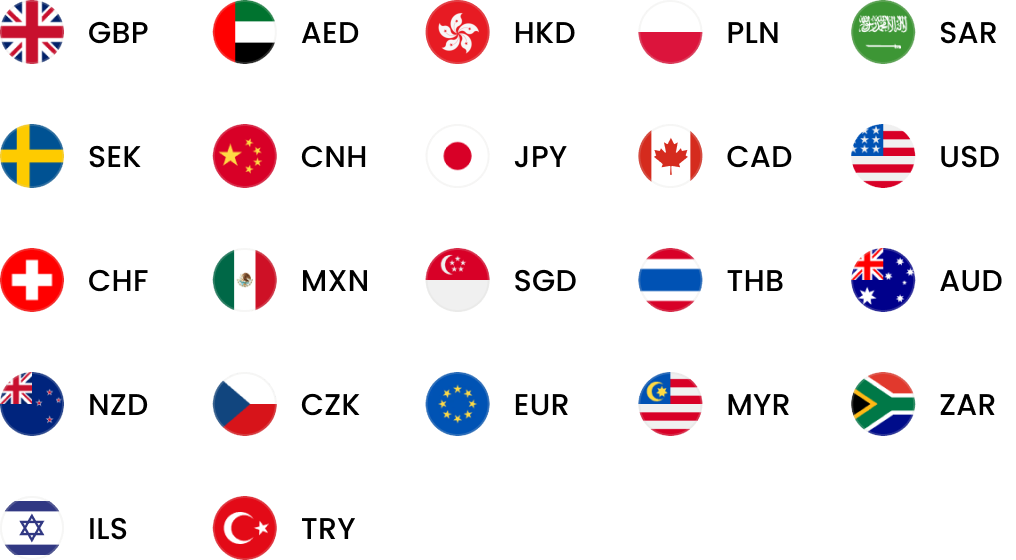
The World Account is a business account designed to help e-commerce businesses simplify their transactions and expand their reach across borders. This single account allows you to receive your sales income in 10 major currencies with the speed and ease of local payments from 100+ marketplaces and ecommerce stores including Amazon, AliExpress, PayPal and Shopify.
You can keep funds in your account and use them to pay for goods, services and taxes in 40+ currencies in 130 countries, or withdraw them. You can also get local account details for USD, CNH, SGD, EUR and more, with no overseas address needed.