Business
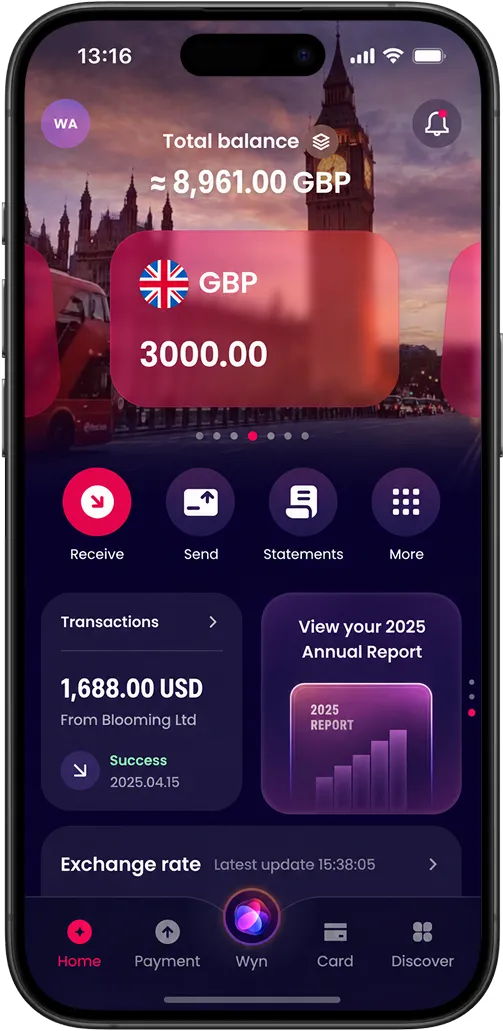
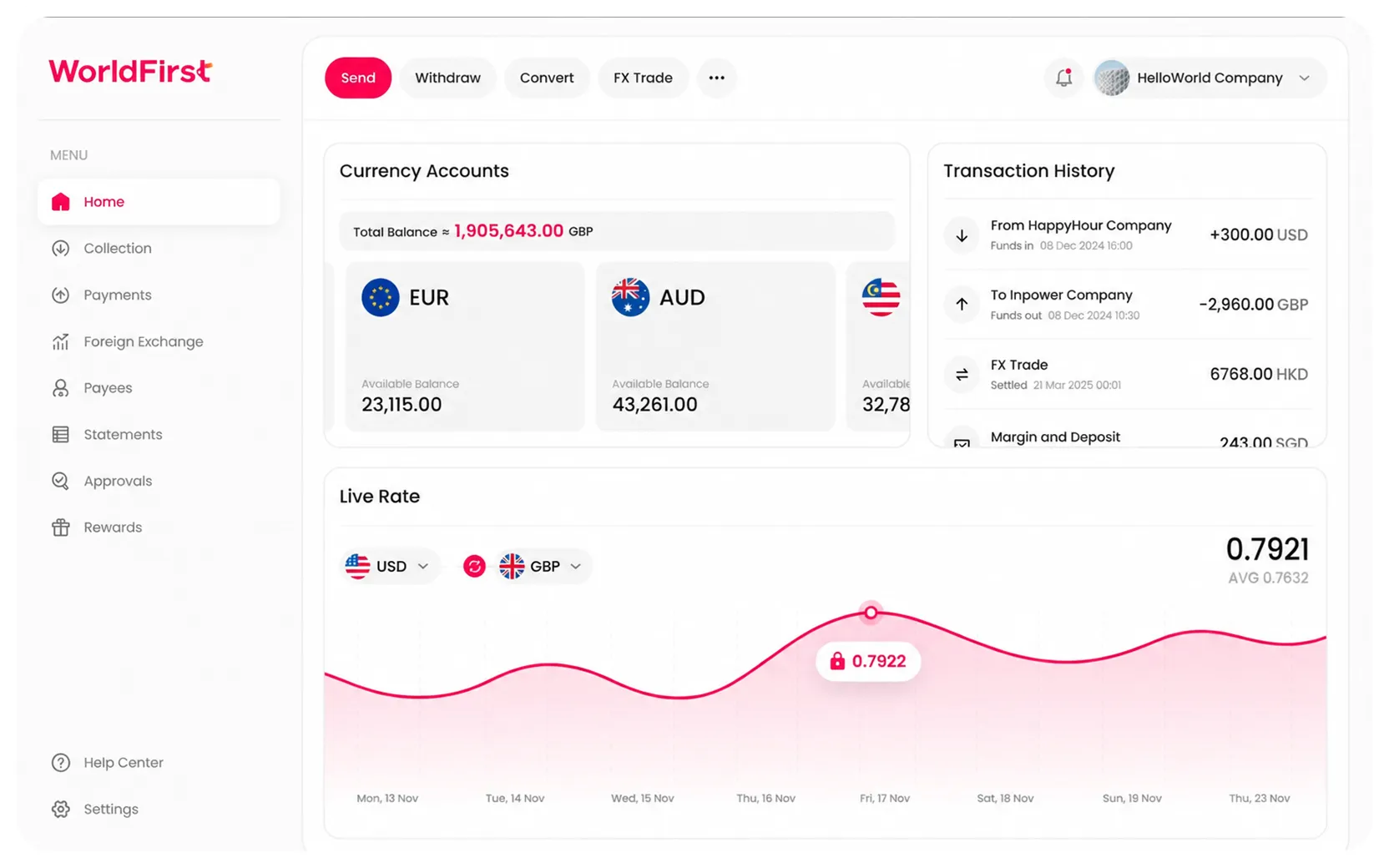
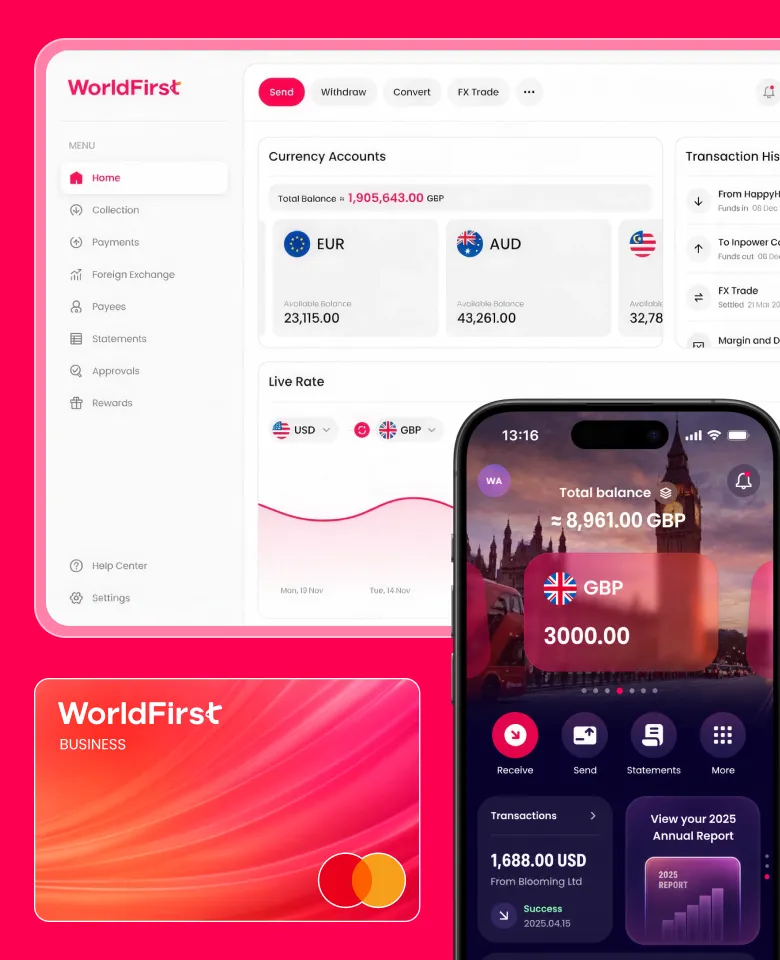
Multi-currency accounts, competitive FX, and global transfers — Everything you need to pay and get paid internationally
Products
Enterprise
Built for faster payments, smarter liquidity, and robust compliance-all powered by our next-gen API toolkit and Al-native architecture.
Products
Resources
About us
Named a Top Global Fintech Company by CNBC & Statista, we’ve supported 1.5M+ businesses since 2004.
About WorldFirst
Europe
Asia
Oceania
Africa

We provide coverage in South Asia and Middle East: servicing 210+ countries and territories.

Best dollar account for UK freelancers and services exporters

Contents

If you invoice clients in New York or get paid out through a US platform, you already know the sting: the payment lands, and somehow it’s smaller than the number on your invoice.

Your bank has quietly applied its own exchange rate, often 3-5% below the mid-market rate, before the money ever reaches your account. On a £10,000 invoice, that’s up to £500 gone before you’ve even opened a spreadsheet.

This isn’t a rounding error. UK freelancers and services exporters invoicing roughly £40,000 a year overseas can lose between £1,200 and £2,000 annually to hidden bank FX spreads.

A dedicated dollar account is designed to close that gap by giving you local US receiving details, control over when you convert, and visibility over the margin you’re actually paying.

This article walks through seven ways a dollar account can change how UK services exporters get paid, what it costs, how it compares with high-street banks and other providers, and what to check before you switch.

Key takeaways:

  • Local USD details simplify getting paid: clients can send dollars through local US payment rails instead of relying on an international SWIFT transfer
  • You keep control over conversion timing: holding USD lets you choose when to convert rather than accepting an automatic bank conversion on receipt
  • FX pricing can make a bigger difference than account fees: dedicated multi-currency providers often charge less for conversion than traditional banks, which matters as invoice values grow
  • Platform compatibility matters for freelancers: support for services such as Upwork and Deel can reduce extra payout steps and avoid unnecessary conversions
  • WorldFirst combines USD receiving with multi-currency tools: eligible UK freelancers and businesses can receive USD with local details, hold funds and convert when needed from one account

Open a World Account to start receiving USD with local account details and no monthly fees.

How we assessed these

Every dollar account option below is assessed against the same five criteria that matter most to UK services exporters:

  • Receiving payments: whether you get local USD details or need to rely on SWIFT.
  • Receiving and FX costs: what you pay to receive USD and convert it into GBP or another currency.
  • USD holding: whether you can keep funds in dollars without an automatic conversion.
  • Freelance platform support: how well the account works with platforms such as Upwork and Deel.
  • Account opening: how quickly a sole trader, freelancer or small agency can get set up.

The comparison uses current published pricing and provider information, with relevant restrictions highlighted where they could affect your decision.

Dollar accounts for UK freelancers at a glance

The table below compares the main strengths, limitations and best use cases of five dollar account options for UK freelancers and services exporters:

Provider Best for Main strength Main limitation
WorldFirst World Account Services exporters and freelancers wanting local USD details plus FX tools Free to open, local ACH details, forward contracts up to 24 months Not a bank, no lending or domestic cash management
Wise Business Freelancers wanting simple, transparent FX pricing Local receiving accounts in 9 currencies, FX margin around 0.45% Fewer receiving currencies than some multi-currency accounts
Starling Bank Established businesses already banking with Starling Familiar UK banking app, 0.4% FX markup £5 monthly fee, doesn’t accept sole traders, not currently open to new USD applications
Lloyds Bank Businesses wanting everything under one bank Full business banking relationship £60 annual fee plus roughly 2.6% FX margin on payments under £25,000
HSBC / Barclays Larger, established exporters with existing banking history Familiar high-street presence HSBC needs an existing business account; Barclays requires 12+ months trading history

7 ways a dollar account can work for UK freelancers

A dollar account can do more than receive USD. The seven benefits below show how it can reduce payment friction, give you more control over FX and make it easier to manage income and expenses in dollars.

1. Get paid like a local with US account details

Best for: freelancers and agencies invoicing US clients directly, without a US business presence.

The most direct fix for the SWIFT problem is a US account number and routing number that behaves like a domestic account.

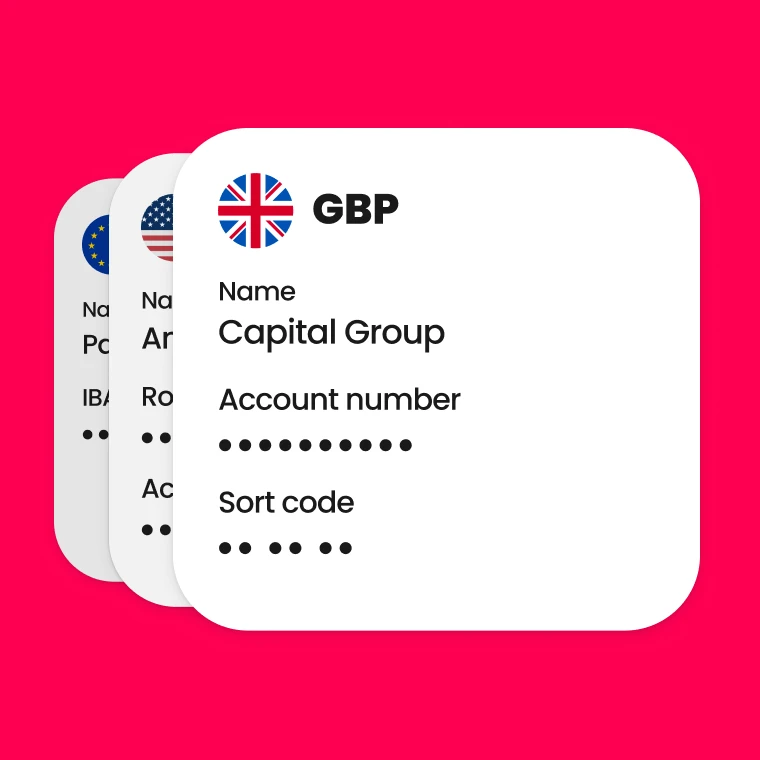
With WorldFirst’s World Account, a USD receiving account with ACH-compatible details is generated automatically when you open the account, meaning your US client pays you the same way they’d pay any other American supplier.

The main benefits of using local USD receiving details are:

  • Local rails, not SWIFT: payments move through domestic US clearing rather than international wire networks
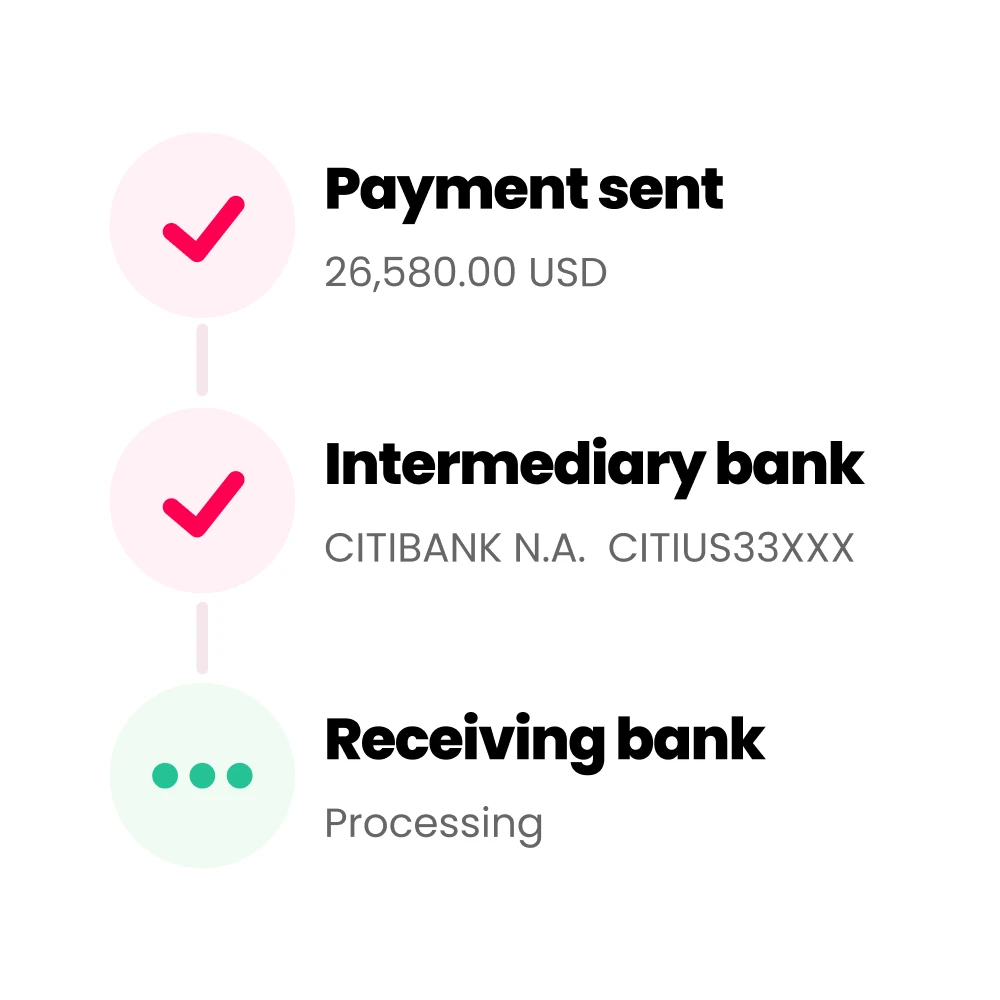
  • No correspondent bank deductions: SWIFT transfers can take up to six working days and correspondent banks along the route can quietly deduct fees before the payment arrives
  • Faster settlement: WorldFirst reports that around 80% of payments land the same day, with most of the rest arriving by the next working day

Pricing:

Free to receive funds into a World Account, with local payments (GBP, EUR or USD) costing £0.30 and international payments £4.00.

Trade-offs:

This only solves the receiving side. You’ll still want a plan for converting and using the balance, which is where the next few points come in.

2. Zero receiving fees, zero monthly fees

Best for: freelancers and small agencies with irregular or seasonal overseas income who don’t want to pay for an account they’re not using every month.

Traditional bank foreign currency accounts often carry a standing cost just to exist. A World Account is free to open, with no ongoing account fees and no minimum balance requirement.

The cost advantage comes from avoiding several common account charges:

  • No monthly account fee, unlike Starling’s £5 a month for its multi-currency account
  • No annual fee, unlike Lloyds’ roughly £60 a year for a foreign currency facility
  • No minimum trading history, unlike Barclays, which typically asks for 12 months of trading before offering multi-currency facilities

Pricing:

Receiving and holding funds are free; currency conversion is charged separately at up to 0.50% (or 0.3% for new customers).

Trade-offs:

Free account opening doesn’t mean free everything. Conversion margins and outbound payment fees still apply, so it’s worth checking the full fee schedule against your typical invoice size.

3. Hold USD and convert only when the rate suits you

Best for: services exporters who invoice in USD but pay UK costs in GBP, and want to time conversions rather than accept whatever rate the bank applies on arrival.

A recurring complaint from UK freelancers is that banks convert incoming USD automatically, at a rate you don’t get to see in advance. Holding the currency and converting on your own schedule is a meaningfully different way of managing cash flow.

Holding USD gives you more control over how and when your money moves:

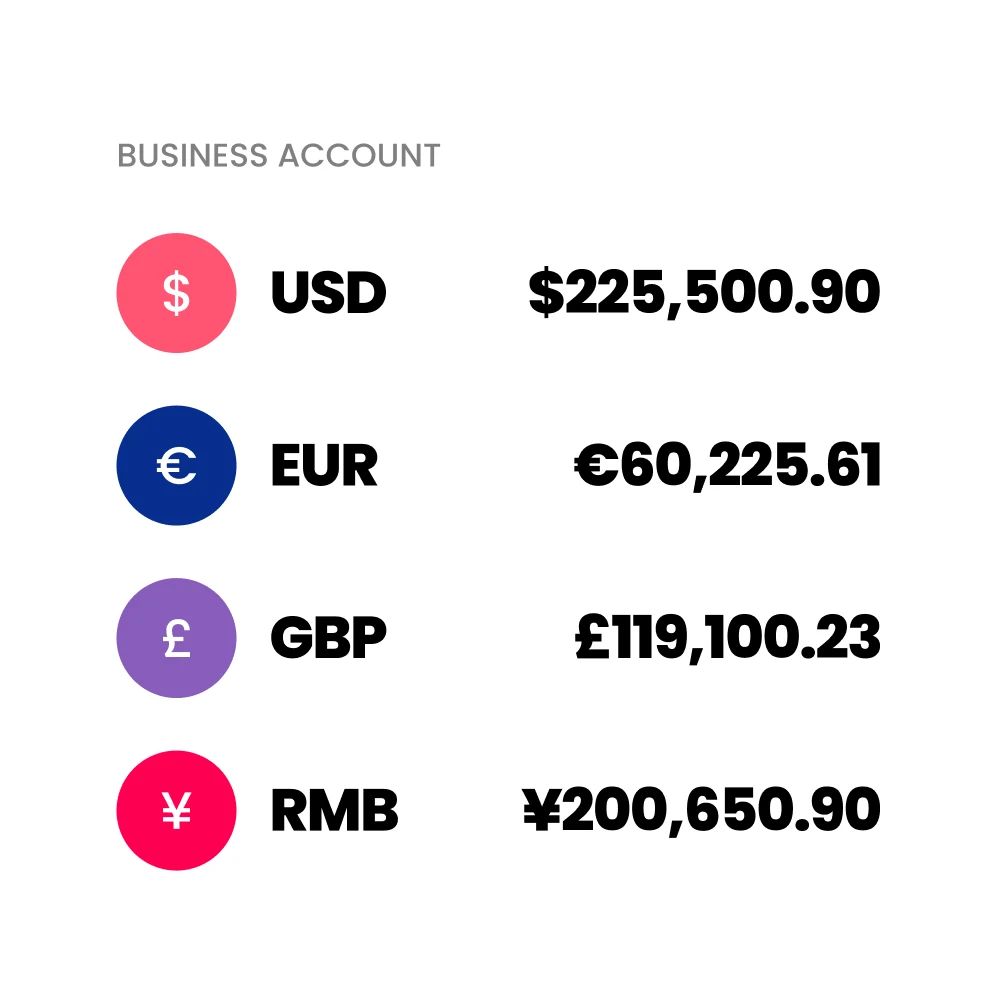
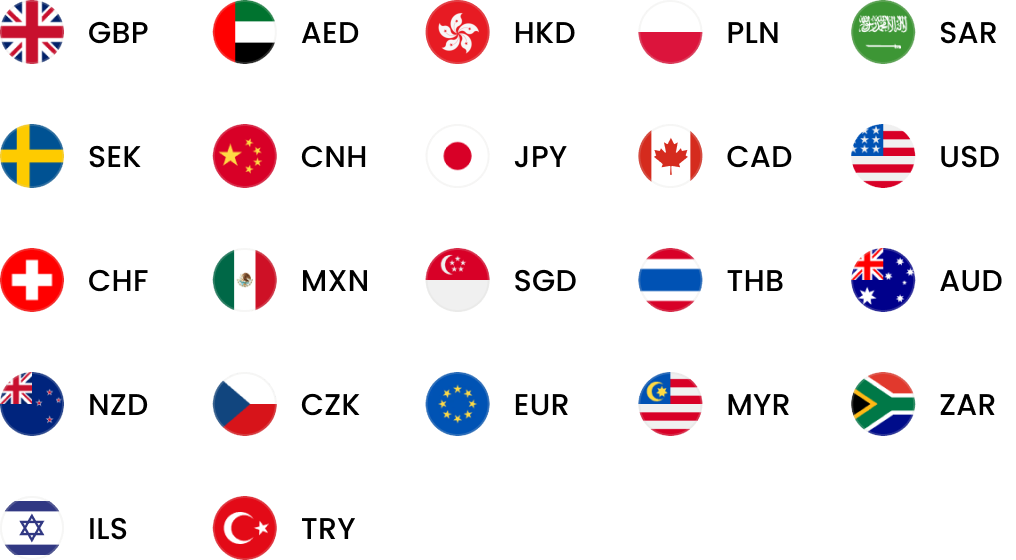
  • Hold in 20+ currencies, including USD, EUR, GBP, AUD and JPY, without being forced to convert on receipt
  • Conversion margin as low as 0.3% for new customers, rising to 0.50% thereafter, compared with roughly 2.6% at Lloyds and 3-5% at many high-street banks
  • Comparable to Wise Business, whose FX margin sits around 0.45% above the mid-market rate

Pricing:

Holding funds is free; you only pay the conversion margin when you actually convert to GBP or another currency.

Trade-offs:

Holding USD means you carry exposure to exchange rate movements until you convert, so it suits exporters comfortable managing that timing rather than those who want certainty on every invoice.

Read more: How to receive international payments as a business

4. Connect directly to freelance platforms

Best for: freelancers earning through Upwork, Deel, Malt, Toptal or similar platforms who want payouts to land in USD without an extra conversion step at the platform’s own rate.

If a meaningful share of your income comes through platforms rather than direct invoicing, the account needs to fit that workflow specifically.

For platform-based income, the main advantages are:

  • Platform integrations with Upwork, Deel, Malt, Toptal, Remotive.io, Timee and Freelancer.com
  • Direct USD payouts into your dollar account rather than through the platform’s own currency conversion
  • Works for sole traders, whether you’re a registered business or an unregistered freelancer, subject to standard compliance checks

Pricing:

Receiving platform payouts follows the same fee structure as any other incoming payment, so check the relevant local or international payment fee on the provider’s pricing page.

Trade-offs:

Not every platform supports every provider, so confirm your specific platform’s payout options before assuming direct integration.

5. Lock in exchange rates with forward contracts and firm orders

Best for: established services exporters with recurring monthly or quarterly USD invoices who want to protect margins against currency swings.

For services exporters with predictable, recurring USD income, rate volatility is a genuine planning risk. Locking in a rate ahead of time turns an uncertain number into a known one.

Several FX tools can make future USD income easier to plan around:

  • Forward contracts let you lock in an exchange rate for up to 24 months ahead of converting
  • Firm orders let you set a target rate that executes automatically once the market reaches it, without you needing to watch the market daily
  • Live rate alerts via email or text keep you informed without requiring constant monitoring

Pricing:

Forward contracts and firm orders are typically offered as part of the standard World Account setup, with the underlying conversion still subject to the standard FX margin.

Trade-offs:

Locking in a rate protects you from unfavourable moves, but it also means you won’t benefit if the rate later moves in your favour. It suits exporters who value predictability over upside.

6. Pay for tools and subscriptions with zero FX fees

Best for: freelancers and agencies with regular USD-denominated expenses, such as SaaS subscriptions or contractor payments, who want to spend from their balance without a separate conversion.

A dollar account isn’t just for receiving money. Once you’re holding a USD balance, spending it efficiently matters too, particularly for software subscriptions, ad spend or travel billed in dollars.

This options adds a few useful features for spending an existing currency balance:

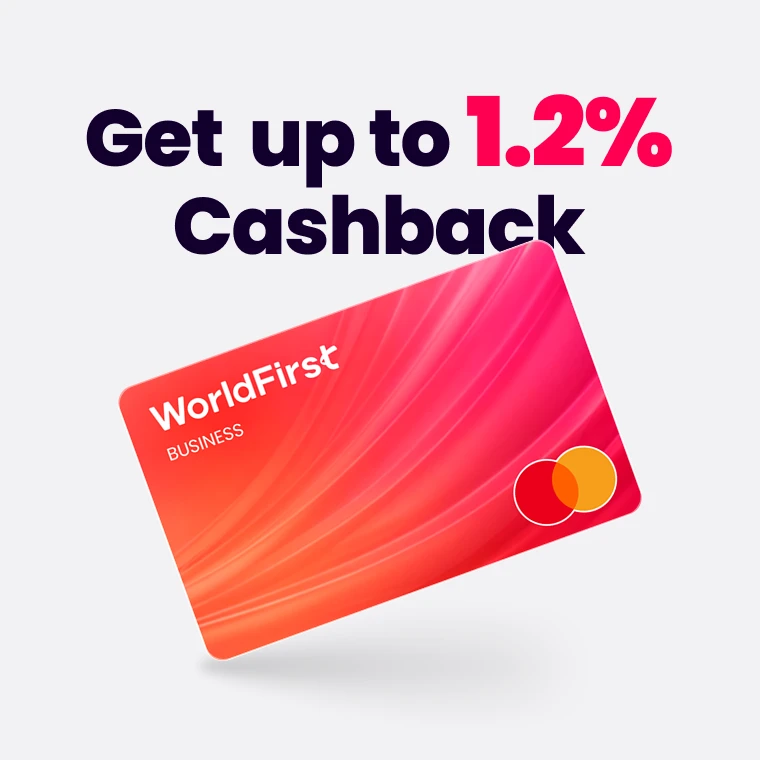
  • World Card, a multi-currency Mastercard available as virtual or physical, with no issuance or annual fee
  • Zero FX fees when spending in 15 major currencies directly from an existing balance
  • Up to 1.2% cashback on eligible spend

Pricing:

The card itself is free to issue; spending outside the supported currencies or without sufficient balance may trigger standard conversion fees.

Trade-offs:

Cashback and zero FX fees apply to specific supported currencies and spend categories, so check current terms against your typical spending pattern before relying on it for every transaction.

7. Set up in under 48 hours, no US entity needed

Best for: new services exporters and sole traders who need to start receiving USD quickly without forming a US entity.

Speed and eligibility matter when you’re already juggling client work. A dollar account built for exporters shouldn’t require a US business registration or a lengthy trading history.

The application process removes several barriers that traditional foreign currency accounts can involve:

  • Fully online application, with no need to visit a branch or provide a US address
  • Open to sole traders and freelancers, not just registered limited companies, subject to standard AML and compliance checks
  • Approval typically within 48 hours, compared with Barclays’ 12-month trading requirement or HSBC’s requirement for an existing business account

Pricing:

Account opening itself is free; you’ll only encounter fees once you start receiving, converting or sending payments.

Trade-offs:

Faster onboarding still involves compliance checks, so have your identification and business details ready to avoid delays.

Read more: Accepting payments in multiple currencies as a UK small business

A worked example: freelance consultant invoicing a US client

Picture a UK-based marketing consultant who invoices a New York client US$8,000 a month. Paid into a standard GBP business account, the bank’s FX spread of 3-5% could cost between $240 and $400 every single month, roughly £2,300 to £3,800 a year at typical exchange rates.

Using a dollar account with local US receiving details instead, the same consultant receives the full $8,000 with no forced conversion. She can hold the balance in USD to pay a US-based subcontractor, convert a portion to GBP at a margin of around 0.3-0.5% when she needs to cover UK costs, and use a firm order to convert automatically once the rate hits a target she’s comfortable with.

Over a year, the difference in FX cost alone can run into thousands of pounds, money that stays in the business rather than disappearing into an undisclosed bank spread.

Making the decision

Whichever route you choose, the starting point is the same: check what you’re actually paying to receive and convert USD right now, then compare it against a dollar account built specifically for services exporters rather than adapted from a domestic banking product. 

WorldFirst isn’t a bank. World First UK Limited is authorised by the FCA as an Electronic Money Institution under the Electronic Money Regulations 2011. Customer funds are safeguarded rather than protected by the FSCS, and WorldFirst doesn’t provide lending, overdrafts, payroll or full domestic banking.

Open a World Account to start receiving USD with local account details and no monthly fees.

FAQs

1. What is a dollar account?

A dollar account is an account that lets you receive, hold and use US dollars without automatically converting them into pounds. Depending on the provider, you may also receive local US account details such as an account and routing number for domestic USD payments.

2. Can a UK freelancer open a US dollar account?

Yes. Some multi-currency providers allow UK sole traders, freelancers and businesses to open USD receiving accounts without having a US company. Eligibility and verification requirements depend on the provider.

3. Do I need a US company or US address to receive USD?

Not necessarily. Providers such as WorldFirst offer USD receiving details to eligible UK businesses and sole traders without requiring them to establish a US entity or maintain a US business address.

4. Can I hold USD without converting it to GBP?

Yes, if your account supports USD balances. A multi-currency account can let you keep incoming USD in dollars and choose when to convert it, rather than converting automatically when the payment arrives.

5. How much does it cost to receive USD?

Receiving costs depend on the provider and payment route. Some multi-currency accounts offer free receiving for supported business payments, while traditional banks or international wire routes may involve receiving, correspondent-bank or currency-conversion charges.

6. Can I receive Upwork or Deel payments into a dollar account?

Potentially, yes. Some multi-currency providers support payouts from freelance and contractor platforms such as Upwork and Deel. You should check both the platform’s current payout options and the receiving-account requirements before setting up the payment method.

Sources:

  1. https://freelancetoolkituk.co.uk/international-payments-for-freelancers-uk
  2. https://www.forexfee.com/payments/wise-business
  3. https://www.starlingbank.com/business-account/multi-currency/

Continue reading

Pay your suppliers around the world. Collect payments for free in 20+ currencies. Convert when it suits you. All in one place.
dollar account

The simpler way to pay and get paid

Save money, time, and have peace of mind when expanding your global business.

扫描二维码下载WorldFirst app
打开手机扫一扫

It looks like you're sending money to family or friends — that's a personal transfer, which is best handled through our app.

Sending money to family or friends? Download our app for the best experience.

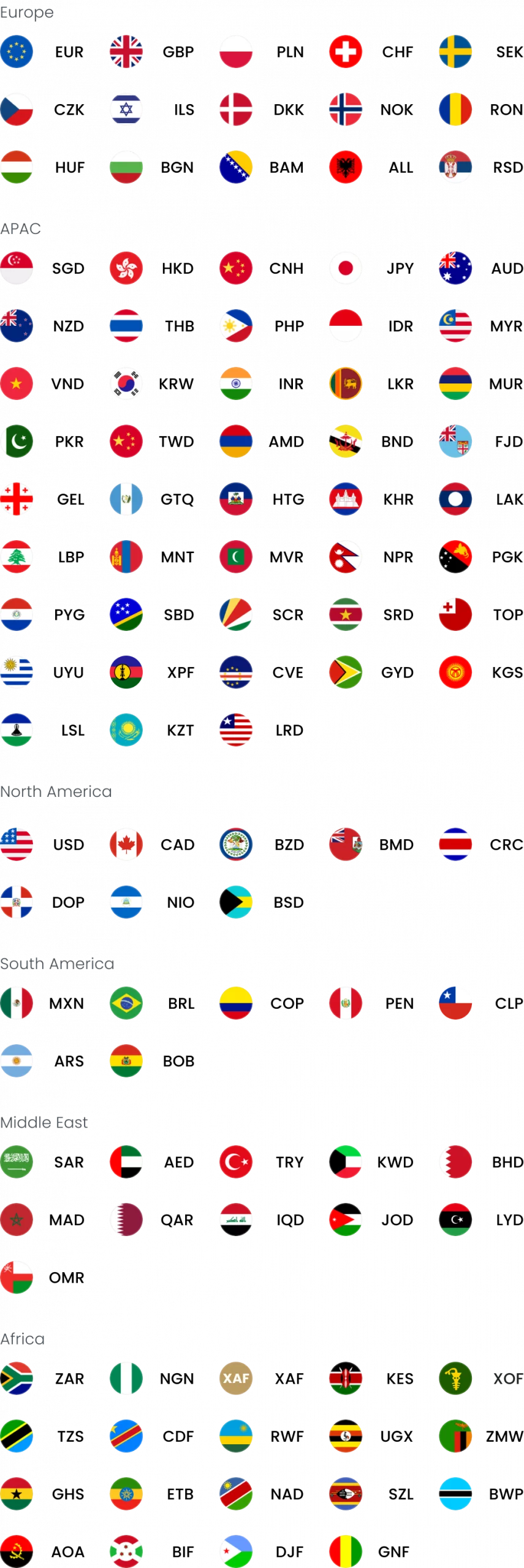
Pay in 15 currencies with World Card, no FX fees

Enjoy zero FX fees when paying in the following 15 currencies with World Card.

Send money in 100+ currencies

You can send money in your WorldFirst account to any of the currencies we support.

Get Paid by 130+ marketplaces

Seamlessly get paid by 130+ marketplaces and pay your suppliers anywhere.

Collect money in 20+ currencies

You can collect money in 20+ currencies. It only takes a few minutes to open an account in the currency you need.