Business
Multi-currency accounts, competitive FX, and global transfers — Everything you need to pay and get paid internationally
Products
Enterprise
Built for faster payments, smarter liquidity, and robust compliance-all powered by our next-gen API toolkit and Al-native architecture.
Products
Resources
About us
Named a Top Global Fintech Company by CNBC & Statista, we’ve supported 1.5M+ businesses since 2004.
About WorldFirst
Europe
Asia
Oceania
Africa

We provide coverage in South Asia and Middle East: servicing 210+ countries and territories.

HSBC Business Banking review 2026: fees, accounts and international payments

Contents

If you’re weighing up whether to open, keep or switch away from an HSBC business banking account, the decision usually comes down to three things: what it costs once you look past the headline monthly fee, how it handles international payments if you trade overseas, and whether the online banking actually stays online when you need it.

Those are fair questions for any UK SME comparing providers in 2026, and they’re the ones this review answers with HSBC’s own published figures.

The UK’s business banking market is under active scrutiny. The CMA-mandated BVA BDRC survey polled over 20,450 SME customers across 17 banks in 2025 on service quality, digital banking and relationship management, and the results show a clear split between challenger banks winning on app experience and speed, and traditional banks like HSBC competing on lending relationships and international trade support.

This review sets out exactly where HSBC UK Business Banking sits in that split.

This article works through HSBC’s current account lineup, its fees in plain numbers, its international payments and FX charges, its online banking track record, how long approval actually takes, and how HSBC compares with the rest of the UK market, before looking at where a multi-currency account fits alongside a domestic HSBC account for businesses that pay or get paid overseas.

Key takeaways:

  • HSBC suits businesses that want a traditional banking relationship: branch access, lending support, cash handling and international trade services are stronger reasons to choose it than low-cost digital banking
  • The headline monthly fee does not show the full cost: cash deposits, CHAPS, cheques and international payments can add meaningful charges depending on how you use the account
  • FX pricing deserves close attention: HSBC uses its own exchange rate with a built-in commercial margin, so businesses making regular overseas payments should compare the total conversion cost rather than the transfer fee alone
  • Digital banking covers the essentials but faces stronger app-led competition: challenger banks such as Monzo and Starling tend to perform better in independent comparisons focused on mobile and online banking
  • Account-opening times are not completely consistent: HSBC publishes estimates ranging from three business days to nine days for its Small Business Banking Account, so businesses working to a deadline should allow extra time
  • WorldFirst can complement HSBC for cross-border payments: businesses can keep HSBC for domestic banking, lending and cash services while using a World Account for multi-currency collections, FX conversion and overseas supplier payments

Open a World Account to see live exchange rates and fixed fees before you send a supplier payment or convert marketplace earnings.

HSBC business banking at a glance

The table below compares HSBC’s main UK business accounts by monthly fee, best-fit customer and expected opening time:

Account Monthly fee Best for Opening time (HSBC’s own figures)
Small Business Banking Account Free Startups, small businesses, switchers 3 business days on the product page; 9 days on the webform page (conflicting)
Business Banking Account £10.00 (12 months free for start-ups/switchers) Businesses borrowing over £100k, those wanting a Relationship Manager No published average; requires “contact us” application
Kinetic Current Account N/A Legacy customers only Closed to new applications
Charitable Bank Account £5.00 Registered charities Not published
Corporate Bank Account Individually agreed Turnover generally above £15m Individually agreed

Checked against HSBC’s official pages and the Business Price List on the date this article was researched.

What HSBC UK offers SMEs

HSBC currently offers two business current accounts that are open to new SME applicants, plus two accounts aimed at charities and larger corporates.

HSBC currently offers two business current accounts

The core choice for most small businesses is between the Small Business Banking Account, which has no monthly fee and free UK digital banking, and is designed for startups, small businesses and switchers with borrowing needs up to £100,000, and the Business Banking Account, which costs £10 a month but includes 12 months of free banking for start-ups and switchers, supports borrowing over £100,000, and comes with access to a Relationship Manager.

If you’ve been considering the HSBC Kinetic Current Account, an app-based account previously aimed at sole traders and single-director companies with daily in-app transaction limits up to £25,000, it’s worth knowing that Kinetic is no longer available to new customers and is closed for new applications.

Existing Kinetic customers keep their account, but anyone comparing providers today needs to look at the Small Business Banking Account or Business Banking Account instead.

Beyond these, HSBC also runs a Charitable Bank Account at £5 a month for registered charities and a Corporate Bank Account for businesses with turnover generally above £15 million, where charges are agreed individually. Both sit outside the scope of a typical SME comparison, but it’s useful to know they exist if your business is scaling towards that threshold.

HSBC business account fees in plain numbers

The honest answer to ‘how much does an HSBC business account cost’ is that the monthly fee tells you almost nothing on its own. HSBC business banking fees are built around a free or low headline charge, with the real cost sitting in transaction fees, cash handling and payment charges that only show up once you’re using the account day to day.

According to the official Business Price List, the Small Business Banking Account has no monthly fee and the Business Banking Account costs £10.00 a month, with 12 months of free banking for start-up and switcher customers on the primary account.

There’s a meaningful nuance here: from 1 July 2025, HSBC stopped offering the free banking period on primary Small Business Banking Accounts for new start-up and switcher applicants, though anyone who applied before that date keeps their free period until it ends. The Business Banking Account still offers the 12-month free banking incentive.

‘Free UK digital banking’ specifically means day-to-day standard electronic transfers made through Business Internet Banking and the app are free; other charges, such as cheques and CHAPS, still apply on top.

Once you look at how a business actually moves money, the fee list is longer than the headline suggests:

  • Cash deposits cost 1.50% of value plus £1.50 per credit: paying in £400 at a branch or Post Office costs £7.50 in total, and £800 costs £13.50, according to the Business Price List (pp.6–7). This matters if your business takes any physical cash
  • Cash machine withdrawals carry a 0.60% charge: withdrawals themselves are free per transaction, but a ‘cash machine cash out’ fee of 0.60% of the value withdrawn applies for UK withdrawals (p.10)
  • CHAPS payments range from £17 to £40: £17.00 via Business Internet Banking, £20.00 to another HSBC UK account or £30.00 to another bank by phone or branch, and £40.00 by post (p.17)
  • Cheques cost £1.00 each to pay in, with penalties for mistakes: a stopped cheque costs £10.00 and a dispute fee is £15.00 (pp.16–18)
  • Card payments via Tap to Pay cost 1.4% plus 5p: worth factoring in if you take card payments through the HSBC device rather than a separate merchant service

None of these fees are unusual for a UK high-street bank, but they add up quickly for a business handling regular cash deposits, CHAPS transfers or cheque payments, which is exactly why the monthly fee alone is a poor way to judge value.

International payments and FX at HSBC

If your business pays overseas suppliers or receives foreign-currency income, the real cost of an HSBC account becomes clearer once transfer fees, account charges and FX costs are considered together.

For international payments, the main charges include:

  • International Priority Payment: £17 through Business Internet Banking, £20 to another HSBC Group bank by phone or branch, £30 to another bank by phone or branch, and £40 by post
  • SEPA Credit Transfer: 24p to send and 20p to receive
  • International Business Account maintenance: £96 a year for the Small Business Banking Account, £120 for the Business Banking Account and £180 for Corporate
  • Global Wallet: £5 to receive like a local and £5 to pay like a local
  • Non-sterling card spending: 2.75% conversion charge
  • Non-sterling cash withdrawals: 1.50% of the amount withdrawn, with a minimum charge of £1.75

HSBC also offers Pay Local, a cross-border FX Priority Payment option that sends the full amount without intermediary bank charges for selected currencies including AUD, CAD, CHF, EUR, JPY, USD, CNH, CNY, HKD, PLN and SGD. Access requires an account enabled with Get Rate through HSBCnet, so it may be less relevant for smaller SMEs using the standard business banking setup.

The exchange rate itself can matter more than the transfer fee. HSBC applies its own HSBC exchange rate rather than simply passing on the mid-market rate. HSBC states that the rate incorporates its conversion costs and commercial return.

Mid-market rate and timestamp information is available for reference in some markets, but HSBC notes that it is not available across every platform and market.

For a UK importer paying a Shenzhen supplier in CNH, or a marketplace seller converting USD payouts into GBP, that makes the total FX margin harder to assess from the headline transfer charge alone. Comparing the amount sent, exchange rate, fees and final amount received gives a clearer picture of the real international payment cost.

Online and mobile banking experience

HSBC’s Business Internet Banking and mobile app cover the core features most SMEs need, although its reliability record is mixed enough to factor into a provider decision.

Key digital banking features include:

  • Online mandate management: update and manage account mandates digitally
  • E-statements: access statements retained for up to six years
  • Dual-control payments: require a second authorised user to approve larger payments
  • Mobile cheque deposits: deposit up to £5,000 a day, capped at £2,000 per cheque
  • Card controls: block and unblock cards through the app
  • Digital Security Device: authentication is built into the mobile app
  • Open Banking: top up your HSBC account from another UK bank and view connected account balances in one place

Reliability is less consistent. HSBC has experienced several publicly reported digital banking disruptions in recent years, including:

HSBC is not alone here. A March 2025 report cited by the BBC found that nine major UK banks and building societies had accumulated around 803 hours of outages since 2023, so digital disruption remains a wider industry issue.

HSBC does retain an important advantage over non-bank payment providers when it comes to deposit protection. HSBC UK Bank plc is authorised by the PRA and regulated by the FCA and PRA, while eligible deposits are FSCS-protected up to £120,000 across HSBC UK Bank plc, HSBC Private Banking and first direct combined.
Customer sentiment is also broadly positive. HSBC UK Business Banking has a 4.8 out of 5 Trustpilot rating from 3,077 reviews. The profile is claimed and paid, so it works better as a directional signal than a definitive measure of service quality. Reviews commonly praise staff professionalism while raising concerns around account-opening questions and anti-money-laundering checks.

How long it takes to open an HSBC business account

There’s a genuine inconsistency in HSBC’s own published figures here, and it’s worth knowing about before you apply so you’re not caught out by a timeline that runs longer than expected.

The application itself takes around 22 minutes to complete on average, according to HSBC’s own webform page. Beyond that, HSBC’s Small Business Banking Account product page states that ‘if successful, on average your account will be opened within 3 business days,’ while the application webform page for the same account states ‘if successful, on average your account will be opened in 9 days.’

Those two figures don’t reconcile, and there’s no published explanation for the gap, so the safest approach if timing matters to your business is to treat the range as 3 to 9 business days and confirm the current expectation directly with HSBC before you rely on it for cash-flow planning.

The Business Banking Account doesn’t have a published average opening time at all, because it isn’t applied for through a self-service webform; instead, you contact HSBC directly and a team member discusses next steps with you. And if you were hoping for the previously advertised speed of the Kinetic account, that ‘most accounts opened within 48hrs’ claim was specific to Kinetic and no longer applies, since Kinetic is closed to new applicants.

Read more: Why switch a business bank account? (+ how to do it) 

Pros and cons for UK SMEs

Weighing HSBC against the alternative of a challenger bank or a different high-street provider comes down to a fairly clear set of trade-offs.

Where HSBC does well:

  • No monthly fee on the entry-level account: the Small Business Banking Account costs nothing to hold, which suits a cash-conscious startup happy to pay for services individually
  • A named Relationship Manager on the Business Banking Account: useful if you want a consistent point of contact for lending conversations rather than a call centre
  • International trade services and multi-currency options: including Global Wallet and Pay Local, for businesses that want everything under one banking relationship
  • FSCS deposit protection up to £120,000: combined across HSBC UK Bank plc, HSBC Private Banking and first direct, giving a level of deposit protection a non-bank EMI cannot offer
  • Branch and Post Office access for cash handling: genuinely useful for retail and hospitality businesses still dealing in physical cash, even though it comes at a percentage cost

Where HSBC falls short:

  • FX margin opacity: HSBC’s own explainer confirms the rate you get includes a built-in commercial margin, and mid-market comparison isn’t consistently available
  • Cash handling fees stack up: the 1.50% cash-in charge plus £1.50 per credit adds a real cost to businesses that bank cash regularly
  • A genuine outage history: five publicly reported incidents across 2021, 2023 and 2025 is a fair concern for a business that depends on always-on banking
  • International payment fees are on the higher side: £17 to £40 per SWIFT transfer, plus annual maintenance fees, compares unfavourably with dedicated FX specialists on a pure cost basis
  • Slower and less certain account opening than challengers: a 3-to-9-day range (with the exact figure unclear) lags well behind the same-day or next-day account opening common among digital-first competitors

Read more: 7 best UK business bank accounts in 2026

Add WorldFirst alongside HSBC for cross-border payments

HSBC can still make sense as the main banking relationship for GBP payments, payroll, lending and cash handling. The gap becomes more noticeable when foreign-currency collections and overseas supplier payments start forming a meaningful share of your cash flow.

Consider a Manchester electronics importer that collects USD marketplace revenue and pays a Shenzhen manufacturer in CNH. Using HSBC for the entire flow can mean converting USD receipts back into GBP before buying CNH for the next supplier invoice, while International Priority Payments add £17 to £40 per transfer and HSBC applies its own exchange rate.

A World Account gives the business another route. USD revenue can remain in currency rather than being converted automatically, while CNH can be bought when the supplier payment is due. The exchange rate and applicable charges are shown before the conversion is confirmed, giving the importer a clearer view of the amount leaving the account before committing to the payment.

The main differences look like this:

HSBC (International Priority Payment) WorldFirst World Account
Transfer fee £17.00–£40.00 per transaction Fixed, shown before confirmation
Exchange rate HSBC’s own rate, includes commercial margin Rate shown before you confirm
Annual account fee £96.00–£180.00 (International Business Account) No ongoing account fees
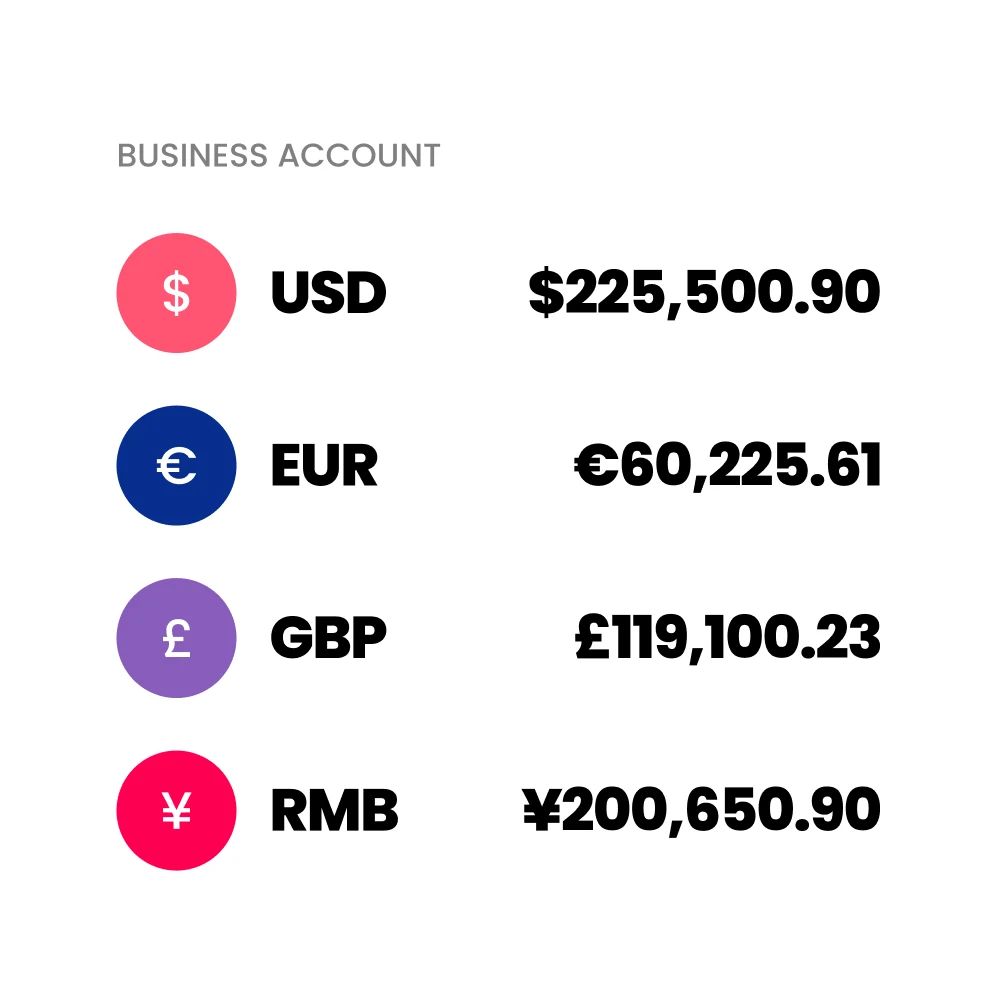
Currencies held Multi-currency via Global Wallet (fee per transaction) 20+ currencies held and converted from one account
Deposit protection FSCS up to £120,000 Safeguarded segregated funds, not FSCS-protected

The choice therefore does not have to be HSBC or WorldFirst. A UK SME can use HSBC for the banking services it needs while routing the cross-border part of the business through WorldFirst. That can be particularly relevant as overseas marketplace revenue and supplier payments become frequent enough for FX pricing and conversion timing to affect margins.

WorldFirst isn’t a bank. World First UK Limited is authorised by the FCA as an Electronic Money Institution under the Electronic Money Regulations 2011, FRN 900508. Client funds are safeguarded in accordance with regulatory requirements rather than protected by the FSCS, and WorldFirst does not provide lending, payroll or the full range of domestic banking services available from HSBC.

Open a World Account to hold foreign-currency revenue and see the exchange rate and payment cost before your next overseas supplier payment.

FAQs

1. Is HSBC good for business banking?

HSBC is a good fit for UK businesses that value branch access, established lending relationships and international banking services. Its Small Business Banking Account has no monthly fee, while the Business Banking Account adds access to a Relationship Manager and higher borrowing limits. Businesses focused mainly on low fees, fast onboarding or app-based banking may find digital-first alternatives more competitive.

2. How much does an HSBC business account cost?

HSBC’s Small Business Banking Account has no monthly fee, while the Business Banking Account costs £10 per month. However, additional charges can apply for cash deposits, CHAPS payments, international transfers, cheques and foreign-currency transactions, so the total cost depends on how you use the account.

3. How long does HSBC take to open a business account?

HSBC currently publishes different opening-time estimates for its Small Business Banking Account. One HSBC page states an average of 3 business days after a successful application, while another states 9 days. If account-opening speed is important, it is safer to allow up to 9 business days and confirm the current timeframe directly with HSBC.

4. Does HSBC charge for international business payments?

Yes. HSBC charges for some international business transfers. International Priority Payments sent through Business Internet Banking cost £17 according to the Business Price List, while assisted payments can cost more. SEPA transfers are significantly cheaper. Currency conversion costs may also apply in addition to the payment fee.

5. What exchange rate does HSBC use for business payments?

HSBC uses its own exchange rate rather than simply passing on the mid-market exchange rate. HSBC states that its rate incorporates costs associated with the conversion and its commercial return. This means businesses should consider both the transfer fee and the exchange rate when calculating the true cost of an international payment.

6. Is HSBC good for international business?

HSBC is well suited to businesses that want international payments, foreign-currency services and trade finance within an established banking relationship. However, companies making frequent cross-border payments may want to compare HSBC’s FX rates and transfer fees with dedicated multi-currency providers, particularly if foreign exchange costs are a major expense.

7. Is HSBC Business Banking safe?

HSBC UK Bank plc is authorised by the Prudential Regulation Authority and regulated by the Financial Conduct Authority and PRA. Eligible deposits are also protected under the Financial Services Compensation Scheme, subject to the applicable protection limit and eligibility rules.

Sources:

  1. https://www.simplybusiness.co.uk/knowledge/banking/best-small-business-bank-account/
  2. https://www.business.hsbc.uk/en-gb/products/business-banking-account
  3. https://www.business.hsbc.uk/en-gb/products-and-solutions/business-accounts
  4. https://www.business.hsbc.uk/en-gb/solutions/making-international-payments
  5. https://www.business.hsbc.uk/en-gb/products/small-business-bank-account
  6. https://www.birminghammail.co.uk/news/midlands-news/hsbc-goes-down-customers-fume-26989155

Continue reading

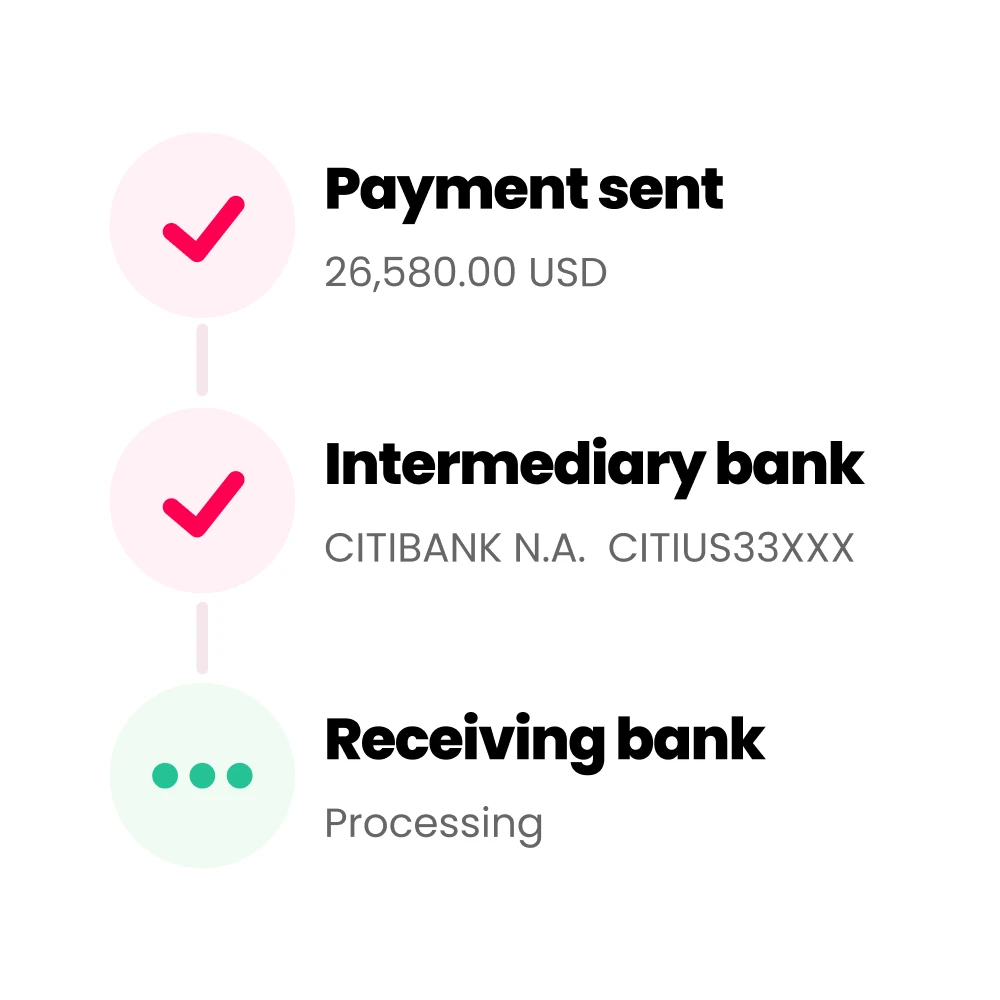
Pay your suppliers around the world. Collect payments for free in 20+ currencies. Convert when it suits you. All in one place.
hsbc business banking review

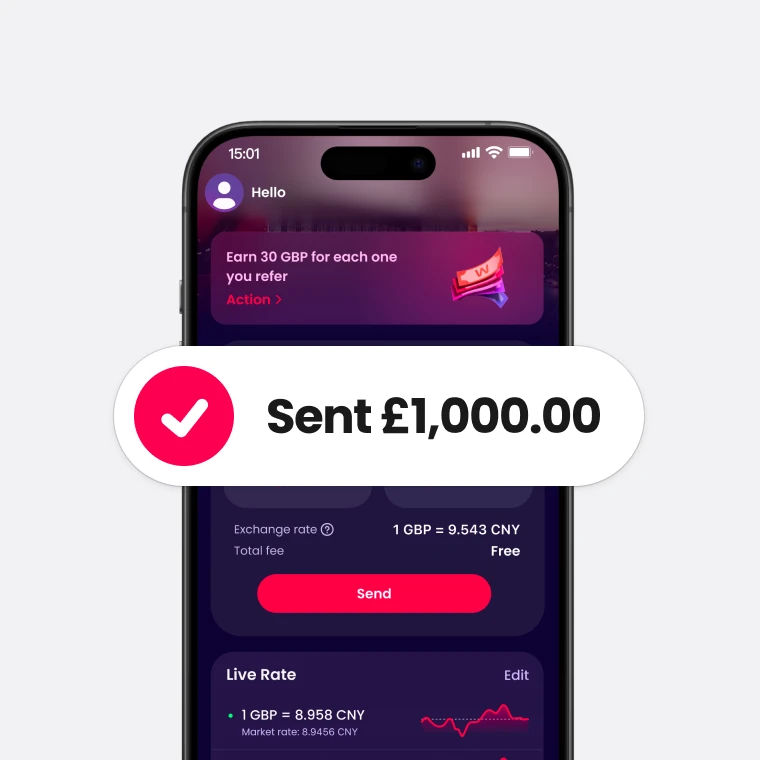
The simpler way to pay and get paid

Save money, time, and have peace of mind when expanding your global business.

扫描二维码下载WorldFirst app
打开手机扫一扫

It looks like you're sending money to family or friends — that's a personal transfer, which is best handled through our app.

Sending money to family or friends? Download our app for the best experience.

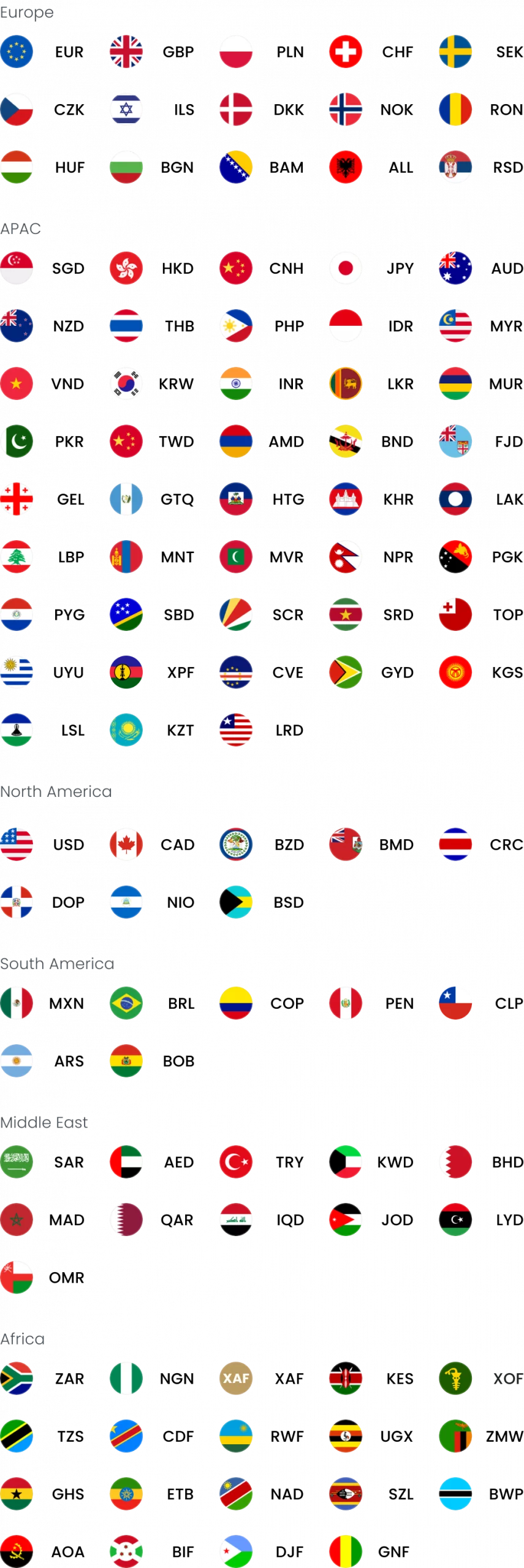
Pay in 15 currencies with World Card, no FX fees

Enjoy zero FX fees when paying in the following 15 currencies with World Card.

Send money in 100+ currencies

You can send money in your WorldFirst account to any of the currencies we support.

Get Paid by 130+ marketplaces

Seamlessly get paid by 130+ marketplaces and pay your suppliers anywhere.

Collect money in 20+ currencies

You can collect money in 20+ currencies. It only takes a few minutes to open an account in the currency you need.