Built for faster payments, smarter liquidity, and robust compliance-all powered by our next-gen API toolkit and Al-native architecture.
Named a Top Global Fintech Company by CNBC & Statista, we’ve supported 1.5M+ businesses since 2004.
Europe
Asia
Oceania
Africa

We provide coverage in South Asia and Middle East: servicing 210+ countries and territories.

Is Dropshipping Legal in the UK? Rules, Tax and VAT Explained

Contents

Dropshipping is legal in the UK. If you wish to start a dropshipping business, you don’t need a special licence for it. It also doesn’t have a separate existence from running a normal retail store. According to HMRC and UK consumer laws, as a dropshipping business owner, you’re running an online retail business, and you carry the same responsibilities as any other UK retail seller.

This guide covers what that actually means in practice: registering your business, paying the right tax, understanding VAT on goods coming from overseas suppliers, your responsibilities to customers, the records you need to keep, and the mistakes that get dropshippers into trouble with HMRC or payment providers.

We’ve also included original WorldFirst data on how UK ecommerce businesses actually pay their overseas suppliers, since many business owners overlook that aspect, but it could eat into their business margins, reducing their profitability in both the short and long term.

This article provides general information and does not constitute legal or tax advice. Always check current rates and rules on GOV.UK or with a qualified accountant before making business decisions.

Key Takeaways

  • Dropshipping is fully legal in the UK, with no special licence required.
  • You must register as either a sole trader or a limited company. Sole trader is the simpler route for most people starting out.
  • Tax is due on profit, not on the money that lands in your account.
  • Your full £90,000 turnover threshold is based on what the customer pays you, and a separate £135 rule governs VAT on goods shipped directly from overseas.
  • The DMCCA 2024 lets the CMA fine you directly, with no court permission needed.
  • You’re legally responsible to the customer, even when your supplier is at fault.
  • Payment processors run their own compliance checks, separate from UK law.
  • Good record-keeping across currencies is what protects your margin and your HMRC position.

Power your global growth with one account

Manage currencies, payments, FX and international business spend in one place.

Open a World Account

Dropshipping in the UK: An Overview

Dropshipping refers to buying stock from a supplier who ships directly to your customer. It is a fully legal way to run an online retail business in the UK, and elsewhere, too.

As a seller, or the ecommerce owner, you must follow exactly the same laws that other UK retailers do. Some key steps include registering your business correctly, paying your taxes on time, meeting consumer protection rules, and taking responsibility for what you sell, even when your supplier fulfils the order, and you might not have even seen the product yourself. Still, you’re responsible for what goes to your customers, since they made the order online on your online store.

Don’t forget, customers see you as the seller. They don’t interact with the supplier, nor do they know them. All they know is that they order the product on your website, make the payment, and complete the checkout process.

Thus, you carry the legal responsibility for returns, product quality, safety, and data protection.

Do You Need to Register a Dropshipping Business?

Sole trader

Most people prefer getting started with their dropshipping business as a sole trader. It’s a simple and straightforward mode of running your store. Here, you and the business are legally the same entity. At the end of the tax year, you report your income through Self Assessment.

If your gross trading income (before any expenses) is £1,000 or less in a tax year, you generally don’t need to register with HMRC or file a return at all. Go over £1,000, and you need to register for Self Assessment by 5 October following the end of that tax year. Once registered, you choose between deducting the £1,000 allowance from your income, or deducting your actual business expenses, whichever works out lower for tax.

Limited company

Some dropshippers set up a limited company. This means registering with Companies House, and the company (online store) itself becomes a separate legal entity responsible for its own tax.

Whether you prefer to set up your business as a sole trader or limited company, it’s totally your choice, and both are legal as long as you comply. The right one depends on your income level, liability appetite, and how you want to be taxed.

Dropshipping Business: Sole Trader vs Limited Company

Aspect Sole Trader Limited Company
Setup Register for Self Assessment, no fee Register with Companies House, small filing fee
Liability You’re personally liable for business debts Liability generally sits with the company, not you personally
Tax Income Tax (20/40/45%) plus Class 4 National Insurance Corporation Tax (19–25%), plus tax on however you draw money out
Admin One Self Assessment tax return each year Annual accounts, Corporation Tax return, and Companies House filings
Public record Your name is registered, but accounts are not public Company details and accounts are publicly searchable
Best suited to Testing an idea, lower turnover, and simpler administration Scaling up and separating personal and business risk

It’s completely fine if you start as a sole trader, then look at incorporating once profits are consistent and growing and the liability protection starts to matter more to you. A special licence is not needed for a dropshipping business, but the government will want to ensure you’re properly registered as a sole trader or limited company, and whether the specific products you sell need their own certification.

Do Dropshippers Pay Tax in the UK?

Yes. But the way you pay tax differs depending on the form of business ownership, which we’ll see below.

Sole traders

You pay Income Tax on your business profits (revenue minus allowable expenses) through Self Assessment at the end of the tax year. For the current tax year, the first £12,570 of income is tax-free (your Personal Allowance), profits between £12,570 and £50,270 are taxed at the basic rate of 20%, profits between £50,270 and £125,140 at the higher rate of 40%, and anything above £125,140 at the additional rate of 45%.

On top of Income Tax, self-employed dropshippers pay Class 4 National Insurance: 6% on profits between £12,570 and £50,270, and 2% above that. Class 2 National Insurance no longer applies automatically, though you can still pay it voluntarily to protect your State Pension record if your profits are low.

Limited companies

If your ecommerce business is registered as a limited company, you pay Corporation Tax on profits. Currently, you have to pay 19% on profits of £50,000 or less (the small profits rate), 25% on profits above £250,000 (the main rate), with marginal relief tapering the rate for anything that falls in between.

Either way, the tax is due on profit, not on revenue, and not on the supplier’s cut. What you owe depends on accurate records of what actually came in and what actually went out, which is exactly why record-keeping (covered further down) matters so much in a dropshipping business. Since your money is moving between customer payments, platform fees, and supplier payments in multiple currencies, keeping an accurate record of each transaction, backed by documentary evidence like PDFs, emails, or bank statements, is something you won’t want to miss out on.

A dedicated multi-currency business account, such as the WorldFirst’s World Account, can help you manage international payments, track spending, and keep exchange rates and transaction records organised in one place.

Dropshipping Business: Revenue vs Profit

Many first-time dropshippers assume they owe tax on whatever lands in their bank account. They don’t. Tax is due on what’s left after you deduct allowable business expenses: your supplier costs, platform fees (Shopify, PayPal, Stripe), advertising spend, and currency-conversion costs.

Skipping this step doesn’t just mean overpaying, it usually means the numbers don’t add up when HMRC asks to see them, since your bank statement won’t match your declared profit.

How Does VAT Work for Dropshipping?

This is the part that catches out the most dropshippers, mainly because there are two separate VAT questions, and people often only think about one of them.

Question 1: Do you need to register for VAT at all?

The UK VAT registration threshold is currently £90,000 of taxable turnover in any rolling 12-month period, not a fixed calendar or tax year. If your turnover goes over that threshold, or you expect it to in the next 30 days alone, you must register within 30 days. The deregistration threshold, if your turnover later drops, is £88,000.

Your “turnover” in this case is the full amount the customer pays you, not just your margin. If a customer pays you £40 for a product that cost you £5 from your supplier, HMRC counts £40 towards your VAT threshold, not £35. This is something worth keeping in mind — otherwise you might end up counting a lower amount towards VAT than you actually should, leading to a miscalculation of your profit.

Question 2: What About VAT on the Goods Obtained from Overseas Suppliers?

This is where dropshipping gets more complicated than typical retail, because of where the goods physically are when the sale happens.

  • If your supplier ships directly from overseas (e.g. China) to your UK customer, and the total consignment value is £135 or less, VAT is charged at the point of sale, not at the border, as “supply VAT”. If you’re selling directly (not through a marketplace like Amazon or eBay), you as the seller are responsible for registering for VAT and charging it, even if your turnover is otherwise below the £90,000 threshold. This is a separate, goods-specific VAT obligation, distinct from the turnover-based registration threshold above.
  • If you sell through an online marketplace (Amazon, eBay, Etsy, and similar platforms), and the consignment is £135 or less, the marketplace is usually responsible for charging and remitting the VAT instead of you.
  • If the consignment is worth more than £135, normal import VAT and customs rules apply at the border instead.

Don’t assume “my supplier or the marketplace handles VAT” without checking which specific rule applies to your setup. Whether you’re selling direct or through a marketplace, and whether each order is above or below £135, changes who’s actually responsible.

The government announced at the Autumn 2025 Budget that it plans to remove the customs duty relief on low-value imports (the same £135 band) by March 2029 at the latest, following a consultation that closed in March 2026.

The VAT rules above are the current rules. If you’re building a supplier setup you plan to run for years, this is one to keep an eye on rather than assume is fixed forever.

What If You Sell to EU Customers Too?

If your dropshipping store also sells into the EU, a different set of VAT rules applies. The EU uses a distance-selling threshold of €10,000 combined across all EU countries, above which you’d typically register for the EU’s One Stop Shop (OSS) scheme rather than registering separately in each country.

That’s a separate system from UK VAT. So, if you have considerable EU sales, it’s worth treating as its own compliance question rather than assuming your UK VAT registration covers it.

New in 2025: The CMA Can Now Fine You Directly

On 6 April 2025, the Digital Markets, Competition and Consumers Act 2024 (DMCCA) came into force and rewrote how UK consumer law is enforced.

Under the DMCCA, the CMA can now investigate, decide if a breach has happened, and fine the business directly, with no court order required. The maximum penalty is £300,000 or 10% of global annual turnover, whichever is higher.

Before this, if a business ran a misleading promotion or used fake urgency tactics, action against it usually meant Trading Standards or the CMA going through the courts, a slow process. Businesses therefore now need to be more responsible and adopt fair trade practices to comply with the DMCCA.

Two specific practices are now explicitly banned outright, and both are common in lower-quality dropshipping stores:

  • Fake or Manipulated Reviews. Buying reviews, posting fake ones, or failing to have a system to detect and remove them is now a direct offence. You can’t do that, or it may invite legal trouble.
  • Drip Pricing. Advertising a price that doesn’t include mandatory extra charges (shipping fees, handling fees) revealed later at checkout is now banned. The price shown upfront needs to include everything the customer must pay.

This is a reason to check two things most dropshipping stores have never audited: whether any reviews on the site are fake or incentivised without disclosure, and whether the price shown on a product page matches what the customer actually pays once shipping is added.

Listings must accurately describe the product: what it is, what it does, its condition, and its price. If your supplier’s product photos or descriptions overstate what the item does, and you use them as-is, you’re still responsible for that inaccuracy.

Similarly, fake countdown timers, “only 2 left” messages when stock is unlimited, and exaggerated before/after claims can all count as misleading advertising under UK consumer protection law.

Delivery promises: If you state a delivery time, make sure you can honestly meet it, factoring in your actual supplier’s shipping times, not an optimistic guess. So, to err on the cautious side, always give realistic shipping times that cover every leg of the journey your goods take, not something designed just to lure customers in.

Cancellations and returns: Under the Consumer Contracts Regulations, most online purchases in the UK give customers a 14-day cooling-off period to cancel, plus further time to return the item once cancelled. This applies to dropshipped goods exactly as it applies to stocked goods.

Refunds: Once a valid return or cancellation is made by your customer, you’re responsible for the refund. It’s completely irrespective of whether or not your supplier has agreed to accept the returned item or refund you for it. If not, you’ll have to bear that expense out of your own pocket.

Faulty products: Under the Consumer Rights Act 2015, products must be of satisfactory quality, fit for purpose, and as described on the site. If a product is faulty, the customer’s right to a repair, replacement, or refund sits with you as the seller, not your supplier.

When the supplier causes the problem: If your supplier ships the wrong item, ships late, or sends a damaged product, the customer’s legal claim is still against you, since you’re the seller they contracted with. You can (and should) have your own arrangement with your supplier for compensation or replacement stock. It doesn’t reduce your legal responsibility to the customer.

Product Safety, Restricted Goods and Counterfeits

Before listing any product on your online store, check these three things:

  • Product safety: UK product safety regulations apply regardless of where the item was manufactured. Certain categories (electricals, toys, cosmetics) have specific safety and labelling requirements that you must follow as a seller. In case of a customer complaint, or any harm to them, saying “my supplier told me this product was tested and okay” can’t be your legal defence if that product turns out to be unsafe.
  • Intellectual property: Selling counterfeit or IP-infringing goods, even unintentionally, sourced from a supplier who assured you they were “generic” or “inspired by,” carries real legal risk. It’s worth checking that a product isn’t a close copy of a patented design, or carrying a trademark that other sellers already hold, before listing it on your site.
  • Whether the product can legally be sold in the UK at all: Some categories require specific certification or are restricted outright (certain electronics, cosmetics with specific ingredient rules, and similar). This is worth checking category by category, not assuming that if a supplier sells it, it’s automatically fine to sell in the UK.

Data Protection and Customer Information

Running a dropshipping store usually means sharing some customer information (name, address, sometimes phone number) with your supplier so they can fulfil the order. That data sharing is covered by UK GDPR.

Your online retail store needs a clear privacy notice telling customers what data you collect and who you share it with (including suppliers); you should only share the data actually needed to fulfil the order; and you’re responsible for handling that data securely.

Payment Processor Rules: A Compliance Layer HMRC Won’t Warn You About

There’s a practical risk that sits alongside (not instead of) your legal obligations: payment providers like Stripe, PayPal, and Shopify Payments run their own risk and compliance checks, and these are often stricter than UK law itself. A store can be entirely legal and still get flagged, have funds frozen, or have its account closed by a payment processor.

Unclear or missing shipping-time information at checkout, a high rate of refunds or chargebacks, selling in restricted product categories, or business information that doesn’t match across your website, invoices, and payment account could lead to your account getting frozen.

None of this is a legal violation on its own, but it’s worth treating as seriously as the legal rules. A frozen payment account can shut down a store faster than any HMRC letter!

In practice, most processors start paying closer attention once chargebacks pass around 0.5–1% of transactions, and consider a store genuinely high-risk well before that if refund requests are running well above what’s typical for the product category.

Long or vague shipping windows (30+ days with no update) are one of the most common triggers, since they generate exactly the kind of “where’s my order” disputes that show up as chargebacks a few weeks later. Keeping shipping estimates honest, even if that means quoting a longer window upfront, tends to be much more helpful for business owners than giving a false shipping estimate.

What Records Should Dropshippers Keep?

Good record-keeping matters more in dropshipping than in a lot of other retail models, mainly because your money moves through more steps and often multiple currencies.

HMRC requires you to keep records and documentary evidence, including emails, invoices, PDFs, and supplier payment receipts, to support your tax return, and in a dropshipping business, that typically includes:

  • Customer orders: What was sold, when, and for how much
  • Supplier invoices: What you were actually charged for each product
  • Payment confirmations: Proof that you paid the supplier and that the customer paid you
  • Exchange rates and fees: The rate you got and any charges on currency conversion, since these directly affect your real profit
  • Refunds and chargebacks: Records of any money returned to customers or disputed by card providers
  • Shipping and import documents: Especially relevant given the VAT rules above
  • Tax and VAT records: Everything needed to support your Self Assessment, Corporation Tax, or VAT return

How UK Ecommerce Businesses Are Sourcing and Paying Overseas Suppliers 

China still remains the main sourcing destination for most UK dropshippers and ecommerce sellers, but it is no longer the only option. Industry sourcing data shows that the top three supplier countries for Western European buyers, China, Vietnam, and Bangladesh, accounted for 70% of sourcing activity in 2025.

Using the same payment method for every international transaction can make it difficult to see how much currency conversion is really costing the business.

Good record-keeping also makes a difference. Keep supplier invoices, payment confirmations, and currency conversion records together for each supplier instead of leaving them scattered across email threads and bank statements. This makes it much easier to reconcile profit margins, prepare year-end accounts, and provide supporting documentation if HMRC requests it.

Get More Control Over Your Dropshipping Business With WorldFirst

A dedicated multi-currency account can make this side of the business a lot easier to manage. Rather than juggling supplier payments across multiple currencies and platforms, a World Account from WorldFirst lets you hold and pay suppliers in over 100 currencies from one place, and download your full payment history and statements whenever you need them, whether that’s for your own bookkeeping or to answer an HMRC query. If you’re weighing up how to actually get money to your suppliers, our guide on the best way for UK businesses to pay overseas suppliers breaks down the options in more detail, and paying invoices in foreign currency covers the exchange-rate risks worth knowing about before you commit to a payment method.

Power your global growth with one account

Get local currency accounts, fast payments and competitive FX – all in one place.

Open a World Account

How to Check Whether Your Supplier Is Compliant

  • Company details: Can you find a real registered business name, address, and contact details, not just a storefront on a sourcing platform?
  • Product certificates: Do they have safety certifications for the product category (especially electricals, toys, or cosmetics), and will they actually provide them if asked?
  • Bills and invoices: Do they issue proper invoices with clear pricing, or informal receipts that would be hard to justify to HMRC if questioned?
  • Returns: What’s their actual policy if a customer returns a faulty item? Get this in writing rather than relying on a verbal assurance.
  • Packaging: Does the product arrive packaged appropriately and safely, matching what’s shown in their listing photos?
  • Delivery claims: Do their stated delivery times match what you experience in practice? Order a sample yourself and time it before relying on their stated estimate in your own listings.

How Much Does It Cost to Start a Compliant Dropshipping Business in the UK?

  • Business registration: Free as a sole trader. A limited company costs around £50 to set up through Companies House, plus roughly £34 a year to keep the registration active.
  • Accounting software: Cheap accounting software runs roughly £15–£30 a month; an accountant to handle Self Assessment or Corporation Tax typically costs a few hundred pounds a year for a small dropshipping business.
  • VAT software, once registered: If you cross the £90,000 threshold, Making Tax Digital means you need MTD-compatible software, usually bundled into the same accounting subscription above rather than a separate cost.
  • Business insurance: Public and product liability insurance for a small ecommerce business typically starts in the low hundreds of pounds a year, depending on what you sell.
  • Product safety certification: This varies hugely by category, from effectively nothing for straightforward non-electrical items to a genuine cost if you’re selling electricals, toys, or cosmetics that need specific testing or certification.
  • Currency conversion costs: Easy to overlook, but paying overseas suppliers through the wrong channel can quietly cost several percent per payment in exchange rate markup, which adds up fast once you’re paying suppliers regularly. Our guide to multi-currency ecommerce covers how to manage this exposure without letting it eat into your margin.

None of this needs to be expensive to get right. But it’s worth budgeting for as part of the actual cost of running the business, rather than treating compliance as something to sort out later.

A Step-by-Step Checklist for Launching a Compliant Dropshipping Store

Choose your structure: Sole trader to start is fine for most people; register for Self Assessment once you’re over the £1,000 trading allowance.

Check the product category for any specific safety, labelling, or certification requirements, and make sure you’ve checked everything before you list on your online store.

Write accurate listings: Make sure there are no exaggerated claims, with realistic delivery estimates, and no fake urgency tactics on your portal.

Set up your policies: Your site must have a clear returns and refund policy that reflects your actual legal obligations, along with a privacy notice covering what data you collect and share with suppliers.

Track your rolling 12-month turnover: Keep a tab on your turnover and record it properly, so you’re not caught out by the £90,000 VAT threshold or the £135 consignment VAT rule.

Vet your supplier: Make sure you hire a reputable and reliable supplier who is transparent and upfront with you regarding their returns policy, packaging, and real delivery times. It’s worth shortlisting 5–10 suppliers and doing your own due diligence before saying yes to any of them, rather than deciding on online reviews and ratings alone. Discuss everything with your supplier before signing the agreement or MOU.

FAQs (Frequently Asked Questions)

Is dropshipping from China legal in the UK?

Yes. Sourcing products from Chinese suppliers is completely legal. Here, the business owner or dropshipper has to ensure the same compliance that other businesses do in regard to overseas suppliers.

VAT on low-value consignments (£135 or less) is usually charged at the point of sale rather than the border, product safety and labelling rules still apply, and you’re still responsible to your UK customers for the final product that reaches their doorstep from your suppliers.

Can I dropship as a sole trader?

Yes, and it’s how most people start. As a sole trader, you register for Self Assessment once your trading income goes over the £1,000 trading allowance, and you pay Income Tax and National Insurance on your business profits. Many dropshippers later move to a limited company as the business grows.

Who is responsible when a dropshipping product is faulty?

You are, legally, even though you never handled the product. Under the Consumer Rights Act 2015, the seller the customer contracted with, you, is responsible for ensuring products are of satisfactory quality and fit for purpose.

Do I need insurance for a dropshipping business?

There’s no single insurance product that’s legally mandatory purely because you dropship, but public liability insurance and product liability insurance are worth seriously considering, since you carry legal responsibility for the products you sell even though you don’t manufacture or physically handle them.

Can I use a personal bank account for dropshipping?

You can as a sole trader, since legally you and the business are the same entity, though most accountants recommend keeping a separate account anyway to make record-keeping easier.

Do I need a business bank account from day one?

Not legally, but having a separate business bank account can be helpful. Mixing personal and business transactions in one account makes it much harder to work out your real profit at tax time, and if HMRC ever asks to see your records, a personal account full of unrelated spending is a lot harder to explain than a dedicated one.

What happens if HMRC audits a dropshipping business?

HMRC can open a compliance check on any business, including small dropshipping operations, and there’s no particular trigger unique to dropshipping beyond the general risk factors: numbers that look inconsistent with lifestyle, gaps in reported income, or high-value transactions with no paper trail. If it happens, you’ll be asked to produce the records covered earlier in this guide: sales, supplier invoices, payment confirmations, and currency-conversion records. Businesses that keep these organised as they go rarely find an audit to be a big event.

Is dropshipping a scam?

No. But dropshipping has a reputation problem thanks to a wave of low-quality, short-lived stores that overpromise on marketing and disappear once refund requests pile up. That’s a pattern of bad operating practice, not something baked into dropshipping as a model. A dropshipping business run with accurate listings, honest delivery times, and proper tax and VAT compliance is exactly as legitimate as any other online retailer.

This article provides general information based on UK rules and thresholds at the time of writing. It does not constitute legal or tax advice. Rules, rates, and thresholds change, so confirm current requirements on GOV.UK, with HMRC, or with a qualified professional before making business decisions.

Sources:

  1. https://www.gov.uk/register-for-vat https://www.gov.uk/guidance/vat-and-overseas-goods-sold-directly-to-customers-in-the-uk
  2. https://www.gov.uk/guidance/vat-and-overseas-goods-sold-to-customers-in-the-uk-using-online-marketplaces
  3. https://www.gov.uk/become-sole-trader/register-sole-trader
  4. https://www.gov.uk/guidance/tax-free-allowances-on-property-and-trading-income
  5. https://www.gov.uk/income-tax-rates
  6. https://www.gov.uk/corporation-tax-rates
  7. https://www.gov.uk/accepting-returns-and-giving-refunds
  8. https://www.legislation.gov.uk/ukpga/2015/15/contents
  9. https://ico.org.uk/for-organisations/uk-gdpr-guidance-and-resources/

Continue reading

Pay your suppliers around the world. Collect payments for free in 20+ currencies. Convert when it suits you. All in one place.
Is dropshipping legal in the UK? Rules and tax explained

The simpler way to pay and get paid

Save money, time, and have peace of mind when expanding your global business.

扫描二维码下载WorldFirst app
打开手机扫一扫

It looks like you're sending money to family or friends — that's a personal transfer, which is best handled through our app.

Sending money to family or friends? Download our app for the best experience.

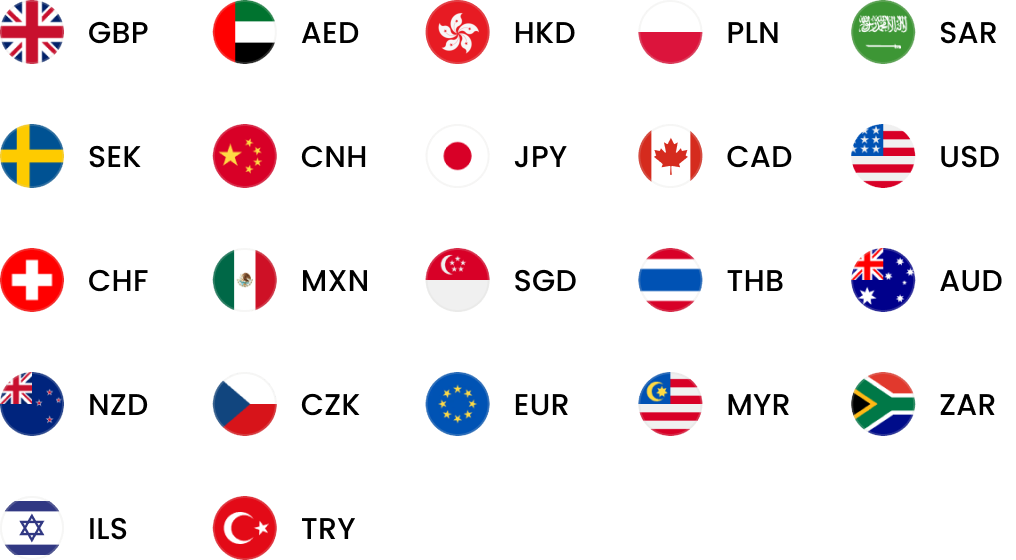
Pay in 15 currencies with World Card, no FX fees

Enjoy zero FX fees when paying in the following 15 currencies with World Card.

Send money in 100+ currencies

You can send money in your WorldFirst account to any of the currencies we support.

Get Paid by 130+ marketplaces

Seamlessly get paid by 130+ marketplaces and pay your suppliers anywhere.

Collect money in 20+ currencies

You can collect money in 20+ currencies. It only takes a few minutes to open an account in the currency you need.