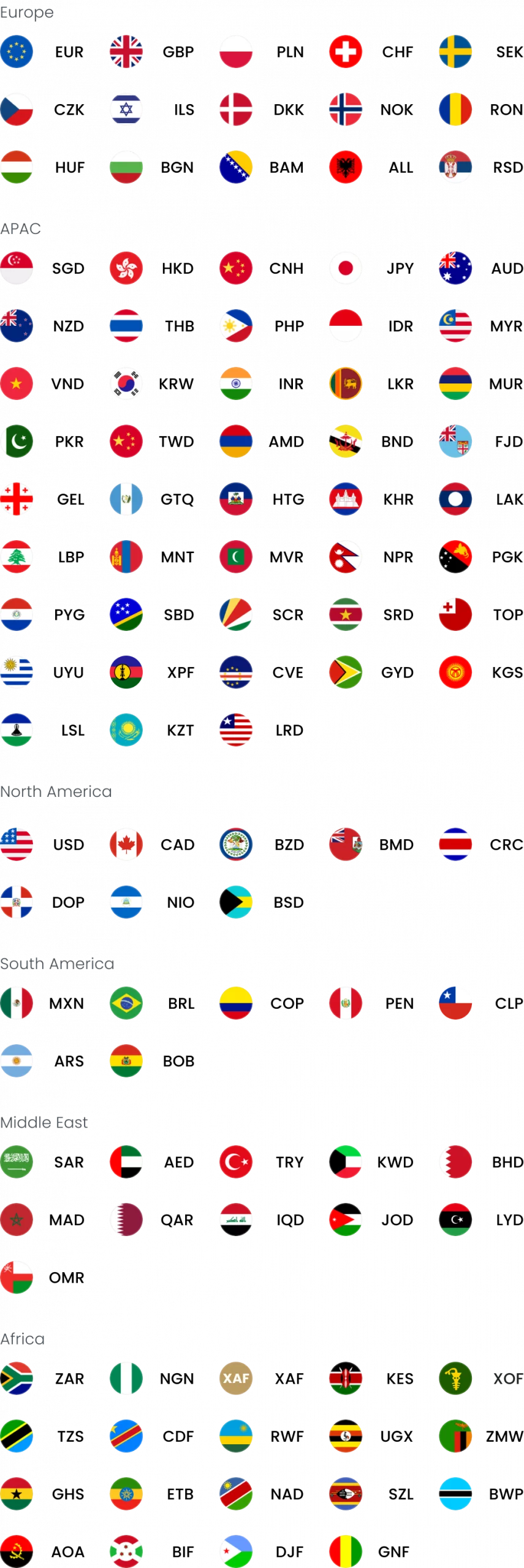
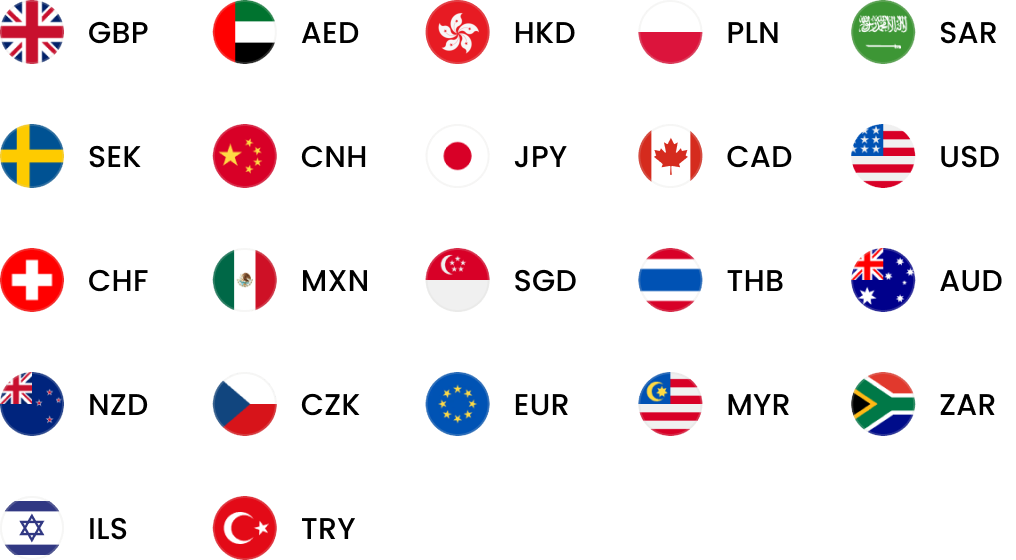
We provide coverage in South Asia and Middle East: servicing 210+ countries and territories.

WorldFirst Home > blog > International Transactions > What are the fastest ways to settle GBP payments in Asia?
For UK Small and Medium-sized Enterprises (SMEs), including vital importers, rapidly growing e-commerce platforms, and export businesses, accessing global suppliers is fundamental to securing a competitive edge. Asia, particularly the dynamic economies of Southeast Asia (SEA)—such as Vietnam, Indonesia, Malaysia, and Singapore—and the colossal manufacturing hub of China, provides essential sourcing opportunities.
However, managing cross-border payments efficiently remains a major challenge. The movement of capital from a UK bank account (in GBP) to an Asian supplier (who may require payment in USD, EUR, or local currency) introduces complexity, delay, and excessive costs. Many businesses, still tethered to traditional banking structures, lose significant portions of their margins due to opaque fees and slow processing.
The solution lies in embracing specialised financial technology (Fintech) platforms that utilise modern payment rails and intelligent foreign exchange (FX) management to deliver speed, transparency, and reliability. This strategic shift allows UK businesses to bypass the legacy systems that plague traditional transfers and maintain profitability in the global marketplace.
SMEs face an array of financial roadblocks when engaging in international transactions. Despite accounting for a massive share of international business flows, SMEs remain an underserved segment by traditional financial institutions, which typically focus on large, lucrative corporate clients.
The fundamental issues causing delays and high costs stem from the reliance on the outdated SWIFT (Society for Worldwide Interbank Financial Telecommunication) network and the correspondent banking model:
1. High Costs and Hidden Margins: Traditional banks frequently profit heavily from the opaque nature of foreign exchange pricing. They often charge fixed transaction fees and apply a substantial margin (the spread) to the daily exchange rate, which erodes profit. UK small and medium-size businesses (SMBs) have reportedly lost billions to these hidden fees.
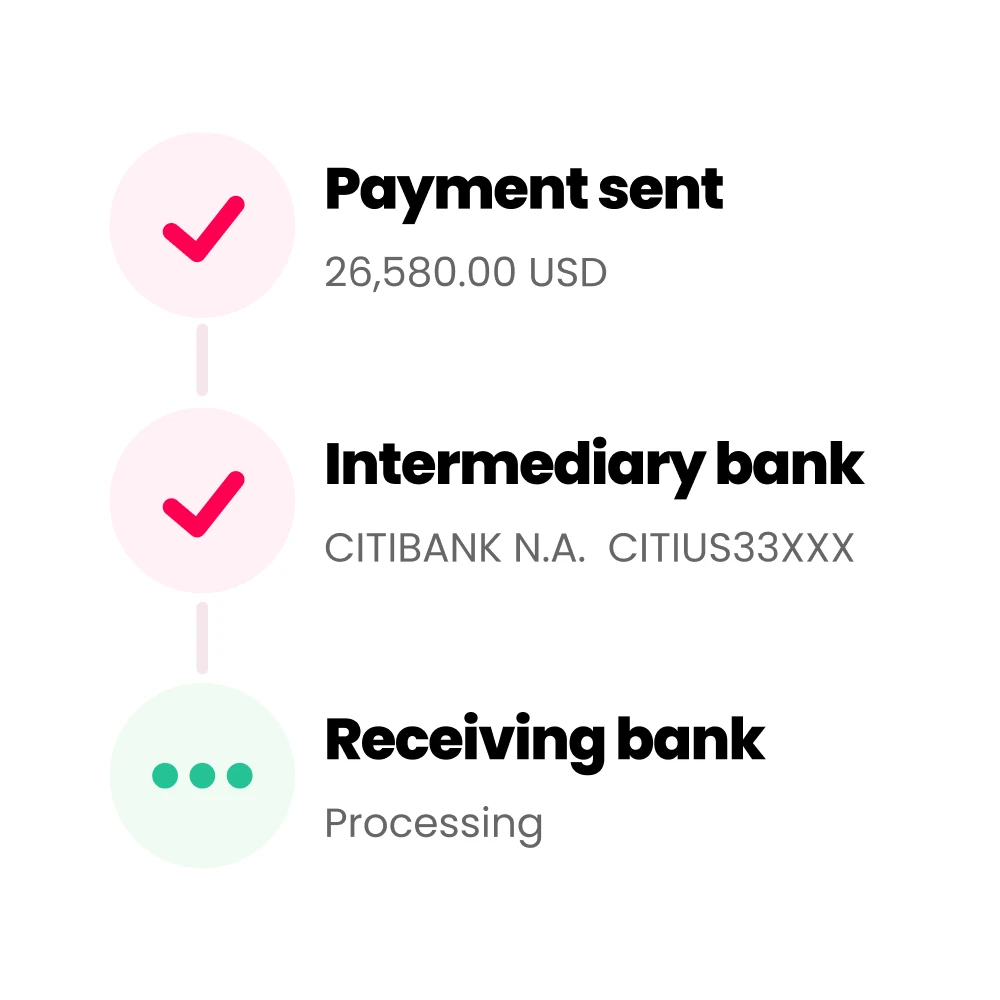
2. Slow Settlement Times: International transfers relying on the correspondent banking network can take up to five days to complete. Funds must often pass through multiple intermediary banks, adding time, cost, and opacity, leading to frustrating delays. This lack of transparency means funds can disappear into a ‘banking black hole’ for days, disrupting supplier relationships.
3. Administrative Burden and Friction: Even before a transfer is initiated, banks often require extensive compliance checks, including verifying commercial invoices, which can introduce multi-day delays.
To ensure efficiency when paying Asian suppliers, UK businesses must seek alternatives that dismantle these legacy constraints.
Fintech platforms address these core pain points by leveraging digital-first solutions and bespoke global infrastructure designed for modern global trade. They offer significantly faster, cheaper, and more transparent alternatives to conventional banks.
The secret to fintech speed is the development and use of proprietary payment networks and integrations with local payment rails globally, effectively circumventing multiple correspondent banks.
For UK businesses settling payments in Asia, managing currency exposure starts with controlling where and when conversions happen.
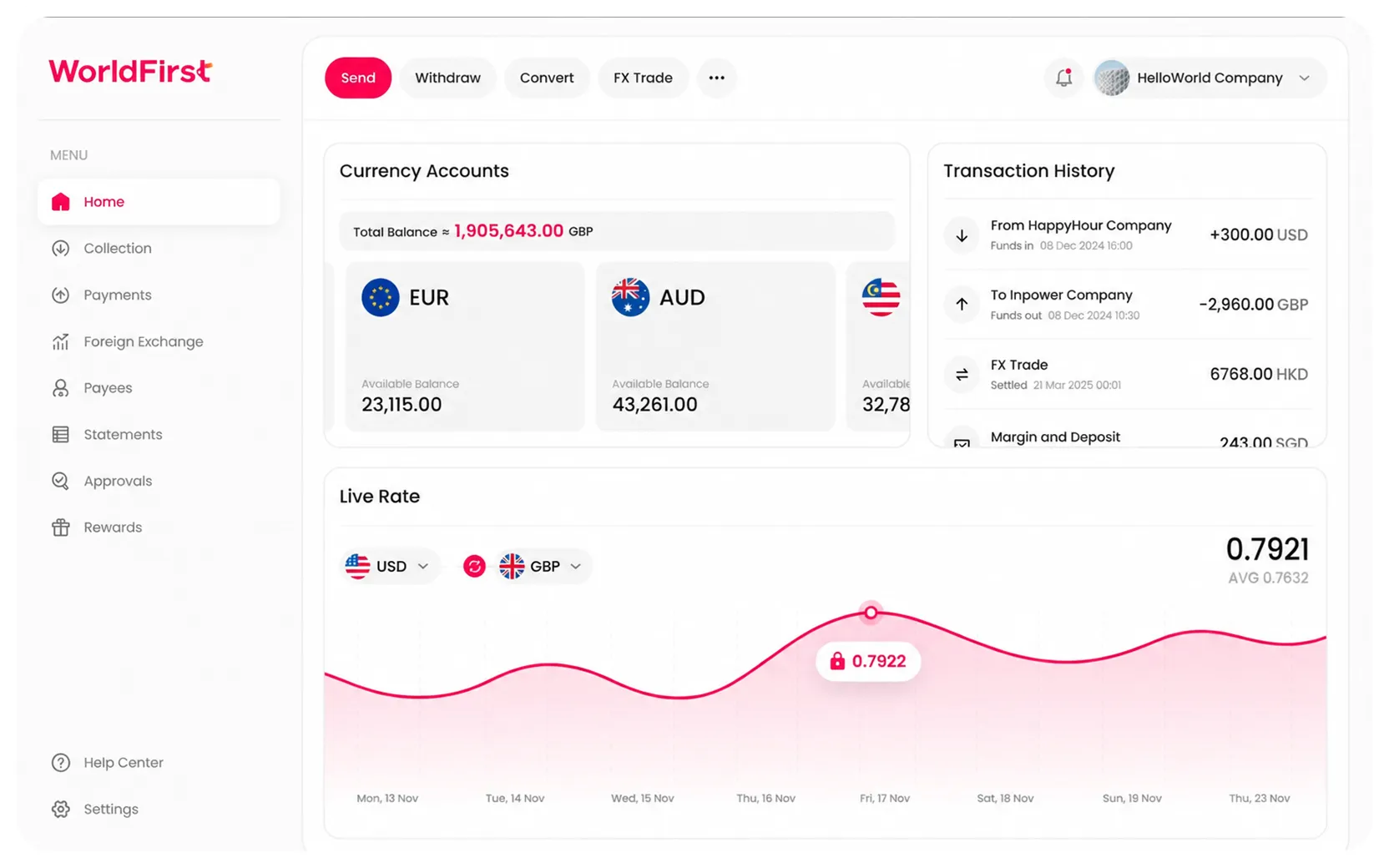
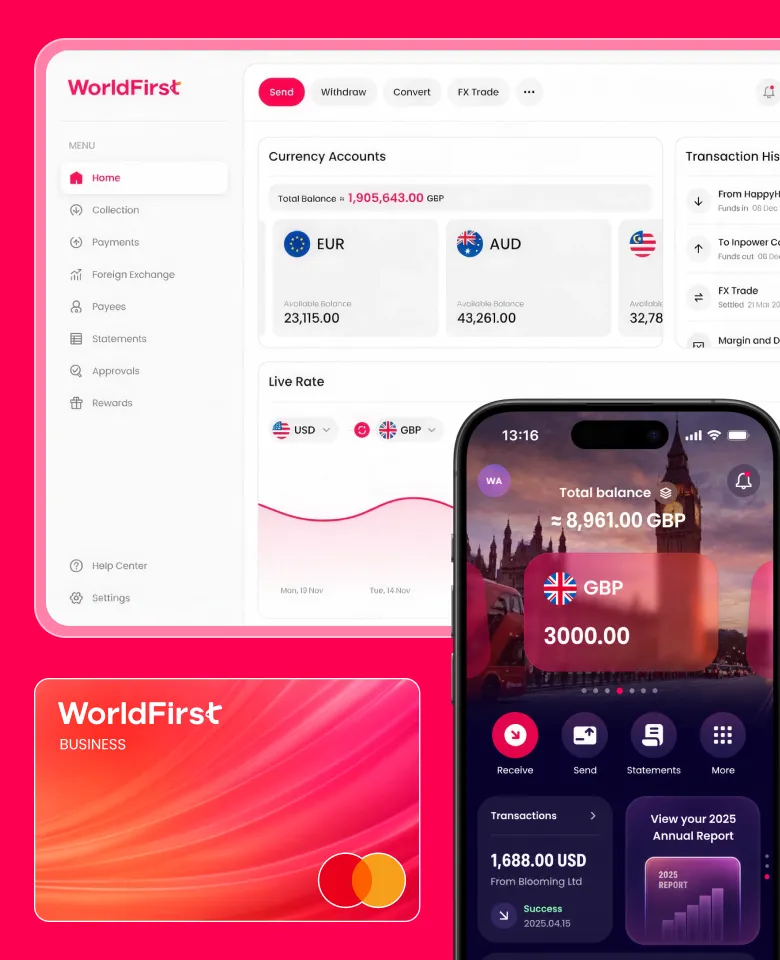
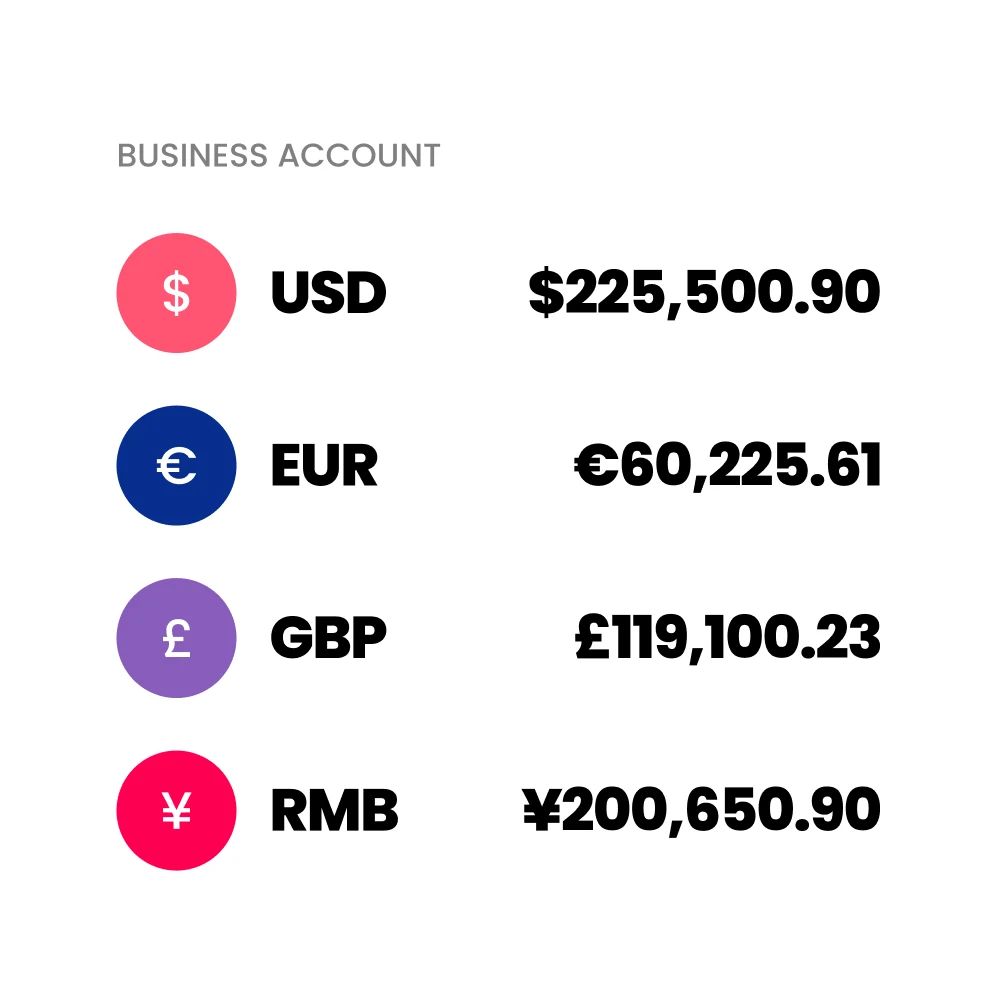
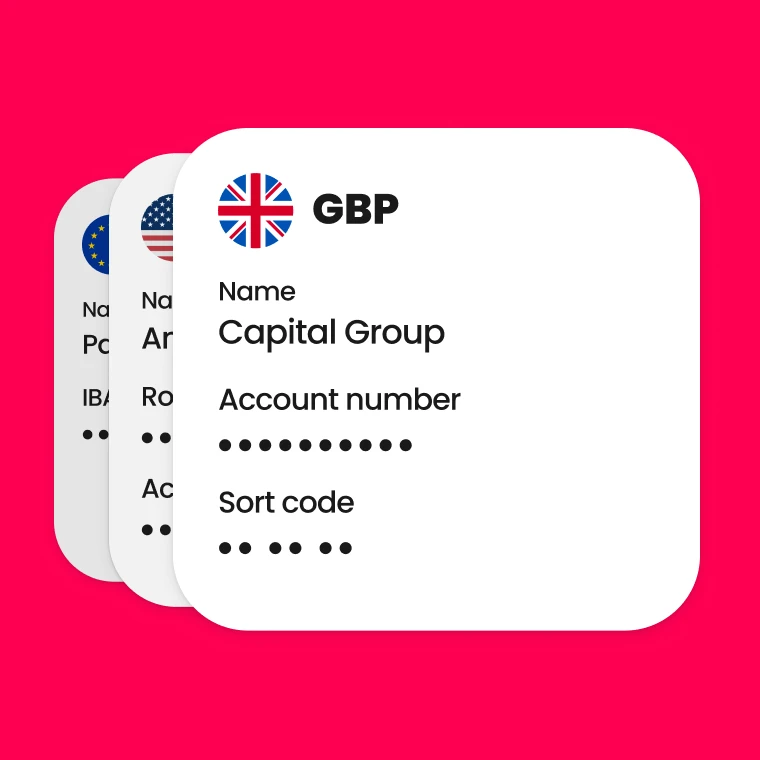
Multi-Currency Accounts: Digital platforms like WorldFirst and Airwallex enable users to open and manage dedicated multi-currency accounts (such as GBP, USD, and EUR). This functionality allows UK SMEs to hold incoming revenue in foreign currencies or convert GBP to the required foreign currency at an opportune moment, then keep the funds stored until payment is due.
Natural Hedging: Utilizing a multi-currency account facilitates natural hedging—the strategy of matching foreign currency inflows and outflows to neutralize exchange rate risk. For example, if a UK e-commerce seller earns EUR from EU marketplaces and pays a Chinese supplier in USD, they can minimize conversions back to GBP, thereby reducing associated fees and risk.
The current financial technology landscape offers several strong options designed to maximize efficiency and convenience for UK SMEs dealing with global payments.
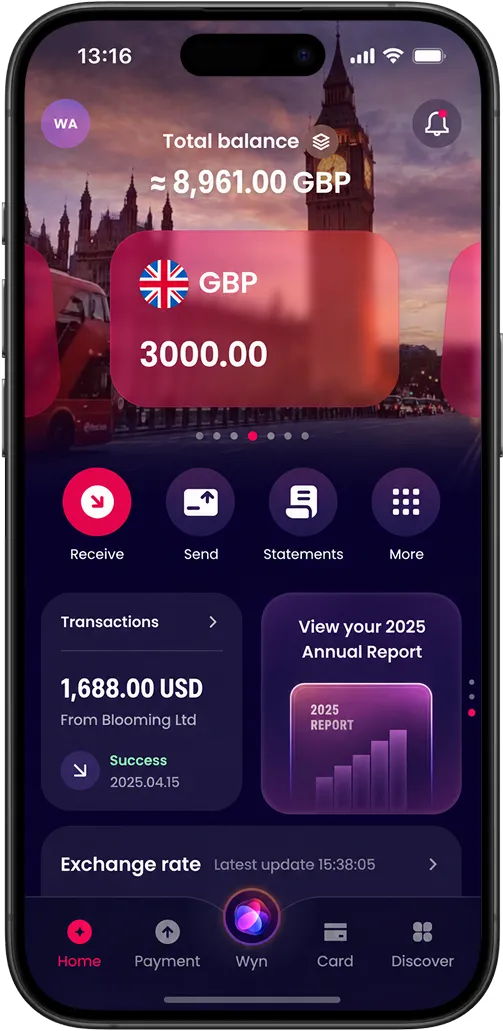
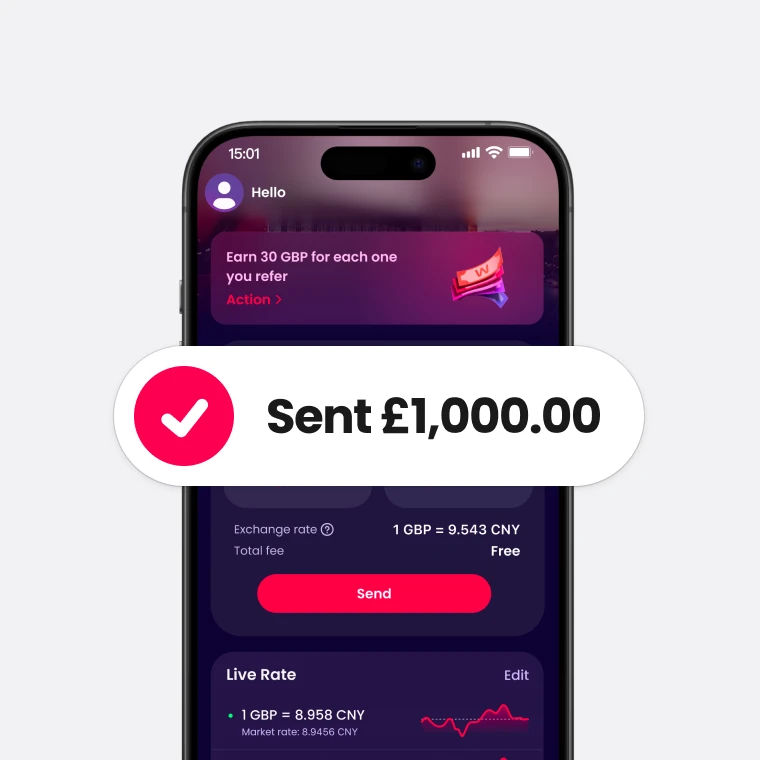
WorldFirst is a leading fintech provider with over 1.2 million business clients globally. Its platform offers several features particularly beneficial for UK SMEs trading heavily in Asia:
| Platform | Key Features for UK SMEs |
|---|---|
| Airwallex | Provides multi-currency accounts, access to interbank FX rates, and streamlined payments, including API integrations for enterprise software. |

| iBanFirst | Emphasises transparency, offering real-time exchange rates and transparent fees, enabling confident management of payment uncertainty. |
| Tipalti | Offers comprehensive Accounts Payable (AP) and Mass Payments automation, supporting global payouts in over 120 currencies with built-in FX hedging options. |
Currency risk (FX risk) is the potential loss a business faces due to exchange rate movements, which fluctuate constantly and can profoundly impact financial performance. For UK businesses converting GBP to pay Asian suppliers, a proactive risk management strategy is non-negotiable.
Relying solely on converting GBP to the foreign currency at the moment of payment (a spot transaction) exposes the business to unnecessary volatility.
1. Forward Contracts: This is the most common and effective tool for fixing the cost of future payments. A forward contract allows you to agree on an exchange rate today for a transaction that will be executed on a specific future date (up to 12 months away). This guarantees the GBP cost of goods, supporting accurate budgeting.
2. Automated Rate Capture (Firm Order): Advanced platforms offer tools that actively chase advantageous rates. WorldFirst’s Firm Order service allows users to set a specific target exchange rate and automate the conversion instantly if the market hits that price, even if it happens outside UK trading hours. This is essential for maximizing conversion value without constant manual monitoring.
3. Currency Options: For businesses requiring greater flexibility on payment dates, options grant the right, but not the obligation, to buy or sell currency at a predetermined rate. This protects against adverse movements while retaining the potential to benefit from favourable shifts.
Effective FX management is underpinned by clear visibility into potential risk.
Beyond maximizing speed and cutting costs on the GBP conversion itself, modern platforms enhance overall operational efficiency and security.
Digital solutions drastically cut down the time spent on administrative tasks associated with global payments.
Security and compliance are critical, particularly when sending high-value GBP payments overseas.
UK importers must also carefully consider the commercial terms of their trade, defined by Incoterms® rules, which determine who is responsible for costs, risks, and insurance during shipment. For instance, choosing terms like Free Carrier (FCA) or Free on Board (FOB) shifts risk earlier to the buyer, whereas Delivered Duty Paid (DDP) places maximum responsibility on the seller. The choice affects the total landed cost—the final GBP cost of the product upon arrival in the UK.
The growing importance of Southeast Asia as a primary sourcing region means that efficient management of GBP payments overseas is vital for UK SMEs seeking scalable and sustainable growth. By moving away from the costly and slow inertia of traditional banking, businesses can immediately achieve tangible financial benefits.
The pathway to mastering cross-border payments involves three key actions:
1. Adopt Specialised Digital Platforms that leverage multi-currency accounts and direct payment rails to ensure GBP conversions are executed at competitive rates and transactions reach Asian suppliers quickly.
2. Implement a Proactive FX Hedging Strategy, utilizing tools like Forward Contracts and automated services like Firm Order, to guarantee future costs and protect margins from unexpected volatility.
3. Prioritise Operational Efficiency and Security by integrating payments with accounting software and utilizing digital escrow services for confident transactions.
Platforms like WorldFirst offer the tailored features—from guaranteed GBP conversion rates to specialized China connectivity—that empower UK e-commerce and import/export businesses to transform global payments from a financial burden into a competitive advantage.
Shawn Ma leads business development at WorldFirst UK, with a deep expertise in fintech, risk management and cross-border commerce.
Shawn Ma
Author
Choose a product or service to find out more
Save money, time, and have peace of mind when expanding your global business.
© 2026, Ant International or its affiliates
It looks like you're sending money to family or friends — that's a personal transfer, which is best handled through our app.
Sending money to family or friends? Download our app for the best experience.