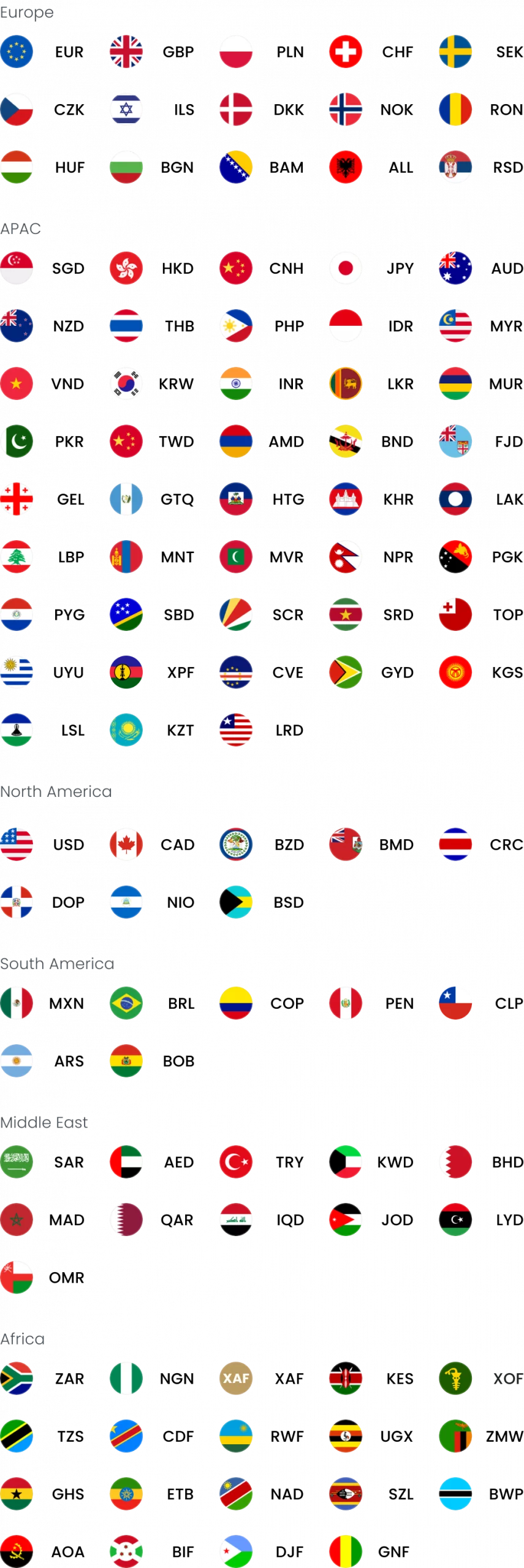
We provide coverage in South Asia and Middle East: servicing 210+ countries and territories.

WorldFirst Home > blog > Global Business Tips > Building a Resilient Global Sourcing Strategy as a UK SME
For UK SMEs, sourcing globally is no longer a side project — it’s how you stay competitive. Overseas suppliers offer cost savings, new products, and faster scaling. But behind every low unit price lies a network of risks: currency swings, long lead times, and hidden payment fees that quietly eat into margins.
This guide helps UK importers and e-commerce firms build a sourcing strategy that lasts — one that balances cost with control, and growth with resilience.
When executed well, a global sourcing strategy does more than cut costs. It strengthens your entire business model.
Lower costs, higher margins. Manufacturing abroad gives access to affordable, high-quality production — often at a fraction of domestic prices.
Unique products. Access to exclusive materials or specialist manufacturers helps UK businesses stand out in competitive markets.
Stronger resilience. A diversified supply chain offers protection against inflation, trade disruption and local shocks.
But sourcing isn’t about chasing the cheapest quote. It’s about building a dependable network that supports your brand for the long term.
For two decades, China has been the backbone of global manufacturing — and for good reason. Its scale, infrastructure and production expertise remain unmatched. Even as supply chains diversify, most UK SMEs still depend on China for part of their sourcing network. The country’s dominance in electronics, textiles, machinery and components means that even products assembled elsewhere often rely on Chinese inputs somewhere along the line.
Rising costs, shifting geopolitics and stricter compliance standards have led many businesses to adopt a “China +1” strategy — keeping their established Chinese suppliers while adding at least one alternative production base elsewhere. This approach balances risk without losing access to China’s supply-chain efficiency and deep manufacturing networks.

Despite diversification, China remains critical for three main reasons:
Still, dependency carries risk. Costs are rising, and trade tensions can disrupt supply lines overnight. That’s why UK SMEs are increasingly adding secondary hubs in Vietnam, Malaysia, Indonesia and India, or shifting part of their production closer to home in Eastern Europe or Latin America.
Diversification doesn’t mean abandoning China — it means building flexibility. The most resilient sourcing strategies use China as an anchor while developing alternatives that can scale when conditions change.
Finding a manufacturer is easy. Finding one you can trust is not. Follow these steps to build lasting partnerships that protect your business.
Create a product specification sheet covering every detail — dimensions, materials, colours, packaging and testing standards. Use it across all suppliers so you can compare quotes fairly and avoid costly miscommunication.
Platforms like Alibaba are useful starting points, but filters matter. Focus on Verified and Trade Assurance suppliers — checks that confirm legitimacy and protect your payments. Narrow long lists to a small pool of credible factories that meet your standards.
A supplier’s communication tells you more than a quote ever will. Reliable partners:
If communication feels vague or defensive now, it won’t improve later.
Samples are your first line of defence. If you’re sourcing sleeping bags — test them outdoors. If you’re buying ceramics — use them daily. You’re not testing perfection, but consistency and honesty.
Book a third-party quality control inspection before shipment. If it fails, request a re-inspection at the factory’s cost. Minor surface issues can be corrected; structural ones cannot. Add this clause to your purchase order to protect your position.
A supplier’s quote is only the beginning. To see the real margin, calculate your landed cost — the total price of getting a product from factory floor to warehouse shelf.
A £50,000 shipment misclassified under the wrong HS code could cost an extra £3,000 in duties. Add hidden FX losses, and your savings evaporate.
Over 70% of UK SMEs still use their high-street bank for international transfers — and overpay for the convenience.
Traditional banks charge twice: a small transfer fee, and a much larger hidden margin on the exchange rate — the gap between their offered rate and the real mid-market rate.
A 2024 Wise and Censuswide report estimates UK SMEs lost between £2.2 and £2.8 billion in hidden FX costs last year.
While big banks charge margins of around 3–4%, specialist providers like WorldFirst cap rates at 0.6% — helping SMEs keep more of their revenue.
High banking costs remain one of the biggest barriers to global expansion, discouraging one in four UK firms from entering new markets.
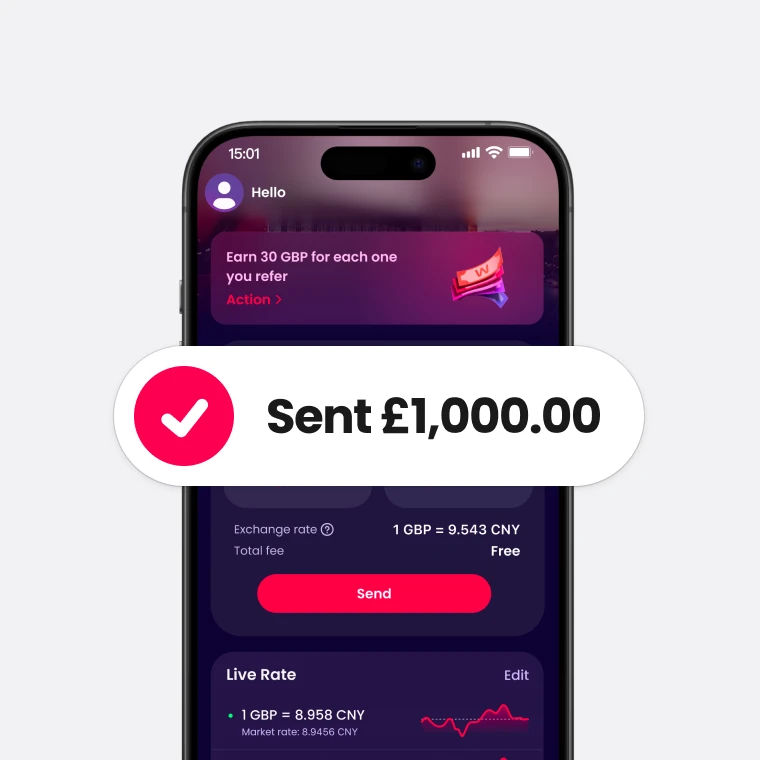
Modern fintech platforms offer faster, cheaper and more transparent payment solutions built for SMEs.
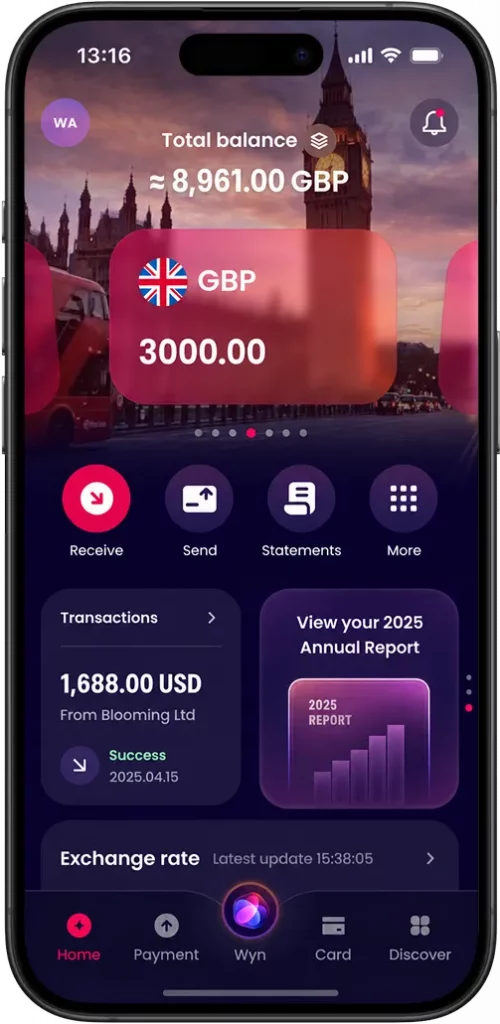
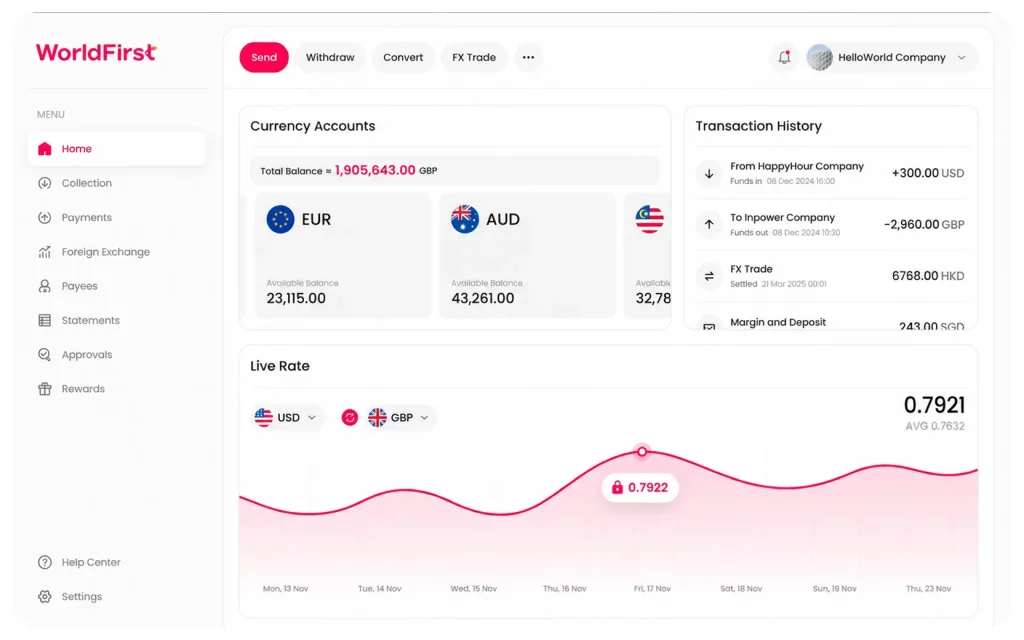
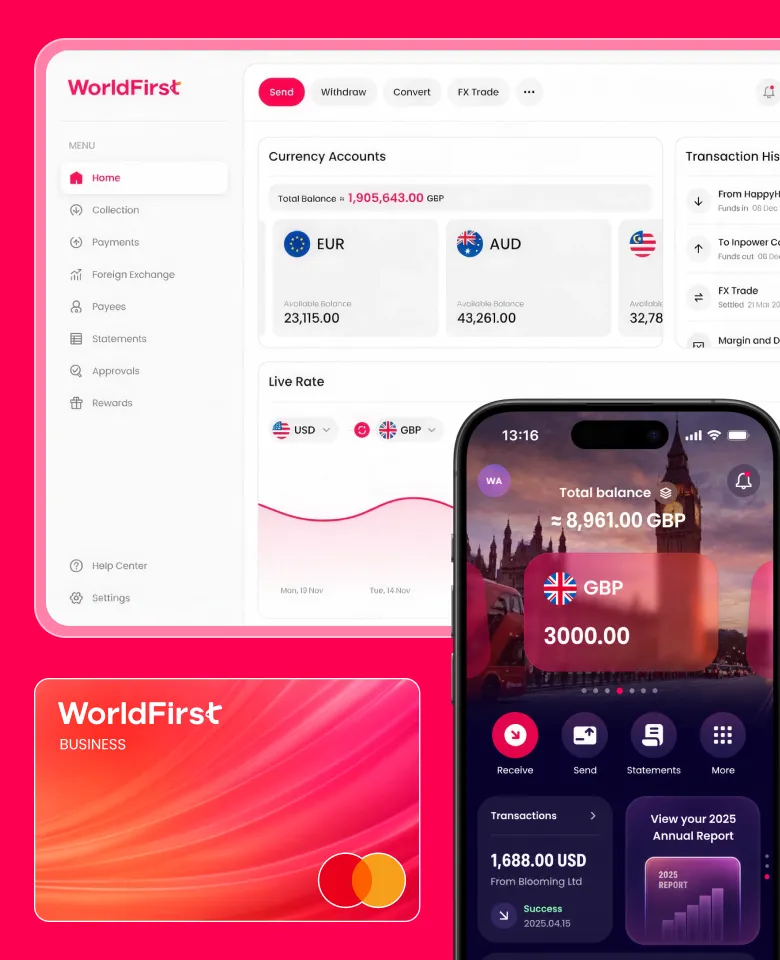
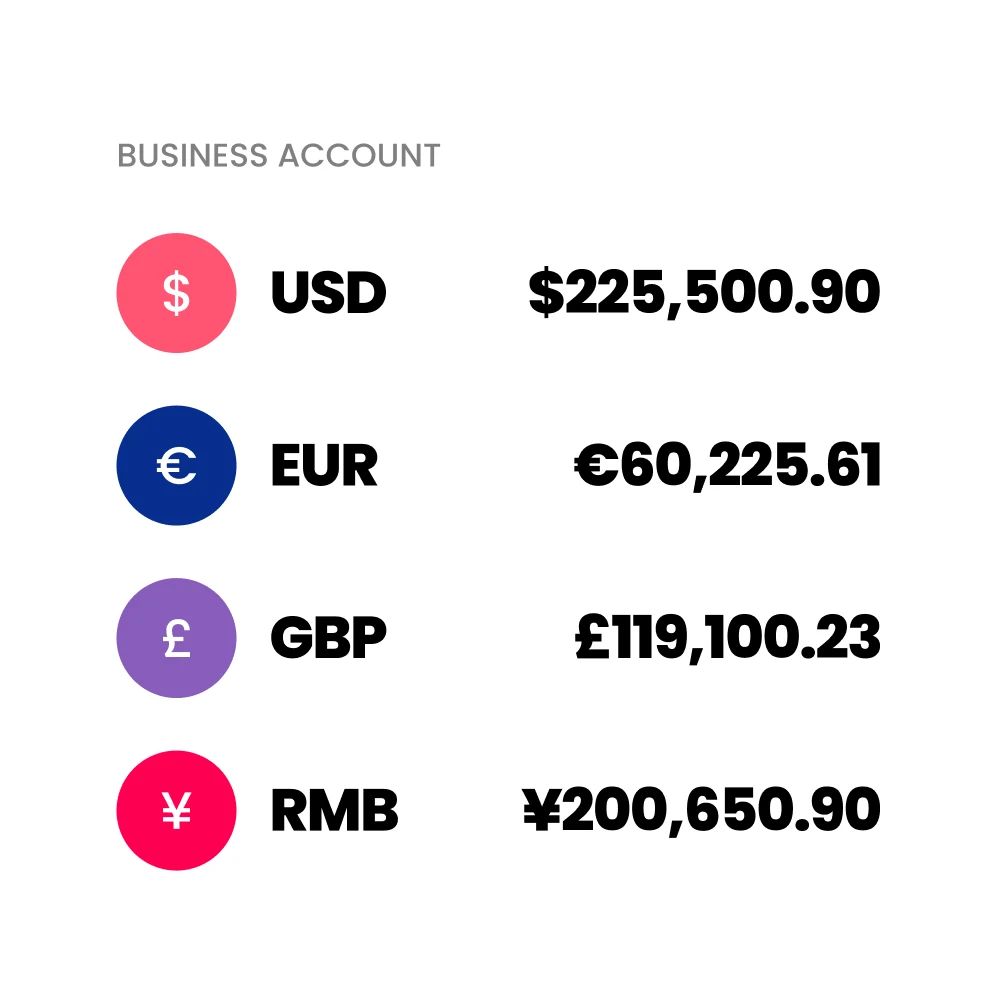
A multi-currency account, such as the World Account, lets you hold and pay in multiple currencies without opening foreign bank accounts. Paying suppliers in their local currency avoids forced conversions and reduces FX costs.
Paying a supplier in CNH, EUR or USD builds trust and speeds up reconciliation. It shows professionalism and ensures both sides know when payments clear.
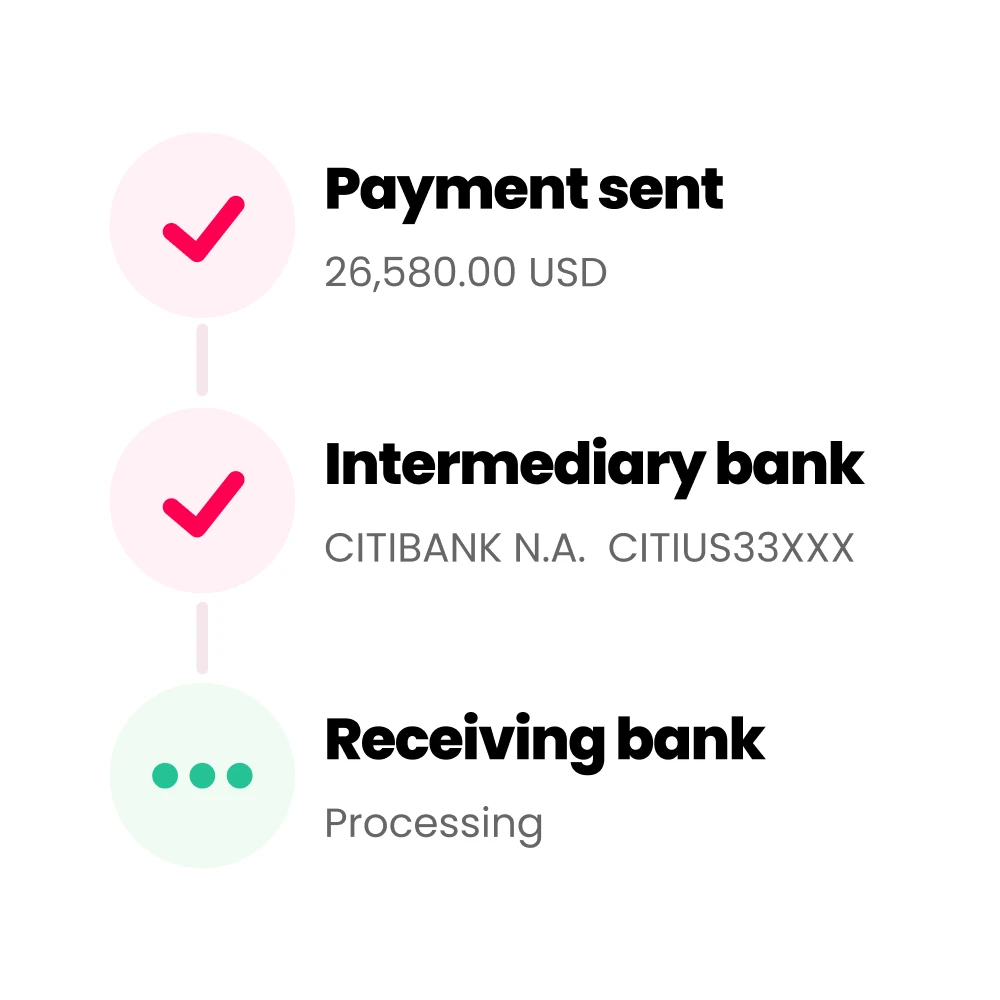
Connecting your payment platform to accounting tools like Xero simplifies reconciliation and reduces manual work. Instant notifications also reassure suppliers that funds have landed.
FX forward contracts let you lock in an exchange rate for future payments. This gives you certainty over costs and protects margins from currency swings.
Allow about 100 days from order to delivery — roughly two months for production and one for shipping. Add buffer time around holidays like Chinese New Year, when factories close for weeks.
Small oversights can turn profitable imports into expensive lessons.
A resilient sourcing strategy balances cost, quality and flexibility. Diversify suppliers, strengthen relationships, and manage payments with precision.
Modern tools like the World Account help UK businesses reduce FX costs, streamline operations and pay suppliers faster — giving SMEs the confidence to trade globally on their own terms.
Start by mapping your supply chain and identifying where money leaks. The more control you take, the stronger your business becomes.
Jennifer Dodd leads marketing for WorldFirst UK, and has over 20 years' experience in financial services and publishing.
Jennifer Dodd
Author
Choose a product or service to find out more
Save money, time, and have peace of mind when expanding your global business.
© 2026, Ant International or its affiliates
It looks like you're sending money to family or friends — that's a personal transfer, which is best handled through our app.
Sending money to family or friends? Download our app for the best experience.