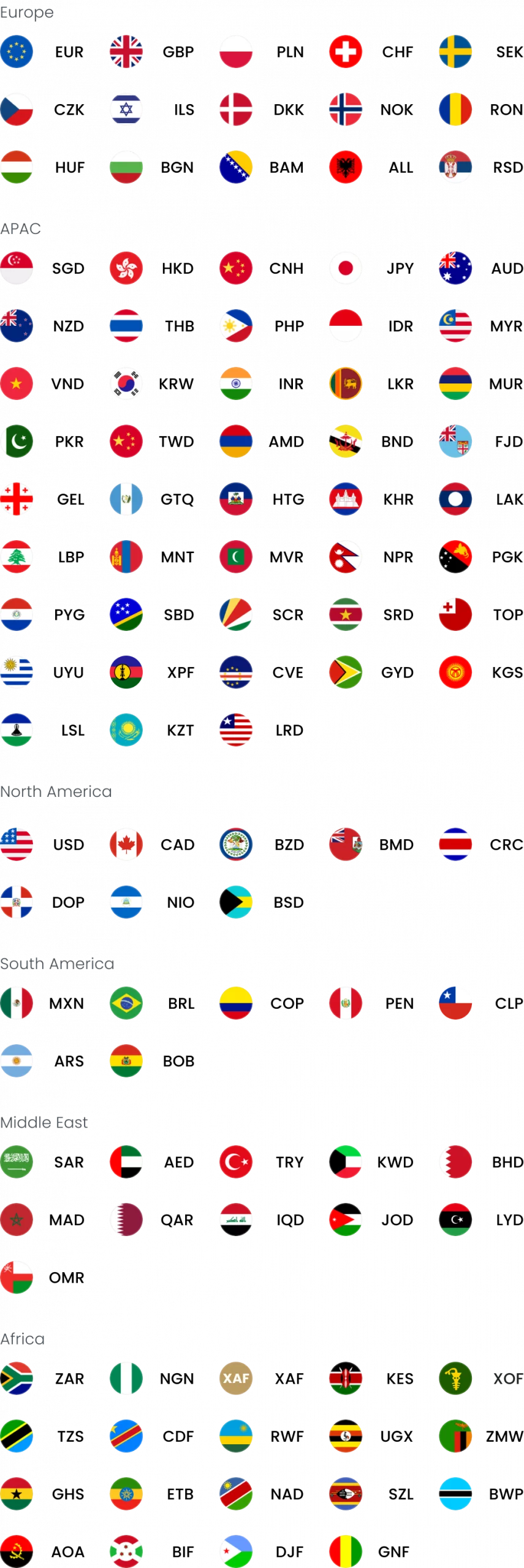
We provide coverage in South Asia and Middle East: servicing 210+ countries and territories.

WorldFirst Home > blog > Global Business Tips > Wire transfer fees explained: Costs, types and how to reduce them
International business payments are now part of the routine for UK businesses that buy, sell or pay suppliers abroad. As volumes rise, so do costs. Recent analysis values the global cross-border payments market at about US$222.2 billion in 2025, reflecting the amount of money that moves across borders each day.
Recent industry reports show that banks often add hidden markups and extra fees to international payments, which pushes total transaction costs to 3–8% once you factor in FX spreads, intermediary charges and wire fees.
This guide breaks down wire transfer fees, compares domestic and international costs in the UK and outlines practical steps to reduce charges, making global payments more predictable and cost-effective. It would also present WorldFirst as an alternative to a bank, and how an international business account can keep those transfer fees low.
A wire transfer is an electronic movement of funds from one bank account to another. In the UK, domestic transfers use systems such as Faster Payments, BACS or CHAPS.

CHAPS (Clearing House Automated Payment System) is the UK’s high-value, same-day domestic payment scheme. Faster Payments and BACS handle most everyday UK transactions (Faster Payments settle in seconds, BACS in 1–3 days).
International wire transfers usually travel via the SWIFT network. SWIFT does not move the money itself; it sends secure payment messages between financial institutions. Funds often pass through several correspondent or intermediary banks before reaching the recipient, each of which may charge its own fee.
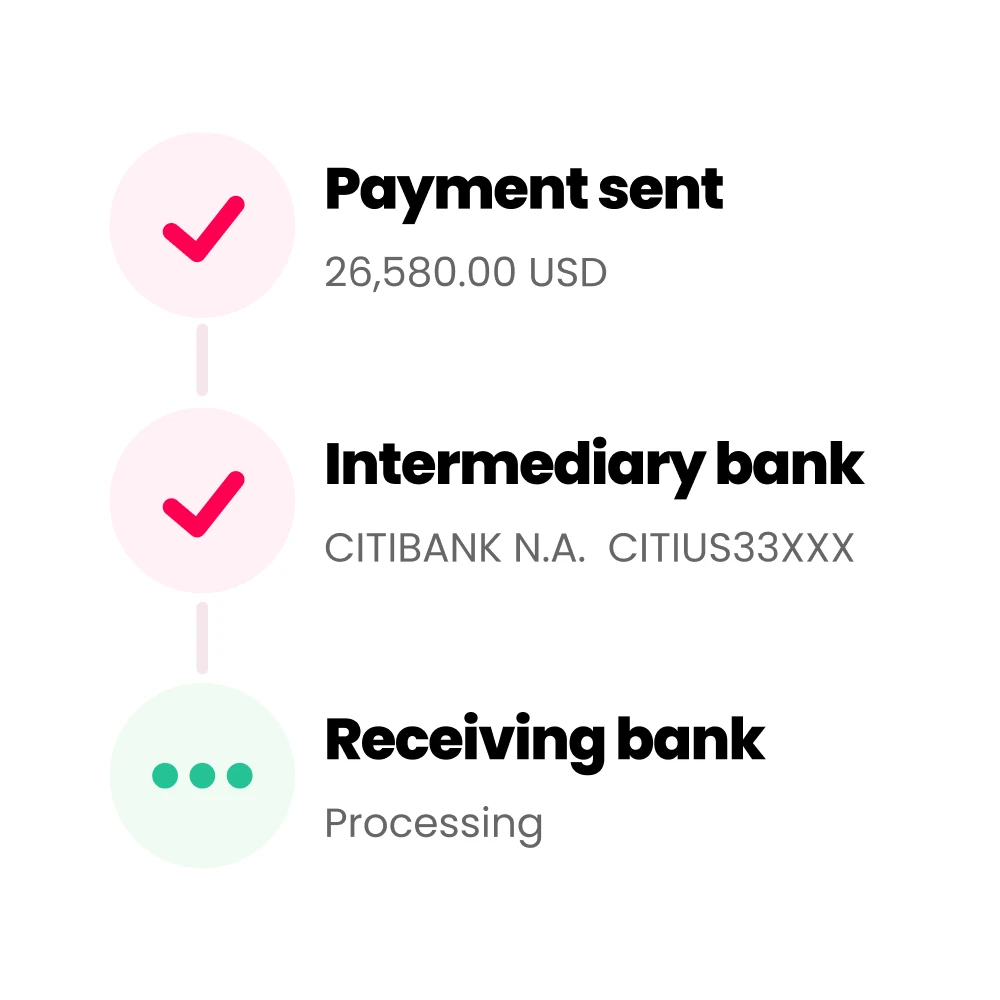
A wire transfer collects fees at several points along the way from the sender to the recipient. Here is the typical flow:
The payment starts with an upfront charge from the sending bank. This is often the smallest part of the total cost.
Many banks widen the gap between the mid-market rate and the rate they offer to customers. Industry research often places this margin at 2–5% of the transfer amount, meaning the exchange rate can be the highest cost in the transaction.
If the sender and recipient banks do not have a direct relationship, the payment moves through one or more correspondent banks. Each bank may deduct its own fee. Banks vary these charges by corridor and currency and rarely disclose them in advance.
Some banks charge a fee for receiving international transfers, reducing the final amount received.
If the transfer takes time to clear and the currency moves, the value received may fall even further.
This flow shows how costs stack up at several points. A payment that seems simple at the start can lose value through multiple small deductions before it reaches the final account.
Understanding the different fee categories helps you identify where money is lost:
Most UK banks apply a flat charge when you send an international payment. The fee depends on the bank, the currency and the payment route. Online transfers often cost less than branch transfers because they require less manual handling.
This fee stays the same regardless of how much you send. Larger payments are more cost-effective than sending several smaller transfers.
When you send or receive money in another currency, the bank converts it using a rate that may sit above the mid-market rate shown on currency charts. This difference is the bank’s markup. Because the conversion applies to the full amount, it often becomes the highest cost in an international payment.
Even a slight percentage shift in the rate can add up quickly, especially when paying overseas suppliers or settling high-value invoices. A bank may charge a low upfront fee, yet the FX margin can still make the total cost far higher than expected.
Many international transfers go through one or more intermediary banks when the sender and recipient banks do not have a direct relationship. Each intermediary may deduct a handling charge before passing the payment on.
The sender selects the charging method:
Most payments default to SHA. Businesses paying suppliers may choose OUR to ensure they pay the full invoice amount to the recipient, though some banks charge an extra fee for selecting this option.
UK domestic transfers are relatively cheap compared to international transfers. As the table below shows, standard UK schemes have minimal charges, whereas SWIFT wires incur higher fees and delays:
| Scheme | Approximate cost | Settlement time |
| CHAPS (same-day, UK high-value) | ~£20–£30 per payment | Same business day |
| BACS (batch payments) | Usually free or very low | Up to 3 business days |
| Faster Payments (instant) | Usually free or very low | Seconds (24/7) |
| SWIFT (international) | £5–£25 flat fee + correspondent fees | 1–4 business days |
Sources: UK banking payments guide
Several factors influence what you ultimately pay for a wire transfer:
International transfers move at a different pace than domestic UK payments because they often involve more banks, more checks and more time zones.
Processing times shift based on cut-off hours, public holidays and the number of banks involved. When sending money overseas, planning for a 1- to 4-day delivery window gives your business greater certainty and reduces the risk of payment-related delays.
UK banks and payment providers operate under a layered supervisory structure that keeps payments secure and well governed. Oversight comes from three core authorities:
These institutions work together to guarantee that UK payment services remain secure, transparent and reliable for businesses moving money domestically or internationally.
Businesses can significantly cut wire fees by taking practical steps:
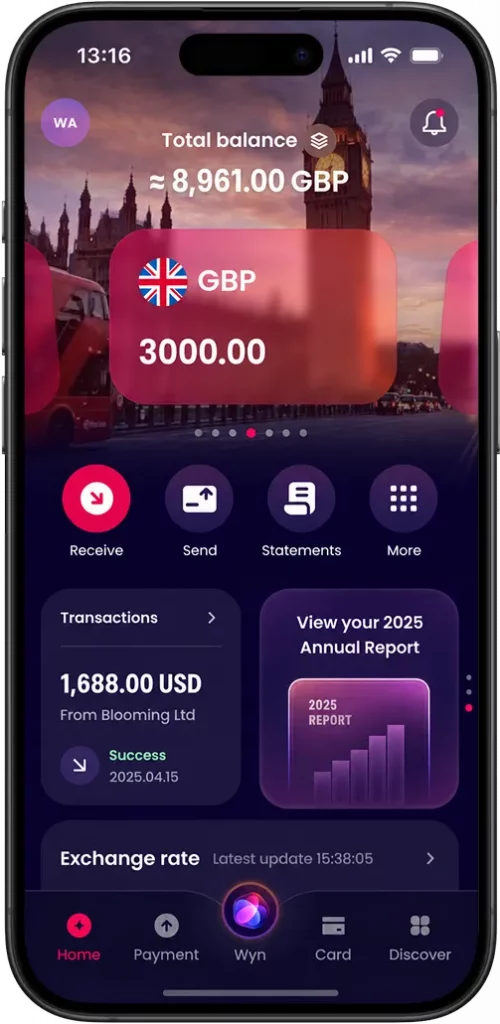
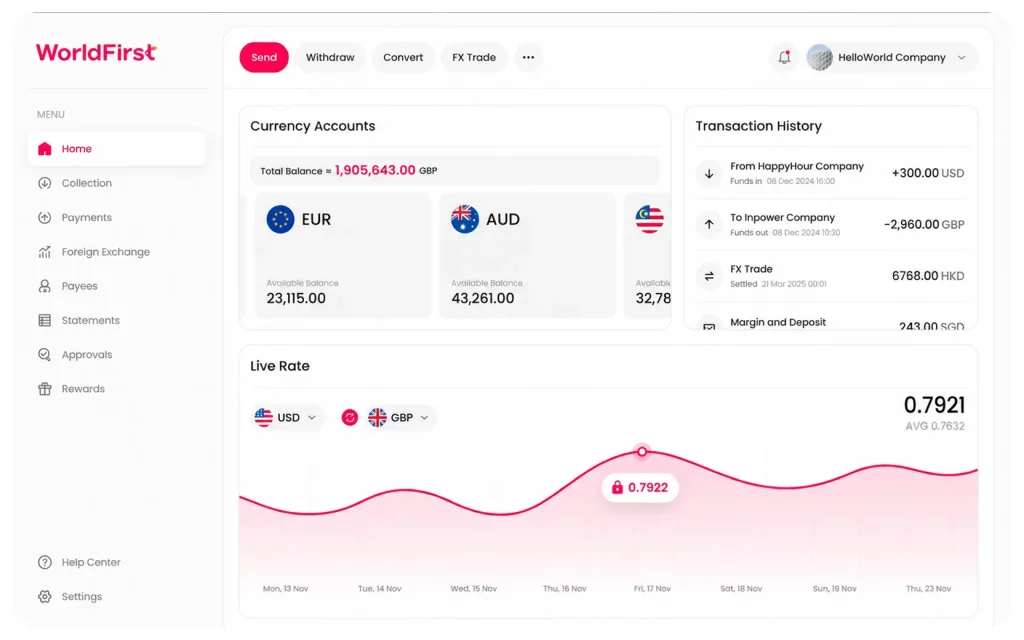
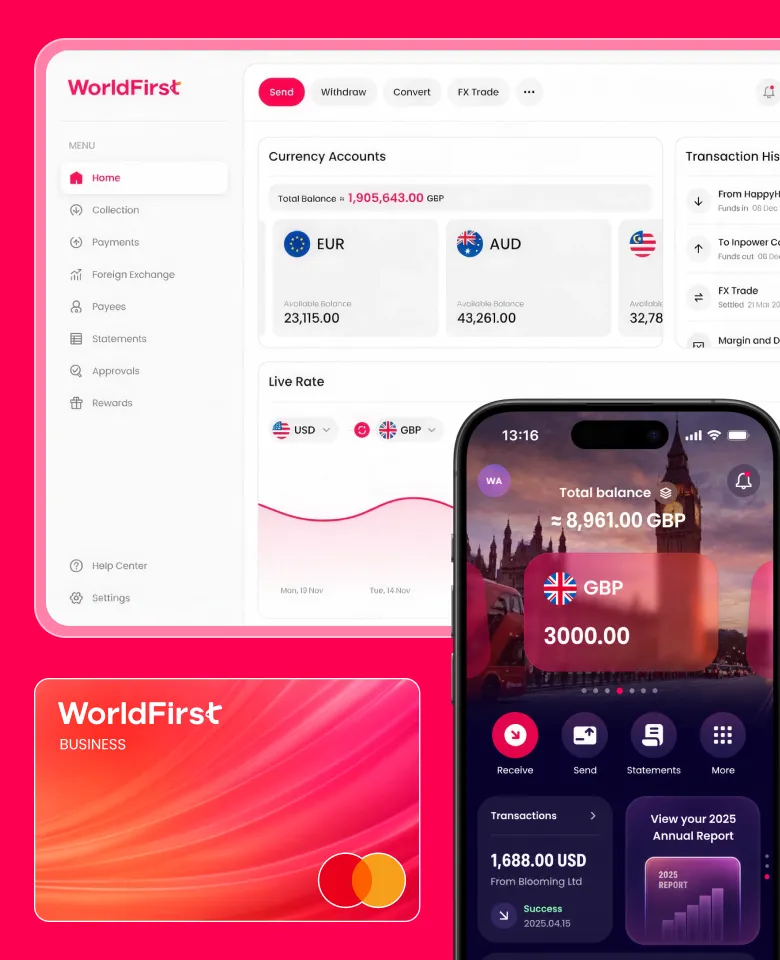
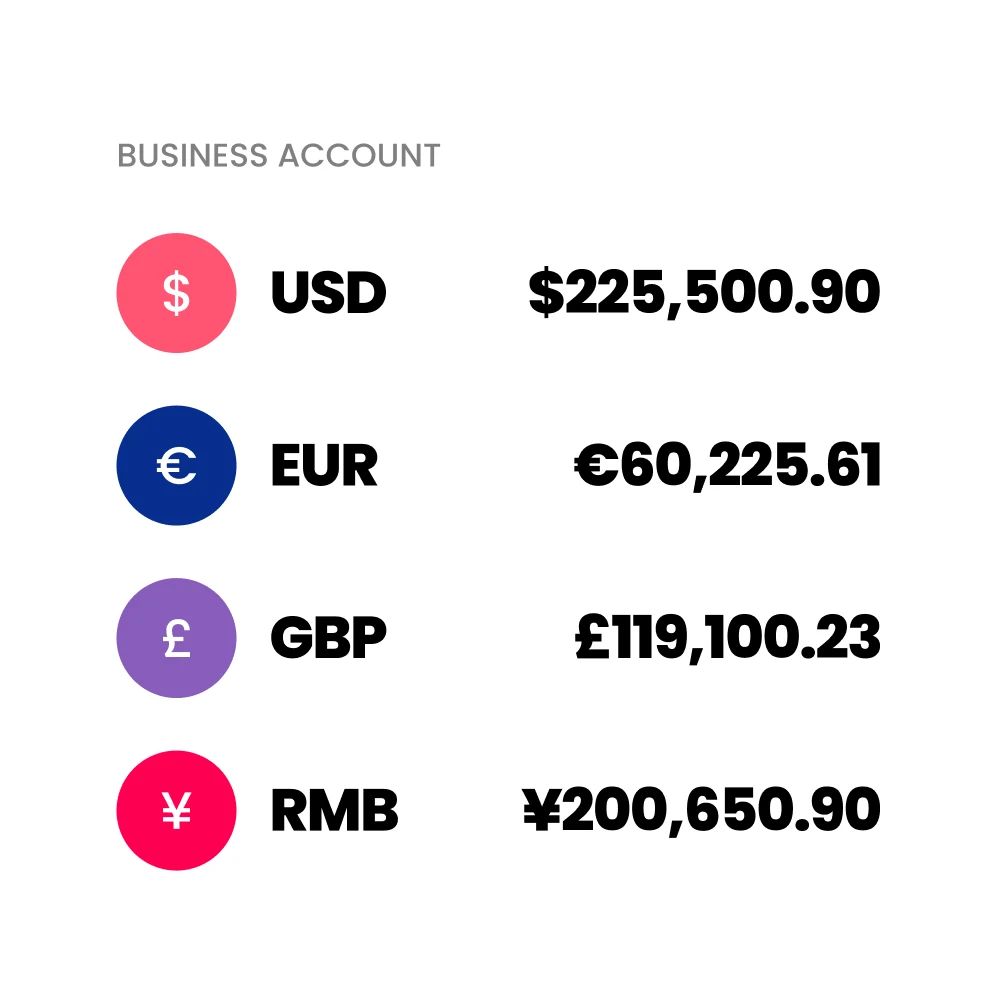
World Account from WorldFirst tackles these pain points directly. As a payment provider – and not a bank – it gives your business one platform to manage international payments, hold 100+ currencies and send funds through local payment accounts, all in a way that simplifies your global operations.
Key features include:
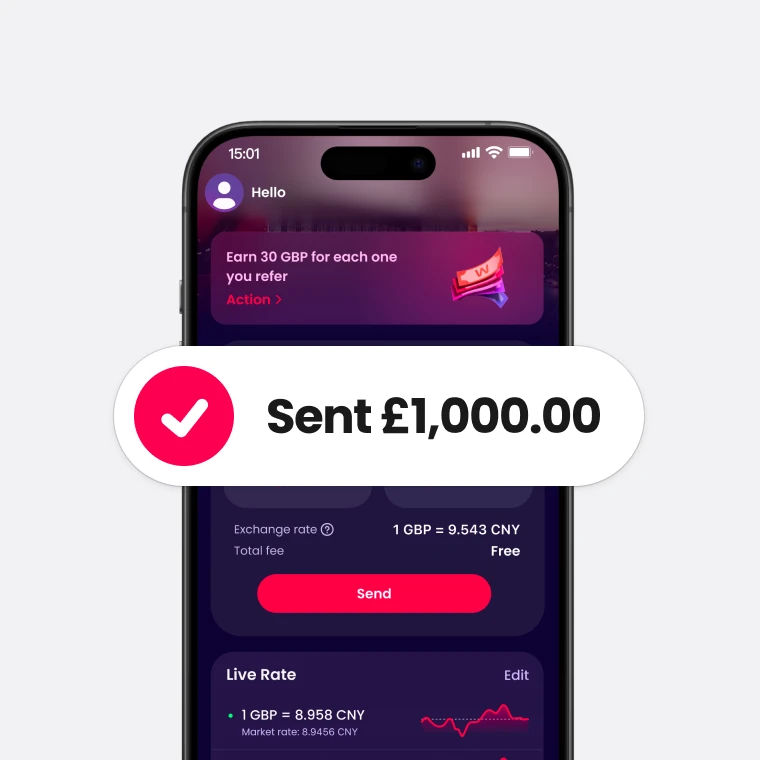
WorldFirst aims to turn complex international payments into local transfers whenever possible. As an alternative to a traditional business bank account, you avoid most correspondent fees, pay no hidden markups and can execute payments exactly when you want at pre-agreed rates. This approach significantly reduces total costs compared to sticking with a traditional UK bank.
Want more control over wire transfer fees as your business grows internationally?
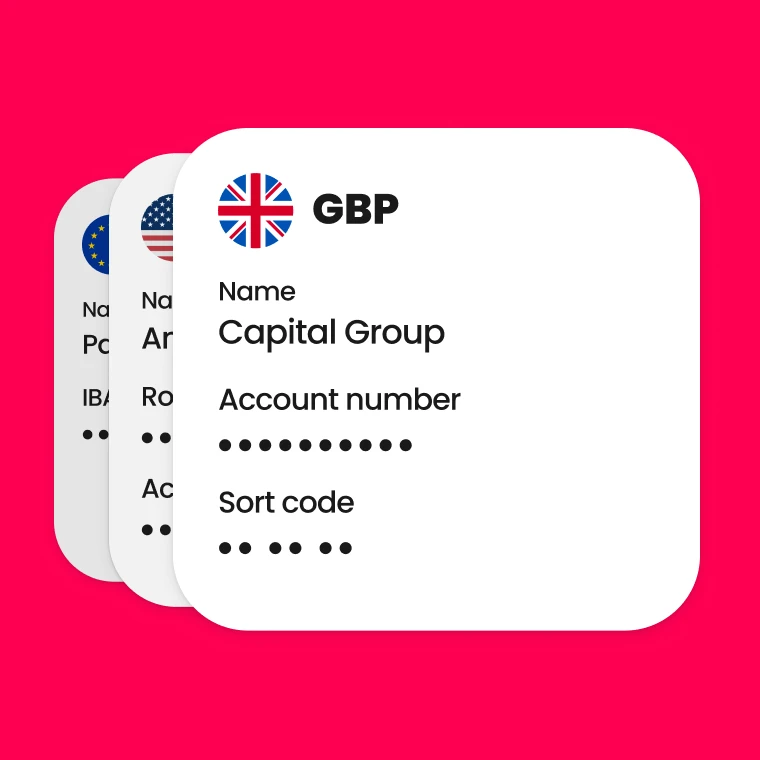
Open a World Account for free today and use local bank details to receive funds without unnecessary intermediary deductions.
Sources:
Shawn Ma leads business development at WorldFirst UK, with a deep expertise in fintech, risk management and cross-border commerce.
Shawn Ma
Author
Choose a product or service to find out more
Save money, time, and have peace of mind when expanding your global business.
© 2026, Ant International or its affiliates
It looks like you're sending money to family or friends — that's a personal transfer, which is best handled through our app.
Sending money to family or friends? Download our app for the best experience.