We provide coverage in South Asia and Middle East: servicing 210+ countries and territories.

WorldFirst Home > blog > International Transactions > What’s the best way to send money overseas? 7 top options for businesses
If you’re a business looking for the best or cheapest way to send money overseas, you know that international money transfers can be slow and expensive. You’re probably looking for options with:
Plus, if you’re working with Chinese suppliers, you might want simpler ways to send payments specifically to China. Unfortunately, this is not something that all payment solutions offer.
In this guide, we’ll share the pros and cons of some common methods for international payment. We’ll cover:
Already convinced that a multi-currency account is the best way to send money overseas? Open your free World Account now to get started making faster, simpler payments abroad.
Traditional banks and other legacy transfer methods can make it complicated to send large amounts of money overseas. Opening a business bank account can take months and require in-person visits, while credit cards and wire services may charge exorbitant fees for international transfers.
Since 2004, WorldFirst has been working to make it simpler and cheaper for businesses to send and receive cross-border payments. Partnering with major financial institutions like J.P. Morgan, Barclays and HSBC, we’ve helped over a million businesses process $300 billion in transaction volume.
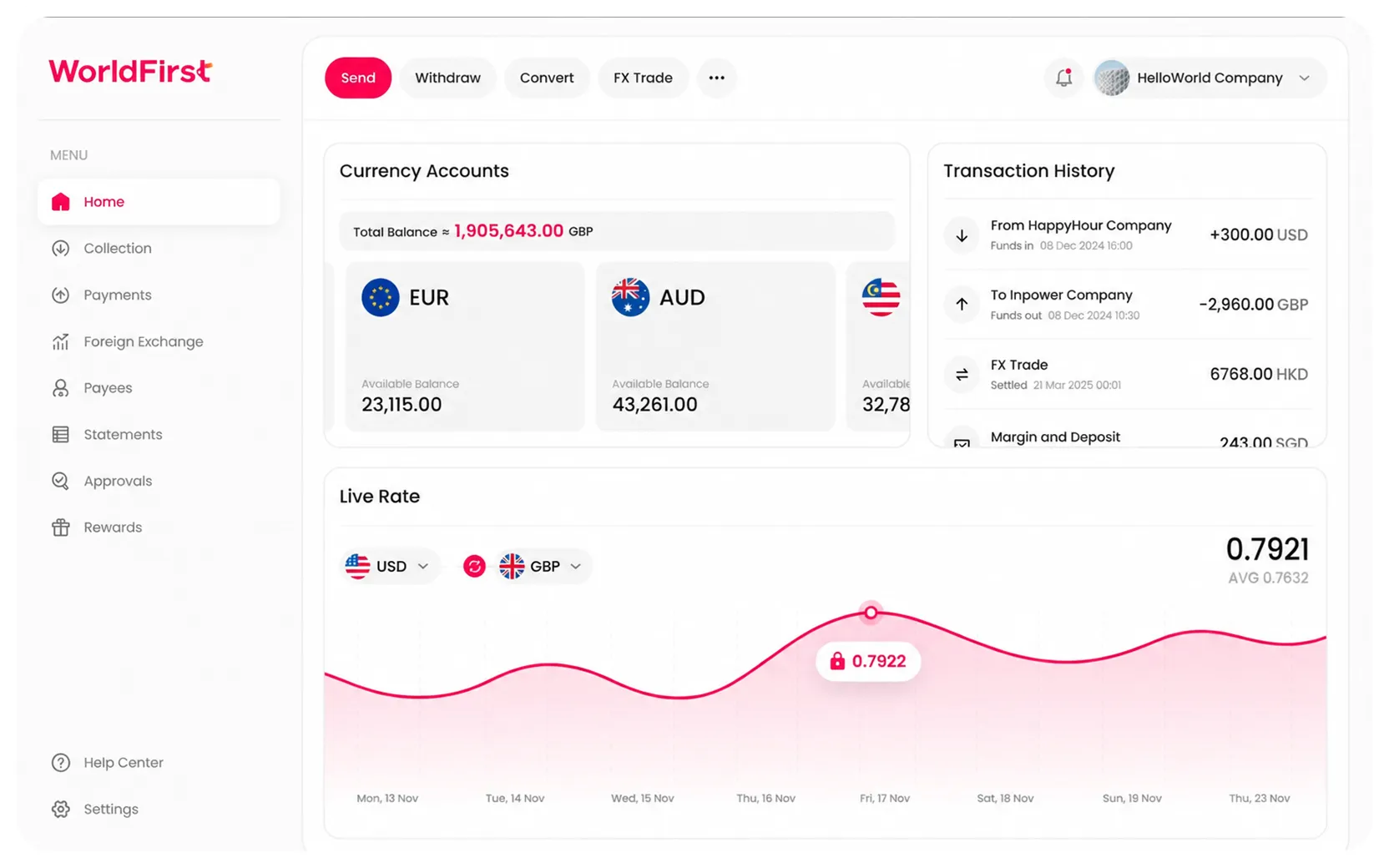
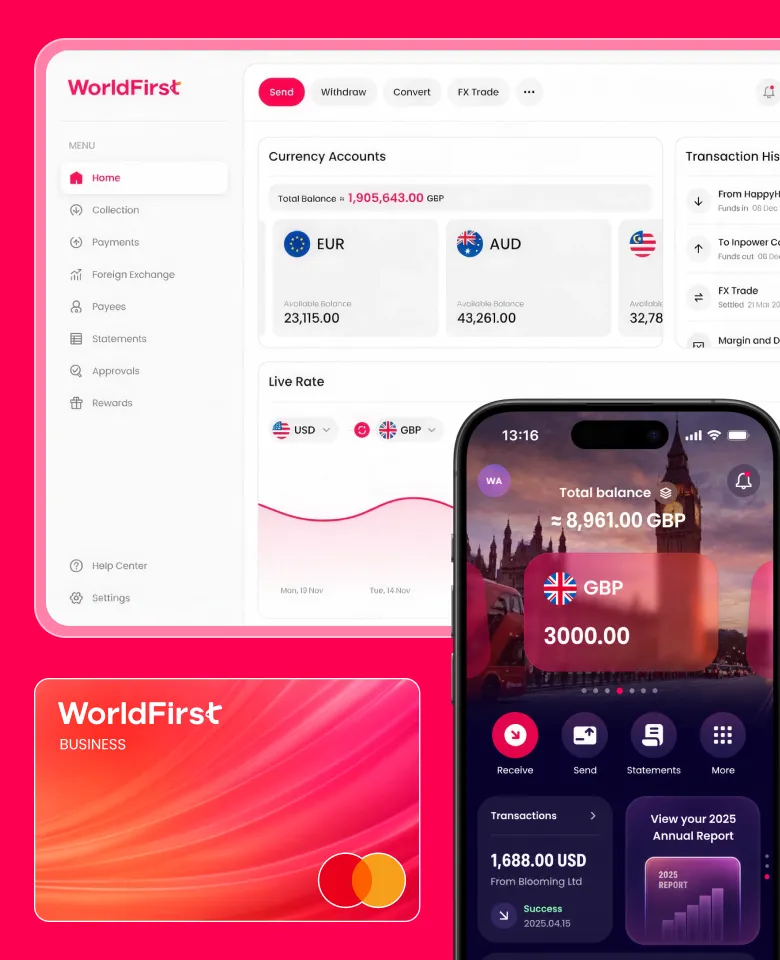
With a multi-currency World Account, you can pay your suppliers, vendors and other partners faster, for less. Here are some of the main reasons to choose a multi-currency World Account for all of your cross-border business payment needs.
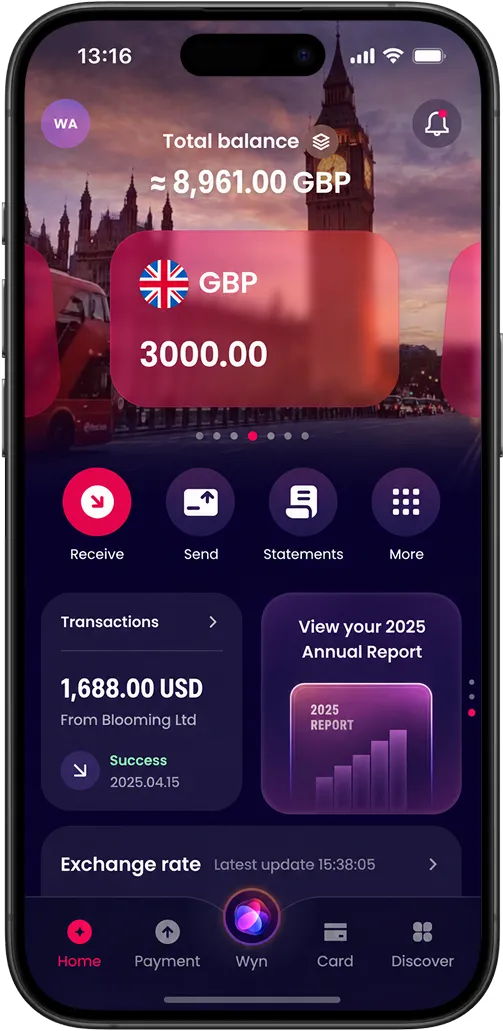
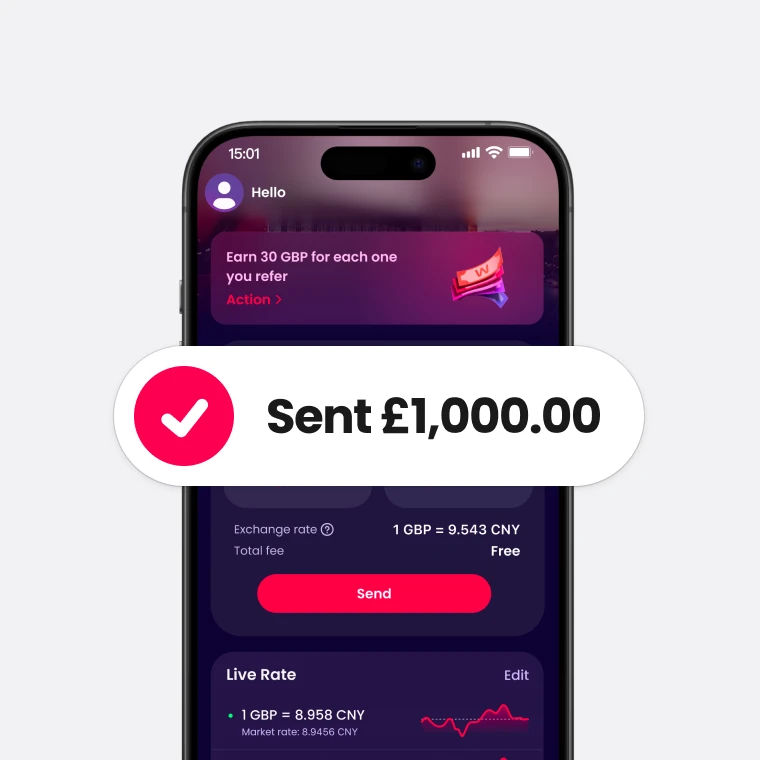
With a multi-currency World Account, you can send money overseas in 100+ currencies to 210+ destinations, with competitive, transparent fees.
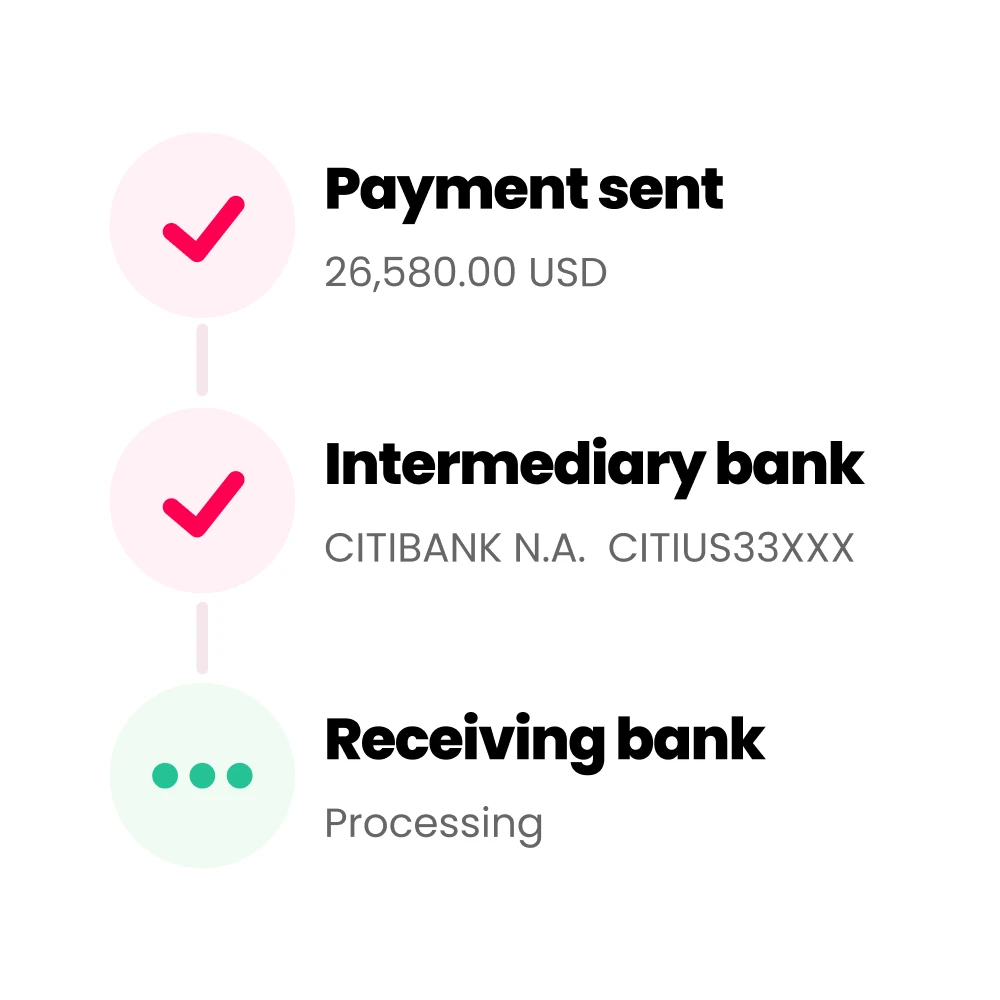
Log in to your World Account any time, 24/7, to make a payment. 80% of payments land on the same day, and almost all land in less than 48 hours.
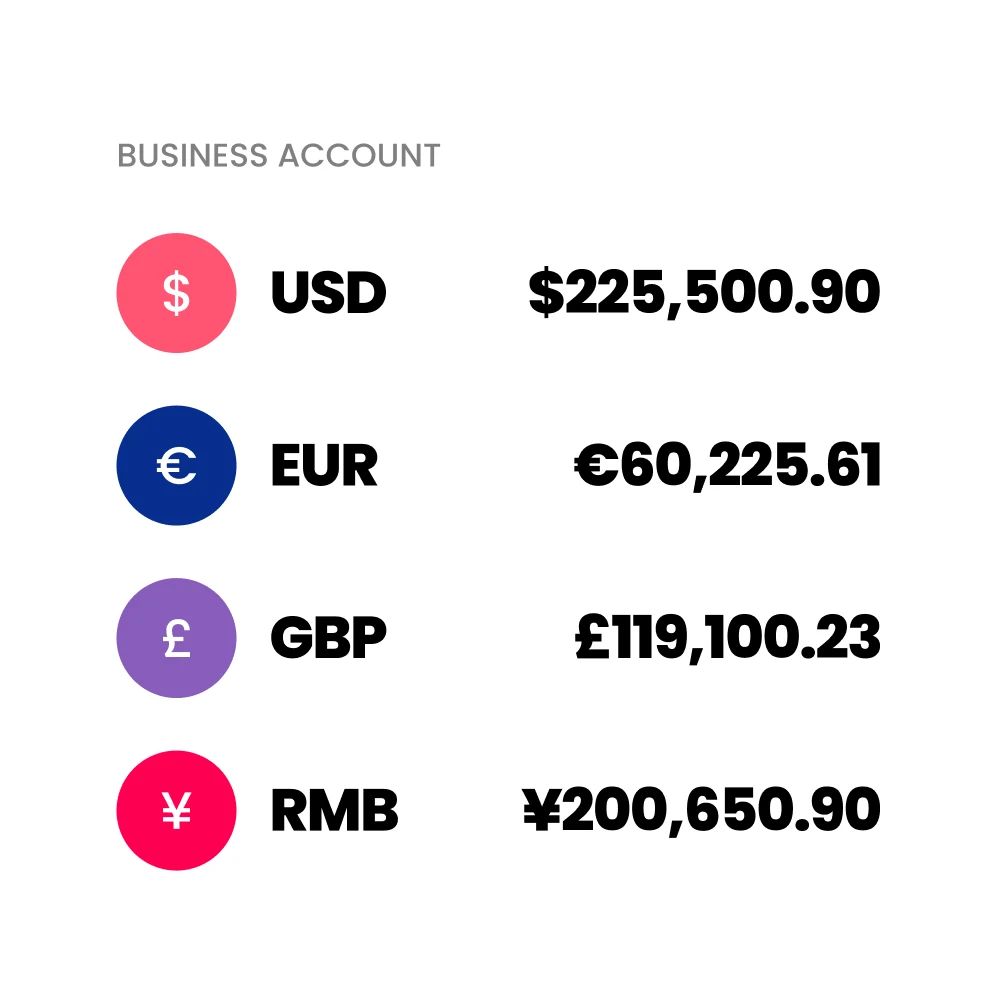
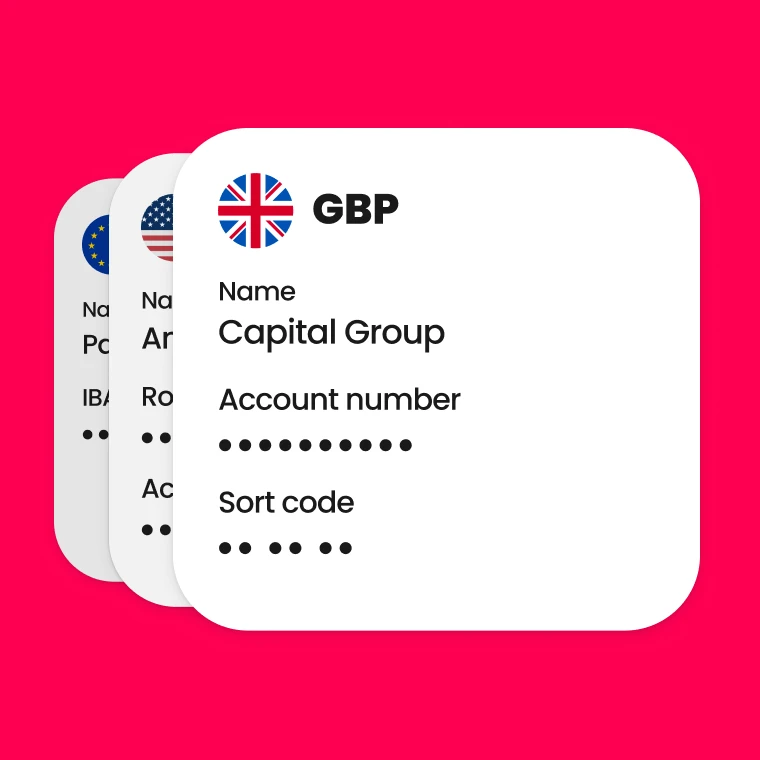
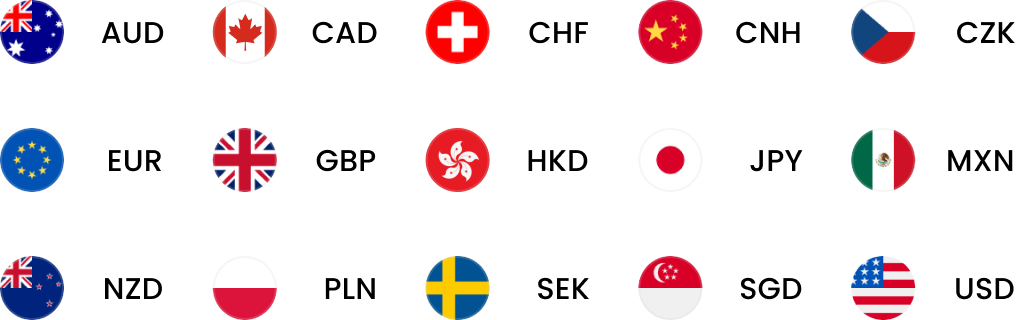
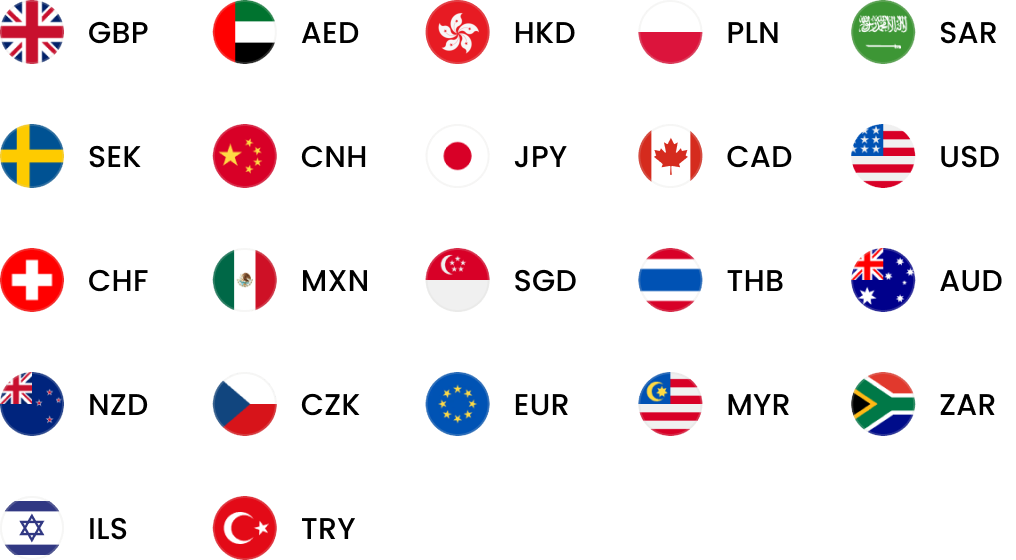
When you join WorldFirst, you can also hold funds in 20+ currencies, including USD, GBP, EUR, CAD, AUS, NZD, JPY and CNH. You’ll get local account details for each currency, so you can hold and receive money without paying any fees until you’re ready to make a payment or transfer.
Local account details let you take advantage of local payment rails to pay faster in certain countries. For instance, by using IBANs for European payments or BSB numbers in Australia, you can pay just like a local – rather than using international networks such as SWIFT.
WorldFirst also enables free, instant payments to other World Account holders. Pay your suppliers, vendors and other business partners in just seconds, for no charge, when they join WorldFirst too.
Some transfer methods can come with hidden fees or confusing pricing structures that make it hard to understand your costs. For example, they may advertise low fees, but use unfavourable conversion rates. Or, they may charge monthly fees or setup fees, which can add up to cancel out any cost savings.
WorldFirst is free to join, with no setup fees and no monthly or annual account fees in order to access our best rates. You only pay the listed prices and fees, and we use mid-market rate to calculate your currency conversion, plus a low, transparent markup.
If you have your eye on a specific exchange rate, you can take advantage of firm orders and forward contracts:
Read more: Foreign exchange risk management: How to make international business more affordable
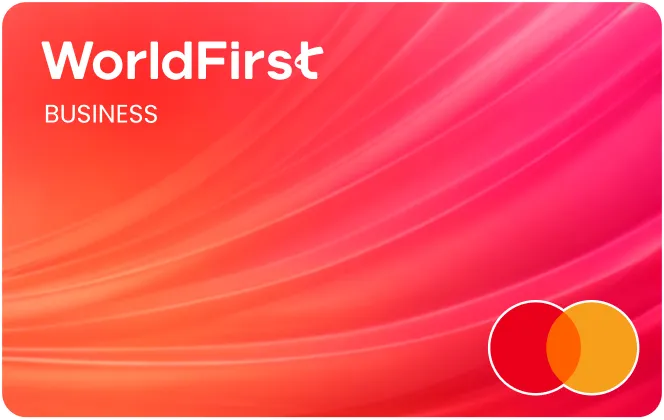
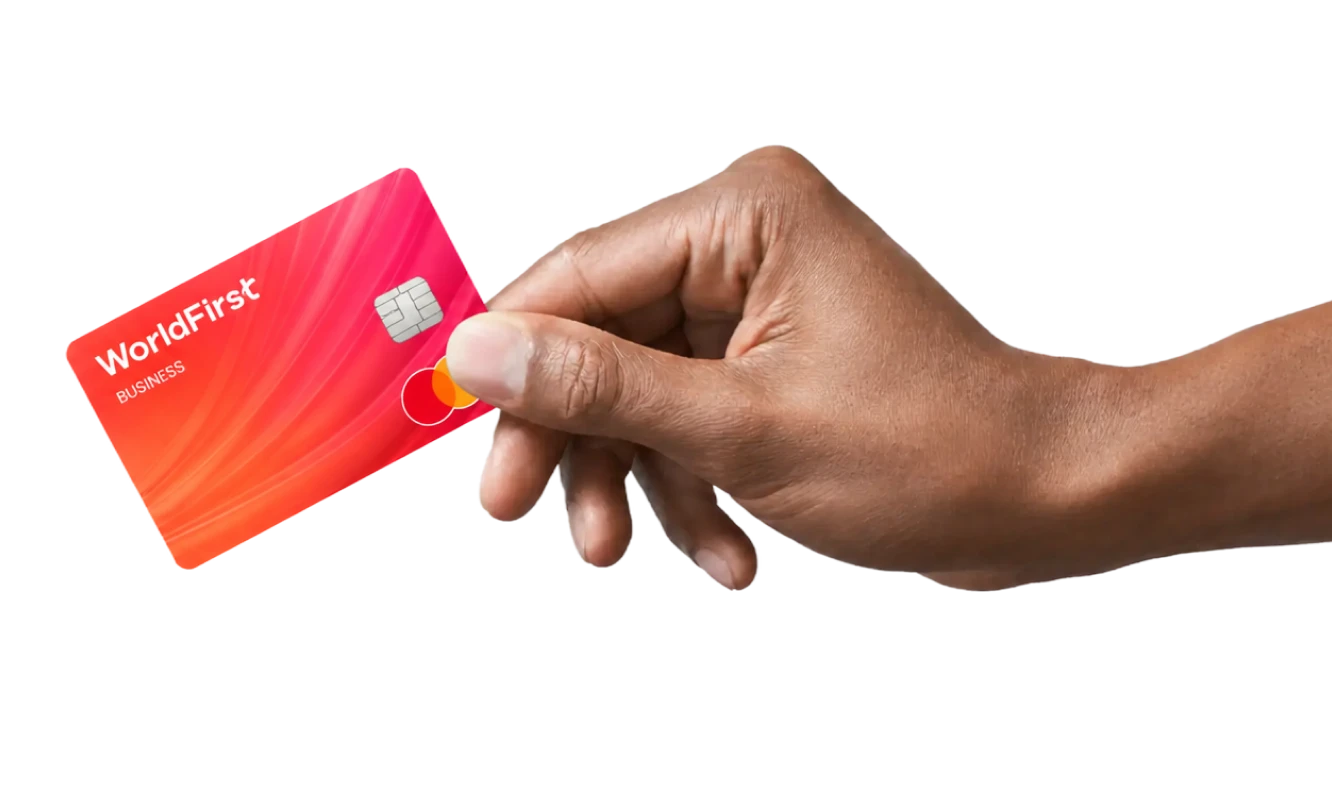
Sometimes, the easiest way to make an overseas purchase is to use a debit card or credit card. But these can come with exorbitant transaction fees (1–3% on average) on top of unfavourable conversion rates and other charges.With your World Account, you can get up to 25 free virtual World Cards to pay business expenses in 150+ currencies. Plus, pay zero FX fees when you pay in 15 major currencies from your World Account balance.
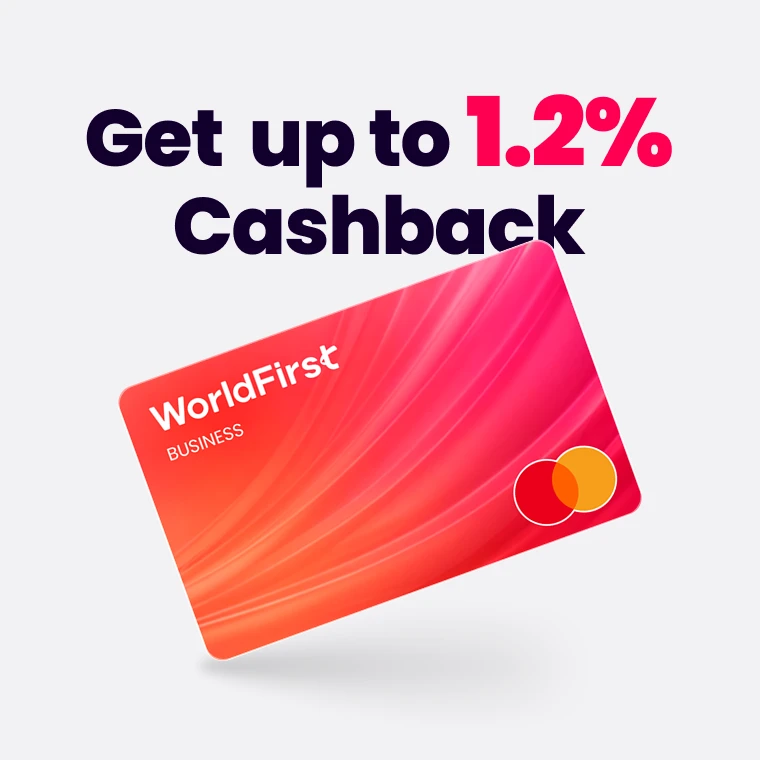
Your World Card also earns you up to 1.2% cashback on all business expenses, with no limit on your earnings. That means you earn more to invest back in your business when you pay suppliers, marketing costs, logistics, seller fees and more.

Multiple virtual cards let you split expenses by currency, department, team, supplier, expense type and more. And, you can view and manage all of your World Cards, with transactions separated out by card in your World Account dashboard. With World Cards, you can easily track expenses, adjust spending limits or instantly freeze or cancel cards in case of fraud or theft.
Learn more about World Cards: How a multi-currency virtual card helps your business grow
WorldFirst makes it easier to expand your global presence, with other easy ways to connect and pay overseas.
With World First, you get multiple ways to find and pay suppliers in China, including:
WorldFirst also partners with 130+ marketplaces and payment gateways to give you even more ways to pay and get paid. Connect directly to send and receive payments through global platforms like:
And receive and manage marketplace payouts from platforms like Amazon, TikTok Shop and AliExpress, all through your World Account dashboard.
Read more: What’s the best business bank account for e-commerce companies? 7 options
To open a World Account and start sending money overseas:
Ready to start making fast and affordable overseas payments? Open a World Account for free today.
Here are some other popular ways for businesses to send money overseas:
Cards are one of the fastest ways to make international payments. They also come with automatic currency conversion and fraud protection, and may include additional perks like cashback or air miles.
Some payees prefer to receive payments by card, since they don’t need to provide their banking details. Some may even let you pay in instalments with cards, making it easier to manage cash flow. However, other vendors might not accept your particular card brand, or be willing or able to accept cards at all.
Virtual cards, in particular, have some additional advantages: they are quicker and easier to apply for and receive, come with lots of customisable features (like spending limits), are less prone to theft since there is no physical card to steal, and they can be instantly frozen or cancelled online.
Wire transfers are considered a very secure and reliable choice, and many banks and other agencies around the world offer them. However, they can be expensive and inconvenient, depending on the bank. You may be able to make payments online or on a phone, but you may have to physically visit the bank branch to make larger payments.
Overseas bank accounts can be challenging to open: you need a local business entity, a presence on the ground to make local bank visits, and the ability to navigate rigorous application procedures, extensive documentation and long waiting periods – often all in a foreign language. These accounts usually only make sense for very large enterprises, or small companies who transact daily with one or two specific countries.
However, these accounts offer the advantage of local account details, so you can use local payment rails to pay faster for less. They also enable you to join niche marketplaces, or local branches of major global marketplaces (e.g. Amazon.de, Amazon.mx, etc.).
A dedicated overseas bank account can also mean stronger customer support, especially with compliance and fraud assistance. However, local accounts also mean more tax complications, strict reporting requirements and other additional complexities.
Find out more: How to open a USD business account as a non-US resident
PayPal is a money transfer service that’s quick and simple to set up, and is a very low-risk way to pay suppliers. It’s a high-trust brand name that most suppliers and vendors around the globe are familiar with, and you don’t need to exchange account numbers, or worry about unsecured credit card details.
However, PayPal does set daily transfer limits, which may be too low to meet some businesses’ needs. Some sellers may also refuse to accept PayPal payments, since chargeback disputes may tend to favor the buyer. Also, if a transaction is flagged due to fraud concerns or other red flags, it can be delayed for weeks until review is complete.
Crypto can be an appealing branding decision for companies that need or want to appear on-trend, but the high-learning curve means someone on your staff with tech expertise needs to handle the setup.
Crypto can also invite a lot of risk and volatility, as currency values can shift dramatically and suddenly (though this is changing with stablecoins), and regulations can change overnight.
This regulatory uncertainty can also mean legal grey areas and complex accounting needs. For example, in countries like Australia, crypto counts as an asset, not a currency, for tax purposes. You or your recipient may have to pay capital gains taxes, which can be expensive. Payments can’t be reversed, so you may also need to develop your own fraud and dispute mechanisms.
While crypto might be a good addition for certain companies, it’s not practical to make it your only option. If you do decide to adopt crypto, use it in conjunction with another cross-border payment solution, like a multi-currency business account.
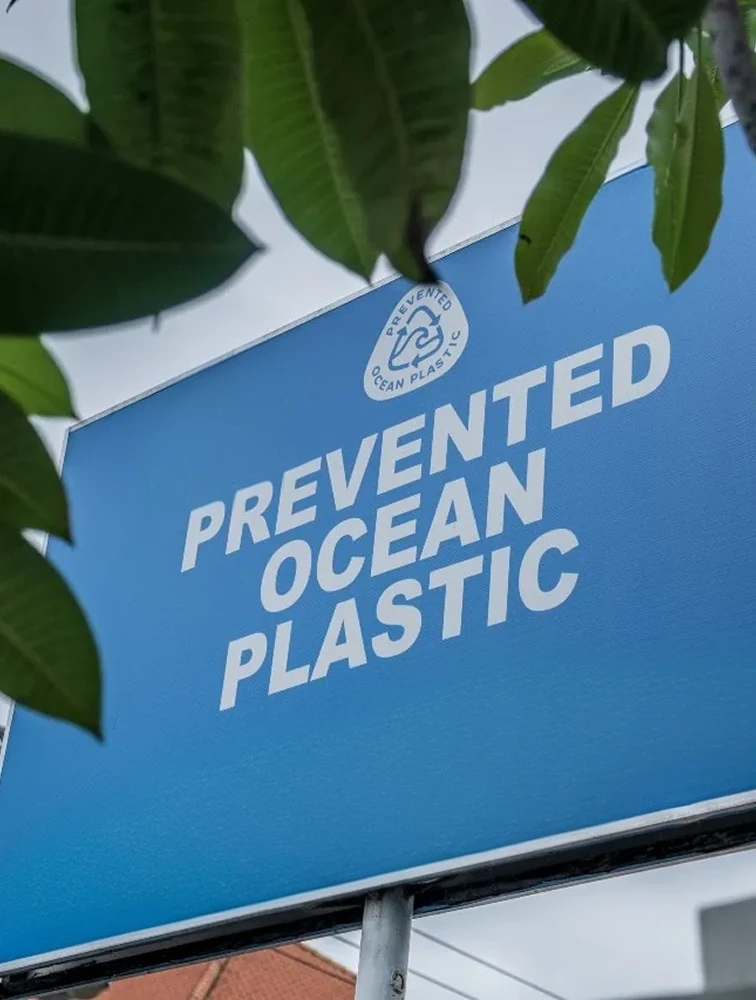
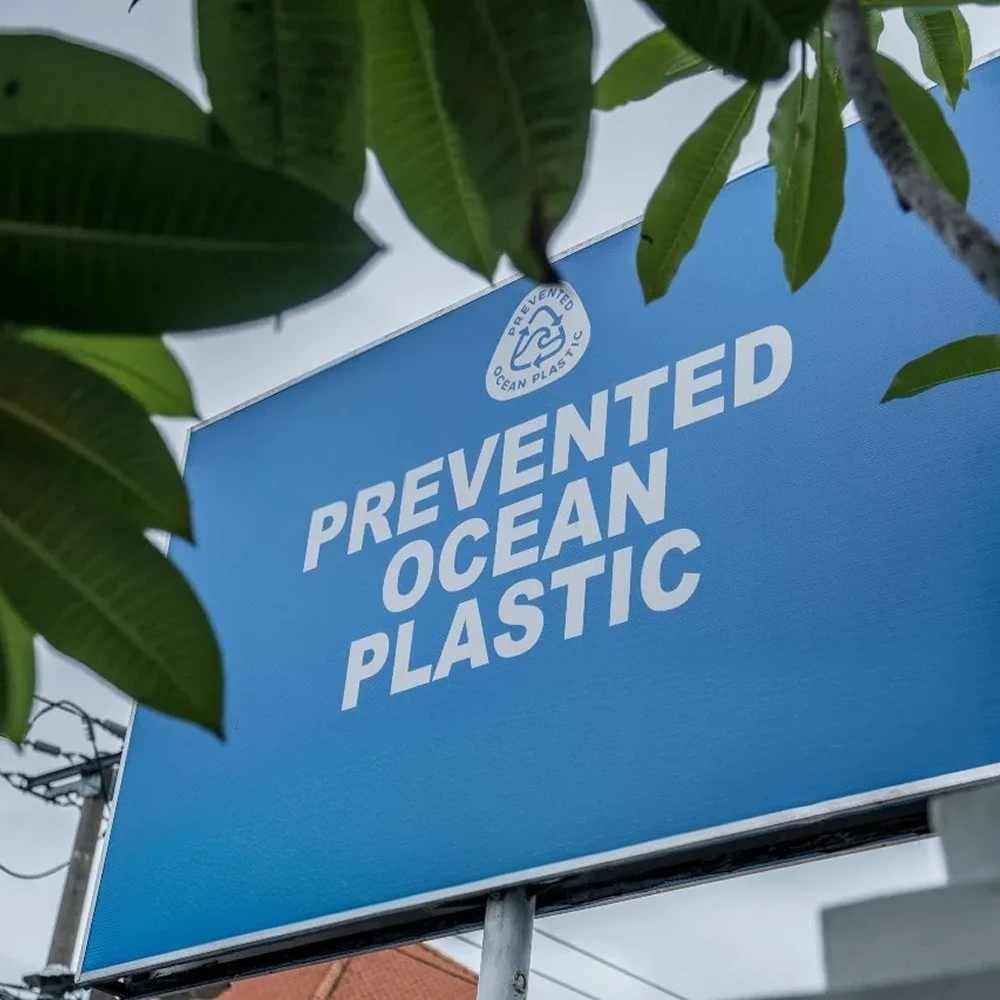
For Bantam Materials International, speed and reliability are critical to their business model. As the largest single buyer of recycled PET plastic in developing nations, their unique supplier structure is built on fast, reliable, on-time overseas payments to coastal communities in developing countries.
Since 2005, the company’s goal has been to reduce the amount of plastic that goes into the ocean, by collecting, recycling and turning plastic bottles into raw materials. To make this happen, Bantam sends more than US$100,000 a day through WorldFirst to bottle collectors, collection centers, recyclers and factories overseas.
Bantam relies on WorldFirst to pay suppliers and bottle communities on time, at competitive rates. On-time payments help establish trust in these communities and keep the business alive.
The company also needs to worry about currency risk and volatility in order to effectively manage its supply chain. WorldFirst partners with Bantam to mitigate this risk by reducing exposure through tools like forward contracts.
In partnership with WorldFirst, Bantam Materials has grown into a market leader for social entrepreneurship.
Read the full case study here: Bantam Materials and the fight against ocean plastics pollution
When you want to send money overseas, WorldFirst can help make it simpler. With a variety of fast, reliable ways to pay, you can build better supplier relationships, maintain inventory levels and more.
WorldFirst also gives you more ways to make payments to China, and secure the exchange rates you need. Open a World Account for free today to experience more convenient cross-border payments.
Choose a product or service to find out more
Save money, time, and have peace of mind when expanding your global business.
© 2026, Ant International or its affiliates
It looks like you're sending money to family or friends — that's a personal transfer, which is best handled through our app.
Sending money to family or friends? Download our app for the best experience.