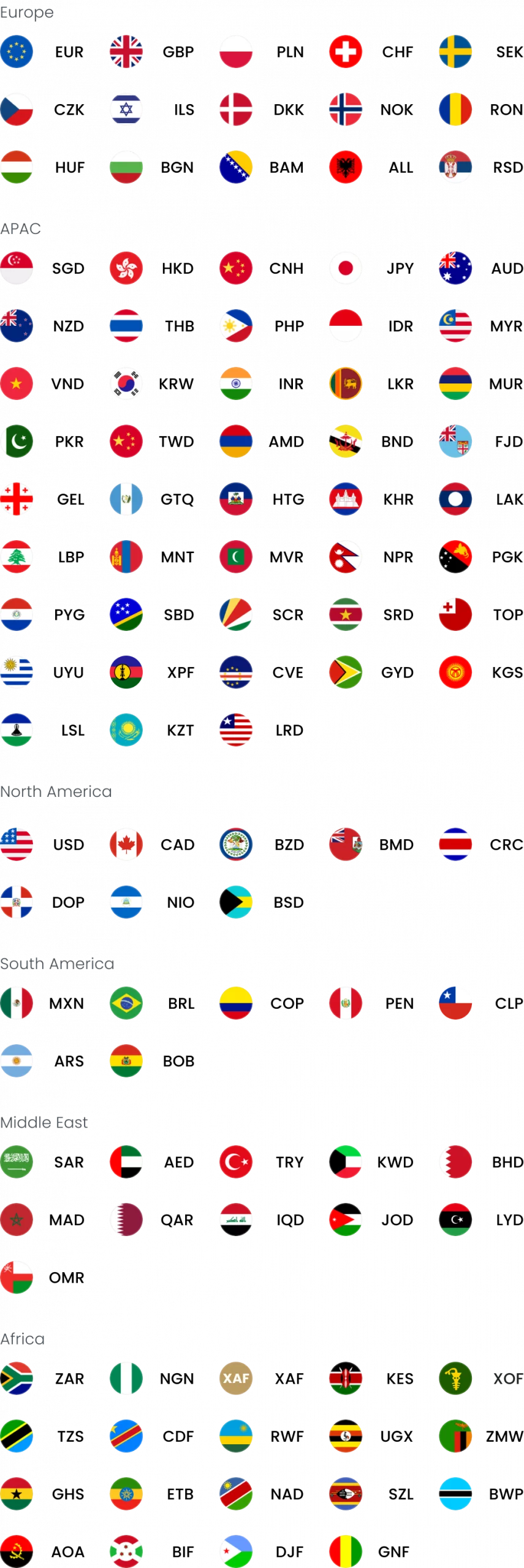
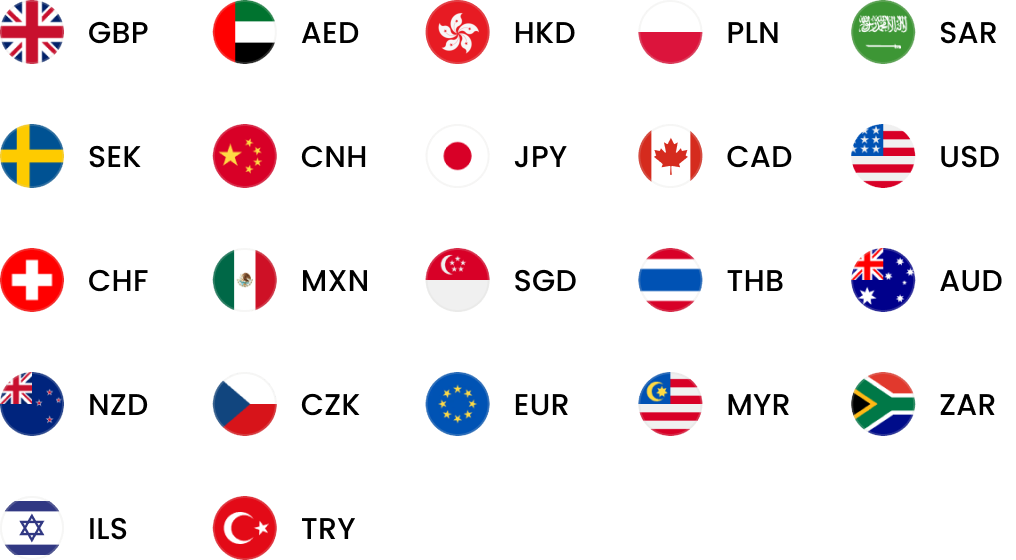
We provide coverage in South Asia and Middle East: servicing 210+ countries and territories.

WorldFirst Home > blog > Doing Business with China > How to ship from China to UK: A guide for online sellers
If you’re researching how to ship from China to the UK, you’re likely looking for answers to the following questions:
In this guide, we’ll share the answers to these key questions, and show you how to get started with affordable and reliable shipping. We’ll cover:
Looking to send money to China as a business? Open a WorldFirst account for free to take advantage of competitive conversion rates and faster payments.
As an importer or online seller, one of your priorities will be to choose a shipping method. To help, here’s a brief overview of the best shipping routes to get goods from China to the United Kingdom and Europe:
| Air freight | Rail freight | Sea freight | Road freight | |
|---|---|---|---|---|
| Cost | High | Medium | Low | Low |
| Shipping time | Fast | Medium | Slowest | Slow |
| Type of product it’s best for | Light weight, perishable goods | Heavy, non-perishable goods | Heavy, non-priority, non-perishable goods |
Heavy, large perishable and non-perishable goods |
Exact delivery timelines depend on the mode of shipment and your shipping partner. More detailed information on each shipping method can be found below:
Flying products directly to the UK/EU is much faster and safer than sea freight, though it’s by far the most expensive option.
Air freight is commonly used for shipping time-sensitive goods like perishables and medicines, as well as high-value products (such as medical devices, luxury clothing and jewellery or legal papers).
Typically, cargo carried by air is safer because airports have extensive security measures, faster transit times and reduced handling than other types of freight, which leads to reduced theft or tampering. However, airlines have more stringent regulations when shipping hazardous goods, and heavy items are much more expensive by air.
If you have temperature controlled goods, then air freight also ensures they’ll be handled at the correct temperature since the thermostat in the hold can be regulated between zero and 20/25°C. Additionally, the hold has safety systems such as smoke alarms and fire extinguishers.
If you have small shipments, shipping by air makes most sense because delivery times are reduced to days instead of weeks.
Air freight can take between five and 10 days, depending on the city of origin and destination.
While planes take less than a day to reach their destination, most of this time is spent handling cargo, managing custom clearance documents, and preparing packaging. For example, FedEx can deliver packages from Shanghai to London in 5–8 working days or to Rotterdam in a similar timeframe.
Rail freight offers a middle ground between air and sea freight when it comes to speed, cost and safety.
Rail freight reduces your risk of receiving damaged items because trains aren’t subject to turbulence or stormy seas. It has a lower carbon footprint than air freight, and it can be cost-effective when sending high volumes along popular routes.
Key routes, such as the New Silk Road train network or the China Railway Express, connect major Chinese cities to European hubs, including London, Birmingham, Budapest, Madrid, Rotterdam and Warsaw. This makes your delivery much faster if you operate in these cities since cargo doesn’t have to travel from a ferry port to your location. Additionally, with the expansion of rail networks, rail freight has become a more reliable and environmentally friendly option.
While rail freight is an appealing option for non-urgent items of medium value (such as raw materials, electronics and electrical equipment, consumer goods, or packaged products), it has limitations on weight and volume, and isn’t suitable for cargo requiring temperature control.
Rail freight takes, on average, between 18 and 22 days for delivery. Most of this time is spent at border crossings (customs checks), making route adjustments or on operational processes such as loading, unloading and track changes. Delays are possible from railway congestion, or occasionally from maintenance.
For sending heavy loads from China to the UK/EU, sea freight is generally best due to its higher load capacity and the fact shipping costs less per-unit.
When considering sea freight, you can choose between a full container load (FCL) and a less-than-container load (LCL).
Specialised refrigerated containers (“reefers”) plug into the ship’s power supply to keep a constant temperature, making them ideal for temperature-sensitive goods. However, it’s best to avoid using sea freight for fragile items as containers are often handled roughly during loading and unloading.
Sea freight has the longest lead with six weeks for door-to-door shipping from China, although it can take eight weeks or longer. Packages need additional preparation and ships move a lot slower than planes. Other factors like customs delays, bad weather and port conditions can also affect sea freight timelines. The most popular route travels through the Suez Canal.
While not as widely used, there are some truck routes that ship directly from Shenzhen, China to London. Similarly to sea freight, road transport uses a less than truckload (LTL) and a full truckload (FTL) system, where FTL usually caters up to 80 cubic metres. Road freight has lower emissions than air transport, but higher than rail or sea freight.
There are road freight corridors linking East Asia, Central Asia and Europe such as the China-Kyrgystan-Uzbekistan corridor or the Linyi-Kazakhstan corridor, though continued global investment in road network capacity will hopefully make these routes more numerous in the future.
Generally, road freight is most cost-effective for short to medium-distance deliveries due to its flexibility and ability to reach areas inaccessible by other modes of transport. Weight and size restrictions may apply, meaning it’s often not optimal for bulk / large volume shipments. It’s also hindered by congestion and frequent driver shortages, which are challenges faced by both Europe and Asia.
From China to the UK, road freight can take between 14 and 21 days to arrive, making it faster than both rail and sea freight, and more cost-effective than air freight. Road vehicles are much more susceptible to traffic congestion and weather-related delays, so it might not be a reliable choice for shipments.
Shipping delays are often frustrating and out of your control, but there are some measures you can take to ensure your cargo doesn’t get stuck halfway across the world.
Here are four things to consider before you send your shipment:
Your suppliers expect to be paid quickly and reliably, no matter what. Fast payments help you build trust and goodwill with suppliers, giving you an edge in negotiations, securing better terms and even earning you priority during busy or tight supply periods.
One way to pay international suppliers reliably is with a multi-currency business account. These accounts let you hold and manage multiple currencies in a single place, letting you pay suppliers directly in their preferred currency, without delays caused by converting money through multiple accounts or banks. Accounts from WorldFirst also use local payment networks for quicker cross-border payments. The result is faster, smoother transactions that keep your supply chain moving.
Find out more: How to pay international suppliers: 6 methods
Having up-to-date documentation is arguably the most important step to ensuring a smooth shipping process. Having incorrect paperwork can lead to your shipment getting stuck at the port for weeks.
To help, we’ve created a list to help you understand which documents you need for each stage of the process:
Please note that the following lists are indicative only. Regulations and procedures change over time and can vary depending on the products you’re importing. Please seek professional advice before proceeding with your imports and exports.
Documents you’ll need for the pre-shipping stage include:
| Export licence | The Chinese government issues export licences to exporters, allowing them to ship goods out of the country. Smaller companies without an export licence can partner with freight forwarders for international shipping, but it remains crucial for importers to verify that Chinese suppliers hold valid export licenses. |
|---|---|
| Proforma invoice | After you negotiate the prices, the supplier prepares the proforma invoice for your approval. It isn’t a legally binding document and only includes the estimates for the order. |
| Export letter of credit | This is a conditional payment guarantee, where wholesale exporters ship goods before payment is made in full. |
| EORI number | If you’re importing goods into the United Kingdom or Europe, you’ll need an Economic Operator Registration and Identification (EORI) number. It’s essential for interacting with customs authorities. |
| Pre-arrival safety declaration | This document must be submitted to customs authorities before goods are shipped. In the UK, it’s known as the Safety and Security Declaration (SSD). In the EU, it’s referred to as the Entry Summary Declaration (ESD). Usually the carrier is responsible for submitting this, but you should confirm with your shipping partner. |
| Item-specific licence or certificate | Certain goods require a licence to be imported into the UK. These include controlled items like chemicals, weapons and agricultural products. Check UK government guidelines in advance. The EU also has regulations around what can be imported, similarly to the UK. |

Documents you’ll need right before shipment include:
| Certificate of inspection | If required by contract, this certifies that the goods have been inspected and meet quality standards. Not all goods need this; it typically applies to certain industrial and high-risk items such as chemicals or pharmaceuticals. |
|---|---|
| Commercial invoice | Once the terms of sale are finalised and goods are ready for shipment, the commercial invoice is issued. This is the key document required for customs processing. |
| Bill of exchange | This document formally requests payment. Suppliers usually share it at the same time as the commercial invoice. |
| Export packing list | An itemised list of all the goods included in your order. The document is also the main reference for customs agents when they review your order. If there are any extra items found in the shipment that aren’t included in the list, it can lead to delays and complications. |
Once your shipment is complete, all goods that enter the UK and EU from China are subject to the customs clearance process. Here are the main documents you’ll need:
| Cargo insurance certificate | While insurance isn’t mandatory, it can help you claim compensation if products get damaged during transit. If your supplier doesn’t provide cargo insurance, you can get it through a third-party firm. |
|---|---|
| Bill of lading | This is the receipt for the received goods provided by the shipping company. It also provides proof of ownership and is needed to claim the shipment once it arrives at its destination. |
| Certificate of origin | It shows where the goods were manufactured or where they were obtained from. It’s issued by the China Council for the Promotion of International Trade. |
| Customs declaration | The C88 form (UK) or Single Administrative Document (EU) is a customs declaration for when the goods arrive at their destination. This helps calculate the duties and VAT owed on the shipment. |
Freight forwarders help importers and exporters get their goods across international borders safely and efficiently – they’re essentially intermediaries who specialise in international shipping.
While they can make your shipping process more expensive, they save you a lot of time and headache by managing the document preparation, customs clearance, storage management and cargo insurance. They advise on the best routes for international shipping and arrange transport details for rail, road, sea or air freight so that goods arrive on time. Depending on your budget and delivery timelines, they can also recommend the best international shipping method.
They’ll help you budget the exact cost of shipping from China, since it depends on several factors, including:
Many freight forwarders and shipping companies offer express shipping services for items which need to be delivered in 1–3 business days, though it usually comes with a premium price tag. Express shipping services generally use air freight, and couriers such as DHL, UPS and FedEx are popular providers offering this door-to-door service.
If you’re comparing port-to-port delivery estimates against door-to-door delivery, you should factor in the additional fees to get your goods to the port and for last-mile delivery at the destination.
Read more: Everything you need to know about freight forwarding
During widespread Chinese holidays, many factories shut down, and major ports and transport hubs operate at reduced capacity (including ports, rail networks, and postal services). Some of the longest Chinese holidays last up to two weeks, so it’s best to plan your shipments far in advance of these dates.
Here are the top Chinese holidays to keep in mind if you regularly import products from China:
November to January is considered the peak shipping season, which often leads to delivery delays. Even economy airmail can be delayed for a long time, depending on the number of economy parcels received by the delivery service. You should ship your goods months in advance of Black Friday (the date for Black Friday varies between 23 and 29 November) in the case of ocean freight.
With air freight, you can use economy airmail until late October, but you should switch to express airmail from November to January. This ensures your cargo will arrive on time during Black Friday, Christmas and the Chinese New Year period.
Read more: A seller’s guide to Chinese holidays and traditions: e-commerce dates for your business calendar
When sourcing from China, fast and secure payments can mean the difference between a smooth delivery, or delays that impact your bottom line.
At WorldFirst, we understand how difficult it is to pay Chinese suppliers without having a Chinese bank account set up – and how difficult it is to open a bank account in China as a non-resident.
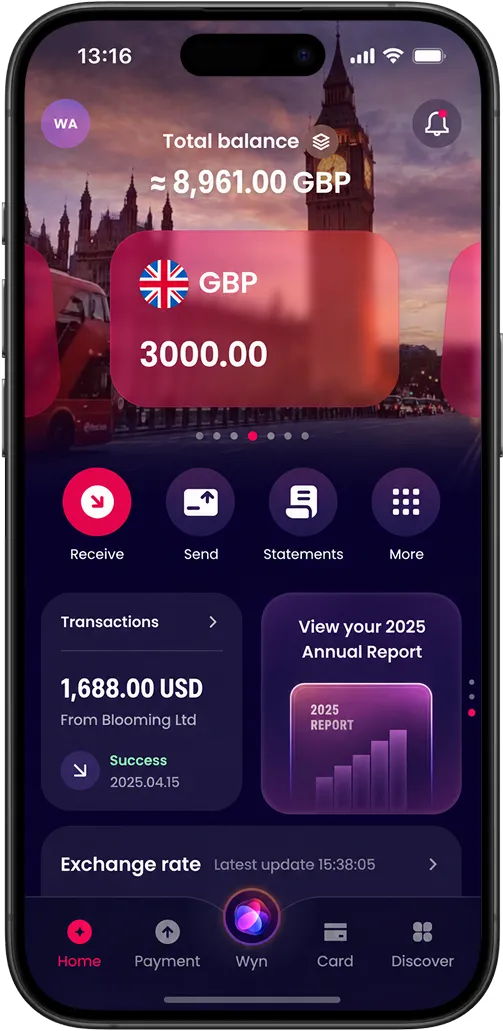
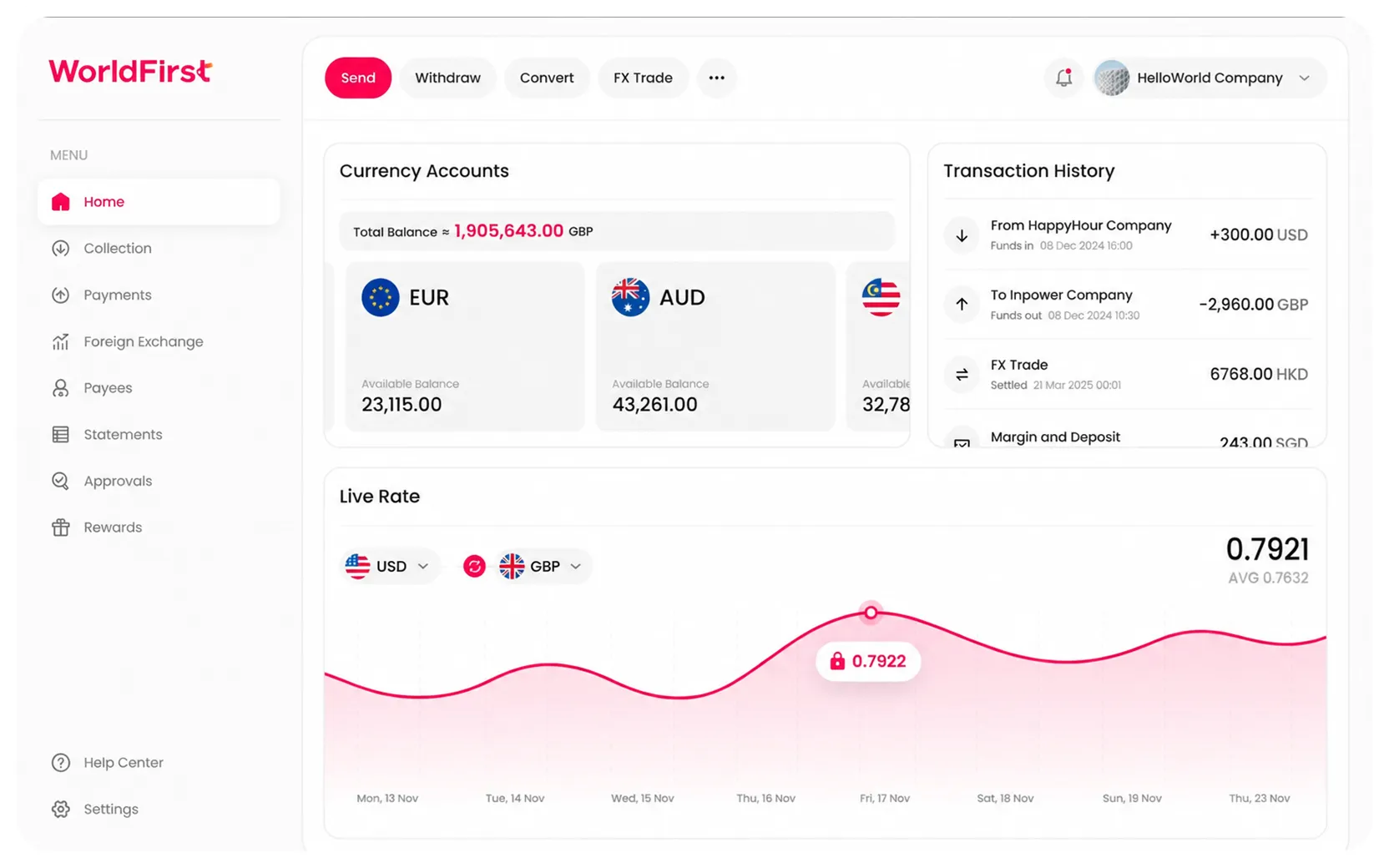
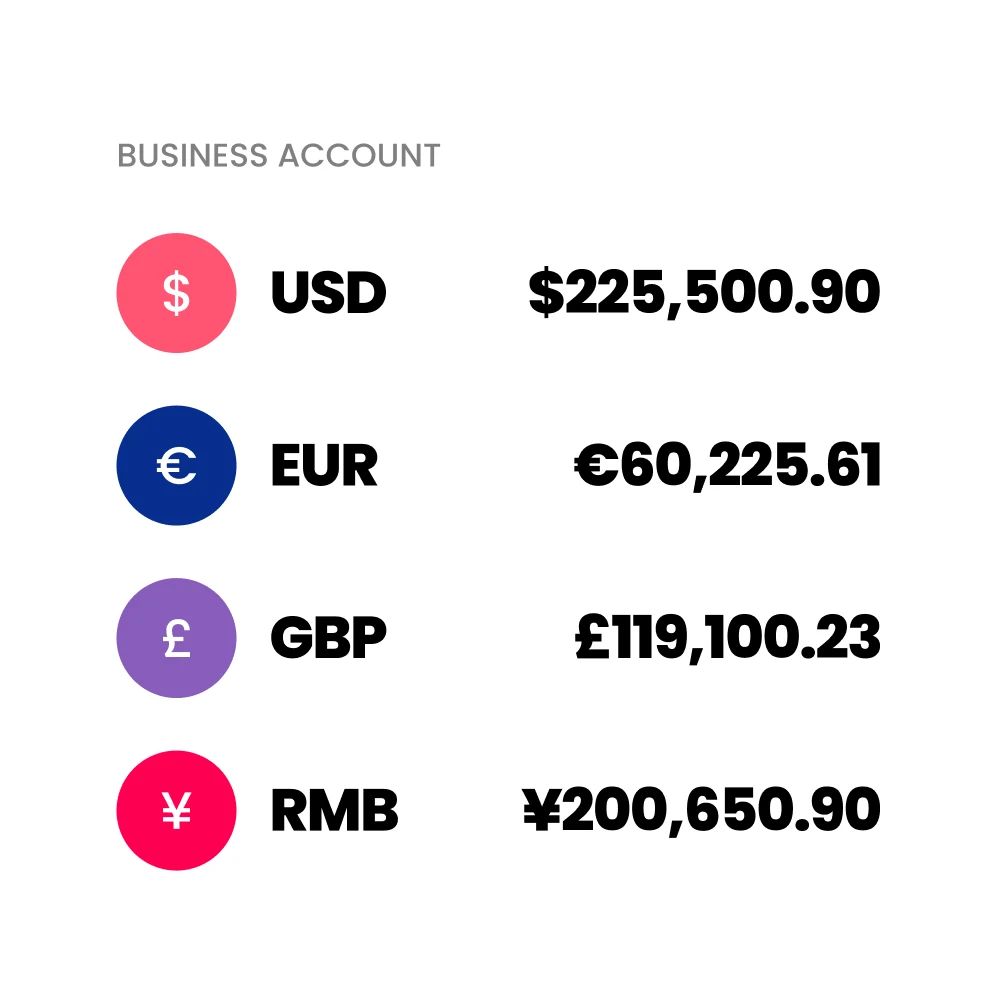
That’s one reason the World Account exists. It’s a multi-currency account for business that lets you trade, hold and convert your cash between currencies such as GBP, USD and CNH. With the World Account, you can easily pay suppliers and logistics partners in their local currency – so you can reduce costs, build trust and speed up shipments.
Here’s how WorldFirst makes it easy for you to pay Chinese suppliers:
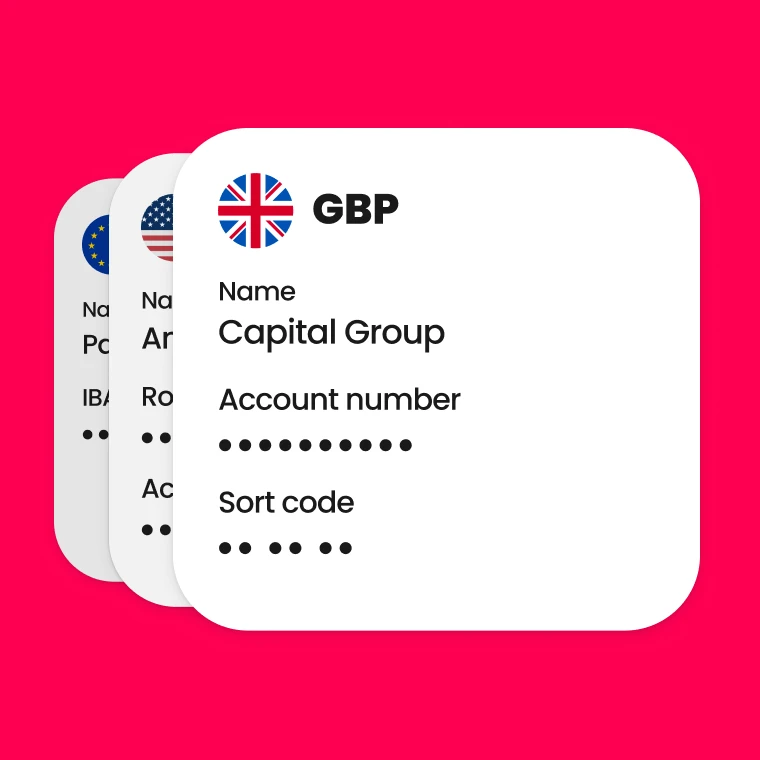
The World Account lets you hold over 20 currencies, including GBP, CNH, USD and HKD. You’ll get currency accounts with local account details, allowing you to benefit from same-day or next-day payment processing.
Rather than using an international network like SWIFT, where transfers can take up to six days, a World Account lets you pay (and get paid) like a local. WorldFirst uses local payment rails whenever possible.
Same-day and next-day payments will help get your shipments moving quicker, but it also has other advantages. With the ability to pay in CNH quickly, you can strengthen your position when negotiating with suppliers; it could secure you better prices or more favourable shipping terms.
That’s true not just for Chinese suppliers either. We allow you to send payments in your supplier’s preferred currency, so you can continue to trade more effectively worldwide.
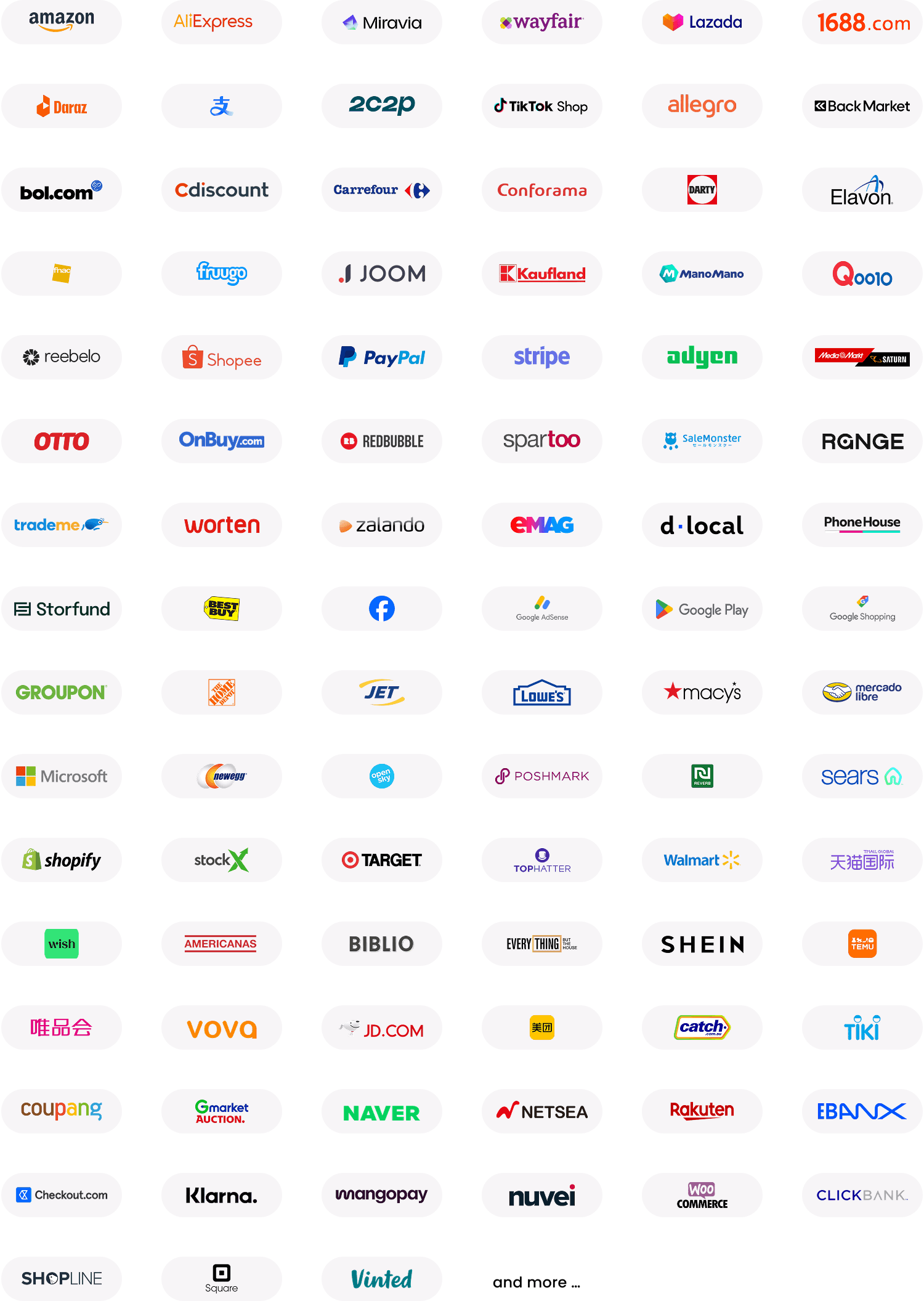
1688.com is a Chinese wholesale platform with thousands of product categories and millions of suppliers. It’s designed to connect users to wholesale suppliers – but, as it focuses on the Chinese domestic market, it can be difficult for international businesses to source from.
World Pay is the official payment method provided by WorldFirst, making it easy to purchase from Chinese suppliers. The World Account integrates directly with the marketplace.
So, when you find suppliers and place an order on 1688.com, select World Pay as your payment method at checkout. You won’t have to set up a bank account in China or rely on third-party payment agents in order to complete the transaction.
You can link your 1688.com account directly within the WorldFirst dashboard so you can quickly authorise payments. All transactions are automatically recorded and reconciled in your World Account, which gives you clear visibility and simplifies your accounting.
Read more: How to source wholesale using 1688.com outside China
WorldFirst also helps you save on currency exchange, with low FX fees, no minimum balances and no payment limits. There are no fees for opening an account or for receiving funds in any currency.
By holding CNH, you can receive a payment from a Chinese buyer, hold those funds, then pay a local supplier without ever having to convert between currencies. You only need to convert your cash when you want to send money home – and you’ll pay zero FX fees for sending CNH payments.
(If CNH is received as CNY, a conversion fee may apply. To avoid this, confirm with your supplier whether they accept CNH or require CNY.)
Additionally, we offer alerts for when exchange rates hit your target, and the ability to lock in an exchange rate for up to 24 months. For instance, our forward contracts help you budget with certainty because they protect your cash flow from any sudden currency fluctuations.
WorldFirst lets you have 25 virtual cards per World Account, free of charge, so you can split your balance across multiple currencies and convert funds whenever you choose. You can issue distinct virtual cards for different teams, projects, departments or expense categories, and set card-specific spending limits.
All card transactions can be tracked in real time from a central dashboard in your World Account, simplifying bookkeeping and giving you more control over spending.
Each virtual card can be managed independently, allowing you to freeze or cancel cards instantly if suspicious activity arises. This reduces the risk of fraud and unauthorised payments, which can be especially hard to recover in overseas markets.
Read more: How a multi-currency virtual card helps your business grow.
If you want an easy way to pay Chinese suppliers, then the World Account is the right multi-currency account for you. It removes the need to set up a Chinese bank account, allowing you to hold, send and convert multiple currencies seamlessly.
The direct integration with 1688.com enables instant, reliable payments from your account directly into your supplier’s.
What’s more, the World Account speeds up international payments, which helps you ship from China to the United Kingdom much faster than traditional wire transfers would.
Take advantage of these features and start making payments from your World Account within 24 hours*. Click here to create an account and register for your World Card today.
*Subject to onboarding.
Choose a product or service to find out more
Save money, time, and have peace of mind when expanding your global business.
© 2026, Ant International or its affiliates
It looks like you're sending money to family or friends — that's a personal transfer, which is best handled through our app.
Sending money to family or friends? Download our app for the best experience.