























Multi-currency accounts, competitive FX, and global transfers — Everything you need to pay and get paid internationally
WorldFirst Enterprise
Built for faster payments, smarter liquidity, and robust compliance—all powered by our next-gen API toolkit and AI-native architecture.
Named a Top Global Fintech Company by CNBC & Statista, we’ve supported 1.5M+ businesses since 2004.
About WorldFirst
Resources
More brands of Ant International
Europe
Asia
Oceania
Africa

We provide coverage in South Asia and Middle East: servicing 210+ countries and territories.

Best freelance payment methods for African freelancers

Contents

Check out the different international payment options available to freelancers in Africa

Key takeaways

  • Bank transfers provide a familiar way to receive international payments directly into a bank account, but international fees and processing times can vary
  • Freelance marketplaces combine client discovery, contracts and payment processing, but commissions can reduce the amount received
  • Card payments through payment gateways give clients another way to pay but can involve transaction, currency conversion and chargeback fees
  • Multi-currency accounts provide local receiving details in foreign currencies and allow funds to be held before conversion

International freelance work has made cross-border payments increasingly relevant for independent professionals across Africa.

The payment method in which freelancers receive money can affect transaction costs, settlement times, currency conversion and access to funds. Some freelancers rely on traditional bank accounts, while others use freelance marketplaces, card-based payment gateways or multi-currency accounts.

Take a look at how these payment methods work and what to consider when receiving international freelance income.

Main freelance payment methods for African freelancers

1. Bank transfer

An international bank transfer allows a client to send money directly from their bank account to a freelancer’s business bank account in another country. The client typically provides the freelancer’s name, bank account number or IBAN, bank name, SWIFT/BIC code and other required details. The sending bank then processes the payment, often through the SWIFT network, and the receiving bank credits the funds to the freelancer’s account.

The time and cost vary by the banks, currencies and countries involved. SWIFT transfers usually take one to five business days, although some payments can arrive faster.

Fees may include a charge from the sending bank, intermediary bank fees and receiving bank fees, while currency conversion can add an exchange-rate markup. Some banks also require a new beneficiary to be added and verified before a transfer can be made, which may take a few hours to one to two business days, depending on the bank’s security process.

→ Here’s a step-by-step guide to open a business bank account 

Pros Cons
  • Direct payment into the freelancer’s bank account
  • Familiar payment process for clients in many markets
  • Suitable for larger invoices and recurring payments
  • Can support foreign currency accounts where available
  • Banks may charge around some receiving fees
  • Bank transfers may not always work for small, frequent invoices due to per-transfer fees that vary by bank
  • Banks may apply an exchange rate margin on top of the existing rates
  • International transfers can take around 1–5 business days, or sometimes more

2. Freelance marketplaces

A freelance marketplace is an online platform that connects freelancers with clients and typically handles contracts, payments and project-related processes. Clients pay through the marketplace, which may hold the funds in an escrow account (a temporary account where a neutral third party holds the money until agreed conditions are met) during the project or review period. Once the conditions are met, the marketplace releases the payment to the freelancer.

Payouts can then be made through available bank, e-wallet or payment-processing options. The time to receive funds varies by platform and payout method; for example, international wire transfers can take several days, while some payments are disbursed the same or next business day.

This structure can reduce the number of separate payment arrangements a new freelancer needs to establish. It can also provide payment protection and dispute processes. But, marketplace commissions can materially reduce the freelancer’s net earnings.

Pros Cons
  • Combines client acquisition and payment processing on a single platform
  • Payment protection and dispute processes are available to protect the freelancers
  • Clients can pay through an established platform
  • Commission fees up can reduce net earnings
  • Funds may be subject to platform hold or review periods until the work submitted by the freelancer is approved by the client
  • A fixed payout fee may apply along with currency conversion and a possible exchange rate markup when transferring funds from the platform to a bank account

3. Credit and debit cards (with payment gateways)

A payment gateway is a service that securely processes online payments from a client’s card or bank account and transfers the funds to the freelancer’s account. Freelancers can receive payments from international clients by sending a payment link or online invoice through a payment gateway. The client pays by credit or debit card, and the gateway processes the payment before transferring the funds to the freelancer’s connected bank account or wallet after deducting applicable fees.

A percentage of the payment is typically deducted as a processing fee, with additional charges possible for international cards or currency conversion. Funds may reach the freelancer within minutes to several business days, depending on the gateway and payout method.

Pros Considerations
  • Clients can pay quickly using cards they already have
  • Can support online invoices, payment links or checkout pages
  • Payment processors can provide fraud-prevention and security tools
  • Percentage and fixed transaction fees typically apply
  • International cards may attract additional card processing fees
  • Currency conversion also adds to the total cost
  • Chargebacks can occur if clients dispute card payments, potentially reversing the payment and triggering a dispute fee for the freelancer

4. Multi-currency accounts

Multi-currency accounts allow freelancers to receive, hold, send and convert funds in multiple currencies from a single account. Depending on the provider and market, freelancers can receive USD, GBP, EUR and other currencies through local currency account details, hold balances in the original currency and convert funds later if and when they have to pay in foreign currencies.

This reduces the need to receive every international payment into a local bank account and immediately convert it without having any control over the time. Some providers also allow users to send money overseas in different currencies, making the account useful for freelancers who pay international suppliers, software subscriptions or subcontractors.

Pros Considerations
  • Receive international payments through local receiving details in currencies such as USD, GBP and EUR
  • Hold funds in the received currency instead of converting immediately
  • Convert currencies at the freelancer’s chosen timing
  • Send payments in multiple currencies
  • Some platforms integrate with marketplaces and payment gateways
  • Currency conversion fees apply when converting funds
  • Multi-currency account availability varies by country and provider
  • Not every currency or receiving route is available in every market
  • Verification and supporting documents may be required

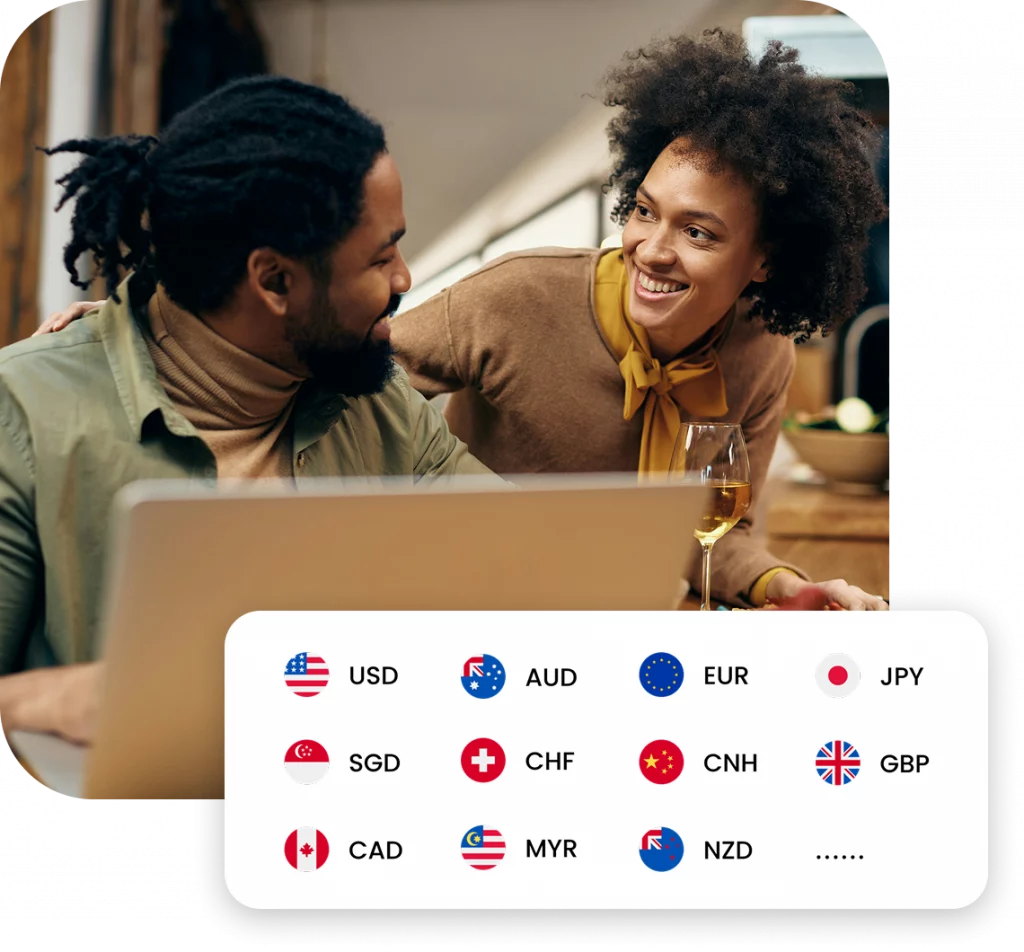
The World Account from WorldFirst is a multi-currency account designed for businesses in African markets, including Nigeria, Kenya, Ghana and Morocco, that regularly deal with cross-border payments. Businesses can set up local account details in 15+ currencies (a USD account, plus 14 other local currency accounts as part of the World Account) to receive and hold funds, then convert currencies, make international payments or transfer funds to a linked bank account.

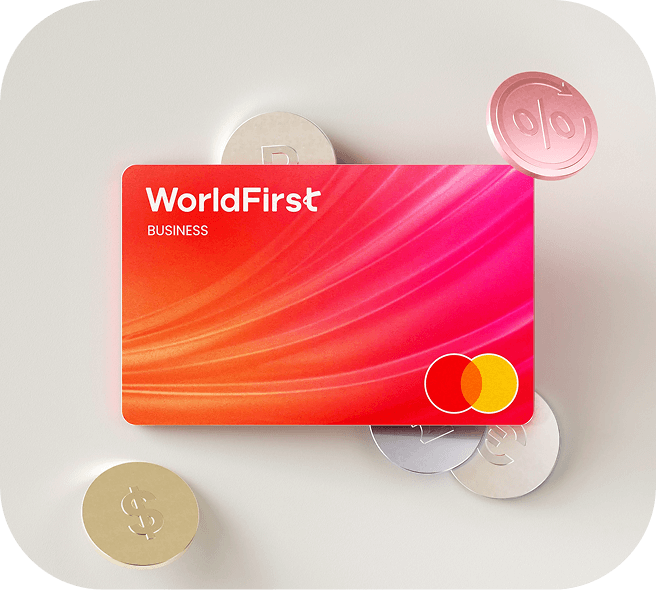
The World Account supports payouts from 130+ marketplaces and payment gateways, including Amazon, Shopify, Stripe and Etsy. Businesses can also send payments in 100+ currencies across 200+ countries and regions. The account is linked to the World Card, a virtual card for freelancers that supports payments in 150+ currencies, with up to 20 cards available at no additional cost.

More features of the World Account

  • No fees apply when paying in any of the 15 supported currencies, provided there is sufficient balance in the same currency
  • Transfers between World Accounts are instant and incur no transfer fees
  • Integrates with reconciliation software such as Xero and NetSuite
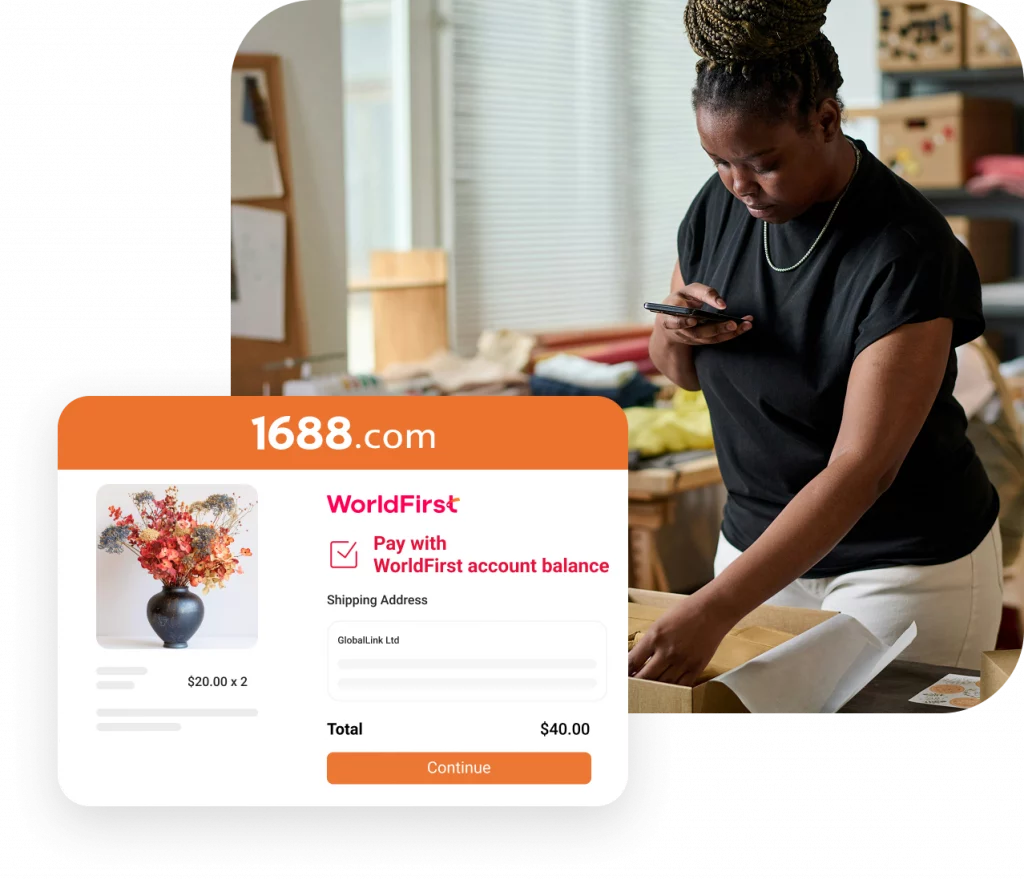
  • Businesses can pay suppliers in China through World Pay, the authorised international payment provider for 1688.com. Read more on this 1688 dropshipping guide

Main fees of the World Account

Fee type World Account fees
Monthly fee Zero
Account opening Zero
Receiving payments Zero
Holding multiple currencies Zero
Transfers between World Accounts Zero
Sending payments Refer to in-portal pricing. Vouchers may apply
Currency conversion Refer to in-portal pricing. Vouchers may apply
World Card Zero for up to 20 cards

*Fees checked in August 2026. Terms and Conditions Apply

How to choose the right payment method for your freelance work

The payment methods for freelancers can be assessed against several practical factors:

  • Income volume and frequency: Occasional large payments and regular smaller invoices can have different fee implications
  • Client base and payment preference: Clients may prefer bank transfers, marketplace payments or cards
  • Currency mix: Receiving international payments in several currencies can create a different set of requirements from receiving mainly one currency
  • Access to funds: Settlement time can matter when income is needed for regular expenses
  • Existing banking setup: An existing foreign currency account may already support international receipts
  • Business scale: individual freelancers versus larger freelance agencies may need different features, such as team access, invoicing or accounting integrations
  • Regulatory considerations: Rules governing foreign currency, international payments and reporting differ across African markets

Practical tips for African freelancers receiving international payments

  • Invoice in the client’s currency where practical as this can make the payment amount clearer and avoid requiring the client to convert funds before payment
  • Consolidate smaller invoices where possible. This can reduce the effect of fixed fees on individual transactions
  • Set clear payment terms in contracts and specify the payment method, currency, due date and consequences of late payment
  • Keep organised records for invoices, fees, exchange rates and amounts actually received for accounting and tax reporting
  • Use accounting software with multi-currency support as this can help track invoices and receipts in their original currencies
  • Review fees end-to-end by considering transaction fees, intermediary bank charges, withdrawal costs, currency conversion and any platform commissions rather than looking only at the advertised headline fee
  • Check payment requests carefully as unexpected requests to pay money to access freelance earnings can be a scam. Legitimate work opportunities do not require freelancers to pay upfront to get paid

Which payment method suits which type of freelance work?

Different types of freelance work may make certain payment methods more practical. Bank transfers can suit occasional international contracts with larger invoices, as fixed transfer fees represent a smaller share of the payment. Multi-currency accounts can be useful for regular retainers or clients across the globe paying in multiple currencies, allowing freelancers to receive and hold supported currencies before converting them.

Freelance marketplaces can suit freelancers in fields such as design, writing and consulting who find clients and manage projects through an online platform. Payment gateways can work for freelancers who find clients independently through their own websites or other channels and want to accept card payments through payment links or online checkout. Freelancers can also combine payment methods depending on the client, invoice value, payment frequency and currency involved.

Choose a payment method that fits your freelance business

No single payment route can work equally well for every freelance business. Bank transfers provide a familiar direct route, marketplaces combine work discovery with payment processing, card gateways enable online card acceptance, and multi-currency accounts can simplify receiving, sending, converting and holding foreign currencies.

The relevant comparison depends on factors such as payment frequency, transaction size, client preferences, currencies, settlement times, fees and local regulations. Reviewing these factors together can help African freelancers understand the trade-offs between different ways of receiving international income.

FAQs

1. What are the best freelance payment methods for African freelancers?

The main freelance payment methods are bank transfers, freelance marketplaces, card payments through payment gateways and multi-currency accounts. Each has different fees, settlement times, currency options and requirements.

2. What is the cheapest way to receive international payments as an African freelancer?

There is no universal lowest-cost option. The total cost depends on transaction size, payment frequency, currency conversion, bank or intermediary fees, marketplace commissions and payment-processing charges.

3. How can African freelancers hold foreign currency?

Freelancers can hold foreign currency through a foreign currency account, domiciliary bank account or a multi-currency account like the World Account. Availability, supported currencies and applicable regulations vary by market.

This article is intended for informational purposes only and does not constitute legal advice or professional advice. This article should not be regarded as constituting an offer or a solicitation to buy or sell any regulated or financial products or services. WorldFirst makes no representations or warranties regarding the accuracy, completeness, or applicability of the content, and readers are encouraged to consult with legal professionals or other professionals for advice tailored to their specific situation. WorldFirst does not guarantee the accuracy and completeness of this article and expressly disclaims any and all liability to any person in respect of the consequences of anything done or omitted to be done wholly or partly in reliance on this article.

Hu Wenzhan is the Emerging Markets Country Manager at WorldFirst. He brings expertise across Fintech, Payments, Banking, New Markets Growth to help clients grow their global business.

Hu Wenzhan
Hu Wenzhan
Author
Emerging Markets Country Manager, WorldFirst Africa

Continue reading

best freelance payment methods

The simpler way to pay and get paid

Save money, time, and have peace of mind when expanding your global business.

WorldFirst (Singapore) Merchant Services Pte. Ltd. (Company Registration No. 201735998W) (‘WorldFirst MS’) is registered in Singapore and licensed as a Major Payment Institution under the Payment Services Act 2019 by the Monetary Authority of Singapore.

WorldFirst MS’ registered office is located at 128 Beach Road, #20-01 Guoco Midtown, Singapore 189773.

© 2026, Ant International or its affiliates