























Multi-currency accounts, competitive FX, and global transfers — Everything you need to pay and get paid internationally
WorldFirst Enterprise
Built for faster payments, smarter liquidity, and robust compliance—all powered by our next-gen API toolkit and AI-native architecture.
Named a Top Global Fintech Company by CNBC & Statista, we’ve supported 1.5M+ businesses since 2004.
About WorldFirst
Resources
More brands of Ant International
Europe
Asia
Oceania
Africa

We provide coverage in South Asia and Middle East: servicing 210+ countries and territories.

Shipping From China to Africa: A Complete Guide for Online Sellers [2026]

Contents

Costs, methods, transit times and how to pay your Chinese suppliers without slowing your supply chain.

Key Takeaways

  • Your shipping cost depends on weight, volume, product category, chosen method and customs charges, so always confirm a fresh freight quote before you commit to a supplier order.
  • Sea freight is the lowest cost per unit for bulk stock, air freight suits mid-sized urgent orders, and express courier fits small, high-value shipments.
  • Nigerian customs assess duty on the CIF value of your goods, plus VAT and other levies, so factor these into your landed cost, not just the freight charge.
  • Correct documentation, including Form M and accurate HS codes, is the single biggest thing you control to avoid clearance delays at Nigerian ports.
  • Paying suppliers in CNY or CNH through a multi-currency account can reduce conversion friction and give you clearer visibility over each payment.

Shipping from China to Nigeria is one of the biggest cost and planning decisions online sellers make when sourcing stock. This guide explains current freight rates by mode, realistic transit times to Lagos and other ports, the customs documents you need, and how to pay Chinese suppliers efficiently, so you can budget accurately before you place an order.

Shipping from China to Nigeria: what online sellers need to know

Shipping from China to Nigeria means moving stock from Chinese factories or marketplaces to Nigerian ports, then clearing customs and arranging local delivery. Most sellers sourcing on 1688, Alibaba, Taobao or AliExpress must plan freight and supplier payment together, because a delay in either one stalls the whole order.

Nigerian sellers import from China for a simple reason: unit costs are low and product range is wide, which protects margin when reselling on Jumia, a direct website, social commerce channels or offline. The challenge is that total cost runs well beyond the sticker price on the supplier’s page.

Three factors move your final cost the most: the shipping method you choose, the weight and volume of your goods, and the customs charges applied on arrival. Get these wrong and a cheap-looking order becomes an expensive one. The shipping method you choose is the single biggest driver of freight cost.

Supplier payment sits alongside all of this. If a payment is slow or gets stuck, your supplier delays production, and your carefully planned shipping window slips. Planning payment early is as important as booking freight.

How much does it cost to ship from China to Nigeria?

Shipping cost from China to Nigeria depends on weight, volume, product type, shipping method and customs charges, so there is no single fixed price. As an indicative guide for 2026, sea freight for a full container commonly ranges from around USD 1,600 to USD 4,200,¹ ² while air freight typically sits between USD 5 and USD 12 per kg¹ ² and express courier can run higher for small parcels.

The main cost drivers you should model before ordering are:

  • Weight and volume: air and express bill on chargeable weight, while sea LCL bills per cubic metre (CBM), so dense, heavy goods often favour sea.³
  • Product category and HS code: classification sets your duty rate, which in Nigeria ranges from 5% to 35% of CIF value depending on the goods.⁴ ⁵
  • Shipping method: sea, air, express and consolidated shipping carry very different rates and speeds.
  • Customs charges: duty, plus 7.5% VAT and other levies, are calculated on arrival and add to freight.⁴ ⁵
  • Destination and port: most cargo enters through Lagos, with Port Harcourt and Calabar as alternatives, and inland delivery adds cost.

Rather than chase a single number, build a landed cost estimate for every shipment that adds supplier cost, freight, insurance, duty, VAT, clearing fees and inland delivery.⁶ That total, not the freight quote alone, is what determines whether an order is profitable.

What is the cheapest way to ship from China to Nigeria?

There is no permanently cheapest option, because the right choice depends on your order size, timeline and product value. For bulk stock, sea freight usually gives the lowest cost per unit; for small urgent orders, air or express can work out more sensible once storage and turnover are considered.³

The main methods work as follows. Sea freight is the most economical per unit for larger, non-urgent stock, split into full container load (FCL) for volume and less-than-container load (LCL) where you share space and pay per CBM.³ Air freight is the middle ground for mid-sized commercial cargo, faster than sea but priced per kg.⁷ Express courier is the quickest for small, high-value parcels but carries the highest per-kg rate. Consolidated shipping groups several buyers’ goods to lower each seller’s share, useful when your volume alone is small.

Method Indicative cost Speed Best for
Sea freight (FCL/LCL) Lower per unit³ Slowest (around 27–45 days port to port)³ Bulk or heavy stock
Air freight Higher per kg (around USD 5–12/kg)¹ ² Faster Mid-sized, time-sensitive goods
Express courier Highest per kg Fastest Small, high-value parcels
Consolidated shipping Shared, lower share Varies Small volumes pooled together

This table is for general guidance only and does not reflect every route or forwarder. Fees checked in July 2026. Pricing, eligibility, and product features may change over time. Always confirm the latest information directly with the provider.

Method choice is the biggest cost lever you control: freight forwarders generally advise air for speed and small lots, sea for volume, with the economic crossover for medium-density goods around 100–200 kg.³ Run both calculations side by side before booking.

How long does shipping from China to Nigeria take?

Transit time from China to Nigeria depends on method and route, and the freight leg is only part of the story. Sea freight to Lagos commonly takes around 27 to 45 days port to port,³ while air freight is far quicker, and express courier faster still. Your real timeline also includes supplier production, documentation and customs clearance.

A typical order moves through four stages. Supplier preparation covers manufacturing and quality checks before dispatch. Freight transit is the sea or air leg to a Nigerian port. Customs clearance is assessment and duty payment on arrival. Local delivery moves goods from port to your warehouse or customer.

Delays cluster in predictable places. Incorrect or incomplete documentation is a leading cause of clearance delays at Nigerian ports, because customs cannot process a shipment whose paperwork does not match the goods. Physical examinations, selected on a risk basis, can add time,⁸ and peak periods such as the run-up to Chinese New Year compress supplier capacity. Book freight three to four weeks ahead where you can, given Lagos port congestion.¹

What documents do you need when importing goods from China?

Importing from China to Nigeria requires a specific document set, and getting it right upfront is the most reliable way to avoid clearance problems. For most commercial shipments you will need Form M, a Pre-Arrival Assessment Report (PAAR), a transport document, and standard trade paperwork.

The core documents are:

  1. Form M, filed through an authorised dealer bank, required for commercial imports and generating the registration number that must appear on your shipping documents.⁸
  2. PAAR (Pre-Arrival Assessment Report), the risk and duty classification issued by Nigeria Customs after Form M is approved.⁸
  3. Bill of lading or airway bill, the transport document from your carrier.
  4. Commercial invoice and packing list, confirming value, quantity and contents.
  5. Certificate of value and origin, plus SONCAP for regulated products and NAFDAC certification for food, drugs and cosmetics.⁸

Accurate HS classification underpins all of this, because it sets your duty rate and a misclassification can trigger penalties, seizure or overpayment.⁶ This article is general guidance only, not customs or legal advice, so confirm current requirements with Nigeria Customs and a licensed clearing agent before you ship.

How can businesses pay Chinese suppliers safely?

Paying Chinese suppliers safely comes down to verifying who you are paying, choosing a payment route with clear status visibility, and keeping full documentation. Many sellers sourcing from China face slow transfers, limited tracking and conversion costs that erode margin, so the payment method matters as much as the price.

Cross-border payments to Chinese suppliers are often slow and hard to track through traditional routes, and fees on international transfers can absorb a meaningful share of a small order. Because trading with new suppliers carries fraud risk, verifying supplier and account details before you send funds is essential; confirm bank details through a separate channel, start with a manageable first order, and keep invoices and communication records.

Practical safeguards that reduce risk:

  • Verify supplier and account details independently before releasing any payment, rather than relying on details sent in a single message.
  • Keep complete records, including commercial invoices, logistics documents and chat history, in case of a dispute.
  • Prefer payment routes designed for trade settlement, with clear status visibility over each transaction.
  • Confirm the currency your supplier actually wants to be paid in, usually CNY or CNH, to avoid unnecessary conversions.

For background on getting this right, see WorldFirst’s guides on how to pay overseas suppliers and verify China suppliers.

Pay Chinese suppliers with WorldFirst

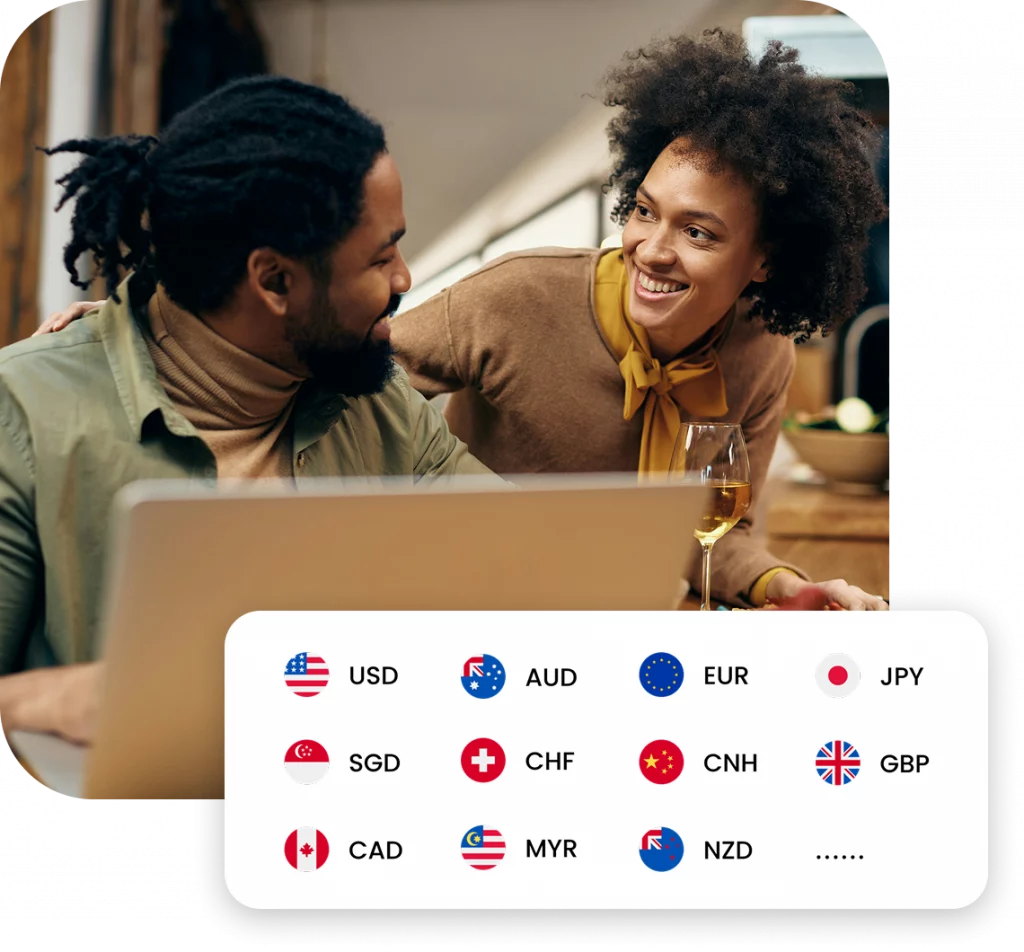
WorldFirst is a payments provider that helps online sellers hold multiple currencies and pay suppliers in China more efficiently. With a multi-currency business account, you can hold and convert currencies and send funds to suppliers, which suits sellers who source from China and sell locally or abroad.

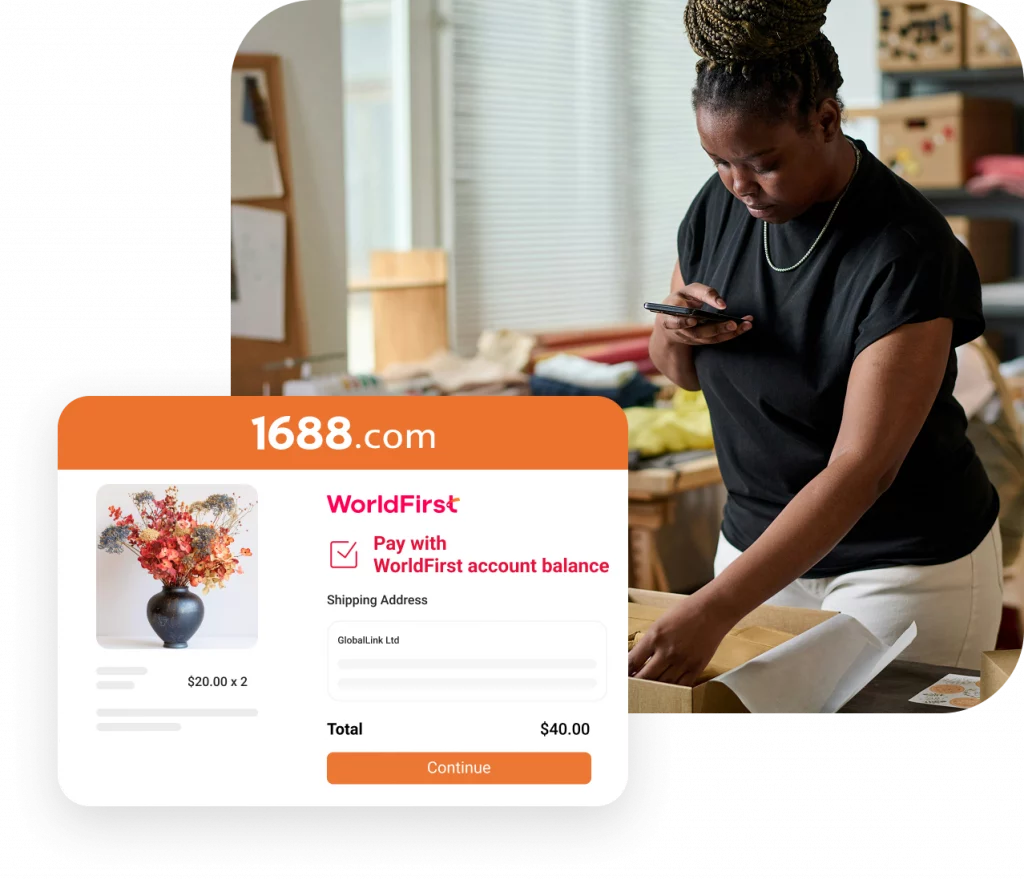
For China sourcing specifically, WorldFirst lets you pay Chinese suppliers in their preferred currency and connects with sourcing platforms through 1688 pay, which is relevant if you buy directly on 1688. Where you need to move between currencies, Convert lets you exchange holdings such as USD and CNH within your account.

A few points to set expectations honestly. WorldFirst is a payments provider, not a bank, and does not operate as a local Nigerian financial institution. It is backed by Ant Group (Ant International), holds 20+ currencies and sends to 100+ currencies across 200+ countries and regions, which gives sellers verifiable scale to check. It does not guarantee exchange rates or savings, and onboarding is subject to review.

To register, expect to provide business information, personal identification and business verification documents where applicable. Approval is not instant, so start the process before you need to send your first payment.

How to reduce delays when importing from China

Reducing delays when importing from China is largely about preparation: sorting documents early, confirming supplier details and planning around known disruption points. Small habits at the ordering stage save weeks at the port.

Practical steps that consistently help:

  1. Prepare your documentation early, especially Form M, so paperwork is ready before your goods arrive.⁸
  2. Confirm supplier and bank details in writing before you pay, and verify them through a second channel.
  3. Confirm the correct HS code for your product so duty is assessed accurately and classification disputes do not stall clearance.⁶
  4. Work with a reputable freight forwarder and a CAC-registered, CRFFN-licensed clearing agent rather than the cheapest unverified option.⁵
  5. Plan around Chinese public holidays, when factory output and dispatch slow sharply.
  6. Book freight ahead of peak periods to reduce exposure to port congestion.¹

Treat payment as part of this checklist. A supplier paid promptly, in the currency they expect, is far more likely to release your order on schedule.

Frequently asked questions

How much is the shipping fee for 1 kg from China to Nigeria?

Per-kg pricing depends on method and total shipment weight, so a single 1 kg parcel usually attracts a minimum charge rather than a simple per-kg rate. Air freight in 2026 has run roughly USD 5 to USD 12 per kg for larger consignments,¹ ² but small parcels are normally cheaper to send by express courier at a flat minimum. Always request a current quote for your exact weight and route.

Can I ship a small order from China without using a container?

Yes. For small orders you do not need a full container. Less-than-container load (LCL) sea freight lets you share space and pay per cubic metre, while air freight and express courier handle smaller parcels well.³ Consolidated shipping, which pools several buyers’ goods, is another option for low volumes. Choose based on urgency, value and how quickly you need the stock.

What happens if my documents are incomplete at Nigerian customs?

Incomplete or mismatched documentation is a leading cause of clearance delays. Customs cannot release goods whose paperwork does not match the declared contents, and your shipment may be held pending correction or selected for physical examination.⁸ This ties up capital and storage. Preparing Form M, an accurate invoice and correct HS codes before goods arrive is the most reliable way to avoid this.

Is it possible to pay a Chinese supplier in their local currency?

Yes. Many Chinese suppliers prefer to be paid in CNY or CNH, and paying in their currency can reduce conversion steps on their side. A multi-currency business account lets you hold and convert currencies, then send funds to suppliers.⁹ Confirm with each supplier which currency and account they want to use, and verify those details before sending.

How do I estimate my total landed cost before ordering?

Add every cost component, not just freight: supplier cost, international freight, insurance, Nigerian customs duty on CIF value, 7.5% VAT, clearing and agent fees, and inland delivery.⁶ Duty rates range from 5% to 35% depending on your HS code.⁴ Build this into a simple spreadsheet for each shipment so you can see the true profit before you confirm an order.

Conclusion

Shipping from China to Nigeria is manageable once you plan the whole chain: choose the right freight method for your order size, budget for customs on top of freight, prepare documents early, and line up a reliable way to pay your suppliers. When payment is smooth, the rest of your supply chain keeps moving. If paying Chinese suppliers is your bottleneck, opening a multi-currency business account is a sensible next step.

Sources

  1. https://www.sino-shipping.com/freight-china-nigeria/
  2. https://dechaser.com/shipping-from-china-to-nigeria
  3. https://china.docshipper.com/en/freight-shipping-china-nigeria/
  4. https://sgkglobal.com/nigeria-customs-import-regulations-2026/
  5. https://movexport.com/how-to-calculate-customs-duty-charges/
  6. https://www.withinnigeria.com/2026/06/11/complete-guide-to-importing-goods-from-china-to-nigeria-without-losing-money/
  7. https://winsaillogistics.com/air-freight-from-china-to-nigeria/
  8. https://sgkglobal.com/customs-clearance-nigeria/
  9. https://www.xtransfer.com/transfer/cross-border-supplier-payment-management-via-xtransfer

This article is intended for informational purposes only and does not constitute legal advice or professional advice. This article should not be regarded as constituting an offer or a solicitation to buy or sell any regulated or financial products or services. WorldFirst makes no representations or warranties regarding the accuracy, completeness, or applicability of the content, and readers are encouraged to consult with legal professionals or other professionals for advice tailored to their specific situation. WorldFirst does not guarantee the accuracy and completeness of this article and expressly disclaims any and all liability to any person in respect of the consequences of anything done or omitted to be done wholly or partly in reliance on this article.

Linna is a Senior Content Strategy Manager specializing in fintech, cross-border payments, and global ecommerce. With extensive experience in international B2B growth content, and global market expansion, she leads content initiatives that help businesses navigate cross-border trade, international payments, and digital commerce at scale.

Linna
Author
Senior Content Strategy Manager
WorldFirst Africa

Continue reading

The simpler way to pay and get paid

Save money, time, and have peace of mind when expanding your global business.

WorldFirst (Singapore) Merchant Services Pte. Ltd. (Company Registration No. 201735998W) (‘WorldFirst MS’) is registered in Singapore and licensed as a Major Payment Institution under the Payment Services Act 2019 by the Monetary Authority of Singapore.

WorldFirst MS’ registered office is located at 128 Beach Road, #20-01 Guoco Midtown, Singapore 189773.

© 2026, Ant International or its affiliates