























Multi-currency accounts, competitive FX, and global transfers — Everything you need to pay and get paid internationally
WorldFirst Enterprise
Built for faster payments, smarter liquidity, and robust compliance—all powered by our next-gen API toolkit and AI-native architecture.
Named a Top Global Fintech Company by CNBC & Statista, we’ve supported 1.5M+ businesses since 2004.
About WorldFirst
Resources
More brands of Ant International
Europe
Asia
Oceania
Africa

We provide coverage in South Asia and Middle East: servicing 210+ countries and territories.

Money Transfer for Business: The Best Way to Send International Payments in Africa

Contents

A practical guide to paying overseas suppliers reliably, cutting hidden transfer costs, and choosing a cross-border payment provider you can trust.

Key Takeaways

  • Money transfer for business covers cross-border payments to suppliers and partners, usually needing currency conversion, compliance checks, and clear tracking to arrive reliably.
  • Traditional SWIFT bank wires often carry layered costs through intermediary banks, and can absorb a meaningful share of a supplier payment before funds arrive.
  • Paying Chinese suppliers directly in CNH or CNY can reduce conversion steps compared with routing every payment through USD first.
  • Choosing a provider means checking availability for your registered country, published fees, supported currencies, payment tracking, and verification requirements.
  • Verifying new supplier bank details through a second channel is the single most effective way to reduce payment fraud risk when sourcing internationally.

Money transfer for business means moving funds across borders to pay suppliers, contractors, or partners, usually in a currency different from your own. This guide is for importers, wholesalers, and online sellers who pay overseas suppliers, especially in China, and want faster, more transparent payments than a traditional bank wire. It covers how transfers work, the common methods, and how to compare providers.

What is the best way to send money for your business?

The best way to send money for your business depends on where you send it, how often, and in which currency. For regular supplier payments abroad, a specialist cross-border payment provider usually gives you clearer pricing and better tracking than a standard bank wire. For occasional one-off payments, your existing bank may be adequate despite higher costs.

There is no single answer that fits every business. A Casablanca importer paying Chinese factories weekly has different needs from a service exporter invoicing one European client each month. What matters is matching the method to your actual payment pattern: frequency, destination, currency, and how much visibility you need over each transaction. Later sections give you a decision framework to work through these factors.

How international business money transfers work

An international business transfer moves money from your account, converts it into the recipient’s currency where needed, and delivers it to their bank or wallet. Along the way it passes through payment networks, correspondent banks, or a provider’s own local accounts, and each step can add cost, time, or a compliance check.

When you send a payment abroad through a bank, it often travels via the SWIFT network. SWIFT (Society for Worldwide Interbank Financial Telecommunication) is a messaging system banks use to instruct each other to move money. Your payment may hop through one or more intermediary (correspondent) banks before reaching the supplier, and each can deduct a handling fee. That is why the amount your supplier receives is sometimes less than the amount you thought you sent.

Specialist payment providers work differently. Many hold local accounts in multiple countries, so instead of routing your money across the world through correspondent banks, they can pay out from a local account in the destination country. This can reduce intermediary fees and improve the speed and predictability of a transfer, though timings and costs still vary by currency and destination.

Common methods businesses use to send money internationally

Businesses have several ways to send money abroad, each with trade-offs in cost, speed, and control. The main options are bank transfers, cross-border payment providers, online transfer platforms, foreign-exchange (FX) brokers, and cash-based services. Your choice usually comes down to how often you pay, how much you send, and how much transparency you need.

Bank transfers (SWIFT wires)

Your bank sends the payment through the SWIFT network. This is widely available and familiar, but it can be slow, and intermediary bank fees are often deducted along the way without warning. Exchange rates applied by banks frequently include a markup over the market rate.

Cross-border payment providers

Specialist providers such as WorldFirst and XTransfer focus on business payments. They often hold local currency accounts, publish their pricing, and offer payment tracking. Availability depends on the country where your business is registered, so always confirm your business qualifies before relying on one.

Online transfer platforms

Platforms aimed at both consumers and businesses can be quick for smaller amounts. Feature availability and the ability to hold a balance often depend heavily on your country of registration, so check the eligibility rules for a business account rather than a personal one.

FX brokers

Brokers can offer competitive conversion for larger amounts and are used mainly by businesses with significant currency exposure. They vary widely in service and regulation, so due diligence matters.

Cash-based services

Money transfer bureaux and cash pick-up services exist for urgent or informal transfers. They are rarely suitable for recurring business supplier payments because of cost, limits, and weak record-keeping.

Why many businesses look beyond traditional bank transfers

Businesses often move away from traditional bank wires because of unpredictable costs, slow settlement, and limited visibility. When you pay an overseas supplier, you want to know exactly what leaves your account, what the supplier receives, and where the payment is at any moment. Standard bank wires frequently fall short on all three.

The most common frustrations are:

  • Intermediary fees: correspondent banks can each deduct a charge, so the supplier receives less than expected.
  • Exchange rate markups: the rate a bank applies may sit well away from the market mid-rate, adding a cost that is hard to see.
  • Slow settlement: cross-border wires can take several working days, which strains supplier relationships when goods are held pending payment.
  • Poor visibility: once a wire leaves, tracking its status through the correspondent chain is often difficult.
  • Transaction limits: bank accounts may cap the value or frequency of international transfers, disrupting bulk supplier payments.

For a Moroccan importer paying Chinese factories, these issues compound. A payment delayed in the correspondent chain can hold up a shipment, and unexpected deductions make it hard to reconcile invoices in MAD against what the supplier actually receives in CNY.

How WorldFirst helps businesses make international payments

WorldFirst is a payments provider built for businesses that trade internationally, with a particular focus on paying suppliers in China. Rather than routing every payment through a chain of correspondent banks, it lets you hold and send funds across many currencies from one multi-currency account, with transparent pricing and payment tracking so you can see where a transfer is.

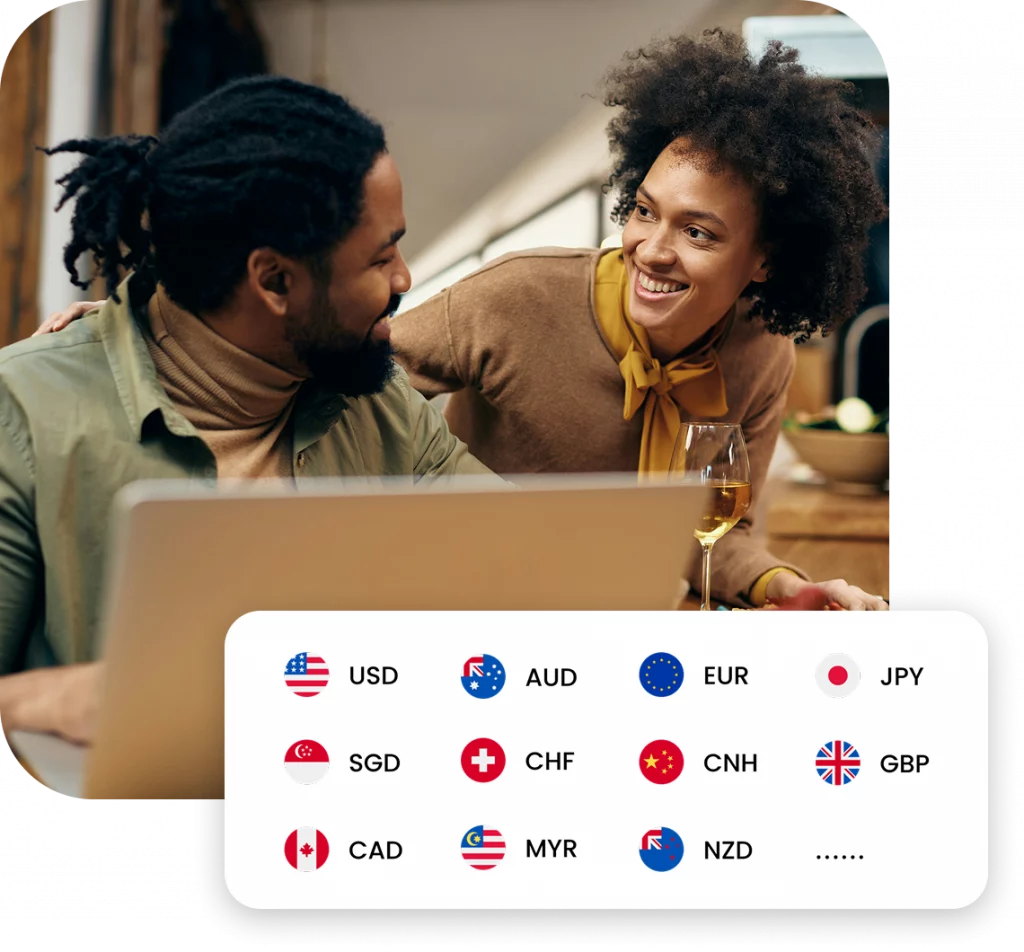
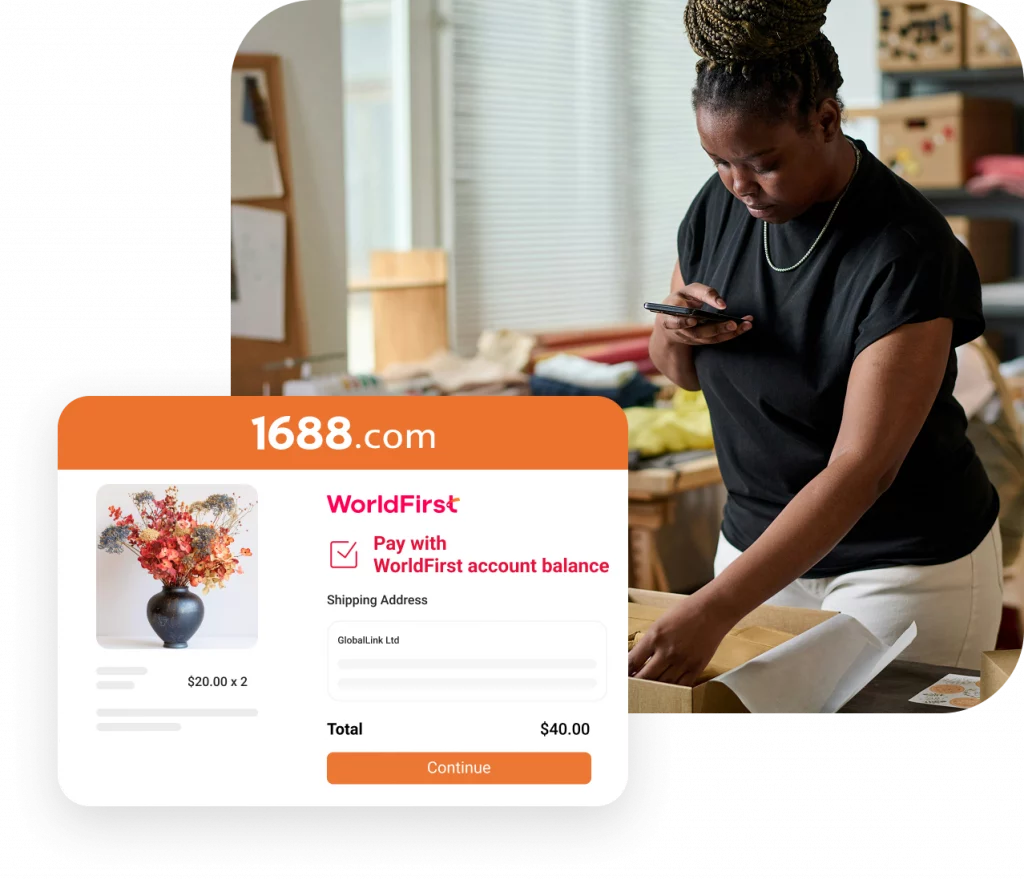
With a World Account, you can pay overseas suppliers in 100+ currencies, including paying Chinese suppliers directly in CNH or CNY rather than converting through USD first. If you source on 1688, you can also pay suppliers through the 1688 World Pay route. You can convert between currencies using Convert and hold balances in a multi-currency account, which helps when your sales come in one currency and your supplier invoices arrive in another.

WorldFirst is backed by Ant Group (Ant International), holds funds with safeguarding arrangements, and publishes its pricing so you can see costs before you send. It is a payments provider, not a bank, and works best for businesses making regular cross-border supplier payments. To open an account, expect to provide business registration documents, identification for the business owner, and company information for verification. Fees and processing times are indicative and vary by currency and destination [fees – confirm with editor].

Can businesses transfer 50,000 USD or more internationally?

Yes, businesses can transfer 50,000 USD or more internationally, and larger recurring supplier payments are common in import and wholesale trade. There is no universal single-day cap set across all providers, but individual banks and payment providers apply their own limits, and larger transfers trigger additional compliance checks.

When you send a high-value payment, expect verification steps such as confirming the purpose of the transfer, providing invoices or contracts, and identifying the recipient. These checks exist to meet anti-money-laundering (AML) rules and are normal for legitimate business trade. Providing clear documentation upfront, such as a supplier invoice and proof of the business relationship, usually keeps larger payments moving smoothly. Limits and requirements differ by provider and by the country where your business is registered, so confirm them before you commit to a large transfer.

What happens when you send more than 10,000 USD?

Sending more than 10,000 USD (or the local equivalent) typically triggers extra reporting and compliance checks, though the exact threshold and rules depend on the country and provider involved. This is standard practice, not a penalty, and reflects international efforts to prevent money laundering and financial crime.

In practice, your provider may ask for supporting documents: an invoice, a contract, or an explanation of the payment’s purpose. Some jurisdictions require the transaction to be reported to a financial authority automatically. None of this prevents legitimate business payments; it simply adds a verification layer. Morocco also maintains foreign-exchange controls that can affect how businesses move money across borders, so confirm the current requirements with a qualified professional or your provider before sending large or regular international payments. This guide is informational and not legal or regulatory advice.

How to choose the right business payment provider

Choosing a business payment provider comes down to matching a provider’s coverage, cost, and controls to how your business actually pays. The strongest choice is usually the one that is available for your country of registration, supports your key currency corridors, and gives you clear pricing and tracking. Work through the factors below before committing.

Factor What to check Why it matters
Country availability Whether a business account is available for your country of registration Some providers serve personal users or send-to countries but do not offer business accounts to locally registered firms
Currency corridors Whether it supports the currencies you pay and receive, including CNH/CNY Direct-currency payment can cut conversion steps and cost
Pricing transparency Whether fees and exchange margins are published upfront Hidden intermediary fees and rate markups erode margins
Payment tracking Whether you can see the status of each transfer Visibility protects supplier relationships and reconciliation
Verification requirements What documents are needed to open and transact Prepared documents speed up onboarding and large payments

This table is for general guidance. Product features and eligibility differ by provider and country.

Availability is the factor businesses most often overlook. A provider may let you send money to a country, or open a personal account there, yet not offer a business account to companies registered in that country. Always confirm that a business account is available for where your company is registered before you build your payment process around it.

A short comparison of business payment options for supplier payments

The table below benchmarks providers on publicly documented positions for businesses paying overseas suppliers. Availability and features for a business registered in Morocco differ significantly between providers, so verify your own eligibility directly.

Provider Business supplier payments Pays Chinese suppliers in CNH/CNY Notable point (from official/public sources)
WorldFirst Multi-currency business account for cross-border supplier payments Yes, CNH/CNY payments supported Sends to 100+ currencies; backed by Ant Group [fees – confirm with editor]
XTransfer B2B cross-border trade payment platform; features Morocco customer references on its own site Yes, focused on China trade payments Charges a max fee of 0.4% in CNY to China suppliers’ personal accounts, or from US$2 per transaction to business accounts¹
Wise Wise Business account is available in specific regions only; not offered to businesses registered in some markets² Supports CNY transfers to China³ Can send to Morocco, but confirm business-account eligibility for your country²
PayPal Available in Morocco; better suited to receiving payments than paying China suppliers⁴ Not a direct China supplier-payment route Confirm current withdrawal and business-account terms directly⁴

Fees checked in June 2026. Pricing, eligibility, and product features may change over time. Always confirm the latest information directly with the provider.

The key takeaway from this comparison is that availability for your country of registration matters more than headline features. A provider with attractive pricing is no use if it does not offer a business account to companies registered where you operate. XTransfer publicly references Moroccan business customers,¹ while Wise’s business account is limited to specific regions and may not be available to a business registered in your country.² Confirm eligibility with each provider directly.

How to send a business payment safely: a practical checklist

Follow these steps to reduce risk and keep supplier payments smooth, especially when paying a new supplier for the first time:

  1. Verify the supplier’s details independently. Before paying a new supplier, confirm their company name and bank account details through a separate channel, such as a phone call to a known number, not only the email or message requesting payment.
  2. Match the account name to the company. Check that the bank account name matches the registered business you are trading with. A mismatch is a warning sign.
  3. Start with a smaller first payment. For a new supplier relationship, a modest initial order lets you confirm the payment route and the supplier’s reliability before committing larger sums.
  4. Keep documentation. Retain invoices, contracts, and payment confirmations. These support compliance checks on larger transfers and help resolve any disputes.
  5. Use a provider with payment tracking. Being able to see a transfer’s status reduces uncertainty and helps you confirm receipt with the supplier.
  6. Confirm currency and fees before sending. Check the exchange rate, fees, and expected arrival time so you can reconcile the payment against your invoice.

Treating supplier verification as a routine step, rather than an occasional precaution, is the most reliable protection against payment fraud when trading with unfamiliar counterparties.

FAQ

How do I start making regular international payments for my business? 

Begin by confirming which provider offers a business account for your country of registration. Gather your business registration documents, owner identification, and company information for verification. Once your account is open, set up your supplier as a recipient, confirm their bank details independently, and start with a smaller test payment before scaling to regular transfers.

Can I transfer a large amount in a single day? 

It depends on your provider and the country where your business is registered. There is no universal single-day limit across all providers; each sets its own. Larger transfers usually trigger compliance checks and may require supporting documents such as invoices. Confirm your provider’s limits and requirements before scheduling a large payment.

What happens if I transfer more than the reporting threshold? 

Transfers above a certain value, often around 10,000 USD or the local equivalent, typically trigger additional reporting and verification. Your provider may request an invoice, contract, or explanation of the payment’s purpose. This is standard anti-money-laundering practice and does not block legitimate business payments; it simply adds a documentation step.

Is it possible to pay a Chinese supplier directly in their local currency? 

Yes. Some payment providers let you pay Chinese suppliers directly in CNH or CNY, rather than converting through USD first. Paying in the supplier’s currency can reduce conversion steps and give the supplier certainty over the amount they receive. Confirm that your chosen provider supports CNH/CNY payments and check the applicable fees.

How can I reduce the cost of sending money abroad for business? 

Compare the total cost, not just the headline fee. Check the exchange rate against the market mid-rate, ask whether intermediary bank fees apply, and consider paying in the supplier’s currency to cut conversion steps. Providers that publish pricing and hold local currency accounts often reduce the layered costs common with traditional bank wires.

How do I avoid payment fraud when paying a new supplier? 

Verify the supplier’s bank details through a second, independent channel before paying, such as a call to a known phone number. Check that the account name matches the registered company, keep all invoices and contracts, and make a smaller first payment to test the relationship. Consistent verification is more effective than relying on any single provider’s safeguards.

Conclusion

Getting money transfer for business right comes down to matching your payment pattern to a provider that is available for your country, supports your currency corridors, and gives you clear pricing and tracking. For businesses paying overseas suppliers, and especially those sourcing from China, a specialist cross-border provider usually beats a traditional bank wire on cost visibility and control. Confirm eligibility, verify supplier details, and start with a test payment before scaling up.

If you regularly pay suppliers abroad, a multi-currency business account can simplify how you send, convert, and track payments in one place.

Sources

  1. https://www.xtransfer.com/services/pricing
  2. https://wise.com/gb/business/coverage
  3. https://wise.com/help/articles/2955298/guide-to-cny-transfers
  4. https://www.paypal.com/us/webapps/mpp/country-worldwide
  5. https://remittanceprices.worldbank.org/

Note: source 5 (World Bank Remittance Prices Worldwide) is included as the standard reference for cross-border transfer-cost context. If you reinstate a specific SWIFT cost figure in the body, cite the exact corridor data point from this database. All other sources verified against the providers’ official sites in July 2026.

This article is intended for informational purposes only and does not constitute legal advice or professional advice. This article should not be regarded as constituting an offer or a solicitation to buy or sell any regulated or financial products or services. WorldFirst makes no representations or warranties regarding the accuracy, completeness, or applicability of the content, and readers are encouraged to consult with legal professionals or other professionals for advice tailored to their specific situation. WorldFirst does not guarantee the accuracy and completeness of this article and expressly disclaims any and all liability to any person in respect of the consequences of anything done or omitted to be done wholly or partly in reliance on this article.

Linna is a Senior Content Strategy Manager specializing in fintech, cross-border payments, and global ecommerce. With extensive experience in international B2B growth content, and global market expansion, she leads content initiatives that help businesses navigate cross-border trade, international payments, and digital commerce at scale.

Linna
Author
Senior Content Strategy Manager
WorldFirst Africa

Continue reading

The simpler way to pay and get paid

Save money, time, and have peace of mind when expanding your global business.

WorldFirst (Singapore) Merchant Services Pte. Ltd. (Company Registration No. 201735998W) (‘WorldFirst MS’) is registered in Singapore and licensed as a Major Payment Institution under the Payment Services Act 2019 by the Monetary Authority of Singapore.

WorldFirst MS’ registered office is located at 128 Beach Road, #20-01 Guoco Midtown, Singapore 189773.

© 2026, Ant International or its affiliates