





















Multi-currency accounts, competitive FX, and global transfers — Everything you need to pay and get paid internationally
WorldFirst Enterprise
Built for faster payments, smarter liquidity, and robust compliance—all powered by our next-gen API toolkit and AI-native architecture.
Named a Top Global Fintech Company by CNBC & Statista, we’ve supported 1.5M+ businesses since 2004.
About WorldFirst
Resources
More brands of Ant International
Europe
Asia
Oceania
Africa

We provide coverage in South Asia and Middle East: servicing 210+ countries and territories.

1688 dropshipping guide for African sellers

Contents

Sourcing from 1688.com gives African dropshippers access to factory-direct pricing from Chinese manufacturers. This guide covers how to find suppliers, place orders and manage payments to China.

Key takeaways

  • 1688.com is a Chinese B2B wholesale marketplace with factory-direct wholesale pricing
  • The platform is designed for domestic Chinese buyers, so it operates in Chinese and only supports payments in CNH through Chinese payment rails, requiring a cross-border payment solution for African sellers
  • African dropshippers can pay 1688 suppliers directly in CNH through World Pay, which is the authorised international payment provider for 1688.com
  • WorldFirst offers a business multi-currency account that supports payments in 50+ currencies, letting Nigerian and other African sellers collect payments from international customers and pay Chinese suppliers from a single platform

1688.com is a popular sourcing platform for dropshippers because it offers factory-direct pricing without the international markup. For Nigerian and Moroccan sellers, it can offer big margins, but it also comes with challenges: the 1688 webssite operates in Chinese, suppliers only accept CNH through Chinese payment rails, and shipping to Africa isn’t handled by 1688 itself.

This guide covers how to use 1688 for dropshipping, from finding suppliers to managing payments.

What is 1688.com?

1688.com is a Chinese business-to-business (B2B) wholesale marketplace launched in 1999 and operated by the Alibaba Group. It’s the largest domestic wholesale platform in China, hosting suppliers, manufacturers and factory-direct sellers across nearly every product category.

The platform is primarily built for Chinese businesses buying inventory in bulk, which is why it operates in Chinese and processes payments through domestic Chinese payment rails like Alipay and WeChat Pay. Suppliers are typically manufacturers or authorised distributors, and pricing on 1688 tends to be lower than international-facing platforms like Alibaba or AliExpress because there’s no international markup, no middleman, and often lower minimum order quantities.

For African dropshippers, this creates a specific advantage: you get closer to factory-gate pricing on the products you sell, without paying the international-buyer premium that platforms like Alibaba charge to English-speaking wholesale buyers.

How to find and vet dropshipping suppliers on 1688

Dropshipping puts a lot of trust in your supplier. Since products ship directly from the supplier to your customer, you never see them yourself. If a supplier ships the wrong item, damages the packaging, or delays shipment, your customer takes the hit and your reputation takes the fallout.

For that reason, working with suppliers who have experience dropshipping is worth prioritising. A few signals to look for:

  • Dropshipping experience: Look for suppliers who explicitly mention that they support dropshipping in their listings or profile. This means they’ll ship single units directly to end customers rather than only accepting bulk orders.
  • Packaging option: Ask whether the supplier can ship without their own branding or 1688 packaging. Some suppliers will include your own branded inserts or use plain boxes on request.
  • Repurchase rate: The percentage of buyers who order again from that supplier. For a dropshipping business, high repurchase rates suggest consistent product quality across many shipments, which is exactly what you need.
  • Response time: Chat responses within a few hours matter more for dropshipping than for bulk orders. If a customer complaint comes in, you need to reach the supplier fast to resolve it.
  • Years on 1688 and trustworthiness badge: Suppliers with a longer track record and 1688’s own quality badge are generally lower-risk. Newer accounts can work, but they carry more uncertainty.
  • Factory profile (工厂档案): Some suppliers upload photos, employee counts and production capacity. For dropshipping, direct manufacturers are usually preferable to resellers because you get better price control and fewer parties between you and the product.

Before committing to a supplier, order a sample yourself first. Have it shipped to your address so you can inspect the product quality, packaging and unboxing experience your customer will get. If the sample is off, adjust with the supplier or move on before real orders start flowing.

How to place orders and manage shipping on 1688

Ordering on 1688 works like most e-commerce checkouts, but with a few things worth knowing:

  • Negotiation is standard: Suppliers on 1688 expect to negotiate on unit price and MOQ, especially for repeat orders. Communicate through the platform’s built-in chat (Aliwangwang) or WeChat.
  • Confirm shipping arrangements before payment: Most 1688 suppliers only ship domestically within China. For African dropshippers, this typically means arranging a China-based freight forwarder who receives parcels from your suppliers, consolidates them and ships to your customers directly or to a fulfilment centre.
  • Timelines to plan for: Air freight from China to Nigeria typically takes 5 to 15 days, sea freight can take 30 to 45 days. Express couriers like DHL are faster but cost significantly more per kilo.

For a dropshipping business specifically, direct-to-customer shipping through a freight forwarder is the most common setup. Some sellers also work with 1688 suppliers who partner with third-party fulfilment services that handle direct-to-buyer shipping in target markets.

How WorldFirst helps African sellers pay 1688 suppliers

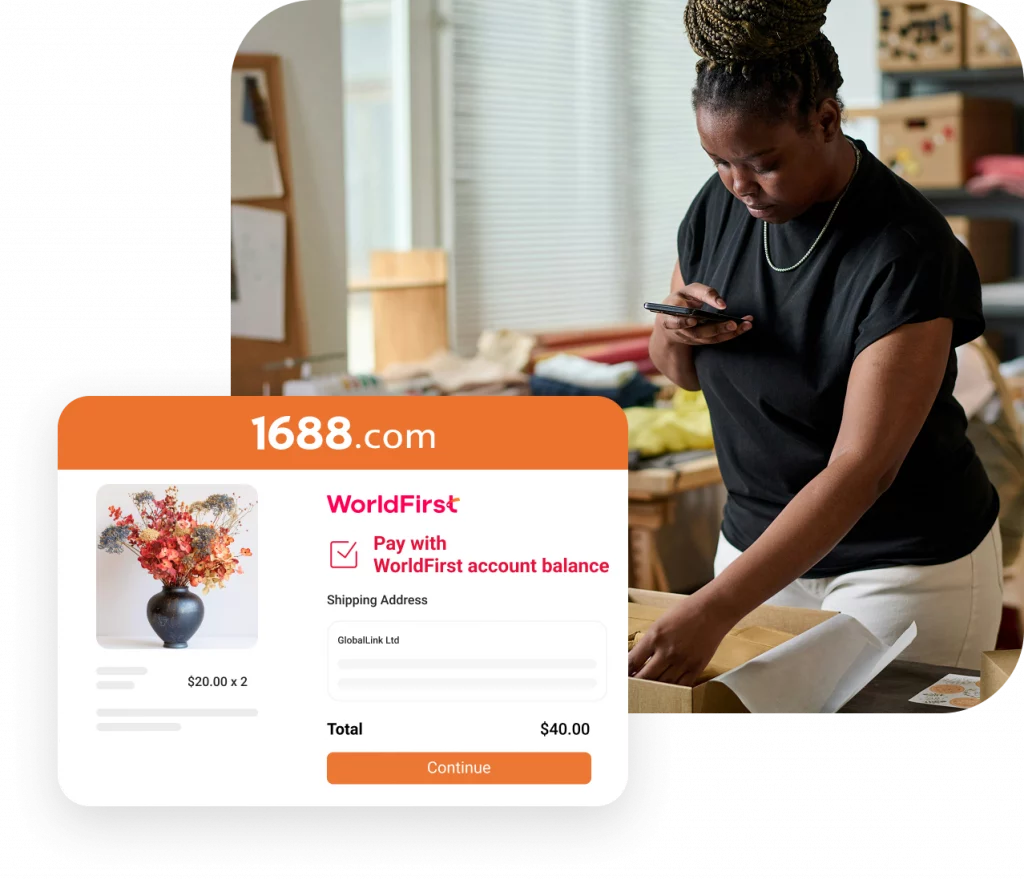
1688 suppliers accept CNH only through Chinese payment rails. World Pay is the authorised international payment provider for 1688.com, letting African sellers pay 1688 suppliers directly in CNH without opening a Chinese bank account or working with a sourcing agent.

To use World Pay, African sellers open a World Account with WorldFirst, hold a CNH balance in the account, and pay 1688 suppliers straight from that balance at checkout. 1688 buyer protection remains in place on the transaction.

Fund your CNH balance

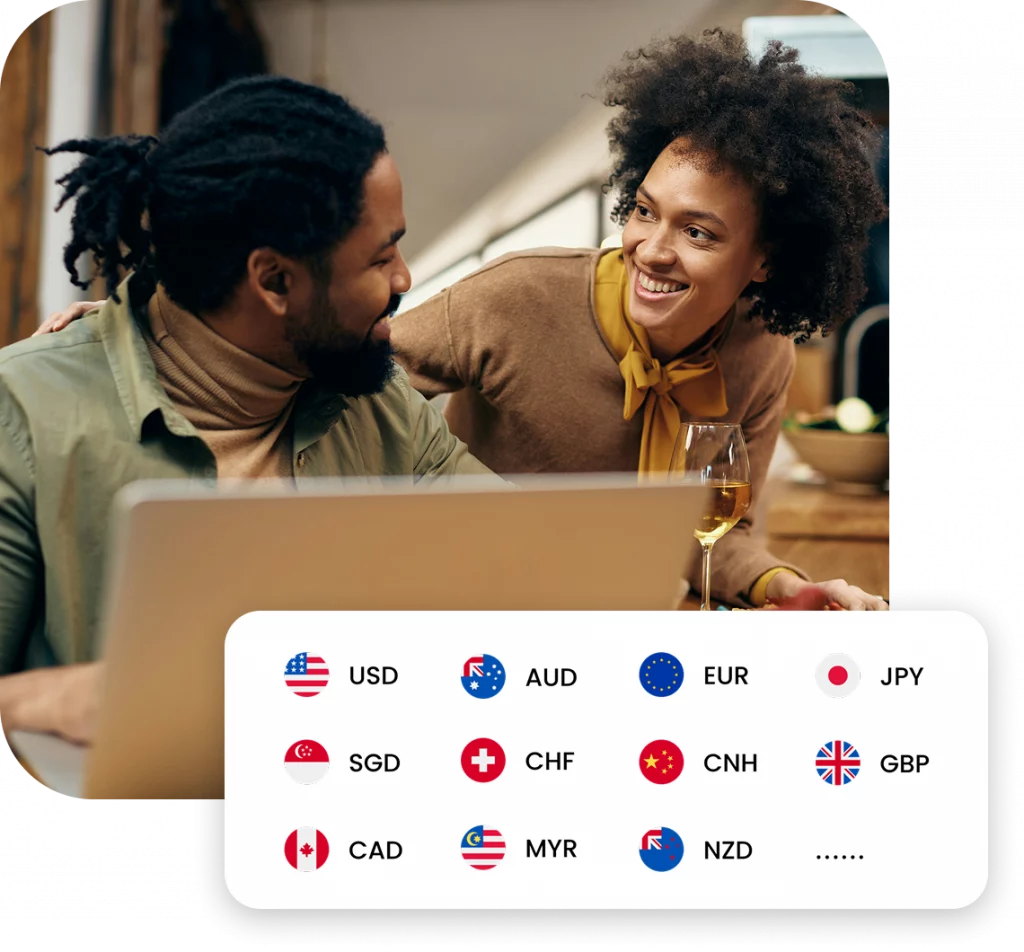
You can hold CNH in your World Account and convert to it when you need to pay suppliers. The World Account supports holding funds in 10 major currencies including USD, GBP, EUR, CNH, HKD and JPY, and conversion between them at competitive rates. You choose when to convert, rather than converting at the bank’s rate on the day of every supplier payment.

Collect payments from international customers

If you sell to customers in the US, UK or Europe, you can receive USD, GBP, EUR and other supported currencies directly into your World Account. The account supports collections from 130+ marketplaces and payment gateways, so payouts from Shopify, WooCommerce and Stripe settle into the account without extra conversion at the gateway.

Once customer payments land, hold them in the received currency and convert to CNH only when supplier payments are due, avoiding a double conversion.

Pay shipping and freight partners

Once orders are placed, you’ll need to pay freight forwarders, courier services or third-party logistics partners. The World Account lets you send payments to shipping partners in China, Africa or your target customer markets in USD, EUR, CNH and other supported currencies, all from the same account.

Pay business expenses with the World Card

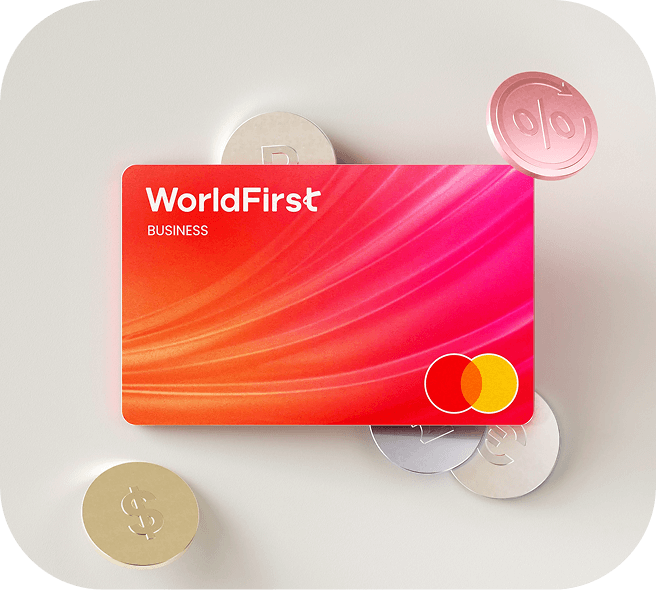
Dropshipping businesses have recurring expenses in international currencies: Shopify hosting, Meta and Google ads, product research tools, freelancers. The World Card is a Mastercard-powered business payment card linked to your World Account, drawing from currency balances held in the account.

When you pay for a USD-billed subscription or ad platform from your USD balance, the payment comes straight from that balance without a foreign exchange fee. Businesses can issue up to 20 cards at no additional cost, and cashback is available on eligible spending (Terms and Conditions Apply).

The information contained is general only and largely our views. Before acting on the information you should consider whether it is appropriate for you, in light of your objectives, financial situation or needs. Although information has been obtained from and is based upon multiple sources the author believes to be reliable, we do not guarantee its accuracy and it may be incomplete or condensed. All opinions, estimates, mentioned products/services and referenced material constitute the author’s own judgement as of the date of the briefing and are subject to change without notice. WorldFirst shall not be responsible for any losses or damages arising from your reliance of such information.

Hu Wenzhan is the Emerging Markets Country Manager at WorldFirst. He brings expertise across Fintech, Payments, Banking, New Markets Growth to help clients grow their global business.

Hu Wenzhan
Hu Wenzhan
Author
Emerging Markets Country Manager, WorldFirst Africa

Continue reading

1688 dropshipping

The simpler way to pay and get paid

Save money, time, and have peace of mind when expanding your global business.

WorldFirst (Singapore) Merchant Services Pte. Ltd. (Company Registration No. 201735998W) (‘WorldFirst MS’) is registered in Singapore and licensed as a Major Payment Institution under the Payment Services Act 2019 by the Monetary Authority of Singapore.

WorldFirst MS’ registered office is located at 128 Beach Road, #20-01 Guoco Midtown, Singapore 189773.

© 2026, Ant International or its affiliates