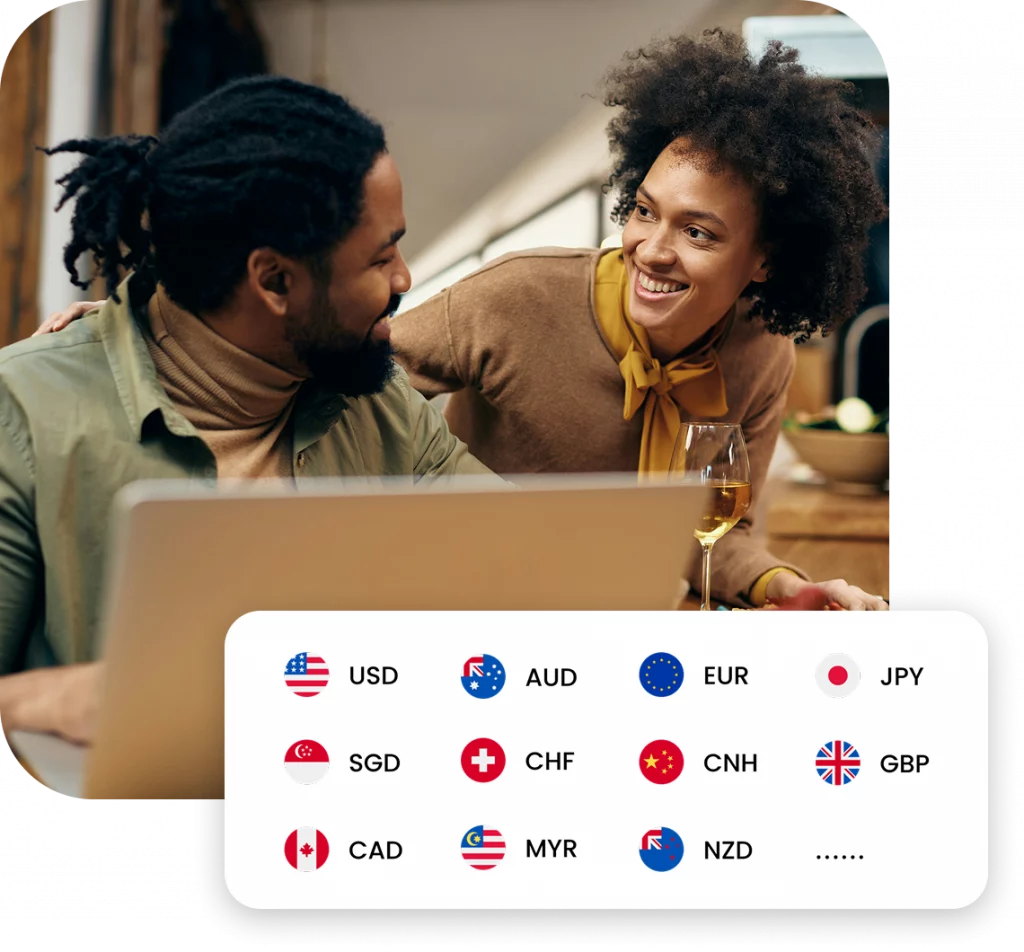























Multi-currency accounts, competitive FX, and global transfers — Everything you need to pay and get paid internationally
WorldFirst Enterprise
Built for faster payments, smarter liquidity, and robust compliance—all powered by our next-gen API toolkit and AI-native architecture.
Named a Top Global Fintech Company by CNBC & Statista, we’ve supported 1.5M+ businesses since 2004.
About WorldFirst
Resources
More brands of Ant International
Europe
Asia
Oceania
Africa

We provide coverage in South Asia and Middle East: servicing 210+ countries and territories.

AliExpress vs 1688: Which China Sourcing Platform Is Better for African Sellers? [2026]

Contents

Deciding between a beginner-friendly retail marketplace and a factory-direct wholesale platform, with a clear-eyed look at pricing, safety, and supplier payments.

AliExpress vs 1688 comes down to one question: are you buying products or building a sourcing operation? AliExpress is an international retail marketplace built for small orders and convenience. 1688 is China’s domestic wholesale platform, where factory-direct pricing lives. This guide compares both on price, safety, and practicality for online sellers in Africa scaling their imports.

Key Takeaways

  • AliExpress sells to international buyers with no minimum order, while 1688 is a China-domestic wholesale marketplace where most listings target resellers buying in bulk.
  • 1688 usually shows lower unit prices because you buy closer to the factory, but the interface is in Mandarin and shipping is domestic-only.
  • Lower list prices on 1688 do not always mean lower landed costs once you add agents, freight, customs, and international payment fees.
  • Supplier verification matters more on 1688, since fewer built-in protections and a language barrier increase the checks you should run before paying.
  • Paying Chinese suppliers in CNH from a multi-currency account can cut the delays and margins that traditional bank routes add to each order.

AliExpress vs 1688: What Is the Difference?

AliExpress and 1688 are both part of the Alibaba group, but they serve different buyers. AliExpress is a cross-border retail marketplace selling to international shoppers, often one unit at a time. 1688 is a domestic wholesale platform used mainly by Chinese resellers and businesses buying in bulk directly from factories and distributors.¹

That structural difference shapes everything else. AliExpress is designed for convenience: an English interface, international shipping, buyer protection, and no minimum order. You can test a product by ordering a single item.² 1688 is built for volume. Prices sit closer to factory level because you are buying without the export layer, but the platform assumes you speak Mandarin, hold a Chinese payment method, and can arrange your own logistics out of China.¹

For a seller in Lagos comparing a USD 8 phone case on AliExpress against a CNY 15 equivalent on 1688, the 1688 unit price may look far cheaper. The real comparison only holds once you account for how you will ship and pay for it. Many Chinese suppliers actually source their own stock from 1688 to resell on Alibaba, AliExpress, and Taobao, which is part of why 1688 pricing runs lower.³

Who each platform is built for

AliExpress suits shoppers and early-stage sellers who want to test demand without committing to inventory. 1688 suits sellers who have validated a product and want to lower per-unit costs by ordering in quantity. If you are still deciding what to sell, you may find our guide to the best platforms to sell online in Nigeria a useful starting point before you commit to a sourcing platform.

Is 1688 Cheaper Than AliExpress?

1688 is generally cheaper than AliExpress on a per-unit basis, because it is a domestic wholesale platform where suppliers do not build in export packaging, international shipping, or English-language support.⁴ Independent sourcing guides put identical listings at meaningfully lower prices on 1688 than on international platforms.⁵

The saving comes with trade-offs. 1688 suppliers list domestic prices and typically ship within China only, so you cover the cost of getting goods to your country yourself, usually through a freight forwarder or sourcing agent.³ Minimum order quantities also tend to be higher, since the platform is built around wholesale rather than single units.

Factor AliExpress 1688
Typical buyer International retail shoppers, small sellers China-domestic resellers, bulk buyers
Unit price Higher (includes export layer) Lower (factory-direct)⁴
Minimum order Often one unit² Usually higher, wholesale-oriented
Interface language English and others¹ Mandarin, browser-translatable³
Shipping International, built in² Domestic China only, arrange your own³

This table is for general guidance only. Platform features and policies may change over time. Always confirm the latest details directly with each platform.

The table shows why the “cheaper” question has no single answer. AliExpress carries a higher sticker price but bundles shipping and protection, which lowers your effort and risk. 1688 offers a lower sticker price but shifts logistics, communication, and payment onto you. The right choice depends on order size, not price alone.

AliExpress vs 1688: Which Platform Is Safer for Buying Products?

Both AliExpress and 1688 are established marketplaces, and neither is inherently unsafe. The difference is how much protection is built in versus how much verification you do yourself. AliExpress runs a structured buyer-protection and dispute process with communication handled inside the platform.² 1688 offers fewer built-in safeguards for international buyers, so the responsibility to vet suppliers shifts to you.

On AliExpress, ratings, transaction history, and the platform’s dispute system give you a baseline of protection when a seller underdelivers.² On 1688, you rely more on your own checks: reviewing a supplier’s trading history, requesting samples, confirming business details, and using an agent who can inspect before shipment. Handling payment carefully is part of staying safe, and our guide to buying from 1688 without knowing Chinese walks through the practical steps.

Fraud vigilance is standard practice when trading with any new overseas supplier, not a reason to avoid a platform. The safer approach is to verify before you pay: confirm the supplier’s details independently, start with a smaller trial order, and use a payment method that gives you a clear record of where funds went.

What Are the Risks of Buying From 1688?

The main risks of buying from 1688 are practical rather than fundamental: a Mandarin-only interface, communication barriers with suppliers, domestic-only shipping, and international payment friction. None makes the platform unusable, but each adds a step you need to plan for.⁴

The language barrier is the most immediate. The site is in Mandarin and most suppliers have limited English, which affects negotiation, product specifications, and resolving issues.⁴ Browser translation handles the interface, but nuanced conversations about specifications or defects are harder. Shipping is the next hurdle, since 1688 is domestic and you arrange the international leg yourself.³

Payment is where many first-time buyers get stuck. 1688 is built around Chinese payment methods, so paying from abroad has historically meant going through an agent or opening a Chinese account. Direct payment routes now exist: you can pay 1688 suppliers directly from a multi-currency account in USD or CNH, which removes the agent layer for many orders. Understanding the difference between the currencies helps here, and our explainer on CNY vs CNH covers what each means for your payments.

Alibaba vs 1688: Which One Should Businesses Use?

For businesses outside China, the choice among Alibaba, 1688, and AliExpress depends on order size and how much sourcing complexity you can manage. Alibaba.com is the international wholesale platform, built for cross-border buyers with English support and international shipping. 1688 gives access to lower domestic pricing but expects you to handle language, logistics, and payment. AliExpress is best for testing products before you scale.⁶

A common progression looks like this. You test a product on AliExpress with a small order. Once demand is proven, you move to Alibaba for international wholesale with the export layer handled for you. As volumes grow and margins tighten, you consider 1688 to reach domestic pricing, accepting the added work of agents and logistics. For a deeper comparison of the two wholesale platforms, see our guide on 1688 vs Alibaba.

Platform Best suited for Trade-off
AliExpress Testing products, small orders Higher unit price²
Alibaba International wholesale sourcing Priced above 1688⁶
1688 Reaching domestic pricing at scale Language, logistics, payment on you⁴
Sourcing agent Buyers who want the work handled Adds a service fee

This table is for general guidance only. Platform features and policies may change over time. Always confirm the latest details directly with each platform.

The table points to a staged approach rather than a single winner. Match the platform to your current stage, not to a blanket ranking, and expect to use more than one as your business grows.

How Sellers Can Pay Chinese Suppliers More Easily

Paying Chinese suppliers reliably is often the hardest part of sourcing, because traditional bank transfers can be slow, opaque, and expensive on currency conversion. Sellers importing from China frequently deal with multi-day settlement, limited visibility on where a payment sits, and FX margins that eat into thin sourcing margins.

The friction is structural. SWIFT routes can take several business days and pass through intermediary banks that each take a cut, so the amount your supplier receives can differ from what you sent. For a seller running frequent orders, that unpredictability makes cash flow and supplier relationships harder to manage. Domestic transfer limits and documentation requirements add further delay.

Nigerian importers work within specific FX rules worth understanding. Under the Central Bank of Nigeria’s 2026 Foreign Exchange Manual, the advance-payment threshold for imports rose from 15% to 30%, giving importers more room to pay suppliers upfront.⁷ Domiciliary account holders also gained more direct access to their foreign-currency balances under the same framework.⁸ These rules govern how funds move, so confirm the current position with your bank before structuring larger orders.

A multi-currency account changes the mechanics. Holding and converting currencies yourself, then paying suppliers in CNH, lets you control the conversion point and send funds through faster local rails rather than SWIFT. WorldFirst is a payments provider backed by Ant International, and its multi-currency business account is built for exactly this cross-border sourcing use.

Use WorldFirst to Simplify China Supplier Payments

WorldFirst lets you hold and convert currencies in one account and pay Chinese suppliers directly, without routing every order through an agent or a Chinese bank account. Because its sister company MYbank is a regulated bank in China, WorldFirst can move funds through local payment rails instead of SWIFT, which is how around 90% of its payments to China clear on the same business day, subject to cut-off times.⁹

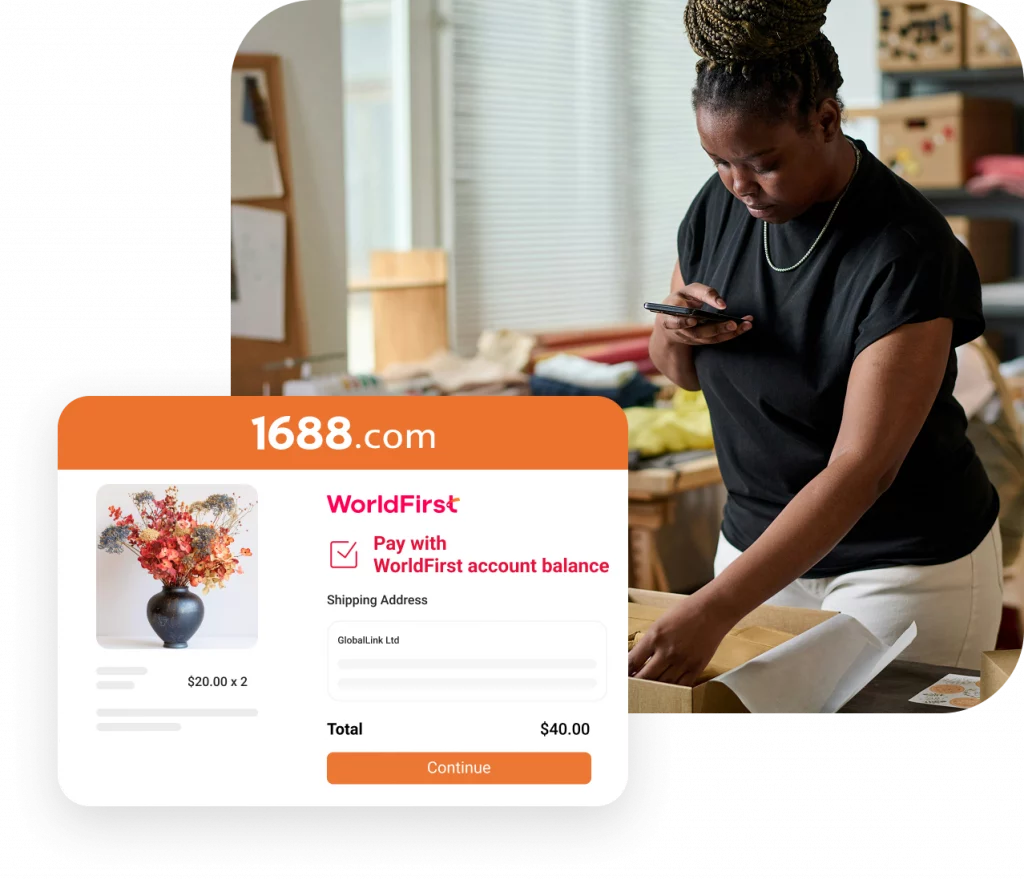
For sourcing specifically, the practical points are these. You can pay suppliers in USD or CNH, with more than 150,000 Chinese suppliers already reachable through the network for instant, fee-free transfers between WorldFirst accounts.⁹ You can also pay 1688 suppliers directly by connecting your account to the marketplace, and manage FX conversion when the rate suits you. If you sell across marketplaces too, you can get paid by marketplaces into the same account.

Opening an account is free. Registration typically asks for your business registration details where applicable, personal identification, and business information, with source-of-funds information requested during verification. Approval is not guaranteed and depends on the checks. As a payments provider backed by Ant International, WorldFirst holds a Major Payment Institution licence from the Monetary Authority of Singapore.⁹

Practical Steps: Choosing and Paying Safely

Follow a repeatable process rather than deciding platform by platform each time.

  1. Define your stage. If you are testing a product, start on AliExpress with a small order. If demand is proven, price the same item on Alibaba and 1688 before committing.
  2. Compare landed cost, not sticker price. Add shipping, agent fees, customs, and payment costs to the unit price on each platform before you judge which is cheaper.
  3. Verify the supplier. Check trading history, request samples, confirm business details independently, and use an agent for inspection on larger 1688 orders.
  4. Start small with a new supplier. Place a trial order before scaling, so a problem costs you little.
  5. Set up a clean payment method. Use an account that shows a clear record of each transfer, lets you pay in CNH, and confirm your bank’s current FX rules before large advance payments.

Frequently Asked Questions

Is 1688 the same as AliExpress?

No, 1688 is not the same as AliExpress, though both sit under the Alibaba group. 1688 is a China-domestic wholesale marketplace aimed at resellers buying in bulk, with a Mandarin interface and domestic shipping. AliExpress is an international retail marketplace built for shoppers and small sellers, with English support, buyer protection, and no minimum order.

How do I buy from 1688 if I am outside China?

You can buy from 1688 outside China using browser translation for the interface and a sourcing agent or freight forwarder for the international shipping leg, since 1688 ships domestically. For payment, a multi-currency account lets you pay suppliers directly in USD or CNH without opening a Chinese bank account, which removes a common barrier for first-time overseas buyers.

Is 1688 the cheapest sourcing option?

1688 usually shows the lowest unit prices because it is a domestic wholesale platform without an export layer. It is not automatically the cheapest overall, because you add international shipping, agent fees, customs, and payment costs yourself. Compare total landed cost across platforms before deciding, as a higher-priced AliExpress order can work out simpler for very small quantities.

Can I pay a Chinese supplier without a Chinese bank account?

Yes, you can pay a Chinese supplier without a Chinese bank account by using a multi-currency account that supports CNH payments. This lets you convert your local currency and send funds directly to the supplier, often through local payment rails that clear faster than SWIFT. Confirm your own country’s foreign-exchange rules with your bank before larger transfers.

What is the difference between CNY and CNH?

CNY and CNH are both the Chinese renminbi (RMB), the difference being where they trade. CNY is the onshore currency, regulated within mainland China. CNH is the offshore version, traded internationally with fewer restrictions. When paying suppliers from abroad, you generally deal in CNH, so understanding which one your payment uses helps you check the rate you are getting.

What happens if a 1688 supplier sends the wrong goods?

If a 1688 supplier sends the wrong goods, resolution depends on your agreement and evidence, since 1688 offers fewer built-in protections for overseas buyers than AliExpress. This is why a trial order, written specifications, sample approval, and pre-shipment inspection matter. Keeping a clear payment record also helps document what was agreed if a dispute arises.

Conclusion

AliExpress vs 1688 is not about which platform wins outright, but about matching the platform to your stage: AliExpress for testing, 1688 for domestic pricing at scale, with the logistics and payment work that comes with it. Once you have chosen, the deciding factor is often how smoothly you can pay your suppliers. A multi-currency account that pays China directly in CNH removes much of that friction.

Sources

  1. https://www.epicsourcing.co/post/alibaba-vs-aliexpress-vs-1688-platform-comparison
  2. https://www.aliexpress.com/
  3. https://jiyunservice.com/blogs/shopping-platform-guides/1688-vs-alibaba-vs-taobao-vs-aliexpress
  4. https://www.alleasyscm.com/1688-vs-alibaba-vs-aliexpress/
  5. https://credilinq.ai/blogs/1688-vs-alibaba-sourcing-guide
  6. https://www.alibaba.com/
  7. https://blog.bluebulb.co.uk/the-new-cbn-fx-manual-vs-the-previous-edition-what-has-changed/
  8. https://businessday.ng/news/article/cbn-frees-personal-dollar-accounts-tightens-oversight-of-export-proceeds-in-new-fx-rules/
  9. https://www.worldfirst.com/af/product/pay/pay-chinese-suppliers/

This article is intended for informational purposes only and does not constitute legal advice or professional advice. This article should not be regarded as constituting an offer or a solicitation to buy or sell any regulated or financial products or services. WorldFirst makes no representations or warranties regarding the accuracy, completeness, or applicability of the content, and readers are encouraged to consult with legal professionals or other professionals for advice tailored to their specific situation. WorldFirst does not guarantee the accuracy and completeness of this article and expressly disclaims any and all liability to any person in respect of the consequences of anything done or omitted to be done wholly or partly in reliance on this article.

Linna is a Senior Content Strategy Manager specializing in fintech, cross-border payments, and global ecommerce. With extensive experience in international B2B growth content, and global market expansion, she leads content initiatives that help businesses navigate cross-border trade, international payments, and digital commerce at scale.

Linna
Author
Senior Content Strategy Manager
WorldFirst Africa

Continue reading

The simpler way to pay and get paid

Save money, time, and have peace of mind when expanding your global business.