






















Multi-currency accounts, competitive FX, and global transfers — Everything you need to pay and get paid internationally
WorldFirst Enterprise
Built for faster payments, smarter liquidity, and robust compliance—all powered by our next-gen API toolkit and AI-native architecture.
Named a Top Global Fintech Company by CNBC & Statista, we’ve supported 1.5M+ businesses since 2004.
About WorldFirst
Resources
More brands of Ant International
Europe
Asia
Oceania
Africa

We provide coverage in South Asia and Middle East: servicing 210+ countries and territories.

How to Buy From China: A Guide for African Businesses Importing Products [2026]

Contents

A practical, step-by-step roadmap for sellers sourcing products from China, from finding suppliers to paying them reliably.

Key Takeaways

  • Buying from China works best when you treat it as five ordered steps: choose products, find suppliers, verify them, arrange shipping, then pay securely.
  • Wholesale platforms such as 1688 offer lower unit prices than retail-facing sites, but usually expect larger minimum order quantities and Chinese-language communication.
  • Supplier verification matters more than price. Request samples, check trading history, and confirm bank details before sending any payment.
  • Paying suppliers is where many importers lose value, as traditional bank wires can absorb a large share of a small order through fees and poor exchange rates.
  • Nigerian importers must work within CBN foreign exchange rules, including the domiciliary account requirement and current import advance-payment limits.

Learning how to buy from China is now a core skill for any seller sourcing inventory to resell. This guide walks you through choosing products, comparing sourcing platforms, verifying suppliers, arranging shipping, and paying Chinese suppliers without losing money to hidden costs. It is written for e-commerce sellers, wholesalers, and small importers who already sell locally or on marketplaces and want a safer, clearer sourcing process.

How to buy from China: the steps businesses need to follow

Buying from China follows five clear steps: decide what to sell, find suppliers on the right platform, verify each supplier, plan shipping and customs, then arrange payment. Getting the order right matters, because most costly mistakes happen when sellers pay before they verify. Treat sourcing as a sequence, not a single transaction.

Start by narrowing your product list to items with proven local demand. If you already sell on Jumia, Amazon, or Temu, use your own sales data to spot what moves. New sellers can study marketplace bestseller pages and trader groups on WhatsApp to gauge demand before committing capital.

Once you know what to buy, the remaining steps, sourcing, verification, shipping, and payment, each carry their own risks. The sections below break them down so you can move from research to a completed order with fewer surprises.

What are the best websites for buying products from China?

The main sourcing platforms are Alibaba, 1688, AliExpress, and Taobao, and they serve different needs. Alibaba and 1688 are built for wholesale and bulk buying, while AliExpress and Taobao lean towards smaller or retail-style orders. Choosing the right one depends on your order size, budget, and language comfort.

Alibaba is the international-facing wholesale marketplace, with English listings, supplier verification badges, and trade-assurance features aimed at cross-border buyers. It suits sellers who want larger orders and some built-in buyer protection.¹

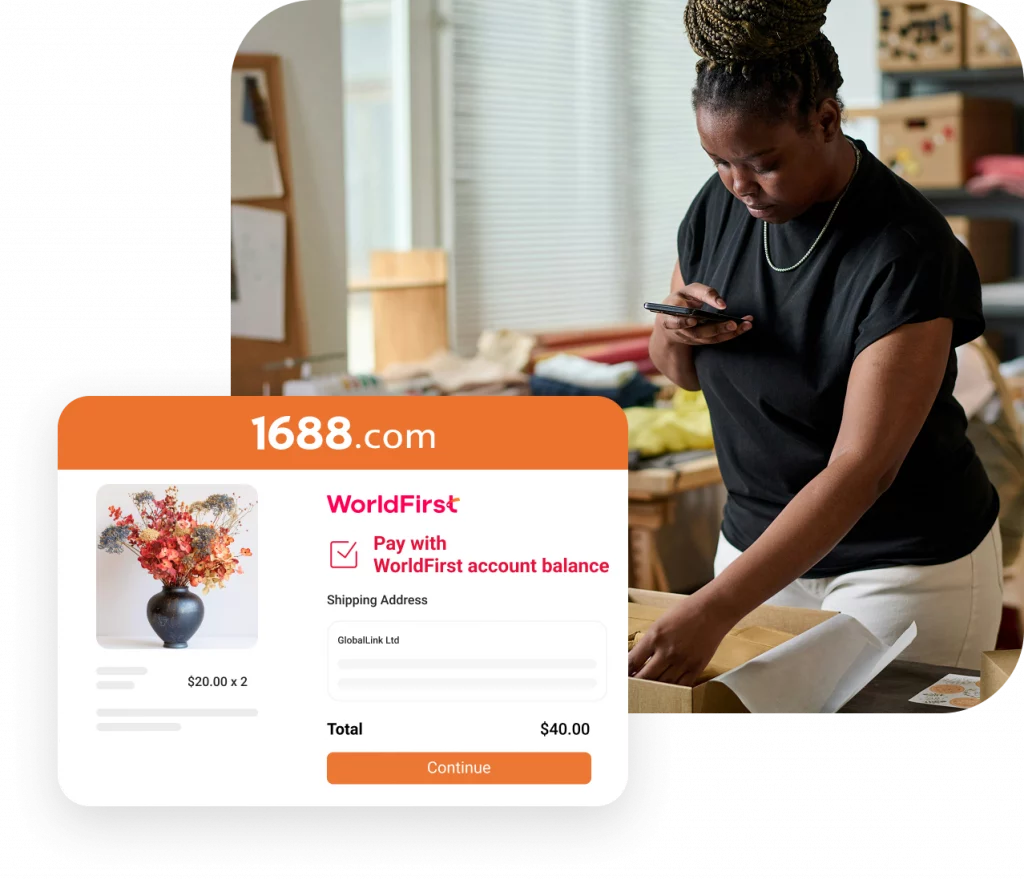
1688 is Alibaba’s domestic Chinese platform. Prices are often lower than Alibaba because you are closer to the factory, but listings are in Chinese and many suppliers expect payment in CNY to a mainland account. It rewards buyers who can handle translation and local payment logistics.

AliExpress works for smaller test orders and single units, with retail-style checkout and buyer protection. Taobao is a consumer marketplace, useful for niche or trend items, though it is also Chinese-language and geared to domestic shoppers. For most Nigerian sellers building inventory, sourcing from wholesale platforms like 1688 offers the best margins once volumes grow.

Wholesale versus retail platforms

Wholesale platforms reward volume with lower unit costs but expect minimum order quantities (MOQs) and more direct supplier negotiation. Retail platforms let you order one or a few units at a higher price per item, which is useful for testing a product before scaling. Many sellers begin on a retail platform to validate demand, then switch to comparing 1688 and Alibaba once they are ready to buy in bulk.

How do you find reliable Chinese suppliers?

You find reliable suppliers by checking their trading history, requesting samples, verifying their business and bank details, and testing communication before you commit. A supplier who cannot provide a sample or a consistent company name is a warning sign, not a bargain. Verification is the single most important habit in China sourcing.

Start with the platform’s own signals. On Alibaba, look at years active, transaction volume, and verified-supplier status. On 1688, use trading records and store ratings. Cross-check the company name against the bank account name you are given, because a mismatch between the two is a common fraud pattern.

Always order a paid sample before a bulk purchase. A sample confirms product quality and tests how the supplier communicates, packages, and ships. Keep all agreements, quotes, and specifications in writing through the platform’s messaging system, which also gives you a record if a dispute arises. For a deeper checklist, see this guide on how to find suppliers in China.

What is the cheapest way to buy from China?

The cheapest way to buy from China combines wholesale sourcing, comparing multiple supplier quotes, meeting sensible MOQs, and cutting avoidable payment costs. Unit price is only part of the total cost, because shipping, customs, and payment fees can quietly erode a low headline price. Look at landed cost, not just the quote.

Buying at wholesale volume lowers your per-unit price, but only order quantities you can realistically sell. Overbuying to hit a lower unit price ties up cash and storage. Request quotes from three or more suppliers for the same specification so you can benchmark price, MOQ, and lead time fairly.

Payment costs are the hidden line item. A traditional SWIFT bank wire can carry an upfront fee plus correspondent-bank deductions and an exchange-rate markup, which together can absorb a meaningful share of a small order value.² Reducing these costs, rather than squeezing the supplier on unit price, is often where the real savings sit.

How can businesses pay Chinese suppliers?

Businesses pay Chinese suppliers through bank transfers (SWIFT/telegraphic transfer), international payment providers, or platform-based payment tools. Each method trades off cost, speed, and how much visibility you get while the money is in transit. Understanding these trade-offs helps you avoid overpaying on every order.

Bank transfers are the default because they are familiar, but SWIFT wires to China often route through one to three intermediary banks, each of which can deduct a fee, and typically take several business days to settle.² Buyers frequently cannot see where the payment is or confirm receipt, which creates uncertainty on both sides. Transaction limits on bank accounts can also block larger supplier payments.

International payment providers were built to reduce this friction by settling more directly and pricing FX more transparently. The comparison table below benchmarks the main options against factual, publicly available detail. Availability and eligibility differ sharply by where your business is registered, which matters a great deal for African-registered sellers.

Comparing ways to pay Chinese suppliers

Payment method How it pays China Fee approach Key consideration for African-registered businesses
Bank transfer (SWIFT/T/T) USD or CNY wire via correspondent banks Upfront wire fee plus correspondent deductions and FX markup, often not itemised² Requires a domiciliary account and CBN documentation; subject to transaction limits⁵
XTransfer CNY/USD settlement to Chinese business or personal accounts, often via domestic rails³ No account-opening or annual fee; FX and withdrawal pricing is usage-based and negotiated by volume, not publicly published³ Coverage stated as 200+ countries and regions; confirm eligibility for your registration country directly³
Wise Business CNY to Chinese bank accounts (supported since 2016) or USD via SWIFT⁴ Mid-market exchange rate with a stated transparent fee per transfer⁴ Does not natively support NGN wallets or multi-currency holding for Nigerian-registered businesses, reflecting Nigeria’s FX controls⁶
PingPong Local-currency payments to suppliers via its platform⁷ Positions on lower transaction fees than banks; specific rates not fully published⁷ Product and geographic focus is primarily US and Asia; confirm African-registration eligibility directly⁷

This table is for general comparison only and does not constitute a recommendation.

Fees checked in June 2026. Pricing, eligibility, and product features may change over time. Always confirm the latest information directly with the provider.

The table shows why registration country matters as much as headline fees. XTransfer publishes no fixed FX rate and negotiates by volume,³ Wise offers mid-market pricing but does not provide native NGN wallets for Nigerian-registered businesses,⁶ and PingPong’s core focus sits outside Africa,⁷ so eligibility should always be confirmed with each provider before you rely on it.

How WorldFirst helps businesses pay Chinese suppliers

WorldFirst is a payments provider that helps businesses hold and send money across currencies, including paying Chinese suppliers in CNY or CNH. It is designed for sellers who source from China and need a clearer, more direct way to move money than a traditional bank wire. WorldFirst is backed by Ant Group (Ant International), which is one of the trust signals a sourcing business can verify independently.

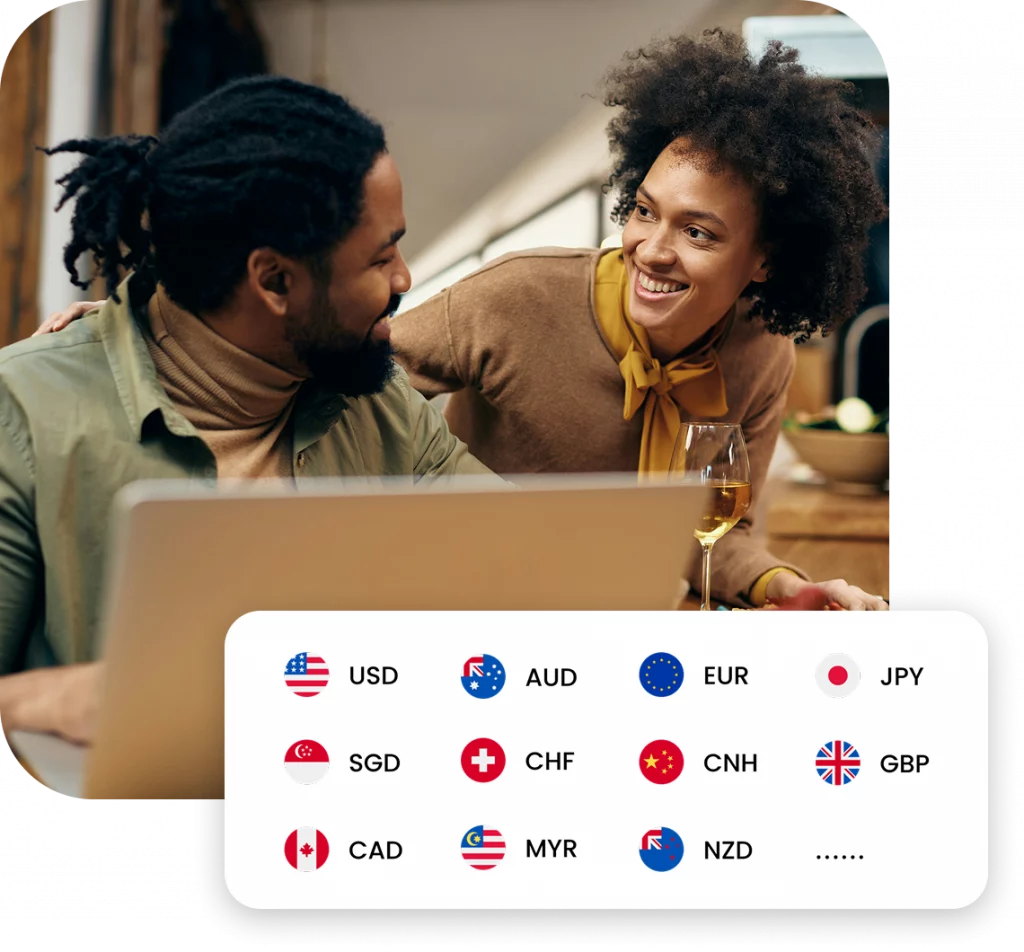
With a multi-currency business account, you can hold and manage funds in several currencies and make supplier payments without opening a separate arrangement for each currency. WorldFirst supports holding 20+ currencies, sending to 100+ currencies, and reaching 200+ countries and regions, according to its own global figures. For sellers buying at scale, paying Chinese suppliers directly can reduce the number of intermediaries a payment passes through.

Registration is an online process. You should expect to provide business information, personal identification documents, and any verification documents required during onboarding, and approval is subject to review rather than automatic. WorldFirst is a payments provider, not a bank, so it complements rather than replaces the domiciliary account Nigerian importers use for regulated FX transactions.

What should businesses know before importing from China?

Before importing, plan for customs, shipping timelines, clear supplier communication, and fraud awareness. The order does not end when you pay; it ends when goods clear customs and reach your buyer. Building these steps into your budget and schedule prevents nasty surprises.

Factor customs duties and clearing costs into your landed-cost calculation, and confirm the correct product classification with your freight forwarder or clearing agent. Shipping from China typically ranges from a few days by express courier to several weeks by sea freight, so match the method to your cash-flow and deadline needs.

Nigerian importers should also work within the Central Bank of Nigeria’s foreign exchange framework. Under the CBN Foreign Exchange Manual 2026, foreign-currency trade payments run through a domiciliary account with an authorised dealer bank, and the advance-payment cap on imports was raised to 30% of the order value.⁵ Do not assume unrestricted FX access; confirm current documentation requirements with your bank before committing to a supplier timeline.

Practical checklist: buying from China safely

  1. Confirm local demand for the product using your own sales data or marketplace bestseller pages.
  2. Shortlist suppliers on the platform that matches your order size (1688 or Alibaba for wholesale; AliExpress for test orders).
  3. Verify each supplier: check trading history, request a paid sample, and confirm the company name matches the bank account name.
  4. Request quotes from three or more suppliers for the same specification to benchmark price, MOQ, and lead time.
  5. Calculate landed cost, including shipping, customs duties, and payment fees, before choosing.
  6. Set up a compliant payment route, keeping CBN documentation and your domiciliary account ready if you are in Nigeria.⁵
  7. Keep every agreement in writing through the platform’s messaging system in case of a dispute.

Frequently Asked Questions

How can I order a product from China to Africa? 

You order by selecting a product on a sourcing platform such as 1688 or Alibaba, agreeing specifications and price with a verified supplier, arranging shipping through a freight forwarder or the supplier, and paying through a compliant route. Sellers importing into Nigeria must use a domiciliary account and follow CBN foreign exchange documentation for the payment.

What is the best Chinese website for buying products? 

There is no single right platform; the suitable choice depends on your order size. Wholesale buyers usually use 1688 or Alibaba for lower unit prices and larger volumes, while AliExpress and Taobao suit smaller or test orders. Many sellers validate demand on a retail platform first, then move to wholesale sourcing once sales are proven.

Is 1688 cheaper than Alibaba? 

1688 often shows lower unit prices than Alibaba because it is China’s domestic wholesale platform, closer to the factory. The trade-off is that listings are in Chinese and many suppliers expect payment in CNY to a mainland account. Alibaba is more accessible to cross-border buyers, with English listings and trade-assurance features, which can justify the higher price for beginners.

How do I pay Chinese suppliers? 

You can pay Chinese suppliers by bank transfer, international payment provider, or platform-based tool. Bank wires are familiar but can carry correspondent-bank fees and slow settlement. Payment providers may settle more directly and price FX more transparently, though availability depends heavily on where your business is registered, so confirm eligibility with each provider first.

Can I buy from China without a company? 

You can place orders on retail-style platforms like AliExpress as an individual, but formal importing and larger supplier payments usually work better with a registered business. In Nigeria, foreign-currency trade payments run through a domiciliary account, and having proper business documentation makes verification and customs clearance smoother.

How long does shipping from China take? 

Shipping times vary by method. Express courier can take a few days, air freight around one to two weeks, and sea freight several weeks depending on route and customs clearance. Build the slower timelines into your cash flow and marketing plans, and confirm the estimate with your supplier or freight forwarder before you order.

How do I avoid supplier scams when buying from China? 

Reduce fraud risk by verifying trading history, requesting a paid sample, confirming that the company name matches the bank account name, and keeping all communication on the platform. Pay through a route that gives you a clear record, and avoid suppliers who pressure you to pay a personal account that does not match their registered business name.

Conclusion

Knowing how to buy from China turns sourcing from a gamble into a repeatable process: choose products with proven demand, verify suppliers carefully, calculate true landed cost, and pay through a route that fits your business and your local rules. The payment step is where many importers quietly lose margin, so it deserves as much attention as finding the product itself. If you want a clearer way to pay Chinese suppliers as your orders grow, you can open a multi-currency business account and manage supplier payments alongside your other cross-border transactions.

Sources

  1. https://www.alibaba.com/
  2. https://wise.com/gb/blog/paying-chinese-suppliers-abroad
  3. https://www.xtransfer.com/services/payment
  4. https://wise.com/hk/blog/send-cny-rmb-business-china
  5. https://www.mondaq.com/nigeria/financial-services/1806166/key-regulatory-update-in-nigeria-the-cbn-foreign-exchange-manual-2026
  6. https://wise.com/gb/account/ngn-account
  7. https://www.international.pingpongx.com/solutions/logistics-platforms

This article is intended for informational purposes only and does not constitute legal advice or professional advice. This article should not be regarded as constituting an offer or a solicitation to buy or sell any regulated or financial products or services. WorldFirst makes no representations or warranties regarding the accuracy, completeness, or applicability of the content, and readers are encouraged to consult with legal professionals or other professionals for advice tailored to their specific situation. WorldFirst does not guarantee the accuracy and completeness of this article and expressly disclaims any and all liability to any person in respect of the consequences of anything done or omitted to be done wholly or partly in reliance on this article.

Linna is a Senior Content Strategy Manager specializing in fintech, cross-border payments, and global ecommerce. With extensive experience in international B2B growth content, and global market expansion, she leads content initiatives that help businesses navigate cross-border trade, international payments, and digital commerce at scale.

Linna
Author
Senior Content Strategy Manager
WorldFirst Africa

Continue reading

The simpler way to pay and get paid

Save money, time, and have peace of mind when expanding your global business.