




















Multi-currency accounts, competitive FX, and global transfers — Everything you need to pay and get paid internationally
WorldFirst Enterprise
Built for faster payments, smarter liquidity, and robust compliance—all powered by our next-gen API toolkit and AI-native architecture.
Named a Top Global Fintech Company by CNBC & Statista, we’ve supported 1.5M+ businesses since 2004.
About WorldFirst
Resources
More brands of Ant International
Europe
Asia
Oceania
Africa

We provide coverage in South Asia and Middle East: servicing 210+ countries and territories.

How to receive international payments in Africa

Contents

Compare the three main ways your business can receive international payments in Africa and pick the one that fits how you actually get paid

Key takeaways

  • African businesses can receive international payments through bank transfers, payment gateways or multi-currency accounts
  • A multi-currency account lets users receive and hold payments in foreign currencies and decide when to convert their funds
  • The World Account is a multi-currency account that provides local receiving accounts in 15+ currencies with zero receiving fees

Businesses across Africa are reaching customers well beyond their home markets. From Nigerian freelancers working with overseas clients to Moroccan exporters selling into Europe, international payments have become part of everyday business.

This guide explores the most common ways to receive international payments across Africa and explains how each option works, so you can choose the approach that best fits your business.

Challenges businesses can face when getting paid from abroad

Multiple intermediaries increase costs

Many international payments into Africa are routed through intermediary banks before reaching the user. As a result, businesses may face deductions from intermediary banks alongside sender and receiving bank charges.

Different foreign exchange rules across countries

International payment rules differ across African markets. For example, in Nigeria, businesses use domiciliary accounts to receive and hold foreign currency. In Morocco, businesses receiving export proceeds must comply with the country’s foreign exchange rules administered by the Office des Changes. 

Limited payment options depending on the market

Not every international payment platform or gateway operates across all African countries. So, businesses may need to combine bank transfers, payment gateways and multi-currency accounts depending on where they are based and where their customers are located.

Currency conversion can reduce payment value

When payments are converted into local currency, banks and payment providers may apply their own exchange rates or conversion fees. For businesses that regularly invoice in USD or any other currency, these costs can accumulate over time.

Three common ways to receive international payments

1. Bank transfers

Bank transfers move funds directly between bank accounts through the SWIFT network using the user’s account details and SWIFT/BIC code. In markets such as Nigeria and Morocco, international transfers may pass through one or more intermediary banks before reaching the user, increasing both processing time and costs.

Pros

  • Accepted by almost every overseas buyer, making them suitable for exports and B2B trade
  • Can be used to receive payments directly into eligible local or foreign currency bank accounts, depending on the country
  • Suitable for large-value B2B payments where a formal banking record is required

Cons

  • Sender, intermediary and receiving bank charges can all be deducted from a single transfer
  • Cross-border settlement can take several business days

2. Payment gateways

Payment gateways allow businesses to receive online payments through physical/virtual credit cards, debit cards and digital wallets. They are commonly used by freelancers, online sellers and businesses selling through websites or marketplaces. Funds are usually settled into a linked bank account after transaction fees and any applicable currency conversion.

Pros

  • Allows businesses to receive card payments from customers worldwide through websites, invoices or checkout pages
  • Suitable for online businesses receiving frequent, lower-value payments
  • Often integrates with e-commerce platforms and business software

Cons

  • Funds are usually converted automatically into another currency instead of being held in the original currency
  • Transaction fees and currency conversion charges apply to every payment received

3. Multi-currency accounts

A multi-currency account lets businesses send, receive, hold and convert foreign currencies from a single account. The accounts issue local receiving account details, allowing customers and marketplaces to send payments as though they were making a domestic transfer. Funds can then be converted or withdrawn when required.

Pros

  • Users can hold multiple foreign currencies before converting
  • Local receiving details enable clients/platforms paying you like a local
  • Users can decide when to exchange currencies
  • Some providers charge zero account opening and receiving fees

Cons

  • Availability varies across markets as not all multi-currency account providers operate in Africa
  • Currency conversion fees may apply when exchanging funds

How to receive international payments with the World Account

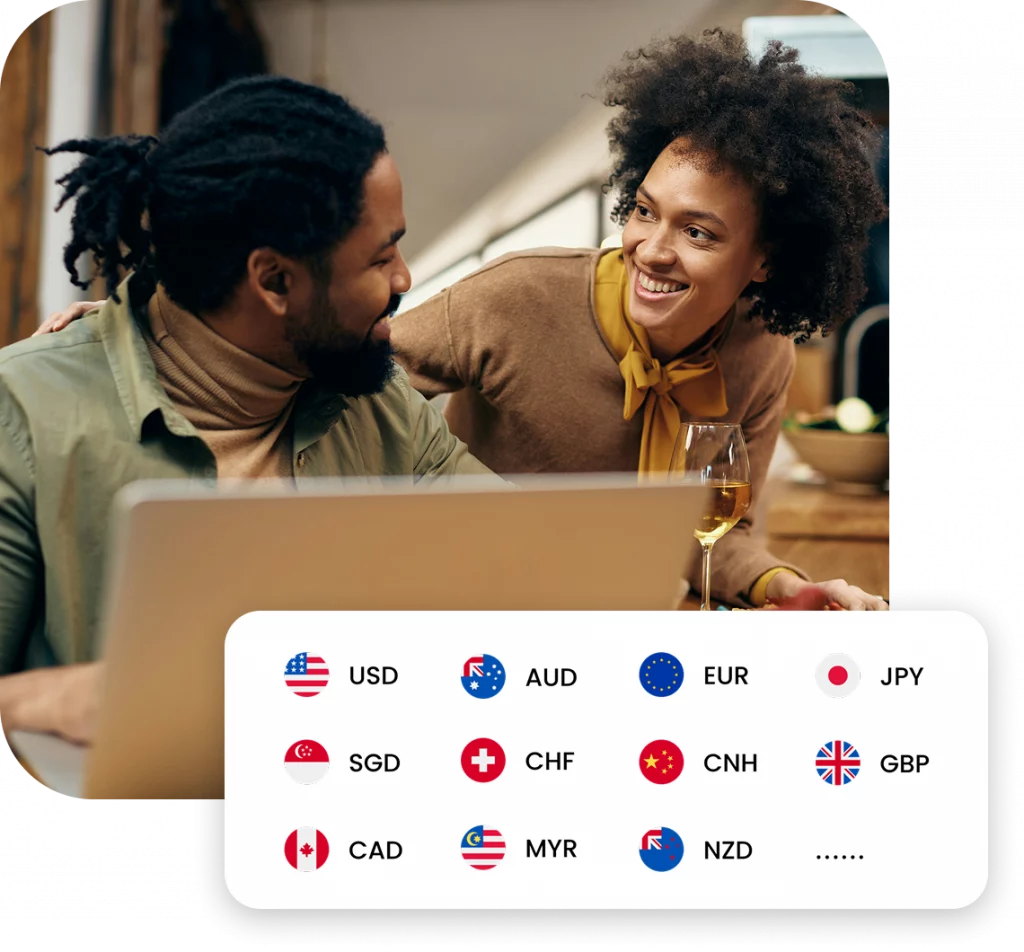
The World Account is a multi-currency account from WorldFirst that enables businesses to receive international payments without opening accounts in multiple countries. Businesses can collect payments in 15+ currencies including USD, GBP, EUR, AUD and CNH, using local receiving account details, hold funds in the original currency, convert when required, or send payments globally from the same account.

The World Account is made for businesses trading internationally and supports exporters, importers, e-commerce sellers, agencies and service providers receiving payments from overseas customers, marketplaces and payment platforms.

Here are the key features of the World Account

  • Open local currency receiving accounts in 15+ currencies
  • Pay no fees for account setup, maintenance, holding or receiving payments
  • Hold foreign currencies until you’re ready to convert
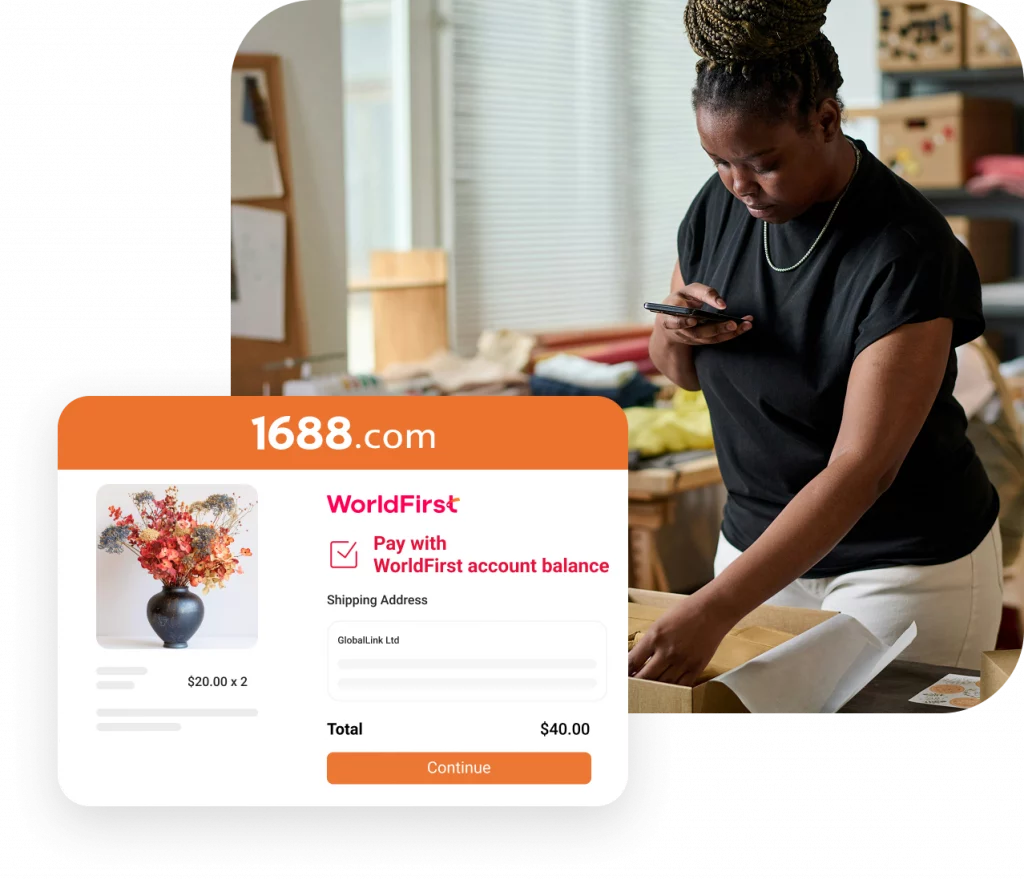
  • Collect payments from global marketplaces and payment platforms
  • Send payments in 100+ currencies across 200+ countries and regions
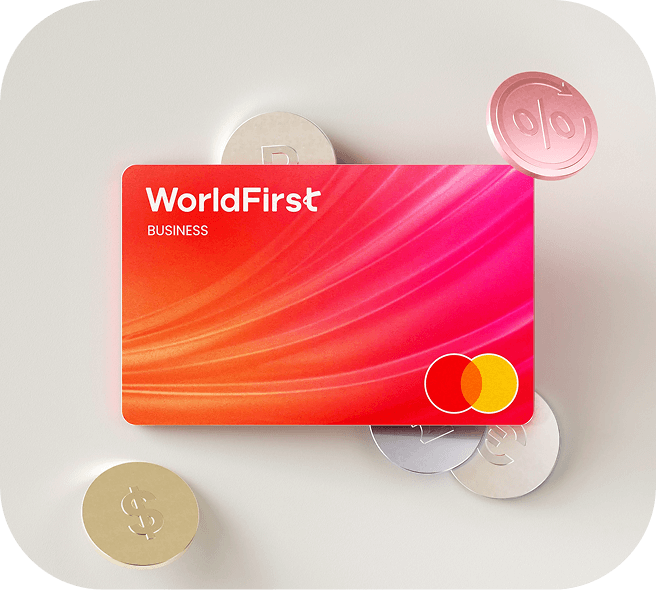
  • Access the World Card for international business spending, including up to 20 virtual cards at no additional cost, with no fees when paying in any of the 15 supported currencies (with sufficient balance held in that currency)

How to start receiving international payments with the World Account in Africa

Step 1: Register online

Complete the online application with your business and contact details.

Step 2: Verify your business

Upload the required identity and business documents for verification.

Step 3: Get approved

Once approved, you’ll receive access to your World Account, typically within 1–2 business days.

Step 4: Create your currency accounts

Create local currency receiving accounts in the currencies you trade in and instantly access your local bank details.

Step 5: Share your receiving details

Add your receiving account details to marketplaces, payment platforms or invoices so overseas customers can pay you like a local.

Step 6: Put your funds to work

Hold foreign currencies, pay overseas suppliers, convert at competitive rates or withdraw to your local bank account.

Choosing the right payment method

African businesses often receive payments through multiple channels rather than relying on a single solution. An exporter may receive bank transfers from overseas buyers, an online seller may collect marketplace payouts, and a service business may invoice clients through a payment gateway.

A multi-currency account can work for all of these users by providing a central place to receive, hold and send foreign currency before converting or withdrawing funds. For businesses working with overseas customers, suppliers or marketplaces, combining these methods often provides greater flexibility than relying on a single payment solution.

FAQs

How long do international payments take to arrive?

Delivery times depend on the payment method and the banks or providers involved. Bank transfers typically take a few business days, while payment gateways and multi-currency accounts may have different settlement timelines.

What should businesses know before receiving international payments?

Requirements vary by country and payment provider. Businesses may need to complete identity verification and comply with local banking or foreign exchange regulations before receiving or managing foreign currency.

Can African businesses receive international payments?

Yes. Businesses across Africa can receive international payments through methods such as bank transfers, payment gateways and multi-currency accounts, subject to local regulations and provider availability.

This article is intended for informational purposes only and does not constitute legal advice or professional advice. This article should not be regarded as constituting an offer or a solicitation to buy or sell any regulated or financial products or services. WorldFirst makes no representations or warranties regarding the accuracy, completeness, or applicability of the content, and readers are encouraged to consult with legal professionals or other professionals for advice tailored to their specific situation. WorldFirst does not guarantee the accuracy and completeness of this article and expressly disclaims any and all liability to any person in respect of the consequences of anything done or omitted to be done wholly or partly in reliance on this article.

Hu Wenzhan is the Emerging Markets Country Manager at WorldFirst. He brings expertise across Fintech, Payments, Banking, New Markets Growth to help clients grow their global business.

Hu Wenzhan
Hu Wenzhan
Author
Emerging Markets Country Manager, WorldFirst Africa

Continue reading

How to receive international payments in Africa

The simpler way to pay and get paid

Save money, time, and have peace of mind when expanding your global business.