























Multi-currency accounts, competitive FX, and global transfers — Everything you need to pay and get paid internationally
WorldFirst Enterprise
Built for faster payments, smarter liquidity, and robust compliance—all powered by our next-gen API toolkit and AI-native architecture.
Named a Top Global Fintech Company by CNBC & Statista, we’ve supported 1.5M+ businesses since 2004.
About WorldFirst
Resources
More brands of Ant International
Europe
Asia
Oceania
Africa

We provide coverage in South Asia and Middle East: servicing 210+ countries and territories.

What Is Drop Shipping? An African Beginner’s Guide to Starting an Online Business [2026]

Contents

Drop shipping is a retail model where you sell products online without holding stock yourself. When a customer orders, your supplier ships the item directly to them. This guide explains how drop shipping works, whether it suits sellers in Africa, and how to handle the part most beginners underestimate: paying overseas suppliers.

Key Takeaways

  • Drop shipping lets you sell products online without buying inventory upfront, because your supplier ships each order directly to your customer after a sale is made.
  • Startup costs are low, but competition is high, and most new stores struggle because of weak product research, unreliable suppliers, and thin margins.
  • Success depends less on finding a “winning product” and more on reliable suppliers, honest delivery times, and controlling your payment and FX costs.
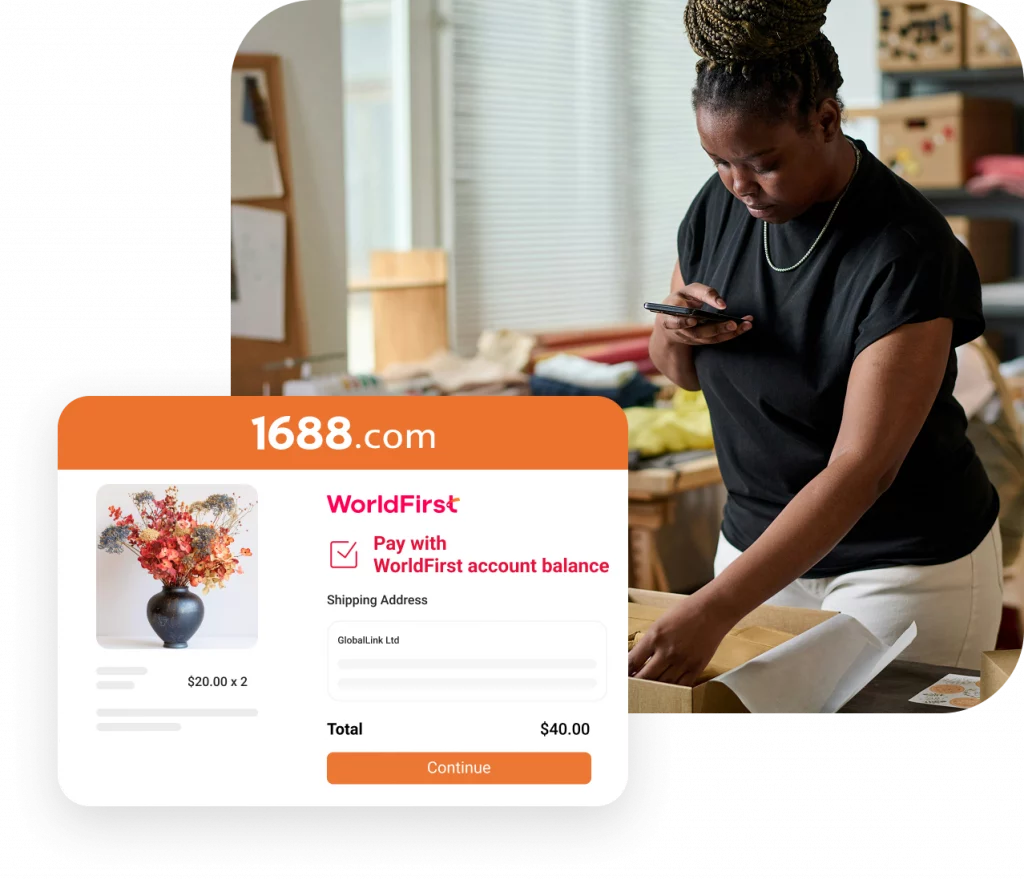
  • Sourcing from China through AliExpress, Alibaba, or 1688 is common, so paying suppliers in CNY quickly and cheaply directly affects whether a store stays profitable.
  • A multi-currency business account lets you pay suppliers and collect marketplace payouts in several currencies, reducing the cost of relying only on traditional bank wires.

What is drop shipping?

Drop shipping is a way of selling products online where you never handle or store the stock. You list items in your online shop, and when someone buys, you forward the order to a supplier who ships it straight to the customer. You only pay for a product after you have already sold it, which is why the model needs so little money to start.

The word is written both as “drop shipping” and “dropshipping”. They mean the same thing. You act as the shopfront and the marketer, while the supplier acts as the warehouse and the courier. Your profit is the gap between the price your customer pays and the price your supplier charges, minus your marketing, platform, and payment costs.

How does drop shipping work?

Drop shipping works as a chain of four steps: you list a product, a customer buys it, you pay your supplier, and the supplier ships directly to the customer. You never touch the item. Your job is choosing products, running the store, and handling customer service.

Here is the typical flow in practice:

  1. You pick products and list them in your store at your own retail price.
  2. A customer places an order and pays you through your checkout.
  3. You forward the order and shipping details to your supplier and pay their wholesale price.
  4. The supplier packs and ships the product directly to your customer.
  5. You keep the difference, after marketing, platform, and payment fees.

The model is genuinely low-cost to launch, but that same low barrier is why so many people try it. Competition is fierce, and the parts that decide profit, such as supplier reliability and payment costs, sit outside the flashy “find a product” advice most beginners follow.

Can drop shipping work in Africa?

Yes, drop shipping can work across African markets, and many sellers in Nigeria, Kenya, and Ghana already run stores. The model fits well because it needs little capital and can be run from a phone. The realistic challenges are delivery times, customer trust, local payment collection, and paying overseas suppliers efficiently.

Local demand is real. Sellers reach customers through their own websites, social commerce on Instagram, TikTok, and WhatsApp, and marketplaces such as Jumia. Collecting from local buyers in NGN, KES, or GHS is usually straightforward through local payment providers like Flutterwave, OPay, or PalmPay.

The harder part is the supply side. Most drop shipping stock is sourced from China, so a Nigerian seller sending money to a supplier in Shenzhen faces slow transfers, poor status visibility, and FX costs that can quietly eat a large share of an order. Getting that link right is often the difference between a store that survives and one that does not. You can read more on how sellers approach this in this guide to dropshipping from China to Nigeria.

What is an example of a drop shipping business?

Imagine a seller in Lagos who spots demand for portable phone accessories. She sets up a Shopify store and an Instagram page, then lists chargers and cables sourced from a supplier on 1688. She holds no stock.

When a customer orders and pays her in NGN through a local checkout, she places the same order with her Chinese supplier and pays them in CNY. The supplier ships the goods, and she handles updates and customer questions. Her profit is the retail price minus the supplier cost, shipping, marketing, and the fees on both her incoming NGN payment and her outgoing CNY payment. If her payment costs are high, her margin shrinks fast, which is why sourcing and payment planning matter as much as product choice.

Advantages and disadvantages of drop shipping

Drop shipping is attractive because of its low entry cost and flexibility, but it comes with real trade-offs around margins, control, and competition. Weigh both sides before committing time and money.

Advantages Disadvantages
Low startup cost, since you buy stock only after a sale Thin profit margins because many sellers compete on price
No warehouse or inventory to manage Limited control over shipping speed and product quality
Can be run remotely from a laptop or phone Customer complaints land on you, not the supplier
Easy to test new products without buying stock Long delivery times from overseas can frustrate buyers
Scales without proportional upfront cost Payment and FX costs can erode already-slim margins

This table is for general guidance and reflects common drop shipping conditions. Your results depend on your niche, suppliers, and marketing.

The single biggest tension is margin. Because anyone can list the same AliExpress product, prices get driven down, and your controllable costs, including how much you lose on supplier payments and currency conversion, become decisive.

Why do many drop shipping businesses fail?

A widely repeated figure suggests that around 90% of drop shipping businesses fail, though this is a commonly cited estimate rather than a verified statistic, and reported ranges vary from roughly 70% to 90%.¹ ² The reasons are consistent and mostly avoidable.

Common causes of failure include:

  • Unrealistic expectations, treating drop shipping as passive or get-rich-quick income.
  • Poor product research, chasing trends without checking demand or margin.
  • Unreliable suppliers, leading to delays, wrong items, and refunds.
  • Weak marketing, with no repeatable way to acquire customers profitably.
  • Ignored payment costs, where FX and transfer fees quietly turn a profit into a loss.

Notice how many of these sit on the supply and payment side. A seller can pick a good product and still fail if suppliers are unreliable or if paying them abroad is slow and expensive.

How to start a drop shipping business step by step

Starting a drop shipping business is straightforward if you treat it as a real business rather than a shortcut. Work through the steps in order, and validate demand before spending heavily on ads or tools.

  1. Choose a niche with real demand and room for a sensible margin.
  2. Research products and check what competitors charge and how they ship.
  3. Find and vet reliable suppliers before you list anything.
  4. Set up your store on Shopify, a marketplace, or a social channel.
  5. Set up local payment collection for buyers in your currency.
  6. Set up a way to pay overseas suppliers that keeps FX and fees low.
  7. Launch, market consistently, and reinvest based on what actually sells.

Do not skip steps three and six. Supplier reliability and payment efficiency are the parts that quietly decide profitability, yet they get the least attention in most beginner advice.

Finding reliable suppliers from China

Reliable suppliers are the foundation of a drop shipping store. Because most stock is sourced from China, vetting suppliers carefully protects you from delays, poor quality, and fraud. Verify before you commit money.

You will usually source from AliExpress for beginner-friendly single orders, Alibaba for larger wholesale deals, or 1688 for lower prices aimed at the domestic Chinese market. Each has trade-offs in price, minimum order size, and language. For a practical starting point, see this guide to sourcing from 1688 and this comparison of 1688 versus Alibaba.

Practical vetting steps that reduce risk:

  • Check the supplier’s trading history, reviews, and how long they have operated.
  • Order a sample before committing to volume.
  • Confirm the bank account name matches the registered business name.
  • Keep all communication and payment records in one place.
  • Be cautious of prices far below the market, a common fraud signal.

Trust is earned through verifiable detail, not promises. Treat any supplier who resists sharing verifiable business information as a warning sign.

How to pay overseas suppliers safely and efficiently

Once you have a supplier, you need to pay them in a way that is safe, traceable, and cost-effective. This is where many African sellers lose money. Traditional bank wires to China are slow, offer little status visibility, and carry FX and intermediary costs that can absorb a meaningful share of your order value.

Sending money through the SWIFT network (the messaging system banks use for international transfers) often means several banks each taking a cut, plus an exchange-rate markup you may not see clearly. For a small importer running tight margins, that cost is the difference between a profitable order and a loss. You can see how the mechanics work in this explainer on cross-border payments and this guide to paying overseas suppliers.

Several dedicated payment providers now compete to make paying China cheaper and clearer. Comparing them factually helps you choose:

Provider Focus Pay suppliers in Notes
WorldFirst Multi-currency business account for global sellers CNH/CNY and other currencies Backed by Ant Group (Ant International); supports paying Chinese suppliers and 1688 payments
Wise Transparent international transfers CNY or USD to China Uses the mid-market exchange rate with an upfront fee shown before you send³
XTransfer B2B trade payments into and out of China CNY or USD Regulated payment company; account-to-account transfers between XTransfer users settle instantly with no transfer fee⁴
PingPong Cross-border payments for e-commerce sellers Supplier’s domestic currency Offers supplier payments and multi-currency accounts; regulated in the regions where it operates⁵

Fees checked in June 2026. Pricing, eligibility, and product features may change over time. Always confirm the latest information directly with the provider.

This table is for general guidance and does not rank providers. Each suits different needs depending on volume, currencies, and how often you pay China.

The pattern across these providers is clear: paying in your supplier’s currency, seeing costs upfront, and keeping funds traceable all matter more than any single headline rate. For a fuller view of your options, compare multi-currency accounts.

How WorldFirst supports growing drop shipping businesses

As your store grows, managing payments across several currencies becomes a daily task rather than an occasional one. WorldFirst is a payments provider, backed by Ant Group (Ant International), that offers a multi-currency business account built for sellers who buy from China and sell locally and abroad.

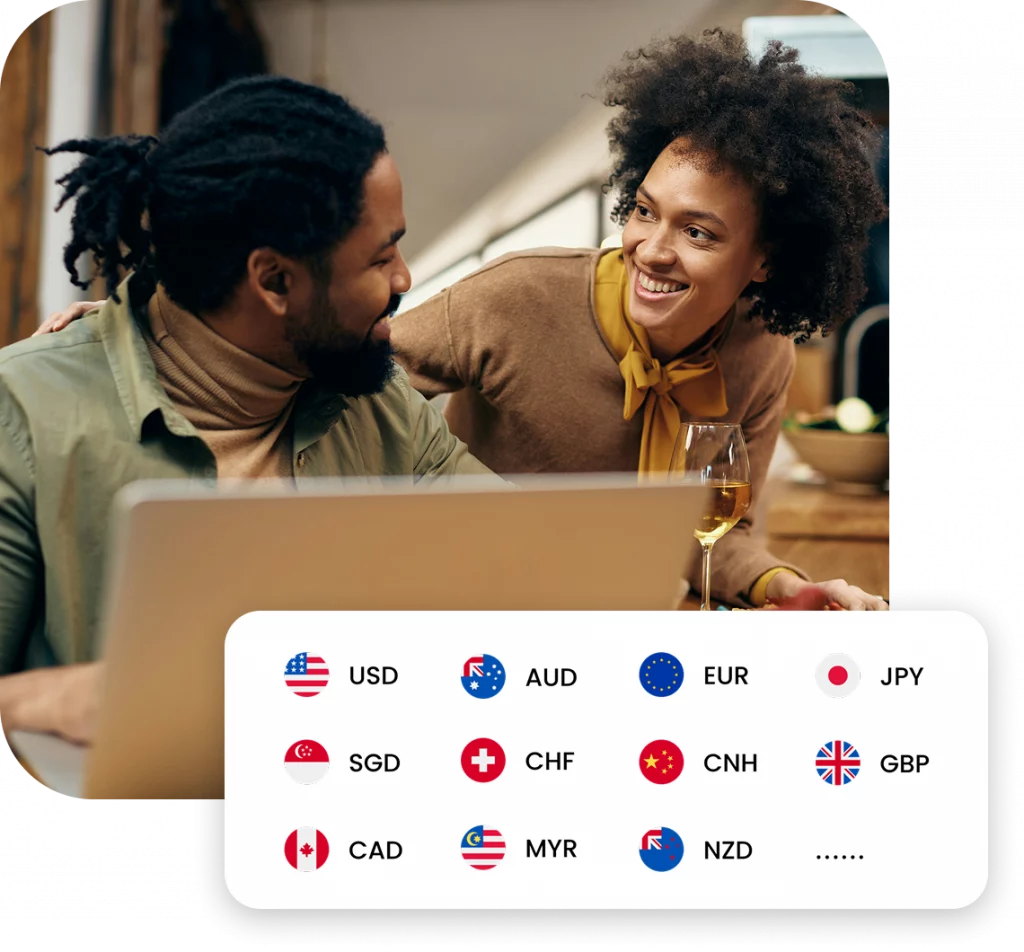
With one account, you can hold and manage multiple currencies, pay Chinese suppliers in CNH or CNY, and collect payouts from international marketplaces. WorldFirst customers can hold 20+ currencies, send to 100+ currencies, and connect to 130+ marketplaces across 200+ countries and regions. That range matters when you are collecting USD from an overseas marketplace and paying CNY to a supplier in the same week.

To open an account, you should typically be ready to provide business registration details where applicable, identity verification, and information about your business activity. Requirements vary, so not every applicant will need identical documentation. WorldFirst is a payments provider, not a bank, and does not guarantee exchange rates or business outcomes.

FAQ

How much money do I need to start drop shipping? 

You can start with a small budget, often covering a store subscription, a domain, and an initial marketing test. The bigger ongoing costs are advertising and the fees on payments in and out. Keeping supplier payment and FX costs low protects the thin margins that drop shipping typically runs on, so plan for those from the start.

Is drop shipping legal for sellers in Africa? 

Yes, drop shipping is a legitimate retail model and is legal in most African markets, provided you follow local business registration, tax, and consumer-protection rules. You are responsible for accurate product descriptions, honest delivery estimates, and customer service. Check your country’s specific requirements, and consult a professional if you are unsure about registration or tax.

Can I pay Chinese suppliers directly in their local currency? 

Yes, several payment providers let you pay suppliers in CNH or CNY rather than converting through USD first. Paying in the supplier’s currency can reduce conversion steps and give clearer costs. A multi-currency business account is one way to do this while also collecting payments in the currencies your customers use.

What happens if a supplier ships a faulty or wrong product? 

The complaint reaches you, not the supplier, so you handle refunds or replacements. This is why vetting suppliers and ordering samples first matters. Keep clear records of every order and payment, and choose suppliers with a verifiable track record so disputes are easier to resolve and less frequent.

Is it possible to run a drop shipping store from my phone? 

Yes, many sellers manage their store, marketing, and customer messages entirely from a phone. Store platforms and social commerce apps are mobile-friendly, and payment tools generally offer apps too. The limiting factor is not the device but your product research, supplier reliability, and how well you control costs.

Conclusion

Drop shipping is a genuine way to start an online business with little capital, but it rewards preparation, not shortcuts. The sellers who last treat it as a real business: they vet suppliers, set honest delivery expectations, and control the payment and FX costs that quietly decide their margins. If you are sourcing from China, getting supplier payments right is one of the most practical steps you can take toward a store that stays profitable.

Sources

  1. https://www.dropship.io/blog/dropshipping-statistics
  2. https://dodropshipping.com/dropshipping-statistics/
  3. https://wise.com/gb/blog/paying-chinese-suppliers-abroad
  4. https://www.xtransfer.com/transfer/cross-border-supplier-payment-management-via-xtransfer
  5. https://www.international.pingpongx.com/solutions/marketplace-platforms

This article is intended for informational purposes only and does not constitute legal advice or professional advice. This article should not be regarded as constituting an offer or a solicitation to buy or sell any regulated or financial products or services. WorldFirst makes no representations or warranties regarding the accuracy, completeness, or applicability of the content, and readers are encouraged to consult with legal professionals or other professionals for advice tailored to their specific situation. WorldFirst does not guarantee the accuracy and completeness of this article and expressly disclaims any and all liability to any person in respect of the consequences of anything done or omitted to be done wholly or partly in reliance on this article.

Linna is a Senior Content Strategy Manager specializing in fintech, cross-border payments, and global ecommerce. With extensive experience in international B2B growth content, and global market expansion, she leads content initiatives that help businesses navigate cross-border trade, international payments, and digital commerce at scale.

Linna
Author
Senior Content Strategy Manager
WorldFirst Africa

Continue reading

The simpler way to pay and get paid

Save money, time, and have peace of mind when expanding your global business.