






















We provide coverage in South Asia and Middle East: servicing 210+ countries and territories.
Home > blog > Global Business Tips > 7 Challenges of International Trade in Africa (and How to Overcome Them) [2026]
The challenges of international trade range from customs delays and tariffs to foreign exchange costs and unreliable supplier payments. This guide is written for African business owners, importers, and online sellers sourcing goods abroad, especially from China. It breaks down the seven biggest obstacles you will face and shows where you can take back control, starting with the operational challenge you can act on today.
The biggest challenges of international trade are payment delays, foreign exchange costs, customs and regulatory compliance, supplier verification, logistics, tariffs, and cash flow management. Each affects your margins and reliability differently. Some, like tariffs and customs rules, sit largely outside your control. Others, like how you pay suppliers and convert currency, you can improve almost immediately.
For African importers, the gap between these two groups matters. You cannot rewrite trade policy, but you can change how money moves across borders. That distinction shapes the rest of this guide.
Cross-border trade is expanding across the continent as e-commerce sellers, wholesalers, and distributors source directly from overseas manufacturers rather than local middlemen. Buying from China Factory, Alibaba, or 1688 cuts costs and widens product range, but it pulls small businesses into a web of payments, FX, and compliance they rarely faced before.
Selling internationally follows the same pattern. A seller collecting USD payouts from Amazon while paying suppliers in CNY suddenly manages several currencies at once. That complexity is the price of growth, and handling it well separates businesses that scale from those that stall.
Below are the seven obstacles that most affect businesses trading across borders, ordered roughly from the hardest to control to the most controllable.
Every country sets its own import rules, documentation, and clearance procedures. Missing paperwork or misclassified goods can mean detained shipments, penalties, or delays that erode customer trust. Rules change frequently, so what cleared last quarter may not clear today.
Duties raise the landed cost of goods and vary by product category and origin. Underestimating them turns a profitable order into a loss. You have little power to change tariff rates, so accurate cost forecasting before you buy is the main defence.
Long shipping times, port congestion, and last-mile challenges introduce uncertainty. A delayed container ties up cash and disappoints buyers. Building buffer time and working with reliable freight partners reduces, but never eliminates, this risk.
When you cannot meet a supplier in person, verifying they are legitimate is difficult. Fake suppliers, misrepresented goods, and diverted payments are real risks when sourcing from unfamiliar markets. Careful due diligence protects your money before it leaves your account. Our guide on China supplier verification covers practical checks you can run.
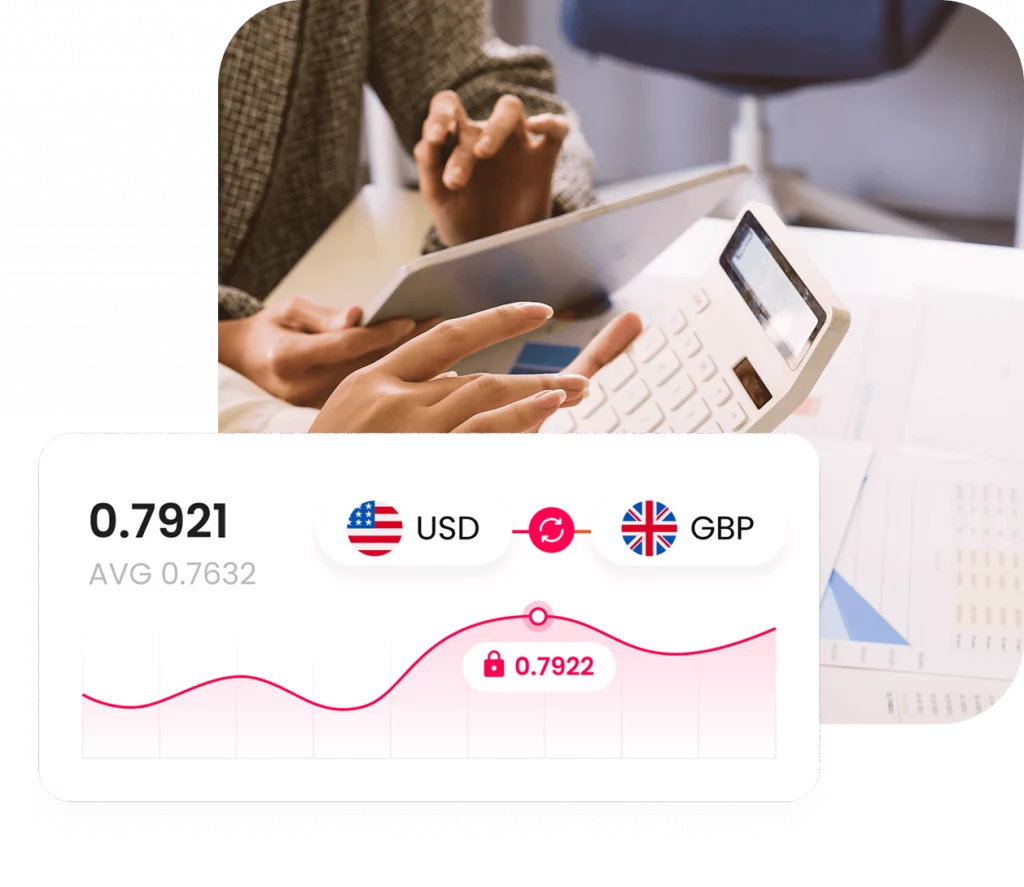
Currency conversion quietly eats margins. Rates move daily, and hidden spreads inflate the true cost of every payment. For importers buying in USD or CNY while earning in local currency, FX can be one of the largest recurring costs of trading. Understanding how multi-currency accounts work helps you manage this exposure.
Paying suppliers upfront while waiting weeks for goods and then for sales revenue creates a cash flow gap. International trade lengthens that cycle. Poor visibility over when payments clear makes planning harder still.
Slow, opaque, and expensive payments sit at the centre of nearly every other challenge. Traditional SWIFT routes can absorb 15 to 20% of order value once fees and poor exchange rates are counted, and status visibility is often limited.¹ Bank transfer limits add further friction. This is the challenge you can act on fastest.
Cross-border payments are the operational bottleneck because they touch supplier relationships, cash flow, FX costs, and fraud risk all at once. When a payment to a Chinese supplier is slow or its status is unclear, production stalls, trust erodes, and your working capital sits frozen in transit.
SWIFT transfers can take several days and pass through intermediary banks that each deduct fees, so the amount your supplier receives may differ from what you sent.¹ For a Nigerian importer already navigating FX scarcity and domiciliary account limits, that unpredictability compounds every other cost.
This is why payments deserve priority. You cannot easily change a tariff schedule or a shipping route, but you can change how you send and convert money. A dedicated business account for paying Chinese suppliers lets you send funds in CNH or CNY with clearer tracking, which directly reduces the friction described above.
WorldFirst is a payments provider backed by Ant Group (Ant International), supporting 20+ currencies held and payments to 200+ countries and regions. Registration requires business documents such as your business registration, director identity verification, and proof of business activity where required.
[CTA: Open a World Account]
Several providers serve African businesses making international payments. The table below outlines them factually so you can assess fit for your own needs.
| Provider | Type | Pay Chinese suppliers directly | Multi-currency account |
| WorldFirst | Cross-border payments provider | Yes, via CNH/CNY payments | Yes |
| Wise | Cross-border payments provider | Check current availability² | Yes² |
| XTransfer | Cross-border payments provider | Yes³ | Yes³ |
| PayPal | Cross-border payments provider | Check current availability⁴ | Limited⁴ |
Note: Features and availability may vary by region and are subject to change. Always verify current offerings directly with each provider before making a decision.
Each provider structures its fees and supported corridors differently, and feature availability changes by country.²³⁴ Confirm the current specifics on each provider’s own site before committing, since the details above may shift over time.
You cannot remove every obstacle, but a disciplined process reduces exposure across all seven challenges.
A multi-currency business account lets you hold, receive, and send several currencies from one place, which removes much of the payment friction that slows international trade. You can collect USD or GBP from marketplace payouts and pay suppliers in CNH or CNY without shuffling money between separate bank accounts.
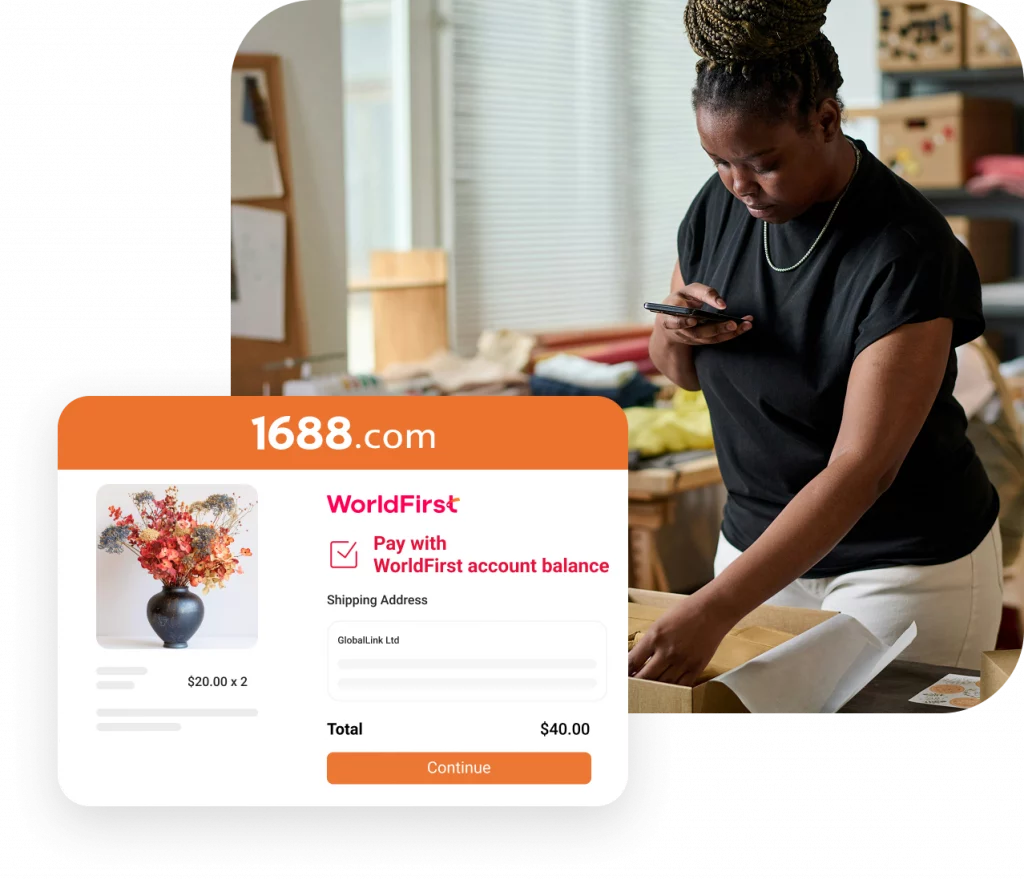
For an importer sourcing from 1688, this means paying suppliers more directly and converting currency with transparent pricing rather than absorbing hidden spreads. You can get paid by marketplaces in major currencies and manage conversions in one dashboard, giving you the visibility that traditional routes lack.
That control does not fix customs or tariffs, but it frees your attention for the challenges that genuinely need it.
Verify the supplier first by requesting their business licence and checking references, then start with a small test order. Use a payment method that shows clear transaction status so you can confirm funds arrive. Paying in CNH or CNY through a dedicated payments provider can offer better tracking than a standard SWIFT bank transfer.
Yes. Holding funds in the currencies you trade in lets you convert when rates suit you rather than at every transaction. Comparing the total cost, including spreads and fees, rather than the headline rate alone, gives a clearer picture of what conversion truly costs your business.
Delays commonly occur when transfers pass through intermediary banks or require additional compliance checks. Production can stall and supplier trust can suffer. Using a payment route with visible tracking helps you identify where funds sit and communicate accurately with your supplier while the issue resolves.
Yes. Many businesses start with small test orders to verify suppliers and limit risk before scaling. Keeping fixed costs low, such as choosing an account with no monthly fee, helps preserve working capital during the early, cash-sensitive stage of importing.
Request official business registration documents, check independent references, confirm bank details directly rather than trusting emailed changes, and begin with a small order. Consistency across these checks builds confidence before you commit larger sums.
The challenges of international trade are real, but they are not equal. Customs, tariffs, and logistics demand planning and patience, while payment friction, FX costs, and supplier risk are areas where the right tools give you immediate control. Start with what you can change today. A multi-currency business account that simplifies supplier payments and conversion is a practical first step toward trading with more confidence.
This article is intended for informational purposes only and does not constitute legal advice or professional advice. This article should not be regarded as constituting an offer or a solicitation to buy or sell any regulated or financial products or services. WorldFirst makes no representations or warranties regarding the accuracy, completeness, or applicability of the content, and readers are encouraged to consult with legal professionals or other professionals for advice tailored to their specific situation. WorldFirst does not guarantee the accuracy and completeness of this article and expressly disclaims any and all liability to any person in respect of the consequences of anything done or omitted to be done wholly or partly in reliance on this article.
Linna is a Senior Content Strategy Manager specializing in fintech, cross-border payments, and global ecommerce. With extensive experience in international B2B growth content, and global market expansion, she leads content initiatives that help businesses navigate cross-border trade, international payments, and digital commerce at scale.
Choose a product or service to find out more
Save money, time, and have peace of mind when expanding your global business.

© 2026, Ant International or its affiliates