






















We provide coverage in South Asia and Middle East: servicing 210+ countries and territories.
Home > blog > Global Business Tips > How African Businesses Use Virtual Cards for International Payments
Moroccan businesses selling internationally or sourcing products from overseas suppliers often face payment friction when managing cross-border transactions. A virtual card for international payments may help simplify online business spending, supplier payments, and foreign currency transactions by potentially giving companies access to multi-currency payment tools designed for global commerce.
Key Takeaways
Moroccan businesses operating internationally often deal with slower bank transfers, foreign exchange costs, and limited payment flexibility when paying overseas suppliers or managing global business expenses. Virtual cards may offer a more flexible way to manage international spending while supporting multi-currency business operations.
Many cross-border sellers in Morocco now rely on international payment infrastructure to pay suppliers in China, run digital advertising campaigns, and manage subscriptions for global eCommerce operations.
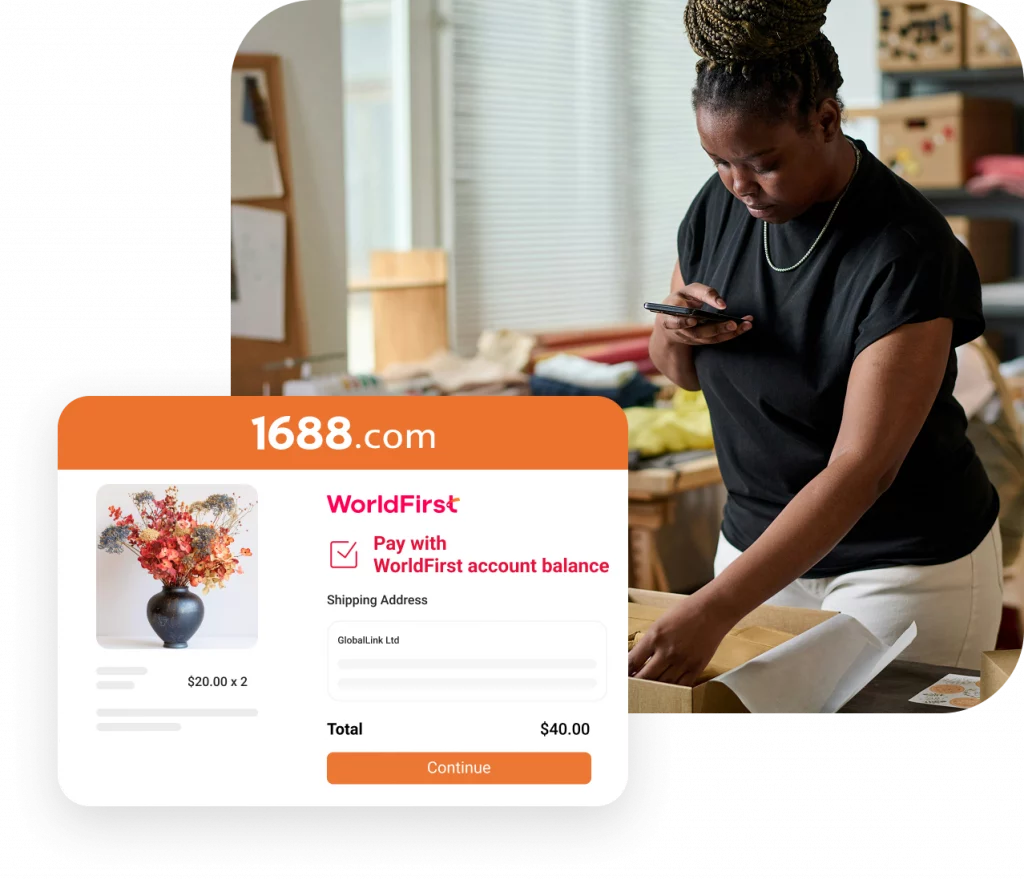
Paying overseas suppliers through traditional banking channels can often be slow and expensive. Businesses sourcing through Alibaba, 1688, or direct factory relationships may benefit from faster payment methods that support USD, EUR, or CNY transactions.
Traditional international bank transfers may involve:
Virtual cards connected to multi-currency accounts may help simplify smaller operational payments tied to sourcing, logistics, advertising, and software expenses.
Repeated currency conversion from MAD into foreign currencies can potentially increase operational costs over time.
Businesses managing international operations often need to pay:
A multi-currency business account may help reduce repeated conversion steps by allowing businesses to hold balances in multiple currencies directly.
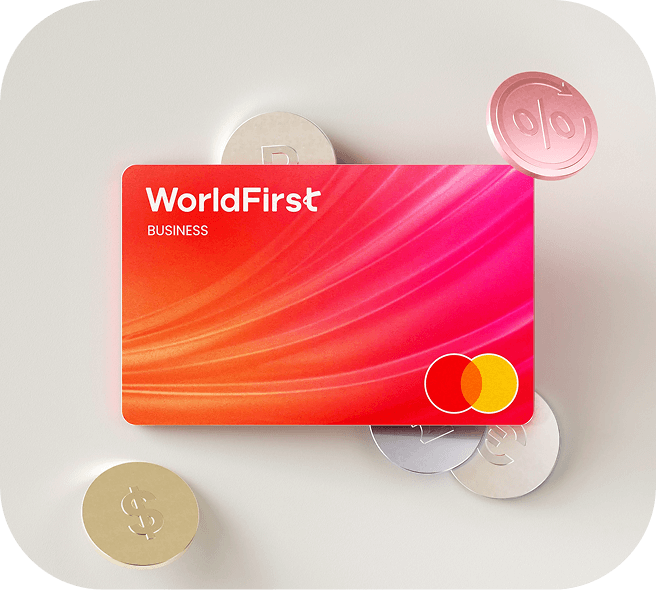
A virtual card works like a standard payment card, except it exists digitally rather than physically. Once issued, it can typically be used for online transactions, supplier deposits, subscription payments, and international business expenses.
The practical advantage is less about the card itself and more about how businesses use it inside a cross-border payment setup.
For example, a Moroccan eCommerce business might:
That separation can give finance teams cleaner visibility across operational costs without relying on a single shared corporate card.
It may also reduce risk exposure. If a supplier platform, employee account, or advertising profile is compromised, businesses can often freeze or replace a single virtual card quickly instead of disrupting broader payment operations.
One of the bigger cost issues for cross-border businesses tends to be repeated currency conversion.
A payment starts in MAD. Then converts into USD. Sometimes into EUR. Occasionally into CNY through intermediary banking routes.
Every conversion layer introduces margin loss.
Businesses using multi-currency payment platforms can often hold balances in foreign currencies directly instead. That can change the economics of day-to-day international operations, especially for companies with recurring overseas expenses.
For example, businesses receiving marketplace payouts in USD may choose to:
That tends to be particularly relevant for Amazon sellers, exporters, and sourcing-heavy businesses with ongoing supplier cycles.
Supplier ecosystems across China now rely heavily on digital payments.
Factories, sourcing agents, freight forwarders, inspection companies, and SaaS procurement tools often expect fast online payment capability. Traditional wire transfers still play a role, but operational spending increasingly tends to happen through digital payment rails.
Moroccan businesses sourcing through:
Often use virtual business cards for online payments tied to smaller operational transactions surrounding inventory procurement.
That includes:
The flexibility often matters because operational spending rarely moves in neat monthly cycles once a business scales internationally.
Not every virtual card provider works the same way, and the differences matter more for Moroccan businesses than for companies in markets with fewer payment restrictions. Before committing to a platform, run through these criteria:
| Pro Tip: Don’t evaluate providers on headline fees alone. A platform advertising low transfer costs may still apply a 2–3% FX markup that quietly reduces what you actually spend in the billing currency. Always calculate the total cost of a transaction before committing. |
| Provider | Virtual Card Availability | Supported Currencies | Key Cross-Border Features | Best For |
|---|---|---|---|---|
| WorldFirst¹ | Yes | USD, EUR, GBP, CNY + multiple currencies | Multi-currency business account, supplier payments, marketplace payouts, virtual cards | Importers, Amazon sellers, cross-border SMEs |
| Wise Business² | Yes | 40+ currencies | Mid-market FX conversion, international transfers, expense management | Freelancers and international service businesses |
| Payoneer³ | Yes | USD, EUR, GBP + others | Marketplace integrations, receiving accounts, supplier payments | e-commerce sellers and exporters |
| Airwallex⁴ | Yes | Multi-currency support | Global expense cards, FX management, API integrations | Scaling international businesses |
| Revolut Business⁵ | Yes | 25+ currencies | Team expense controls, subscriptions, international payments | Startups and remote-first companies |
*Note: Features and availability may vary by region and are subject to change. Always verify current offerings directly with each provider before making a decision.
Getting set up is often more straightforward than most Moroccan businesses expect. The process below outlines a practical path using a compliant multi-currency platform, with WorldFirst’s World Account included as one relevant example.
Choose a provider that serves Morocco and supports the currencies you actually need. WorldFirst’s World Account is one option built for cross-border business payments, including those originating from Morocco.
Providers require standard KYC documents: a government-issued ID, proof of business registration, and proof of address. This aligns with the provider’s requirements.
You can deposit MAD or receive marketplace payouts directly in USD or EUR into your multi-currency balance, avoiding an immediate forced conversion.
Once your account is funded, you can issue a virtual card linked to your multi-currency balance. Getting a virtual card online instantly may take only minutes once your account is verified.
Set per-card spending limits, assign cards to specific suppliers or ad accounts, and start making international payments directly in the billing currency.
| Important: Approval timelines and documentation requirements vary by provider. WorldFirst doesn’t guarantee specific processing times, and all accounts are subject to standard compliance review. Always verify current requirements directly with the provider before applying. |
Cross-border payments don’t have to mean stacked fees, forced conversions, and fragmented banking processes. As covered throughout this guide, a virtual card tied to a multi-currency account can offer Moroccan businesses greater control over international spending, from supplier payments in CNY to ad accounts billed in USD.
The right platform can bring virtual cards, FX management, and marketplace payouts together in one place. For businesses operating under Morocco’s Office des Changes framework, choosing a provider with transparent fees is often the first decision that shapes everything else.
WorldFirst’s World Account is designed with cross-border workflows in mind. If you’re looking to manage international payments with potentially more control and lower costs, it may be a practical place to start.
A virtual card is a digital payment card issued on the Visa or Mastercard network that exists entirely online. It can be loaded in multiple currencies and used wherever the card network accepts online payments. For Moroccan businesses, it may reduce the need to route every international payment through a MAD-denominated bank account, potentially reducing conversion steps and offering more control over transaction costs.
This depends on the provider. Platforms like WorldFirst’s World Account support multiple currencies including USD, EUR, GBP, and CNY. The ability to hold and spend in these currencies without forcing an immediate MAD conversion can be one of the key advantages for Moroccan businesses paying international suppliers or running ad campaigns abroad.
Most multi-currency platforms allow you to set per-card or per-transaction spending limits. This is particularly useful for managing ad budgets, SaaS subscriptions, or supplier payments across different team members or channels. Specific limits vary by provider, so check the current terms before applying.
The main differences are typically issuance speed, spending controls, and fraud exposure. A virtual card is often issued quickly, can be locked or regenerated after use, and may support per-transaction limits that a standard business debit card typically doesn’t offer. It also tends to support multi-currency spending more readily than most MAD-denominated bank cards issued in Morocco.
Source:
This article is intended for informational purposes only and does not constitute legal advice or professional advice. This article should not be regarded as constituting an offer or a solicitation to buy or sell any regulated or financial products or services. WorldFirst makes no representations or warranties regarding the accuracy, completeness, or applicability of the content, and readers are encouraged to consult with legal professionals or other professionals for advice tailored to their specific situation. WorldFirst does not guarantee the accuracy and completeness of this article and expressly disclaims any and all liability to any person in respect of the consequences of anything done or omitted to be done wholly or partly in reliance on this article.
Linna is a Senior Content Strategy Manager specializing in fintech, cross-border payments, and global ecommerce. With extensive experience in international B2B growth content, and global market expansion, she leads content initiatives that help businesses navigate cross-border trade, international payments, and digital commerce at scale.
Choose a product or service to find out more
Save money, time, and have peace of mind when expanding your global business.

© 2026, Ant International or its affiliates