



























A corporate card is a payment card issued to a business, not an individual. Employees use it to pay for approved work costs and the spending goes on the company’s account.
Every purchase is tracked, and employers usually set a spending limit on each card. Features, limits and repayment terms vary by provider.
Below, we cover how corporate cards work, where they differ from business credit cards and what they really cost. Then we compare six UK options side by side.
Key takeaways
- Corporate cards give each employee their own card on one company account, with limits and controls set by the business. The company usually pays the bill.
- The real cost of corporate cards consists of annual fees, foreign exchange (FX) margins, non-sterling fees, cash charges and per-user fees.
- The right payment method depends on the expense: cards suit subscriptions, advertising and travel, while bank transfers often suit large supplier invoices.
- If you earn or spend in foreign currencies, a card linked to a multi-currency balance can reduce conversions, but converting into that balance still has a cost.

What are corporate cards and how do they work?
Providers issue corporate cards to a business, which gives them to employees, usually with each person’s name on the card. The business and provider agree spending limits and repayment terms upfront, and the business usually pays off the balance.
How a corporate card works
Step 1: The business applies for cards for its team.
Step 2: The provider runs identity and business checks and, for credit-based cards, credit checks on the company and, if needed, individual cardholders.
Step 3: The provider issues cards to the employees the business chooses. Depending on the provider, cards can be physical, virtual or both.
Step 4: Employees use their cards for approved expenses, such as software subscriptions, advertising or travel.
Step 5: Spending limits and controls set by the business apply from the first purchase.
Step 6: Every transaction is recorded in a dashboard or on statements, and receipts are matched and reconciled in accounting software.
Step 7: The business pays off the balance by the due date.
Who pays off the balance?
Usually, the company is liable for the balance. But some providers use individual liability, and some credit cards for smaller businesses require a personal guarantee from a director. You may also see providers call them employee expense cards, but they work the same way.
Corporate cards vs business credit cards
| Feature | Corporate card | Business credit card |
| Intended users | Teams and employees spending on the company’s behalf | Business owners and directors, sometimes with extra cards for staff |
| Liability | The company is liable for making repayment | The business, often with a personal guarantee from a director for smaller firms |
| Credit facility | Varies: credit, charge or none (debit and prepaid) | Yes, a credit limit, with interest if you carry a balance |
| Employee cards | A core feature, often many cards | Often available, but number and cost vary |
| Spending controls | Per-card limits, category or merchant rules, approvals | Usually more basic, often one overall credit limit |
| Expense management | Often built in or integrated with accounting software | Usually limited to statements |
| Rewards | Cashback, points or none | Often cashback or points |
| Typical use case | Teams that need control and reporting across many spenders | Small businesses that want short-term credit and rewards |
Types of corporate cards
Not every corporate card is a traditional credit card. The main types are:
- Corporate credit cards: These cards let the business spend on credit and repay later, usually with interest if the balance isn’t cleared.
- Corporate debit cards: These spend directly from a business account or balance, so there’s no credit facility.
- Prepaid corporate cards: These are loaded with funds in advance, which makes budgeting simple for employees.
- Virtual corporate cards: These exist only as “card details” with no physical card. They’re useful for subscriptions, advertising and online supplier payments, and providers can often issue them instantly.
Benefits and drawbacks of corporate cards
Benefits
- Centralised spending: All spending runs through one account instead of scattered personal cards.
- Employee spending controls: Set spending limits and category rules, and freeze a card instantly if it’s lost or misused.
- Easier expense management: Transaction details and receipts sit in one place, which speeds up reconciliation and cuts errors.
- Visibility: You can see who spent what, where, when and why.
- Less reimbursement admin: Staff no longer pay work costs out of their own pockets and claim them back.
- Cash-flow management: Set limits and categories make spending, and cash flow, more predictable.
Drawbacks
- Fees: Corporate cards are not always free. They can include annual, monthly or per-user charges.
- FX charges: Some cards charge FX fees on overseas spending.
- Interest and late-payment costs: Credit and charge cards can add interest and late fees if the balance isn’t paid by the due date.
- Overspending risk: The more people who have cards, the more room there is for overspending, especially if limits are loose.
How much does your corporate card really cost?
| Cost to check | What to look for | Service providers |
| Card or account fees | Annual, monthly or per-user charges | Amex Business Gold: £0 in year one, then £195. Airwallex Explore plan: £19 a month, or £0 if conditions are met. WorldFirst World Card: no annual fee |
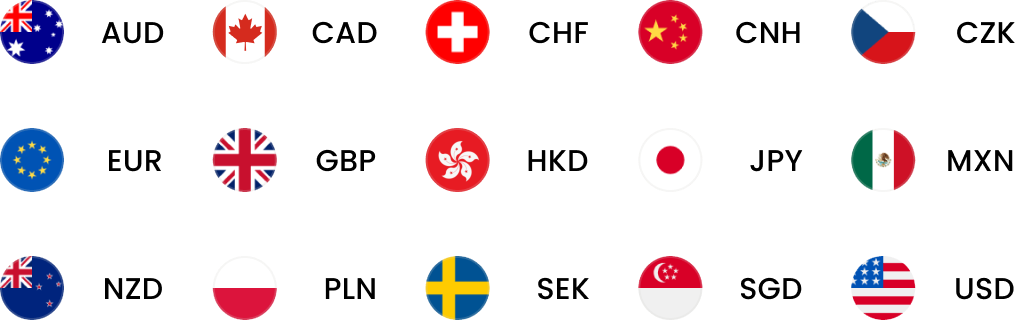
| Transaction fees | Fees on non-sterling purchases | 2.99% on Amex Business Gold. WorldFirst World Card: 0% FX fee when paying in 15 major currencies from your balance |
| FX mark-ups | The margin added when currency is converted | Up to 0.50% on major currencies at WorldFirst and 0.50% at Airwallex. Wise says card spending has no markups or margins |
| Overseas and cash costs | ATM and cash-advance charges | Wise: free ATM withdrawals up to £250 a month in total, then 2.69% on the excess. WorldFirst World Card: 2% ATM withdrawal fee, minimum £1 |
| Rewards | Cashback or points, and their conditions | 1% on Capital on Tap and Barclaycard (uncapped; T&Cs apply). WorldFirst World Card: 0.5% on monthly spend under £40,000, 0.8% from £40,000 and 1.2% from £80,000, until 31 December 2026 (T&Cs apply) |
| Conditional fees | Thresholds, introductory periods, minimum spends | Airwallex: optional 1.00% automatic conversion fee, and the £19 plan fee is waived if you deposit £10,000+ in a month or hold £10,000+ at month-end. Amex: interest if you use the Flexible Payment Option. WorldFirst: 0.30% conversion rate for new customers’ first six months, then up to 0.50%. |
When free gets expensive
Say your business spends £20,000 a month on overseas software subscriptions, which is £240,000 a year.
These figures are illustrative, and real rates vary by provider and currency.
| Set-up | Calculation | Cost per year |
| Card with no annual fee but a 2.99% non-sterling fee | £20,000 × 2.99% = £598 a month | £7,176 |
| Card with a £195 annual fee (after year one) and the same 2.99% fee | £7,176 + £195 | £7,371 |
| Card with 0% card FX fee, paid from a currency balance funded by converting pounds at 0.50% | £20,000 × 0.50% = £100 a month | £1,200 |
The “free” card isn’t cheap here, because its fee grows with your spending. The third option still has a conversion cost, but it’s far lower overall.
Should your business pay by corporate card or bank transfer?
Corporate cards are convenient for recurring and small payments, while bank transfers can be cheaper and simpler for large or one-off amounts.
| Expense | Usually better for | Why |
| SaaS subscriptions | Corporate or virtual card | Recurring payments, easy to cap and cancel |
| Employee travel | Corporate card | Staff can book on the go, with limits set per person |
| Online advertising | Corporate or virtual card | Ad platforms bill by card, and a dedicated card keeps campaign spend visible |
| Supplier invoice | Bank transfer | Some suppliers add a card fee, so check before paying by card |
| Large international payment | Bank transfer | Larger amounts are usually simpler to pay by bank transfer |
| Foreign-currency marketplace revenue | Multi-currency account | Receive and hold sales income in the currency it arrives in |
| Recurring employee expenses | Corporate card | Replaces manual claims and personal cards |
How corporate cards fit into a multi-currency business
If your business earns and spends in more than one currency, how your cards connect to your money matters:
Receive foreign currency → Hold it → Spend or pay in that currency → Convert only when needed
Say a UK business is paid in US dollars by US customers and also pays some costs in dollars, such as advertising, software and suppliers.
Converting every dollar into pounds, then back into dollars to pay those bills, means paying for two conversions, and that eats into your margin.
Holding the dollars and spending them directly from a multi-currency account avoids that.
What to do
- Open a multi-currency account: It helps you receive and hold funds in currencies such as USD, EUR, and GBP.
- Use a card that spends from those balances, such as the World Card. Virtual cards work well for subscriptions and advertising.
- Pay large invoices by transfer: Larger supplier invoices are usually easier to pay by international transfer than by card.
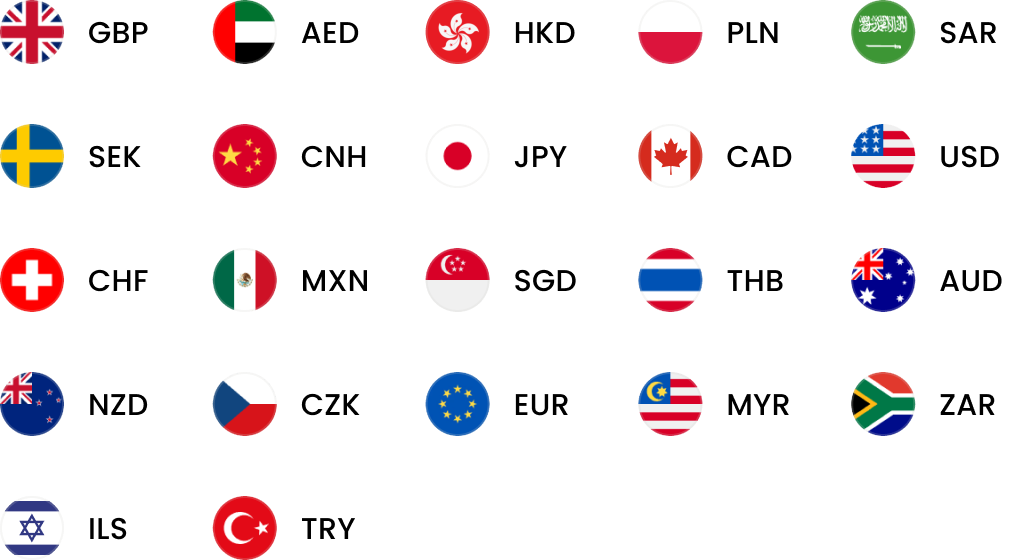
WorldFirst’s World Account lets businesses receive funds in 20+ currencies. The World Card then charges no FX fees when paying in 15 major currencies from your balance. Converting pounds into those balances still carries a cost of up to 0.50% on major currencies.
Corporate cards, expenses and UK tax basics
- Business-purpose spending: According to HMRC, employers don’t have to report or pay anything on card payments if they’ve authorised the purchase made by the employee and the employee makes clear they’re acting on the employer’s behalf, the supplier accepts this, and special rules don’t apply (such as fuel for a company car, parking or incidental overnight expenses). But private or unauthorised use can mean reporting on a P11D and paying Class 1 National Insurance through payroll.
- Company spending policy: To avoid confusion, a written policy on what’s allowed, who approves it and how receipts are to be submitted helps staff stay within the rules.
- Receipts and expense records: Keep evidence of what each purchase was for. Good records make reconciliation quicker and easier for everyone.
Top corporate card options for UK businesses
| Provider | Card type | Card and plan fees | Overseas spending | Rewards | Employee cards |
| Airwallex | Debit, linked to a multi-currency account (physical and virtual) | Explore plan £19 a month, or £0 if you deposit or hold £10,000+. Five free spend users, then £5 per extra active user a month | No separate card transaction fee listed in its fee schedule. Currency conversion margin of 0.50% on major currencies | Cashback offers for new customers; check current terms | Physical and virtual cards |
| American Express Business Gold | Charge card | £0 in year one, then £195 a year | 2.99% non-sterling transaction fee | 1 Membership Rewards point per eligible £1 | Up to 20 employee cards at no extra cost |
| Barclaycard Select Cashback | Credit card | £0 annual fee | Check Barclaycard’s summary of rates for non-sterling and cash fees | 1% uncapped cashback on eligible spend (T&Cs apply) | Additional cards £0 |
| Capital on Tap Business Credit Card | Credit card | £0 annual fee on the standard card | No FX fee | 1% uncapped cashback | Free employee cards |
| Wise Business | Debit, linked to a multi-currency account | First card free. Team cards £3 each (one-off) | Spends at the mid-market rate with no markups or margins, according to Wise. Free ATM withdrawals up to £250 a month in total, then 2.69% on the excess | Not listed on Wise’s card pricing page | Team cards £3 each |
| WorldFirst World Card | Virtual debit-style card linked to the World Account | No annual fee. World Account is free to open and maintain | 0% FX fee when paying in 15 major currencies from your balance. Converting into the balance costs up to 0.50% | Up to 1.2% uncapped cashback on eligible spend (T&Cs apply) | Up to 25 virtual cards |
Airwallex
Good for: businesses that want physical and virtual employee cards alongside a multi-currency account.
Watch for: the £19 monthly plan fee unless you meet the £10,000 deposit or balance condition, and per-user charges beyond five spend users. Airwallex is an e-money institution, so funds are safeguarded rather than FSCS-protected.
American Express Business Gold
Good for: UK limited companies and LLPs that want a charge card with an adjustable spending limit and rewards points.
Watch for: the £195 annual fee from year two, the 2.99% overseas fee, a required guarantee from a director, and eligibility limited to limited companies and LLPs.
Barclaycard Select Cashback
Good for: mostly UK-based spending where you want no annual fee and 1% cashback.
Watch for: overseas and cash fees (check Barclaycard’s summary of rates), interest if you carry a balance, and the credit checks and cashback conditions that apply.
Capital on Tap Business Credit Card
Good for: businesses that want a credit line with no FX fees and free employee cards.
Watch for: interest on unpaid balances, and eligibility criteria (a UK-based limited company, PLC or LLP, applying through an active director or a shareholder of 25% or more).
Wise Business
Good for: businesses already holding balances in Wise who want to spend at the mid-market rate.
Watch for: it’s a debit card, so there’s no credit facility, and ATM withdrawals are limited before charges apply. Check what team-card controls are included.
WorldFirst World Card: an option for international UK businesses
The World Card is a business virtual card linked to your WorldFirst World Account. It lets you pay suppliers, platforms and service providers directly from your multi-currency balance, so it’s built for international spending rather than credit.
Who it’s for: business owners, ecommerce sellers and teams who need to manage international spend. It’s a business card, not a personal one.
Key features
- Linked to your balance: The card draws on your World Account, which can receive funds in 20+ currencies.
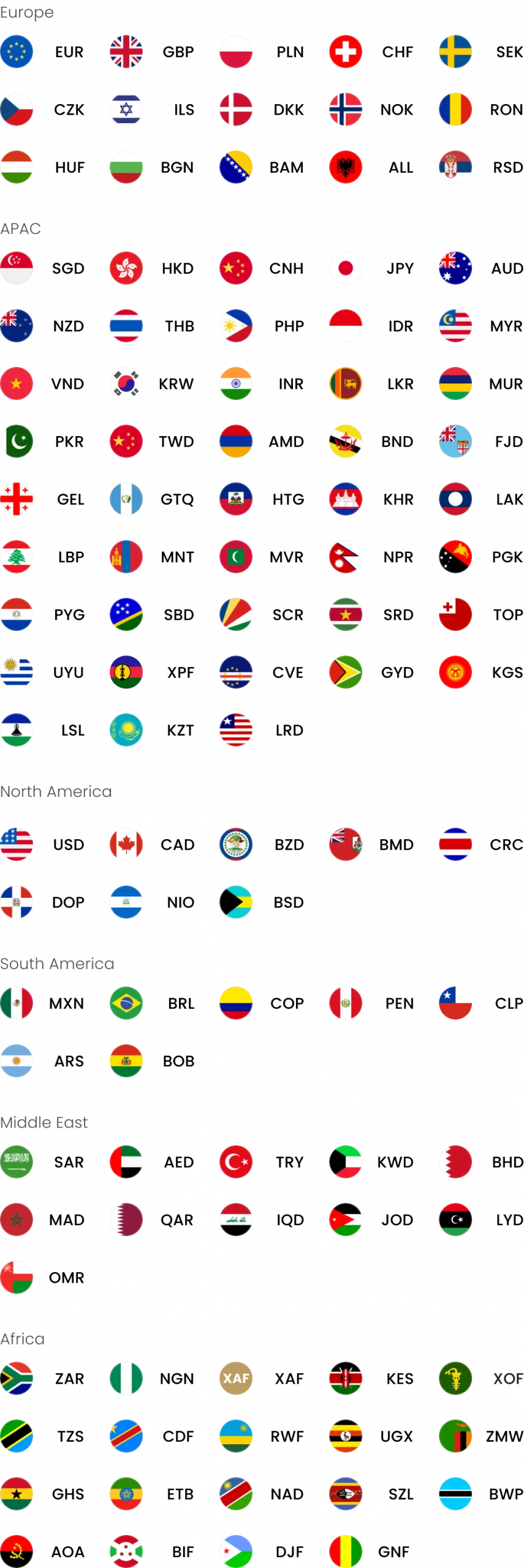
- Multi-currency spending: There are no FX fees when paying in 15 major currencies from your balance, including USD, GBP, EUR, NZD, SGD and HKD.
- Spending controls: Issue up to 25 virtual cards, set spending limits and track spend in real time. You can freeze or cancel a card instantly, and 3D Secure adds verification on online payments.
- Cashback: Earn up to 1.2% uncapped cashback on eligible business spend. Terms and conditions apply.
- Fees: There are no annual fees, and the World Account is free to open and maintain.
Things to know
- It’s a virtual card linked to a balance, not a credit or charge card, so it doesn’t offer a credit limit.
- Zero FX fees apply when you pay in a supported currency from your balance. Converting pounds into that currency first costs up to 0.50% on major currencies (0.30% for new customers in their first six months).
- You’ll need a World Account, which can be opened online with no minimum balance.
- WorldFirst is not a bank. World First UK Limited is authorised by the FCA as an Electronic Money Institution (FRN 900508), so funds are safeguarded rather than protected by the FSCS.
For current fees, see WorldFirst’s pricing and the World Card page.
Choose the right corporate card for your business
- How many employees need cards? Per-user fees and card limits can change the cost quickly.
- How much do we spend each month? Rewards and fee thresholds depend on volume.
- How much of our spending is international? Overseas fees can outweigh cashback.
- Which currencies do we use? Check whether the card can spend from balances in those currencies.
- Do we need virtual cards? They’re useful for subscriptions, advertising and online suppliers.
- What spending controls do we need? Look for limits, category rules, approvals and instant freezing.
- Does the card integrate with our accounting software? This saves reconciliation time.
- What are the actual FX and transaction costs? Work out the annual cost using your own spending, as in the example above.
Ready to manage international spend alongside your payments? Open a World Account and apply for a World Card.
FAQs
1. What’s the difference between a corporate card and a business credit card?
A corporate card is typically designed for many employees, with company liability and spending controls. A business credit card is usually a credit line for the business, sometimes with a personal guarantee from a director. The terms overlap, so compare liability, credit, controls and fees rather than the name.
2. What is the purpose of a corporate card?
A corporate card lets a business give employees a way to pay for approved work expenses on the company’s account. It centralises spending, applies limits and controls, and reduces out-of-pocket expense claims.
3. Who gets a corporate card?
Corporate cards are issued to businesses, which then give cards to employees, directors or teams. Eligibility depends on the provider. For example, American Express Business Gold is available to UK limited companies and LLPs, and Capital on Tap requires a UK-based limited company, PLC or LLP with an active director or a shareholder of 25% or more applying. Check each provider’s criteria before applying.
4. Do corporate cards build credit?
It depends on the card. Credit and charge cards involve credit checks, and some need a personal guarantee. American Express, for example, requires a guarantee from a director for its Business Gold Card. Debit and prepaid-style cards draw on your own funds and don’t create a credit line, although providers still verify your business.
5. Is money on a corporate card protected?
Credit and charge cards spend borrowed money rather than holding your deposits. For debit and prepaid-style cards that draw on a balance held with an e-money provider such as WorldFirst or Airwallex, the FCA requires safeguarding rather than FSCS protection, and safeguarded funds may not be returned in full if a firm fails. Eligible deposits held at UK banks are protected by the FSCS, currently up to £120,000 per person per firm.
6. What is the benefit of a corporate credit card?
A corporate credit card can give your business a credit limit, time between spending and repayment, rewards such as cashback or points, and tighter control over employee spending. Interest and fees apply if balances aren’t repaid on time or if you spend overseas, so compare the full cost.
7. Can I use a corporate card for personal spending?
No. Corporate cards are for business expenses. American Express’s Business Gold Card agreement, for example, says the card must not be used for personal transactions. HMRC also says private or unauthorised use can mean the employer has to report it on a P11D and pay Class 1 National Insurance.
Information is correct as of 13 October 2026. Fees, features, promotional offers and eligibility are set by each provider and may change, so please check the provider’s current terms before applying. This guide is general information, not financial, legal or tax advice. WorldFirst publishes this article and offers the World Card. World First UK Limited is authorised by the Financial Conduct Authority as an Electronic Money Institution (FRN 900508). WorldFirst is not a bank, and funds are safeguarded rather than protected by the FSCS.
Sources
- https://www.worldfirst.com/uk/product/pay/world-card/
- https://www.worldfirst.com/uk/pricing/
- https://www.worldfirst.com/uk/multi-currency-business-account/
- https://www.airwallex.com/en-uk/terms/fee-schedule
- https://www.airwallex.com/en-uk/cashback
- https://wise.com/gb/pricing/business/card-fees
- https://www.americanexpress.com/en-gb/charge-cards/gold-business-card/
- https://www.americanexpress.com/content/dam/amex/uk/legal/business/the-american-express-gold-business-charge-card-terms-and-conditions.pdf
- https://barclaycard.co.uk/business/cards/credit-cards/select-cashback
- https://www.capitalontap.com/en/business-credit-cards/cashback
- https://www.gov.uk/expenses-benefits-credit-debit-charge-cards
- https://www.fca.org.uk/consumers/using-payment-service-providers
- https://protected.fscs.org.uk/what-we-cover/banks-building-societies-credit-unions/deposit-limit/