


























If you run a dropshipping business in the UK and want to scale it up, sourcing from Alibaba can be a good option. But if you’re still in testing mode, pick AliExpress over Alibaba.
Alibaba is primarily a business-to-business (B2B) sourcing and wholesale platform, although some suppliers offer Ready to Ship products with low minimum order quantities (MOQs).
Most Alibaba suppliers expect you to meet an MOQ, but on AliExpress, you can buy just one unit of a product.
Suppliers on Alibaba are manufacturers, trading companies, or large wholesalers geared towards bulk transactions.
Key Takeaways
- Test products on AliExpress, then move to Alibaba once you’ve proven demand.
- Alibaba supports three models: single-unit dropshipping, small batches through a 3PL, and bulk stock you fulfil yourself.
- Trade Assurance only protects orders paid through Alibaba’s checkout, so keep payments and messages on the platform.
- Price from your full landed cost (shipping, duty, import VAT and clearance), not the listing price.
- Importing into Great Britain usually means a GB EORI number and a commodity code for each product.
- A World Account lets you pay Chinese suppliers in USD or CNH, including on 1688.com, without converting the same money twice.

Alibaba vs. AliExpress for UK Dropshipping
| Factor | Alibaba | AliExpress |
| Main audience | Businesses (B2B) | Consumers and smaller sellers |
| MOQ | Often required, though negotiable; as low as 1 on Ready to Ship listings | Usually none |
| Supplier negotiation | Expected and common | Rare |
| Customisation and branding | Strong — packaging, private label | Limited |
| Typical unit pricing | Lower at volume | Higher per unit |
| Shipping speed | Often slower, especially for made-to-order | Faster, better suited to testing |
| Best suited to | Scaling a validated product with better margins and branding | Testing demand with minimal upfront risk |
Which one should you use?
It depends entirely on your business phase. If you’re testing whether a product sells at all, AliExpress carries less upfront risk — no MOQ, smaller orders, easier to abandon if it doesn’t work.
Once you know a product sells and want better margins, custom branding, or a direct manufacturer relationship, Alibaba is usually the better move.
When you’re sourcing from Alibaba, you’re buying in huge quantities. So be clear on what you want to sell before you start searching.
When you dropship from Alibaba, the process typically follows these steps:
Select product → choose your supplier → list products on your online store → the customer places an order → your supplier packs, ships and fulfils the order → your customer receives product.
How Does Alibaba Support Dropshipping?
Model 1: True single-unit dropshipping, via the Dropshipping Center
Alibaba runs a dedicated section of the platform (accessible through your regular Alibaba.com account) that filters suppliers down specifically to those who accept single-order fulfilment and support direct store integration with Shopify and other platforms.
It offers Ready to Ship listings — in-stock products with MOQs as low as a few units and fast dispatch. Your actual order quantity will depend on the supplier, product, and fulfilment model you choose.
Search can be hit and miss, so try a few keyword combinations to find what you’re after.
Model 2: Semi-dropshipping
In this model, you negotiate a small bulk order, like 40 to 100+ units, at wholesale pricing.
The shipment then goes to a third-party fulfilment centre or 3PL (third-party logistics), which used that stock to fulfil individual customer orders as they come in.
In this model, you get bulk-level unit pricing and more consistent delivery times than pure dropshipping.
Model 3: Bulk wholesale to your own fulfilment
You buy stock outright from Alibaba, it ships to you or a UK fulfilment centre, and you handle order fulfilment yourself from there.
This model carries some upfront capital risk, but overall you get the best margins and the most control over customer experience.
Which model is best for you?
| Model | MOQ | Upfront cost | Control | Best for |
| Model 1: Single-unit dropshipping | As low as 1–few units | Low | Low | Testing products with minimal commitment |
| Model 2: Semi-dropshipping | Typically 40–100+ units | Medium | Medium | Scaling products while keeping fulfilment outsourced |
| Model 3: Bulk wholesale | Larger bulk orders | High | High | Proven products, better margins and greater fulfilment control |
How to Start Alibaba Dropshipping in the UK: Step by Step
Step 1: Choose Your Products and Niche
Alibaba is an online wholesale sourcing platform with millions of products and hundreds of thousands of suppliers.
Before you register your business on Alibaba, you should know what you really want to sell. With so many products available at attractive price tags, it’s easy to get distracted. Create an Alibaba.com account using your business email address.
Before choosing a product, calculate its expected profit after accounting for product costs, shipping, taxes, payment fees, advertising and other expenses. If the resulting margin is too low to make the product commercially viable, consider another product.
Also, check search trends, marketplace data, and competitor listings to see whether there’s real demand for a product.
Step 2: Find and Shortlist Suppliers
Finding the right supplier for your dropshipping business is crucial. Since once a customer books an order, the remaining steps will be fulfilled by your supplier.
Suppliers handle the packaging and shipment, so it’s essential that they’re reliable, experienced, and open to feedback.
What to check before you shortlist an Alibaba supplier:
Proven track record: Check the supplier’s history, reviews and how long they’ve been operating on Alibaba.
Before entering into any agreement, make sure you know about their production capability and process controls.
Trade Assurance Support: Trade Assurance is Alibaba’s built-in buyer protection for orders placed and paid for through Alibaba.com’s own checkout system. It can help if a supplier fails to ship on time, or if product quality doesn’t match what was agreed in the order. It’s your main line of protection before you’ve built a track record with them.
But it only applies when payment goes through Alibaba’s official checkout. If you pay a supplier directly by bank transfer outside the platform, Trade Assurance support doesn’t apply. Trade Assurance also isn’t a guarantee. It’s only as strong as the order terms and conditions you actually agreed with the supplier. The order should have all essential details, including specifications, quantities, and ship dates. And, to establish a reliable paper trail, all communication with the supplier should go through Alibaba’s platform.
Whether the MOQ is flexible: Check whether the supplier’s MOQ is flexible. Ready to Ship listings can start at one unit, while made-to-order production often starts at around 100.
You should check this before shortlisting them, because flexibility matters most when you’re new to Alibaba or dropshipping.
Turnaround Time (TAT) or Response Quality: A supplier whose responses are consistently slow, unclear, or evasive can be a red flag. Before placing an order, make sure the supplier communicates clearly and responds promptly to your questions.
Check that the company details on the supplier’s Alibaba profile match the payment instructions they provide. Any unexplained mismatch should be treated as a warning sign, and you should verify the details before making a payment or entering into an agreement.
Step 3: Contact Suppliers Directly
When dealing with suppliers, it’s better to be direct and specific. For example, instead of simply asking, “Can you supply this?”, tell the supplier that you want to order 100 units of a particular product and ask about the MOQ for that order. You can also ask whether the MOQ is negotiable for a trial order.
A few other questions worth asking are: What’s your unit price at different order volumes? What’s your typical production lead time? Do you support Trade Assurance? Can you ship directly to customers’ UK addresses?
It’s better to understand your supplier’s capabilities, capacity, terms, and limitations before you list their product on your site.
Step 4: Ask for Samples
If you’re just getting started with Alibaba, don’t pick just one supplier. Instead, shortlist four or five suppliers for the same product.
Contact them individually and ask for a sample from each. You’ll usually pay for the samples and shipping, but it’s the best way to compare before placing a larger order.
Once you receive the samples, compare them against the written specifications, including materials, dimensions, finish, and packaging. You can also photograph the samples for use on your store.
For higher-value orders, consider arranging a third-party inspection at the factory or before the goods are shipped.
Step 5: Agree Written Terms with Suppliers
Before making a payment, get written confirmation of the production and processing time, packaging standards, tracking arrangements, and how returns or defective products will be handled. Also, confirm who is responsible for last-mile delivery and returns.
Once you have completed these steps, you can connect your online store with your Alibaba supplier. If you’re using Shopify for your dropshipping business, you can use supported third-party apps to connect your store and access Alibaba product catalogues.
Step 6: Calculate Your Full Landed Cost
As a UK-based seller, the unit price on an Alibaba listing isn’t your final cost. When sourcing products from Alibaba, you also have to account for sample costs, international shipping, insurance, currency conversion costs, FX markups, UK import VAT, Customs Duty where applicable, customs clearance fees, and payment processing fees.
For example, suppose a UK-based seller imports products worth £5,000. The estimated cost breakdown could look like this:
| Cost type | Amount |
| Product cost | £5,000 |
| Shipping | £900 |
| Insurance | £100 |
| Customs value for duty (subtotal, not added) | £6,000 |
| Import duty at 4% | £240 |
| Import VAT at 20% | £1,248 |
| Customs clearance fee | £75 |
| Estimated landed cost | £7,563 |
In this example, the estimated landed cost is £2,563 higher than the original product cost, an increase of about 51%. VAT-registered businesses can usually recover import VAT as input tax, which lowers the real landed cost in this example.
You would still need to account for other business expenses, such as advertising, currency conversion and payment costs, when calculating your potential profit.
This is why you should calculate the full landed cost before deciding how much to charge customers. Pricing a product based only on its Alibaba unit price can leave you with a much smaller margin than expected once the other costs are included.
Disclaimer: The above is an illustrative example only. The actual import VAT and duty calculations depend on the goods, customs value and import circumstances.
Step 7: Choose How to Pay Alibaba Suppliers
You can pay Alibaba suppliers by debit or credit card, digital wallet or bank transfer (SWIFT).
For samples and small first orders, card or digital wallet payments through Alibaba’s own checkout are okay. For larger production payments, UK buyers may use bank transfer or a specialist international payment provider.
Bank transfer fees, the exchange rate margin, and currency conversion charges can take a big cut out of the payment you make.
To avoid this, you may go with an international specialist payment provider. Before shortlisting any provider, compare the transfer fee, the exchange rate margin, any intermediary bank charges, payment speed, and whether the route keeps your order eligible for Trade Assurance.
Step 8: Account for Currency Costs
Your currency exposure doesn’t end the moment you agree on a price. It lasts until the payment actually clears and settles in your supplier’s account.
If you agree a unit price in USD today but pay a production balance six weeks later, GBP/USD movement over that period can turn a profitable order into a break-even one.
For sellers placing recurring orders with the same manufacturer, it’s worth checking whether your payment provider lets you fix a rate ahead of a known future payment date, or offers forward contracts.
WorldFirst’s FX margin on payments to China is capped at 0.5% (correct as of 15 October 2026). USD payments to mainland China cost £11.55, and payments to other World Accounts are free.
Step 9: Choose the Right Shipping Method
Suppliers typically offer courier (fastest and most expensive, best for samples or small orders), air freight (a middle ground for moderate volumes), and sea freight (cheapest per unit, but slowest — often four to six weeks).
The right option depends on your order size, delivery requirements and how quickly you need the stock in the UK. Shipping costs should also be included in your landed-cost calculation rather than treated as a separate expense.
Step 10: Get Your UK VAT, Customs and EORI Requirements Right
If you’re importing goods into England, Scotland, or Wales as a business, you’ll generally need a GB EORI number as part of the standard import process.
You’ll also need a commodity code for your product. This is used on your import declaration and helps determine the applicable Customs Duty and whether an import licence is required. You should also keep your commercial invoices and customs paperwork for your records.
If you pay import VAT using a duty deferment account, keep your Import VAT Certificate (C79) for your VAT records. If you use postponed VAT accounting instead, you’ll receive a postponed import VAT statement, which should also be retained for your records.
Import VAT and Customs Duty depend on factors including the value, type and origin of the goods. The £135 threshold is relevant to how VAT is collected on goods sold to customers in Great Britain when the goods are outside the UK at the point of sale. Consignments valued at £135 or less are treated differently from those above £135.
VAT treatment can also differ depending on whether you import stock yourself and sell directly to customers or sell through an online marketplace. The rules differ, so the correct VAT treatment depends on your specific sales and import arrangement.
IP and product compliance
Intellectual property risk in dropshipping
Dropshipping from Alibaba doesn’t remove your responsibility for checking whether a product infringes someone else’s intellectual property rights.
As a UK seller, you can face legal consequences for selling counterfeit or IP-infringing goods, even if the products were supplied through an Alibaba seller. Infringing someone else’s trade mark, patent, copyright or design can lead to legal action and damages. Selling goods that infringe a trade mark or copyright, or intentionally copying a registered design, can also be a criminal offence carrying fines or imprisonment.
Before listing a product, particularly in sensitive categories such as electronics accessories, branded-style apparel and licensed character merchandise, check that it doesn’t infringe existing trade marks, designs, patents or other intellectual property rights. You can refer to the GOV.UK intellectual property guidance for more information.
Product safety and compliance requirements
Product safety requirements also apply when you import and sell goods in the UK. If you make, import, distribute or sell consumer products, you are responsible for ensuring that they are safe and meet the relevant legal requirements.
For example, electrical products may need to meet specific conformity requirements and carry the appropriate marking. In Great Britain, CE marking continues to be recognised for certain regulated products under current rules, alongside UKCA in applicable cases. The requirements depend on the product category and applicable legislation.
Children’s toys must comply with the Toys (Safety) Regulations 2011 and the applicable conformity and marking requirements.
Cosmetic products placed on the Great Britain market must be notified through the Submit Cosmetic Product Notifications (SCPN) service, with a Responsible Person identified for the product.
Food and food-contact products are subject to separate safety, labelling and food-contact material requirements. The Food Standards Agency provides guidance on food contact materials regulations.
Before listing a regulated product, ask your supplier for the relevant test reports, declarations of conformity, certificates and other compliance documentation.
Don’t rely solely on a supplier’s statement that a product is compliant. If the required documentation cannot be verified, consider choosing another product or getting professional compliance advice.
Common Alibaba Dropshipping Mistakes
- Choosing a supplier purely on the lowest listed price
- Not negotiating MOQ
- Skipping samples to save time
- Pricing products from the Alibaba unit cost alone, without calculating full landed cost
- Underestimating shipping times, especially with sea freight
- Paying an unverified supplier directly, outside Alibaba’s protected checkout
- Ignoring UK import requirements (EORI, commodity codes, VAT) until goods are already at customs
- Not checking a product for IP infringement or counterfeit risk before listing
- Promising delivery timelines the supplier hasn’t actually confirmed
- Not checking UK product compliance (UKCA marking, toy safety, cosmetics notification) before listing
Is Alibaba Dropshipping Worth It for UK Sellers?
For sellers who have already validated a product and want better margins, custom branding, or a direct relationship with a manufacturer, Alibaba can be a good option for scaling a dropshipping business.
If you’re still testing a product, starting with a lower-commitment platform such as AliExpress can reduce the risk of holding unsold stock. Once you know a product has consistent demand, you can move to Alibaba to negotiate better pricing, explore custom branding, and build a longer-term supplier relationship.
Paying Alibaba Suppliers and Managing Currency Costs
Reduce currency conversion costs
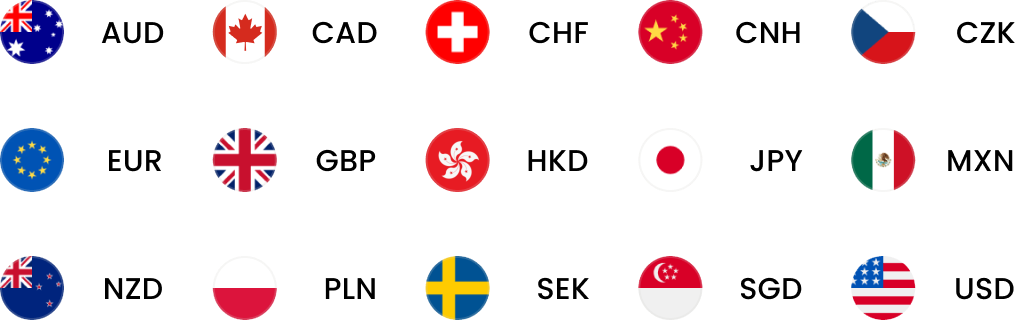
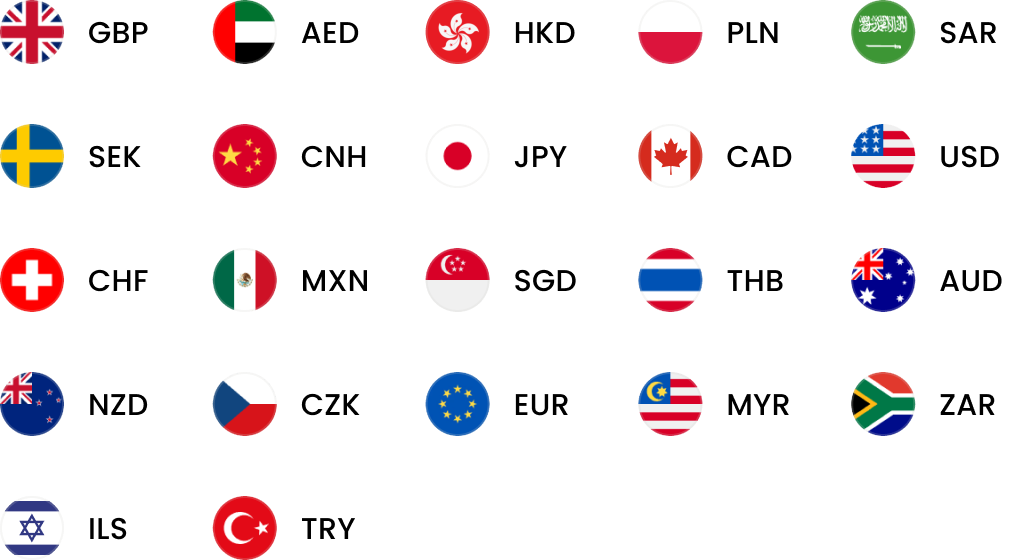
With the WorldFirst World Card, there’s no FX fee when you spend in 15 major currencies from your World Account balance. Converting GBP into one of those currencies costs up to 0.50% (WorldFirst pricing, correct as of 15 October 2026).
For UK-based dropshippers who sell across Shopify, Amazon, and other marketplaces simultaneously, there is a chance that revenue lands in different currencies on different schedules. Converting USD marketplace revenue to GBP and then back to USD to pay a Chinese supplier means paying a conversion spread twice on the same money.
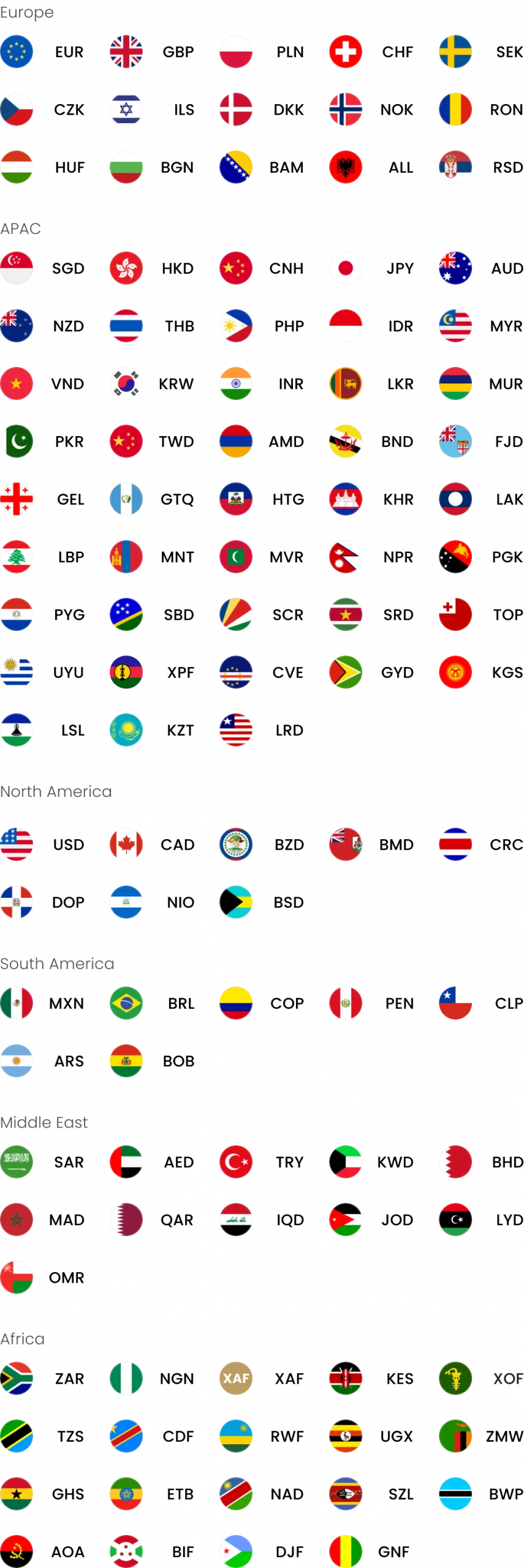
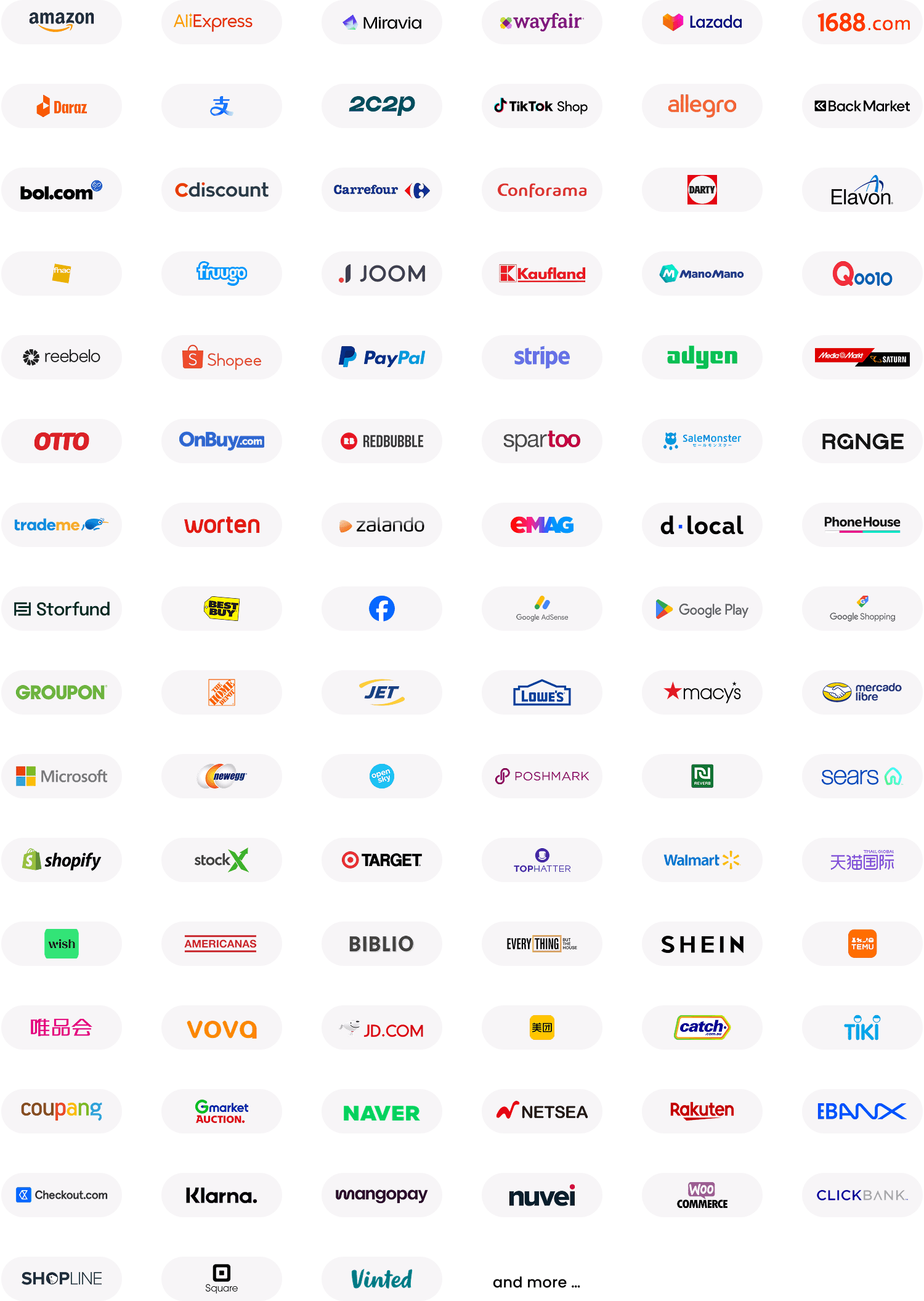
That’s when you need a multi-currency account that can both collect marketplace payouts and pay suppliers from the same balance. WorldFirst’s World Account holds 20+ currencies and collects from 130+ marketplaces which helps you avoid unnecessary conversions when paying Alibaba suppliers, and gives you greater control over your international payments.
How WorldFirst can help
WorldFirst also supports payments to Chinese suppliers, including RMB/CNH payments. You can pay suppliers on 1688.com directly from your World Account balance.
For businesses making regular international payments, WorldFirst can help reduce unnecessary currency conversions and give you greater control over supplier payments.
FAQs
1. Can I dropship from Alibaba to the UK?
Yes. Alibaba has a dedicated Dropshipping Center with suppliers that accept single-unit orders and support store integration, plus a much larger pool of suppliers suited to semi-dropshipping via a small negotiated bulk order and third-party fulfilment.
2. Can I dropship from Alibaba without meeting the MOQ?
Sometimes. MOQ is often negotiable, particularly for a trial order, and Ready to Ship listings can have very low MOQs, sometimes as low as one unit. Always ask the supplier rather than assuming the listed MOQ is fixed.
3. How do I pay Alibaba suppliers from the UK?
Card or digital wallet payments through Alibaba’s own checkout suit samples and small orders. For larger production payments, compare bank transfer against specialist international payment providers on total cost.
4. Do I need an EORI number to import from Alibaba?
Yes, if you’re importing goods for business into England, Scotland, or Wales, you’ll generally need a GB EORI number as part of the standard UK import process.
5. Do I have to pay VAT when dropshipping from Alibaba to the UK?
Usually, yes, but who pays it and when depends on how you set things up.
If you import stock into the UK yourself, you’ll generally pay import VAT when the goods arrive. If you’re VAT-registered, you can usually reclaim it.
If goods are shipped straight from outside the UK to a customer in Great Britain in a consignment worth £135 or less, VAT is charged at the point of sale instead. If you sell through an online marketplace, the marketplace usually charges and accounts for it. If you sell directly through your own store, that’s your responsibility.
The rules differ for Northern Ireland and for higher-value consignments, so check GOV.UK guidance for your setup.
6. Is Alibaba better than AliExpress for UK dropshipping?
AliExpress suits testing a new product with minimal commitment; Alibaba suits scaling a validated product with better margins and branding, provided you can handle the MOQ and longer lead times.
7. What’s the biggest mistake UK sellers make with Alibaba dropshipping?
The biggest mistake UK sellers make is pricing a product based on the Alibaba listing price alone, without calculating its full landed cost. Shipping, duty, import VAT, and clearance fees can all add significantly to the cost before the product has even reached the UK.
Sources
- https://www.aliexpress.com/
- https://www.alibaba.com/
- https://www.shopify.com/
- https://tradeassurance.alibaba.com/
- https://www.worldfirst.com/uk/product/pay/pay-chinese-suppliers/
- https://www.worldfirst.com/uk/pricing/
- https://www.gov.uk/eori
- https://www.gov.uk/trade-tariff
- https://www.gov.uk/guidance/get-your-import-vat-certificates
- https://www.gov.uk/guidance/vat-and-overseas-goods-sold-directly-to-customers-in-the-uk
- https://www.gov.uk/guidance/charging-vat-when-using-an-online-marketplace-to-sell-goods-to-customers-in-the-uk
- https://www.gov.uk/intellectual-property-an-overview
- https://www.gov.uk/government/publications/using-harmonised-standards-to-place-ce-marked-products-on-the-market-in-great-britain-ukca-and-ce-regimes/using-harmonised-standards-to-place-ce-marked-products-on-the-market-in-great-britain-ukca-and-ce-regimes
- https://www.gov.uk/government/publications/toys-safety-regulations-2011/toys-safety-regulations-2011-great-britain
- https://submit.cosmetic-product-notifications.service.gov.uk/
- https://www.gov.uk/government/publications/food-contact-materials-authorisation-guidance
- https://www.gov.uk/government/publications/food-contact-materials-regulations
- https://www.worldfirst.com/uk/product/pay/world-card/
- https://www.1688.com/