



























Here’s how South Asian businesses can transfer money to a China bank account while protecting their margins
Key takeaways
- Transferring money to a China bank account from South Asia involves compliance checks on both sides
- The recipient details required for a successful transfer include the full legal name, bank name and branch, account number, and the SWIFT/BIC code (and often the CNAPS code)
- Pakistan businesses need to meet State Bank of Pakistan (SBP) outward remittance requirements, while Bangladesh businesses need to file Form IMP with supporting import documents through their authorised dealer bank
- A World Account supports outbound CNH payments directly to Chinese bank accounts, with transfers initiated online once the recipient is added and verified.
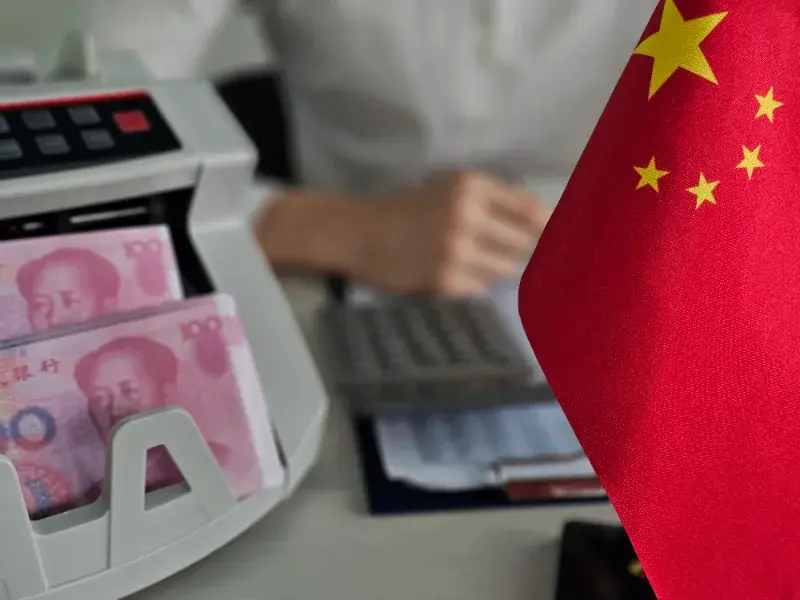
Transferring money to a Chinese bank account from Pakistan or Bangladesh is less about clicking a few buttons and more about getting several things right at once. China’s foreign exchange rules require receiving banks to verify the purpose of international transfers, and South Asia central banks apply strict outward remittance controls on the sending side.
For businesses paying Chinese suppliers, contractors or trading partners, getting the first transfer right avoids delays, follow-up compliance queries and unexpected fees. This guide walks through the full process step by step.
Before you transfer money to a China bank account
Before starting the transfer, gather the recipient’s details in the right format. Mismatches between the information you provide and the recipient’s bank records are one of the most common causes of delays.
Recipient bank details you will need
- The recipient’s full legal name, exactly as it appears on their Chinese bank records. Even small differences in spelling, word order or punctuation can hold up the transfer.
- The name of the recipient’s Chinese bank and the specific branch.
- The recipient’s account number.
- The SWIFT/BIC code of the recipient’s Chinese bank, and in many cases the CNAPS code (China’s domestic bank identification system).
- For personal accounts, the recipient’s Chinese ID number or passport number may also be requested.
Supporting documentation for business transfers
China’s foreign exchange rules require Chinese banks to verify the purpose of larger international transfers. The recipient’s bank may hold the funds until the recipient provides:
- A commercial invoice from the sender (the Pakistan or Bangladesh exporter)
- The underlying contract or purchase order
- Shipping documentation such as a bill of lading or air waybill
- Any other documents relevant to the trade
On the South Asia side, Pakistan businesses need to meet SBP requirements for outward remittances, which typically include an import invoice, the shipping documentation and matching customs records. Bangladesh businesses need to file Form IMP with their authorised dealer bank, supported by the Letter of Credit or contract and the shipping documents.
Methods to transfer money from South Asia to a Chinese bank account
Bank wire transfer (SWIFT)
A bank wire transfer is a traditional cross-border payment sent through the SWIFT network, the global messaging system most banks use to move money between countries. The payment leaves your Pakistan or Bangladesh bank account, travels through one or more intermediary (correspondent) banks that handle the currency routing, and arrives at the recipient’s Chinese bank account where it’s credited after any required conversion.
Remittance providers
Remittance providers are specialised cross-border payment services that handle international money transfers outside the traditional bank wire system. Instead of routing payments through SWIFT, many remittance providers use their own networks or local payment rails on both ends of the transaction, which can reduce the number of intermediary fees and shorten settlement time.
Multi-currency accounts
A multi-currency account is a business account that holds balances in multiple currencies within a single account. Multi-currency accounts that support CNH let businesses hold CNH balances alongside other currencies, send CNH payments directly to Chinese suppliers, and convert between supported currencies on their own timing rather than at each transaction.
Multi-currency accounts are offered by both banks and specialised international payment providers. Features, setup processes, fees and currency support vary significantly between providers.
How to transfer money to a China bank account with a World Account
The World Account is a multi-currency account from WorldFirst that supports outbound CNH payments to Chinese bank accounts. The process has two stages: adding the recipient as a verified payee, then initiating the transfer.
Step 1: Add the recipient as a payee
- Sign in to the WorldFirst dashboard and open the Payees section
- Click Add a new payee in the top-right corner and choose Single payee
- Select Third-party account and pick the account type that matches the recipient’s setup
- Enter the recipient’s country (China) and the currency you are sending in (CNH)
- Fill in the recipient’s bank details, including the account number, SWIFT/BIC code and bank branch information
- Complete verification through the Authy app or by SMS
After verification, the payee is either approved immediately or flagged for review that WorldFirst completes within 24 hours. If additional documents are needed, the request appears in the Payees dashboard.
Step 2: Initiate the transfer
- Go to Payments in the dashboard and click Send & withdraw
- Choose Single payee and pick the Chinese bank recipient from your payee list
- Enter the amount in your funding currency or in CNH, depending on how you want to structure the transfer
- Choose whether to send immediately or schedule for later. Scheduled payments settle at the spot conversion rate applicable at the time of the transfer
- Confirm through the Authy app or by SMS
- Review the transaction summary and click Confirm payment
Once confirmed, CNH transfers typically arrive in the recipient’s Chinese bank account within 1 to 2 business days.
What to check after the transfer
A transfer leaving your account is not the same as a transfer landing in the recipient’s account. A few follow-up checks catch any issues early.
- Confirm the transfer status: Check the WorldFirst dashboard. Most transfers move from pending to completed within 1 to 2 business days.
- Ask the recipient to confirm receipt: The recipient’s Chinese bank will notify them when the funds arrive. If the recipient does not see the funds within the expected window, they may need to provide additional compliance documentation to release the transfer.
- Keep records for compliance: Retain the transfer confirmation, the amount sent, the exchange rate applied and any correspondence with the recipient. Both South Asia central banks and Chinese tax authorities may request evidence of cross-border transactions, particularly for larger amounts.
FAQs
1. How long does a transfer to a China bank account take from South Asia?
SWIFT wire transfers typically take 3 to 7 business days. CNH transfers through a multi-currency account like the World Account usually arrive within 1 to 2 business days once confirmed.
2. What information do I need to send money to a Chinese bank account?
The recipient’s full legal name (as it appears on their bank records), bank account number, bank name and branch, SWIFT/BIC code, and often the CNAPS code. Business transfers also typically require commercial invoices, contracts and shipping documentation.
3. Can I schedule recurring transfers to China?
Yes. Payments can be scheduled through the Send & withdraw section of the World Account dashboard. Scheduled payments settle at the spot conversion rate applicable at the time of the transfer.
This article is intended for informational purposes only and does not constitute legal advice or professional advice. This article should not be regarded as constituting an offer or a solicitation to buy or sell any regulated or financial products or services. WorldFirst makes no representations or warranties regarding the accuracy, completeness, or applicability of the content, and readers are encouraged to consult with legal professionals or other professionals for advice tailored to their specific situation. WorldFirst does not guarantee the accuracy and completeness of this article and expressly disclaims any and all liability to any person in respect of the consequences of anything done or omitted to be done wholly or partly in reliance on this article.