




























AliExpress dropshipping lets you sell products without holding stock. Figure out how to source products, fulfil orders and pay suppliers
Key takeaways
- AliExpress is a global online retail marketplace, connecting businesses and manufacturers with individual buyers worldwide
- AliExpress dropshipping lets sellers list products without holding inventory, with suppliers shipping orders directly to customers
- The World Account by WorldFirst is a multi-currency account for receiving international payments and paying suppliers in multiple currencies
The global dropshipping market reached US$464.4 billion in 2025, with Asia-Pacific holding a 36% share and forecast to grow at a 26.15% CAGR through 2031. AliExpress, a global online marketplace, supports this model by connecting suppliers with buyers worldwide. Its dropshipping model allows entrepreneurs in Pakistan and Bangladesh to test products without buying inventory upfront, with suppliers fulfilling orders after purchase.
This guide explains how AliExpress dropshipping works and how to pay suppliers while protecting margins. It also covers how the World Account, a multi-currency account can be used to receive payments and send payouts to supplies internationally.
What is AliExpress dropshipping?
AliExpress dropshipping is a retail model where sellers market the products without holding inventory. A customer buys through the seller’s store, the seller places the corresponding order with an AliExpress supplier, and the supplier ships directly to the customer.
Alibaba vs AliExpress dropshipping: Which is right for South Asian sellers?
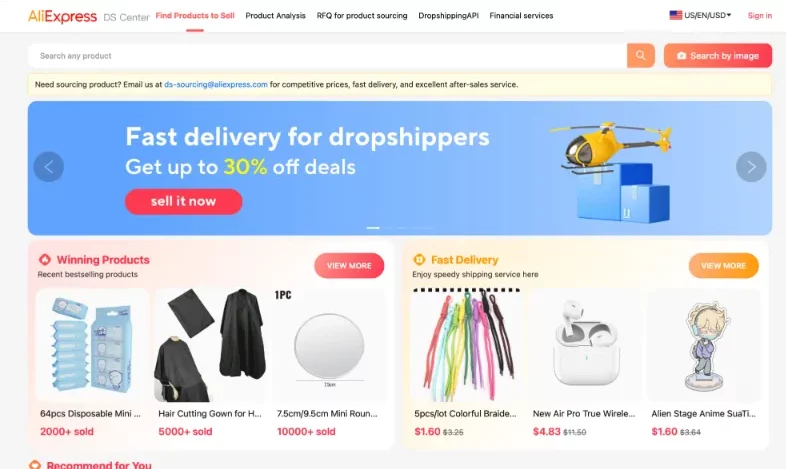
AliExpress and Alibaba serve different purposes, making the choice largely dependent on order volume and business maturity. Overall, AliExpress is generally more suited for dropshipping/testing products because sellers can order individual units without committing to inventory. Unit prices are usually higher, but the lower upfront requirement makes it practical for new dropshippers.
Alibaba, including Alibaba.com and 1688.com, is more suitable when order volumes increase. Wholesale suppliers can offer lower per-unit prices, but minimum order quantities, longer lead times and larger upfront purchases can apply. Private labelling and customised packaging are also more common.
For sellers moving from AliExpress retail sourcing to 1688.com wholesale sourcing, World Pay is the authorised international payment provider for 1688.com through World Pay.
→ Read through the Alibaba dropshipping guide here
How AliExpress dropshipping works
1. Set up an online store: Create a storefront using Shopify, WooCommerce, Wix or another e-commerce platform.
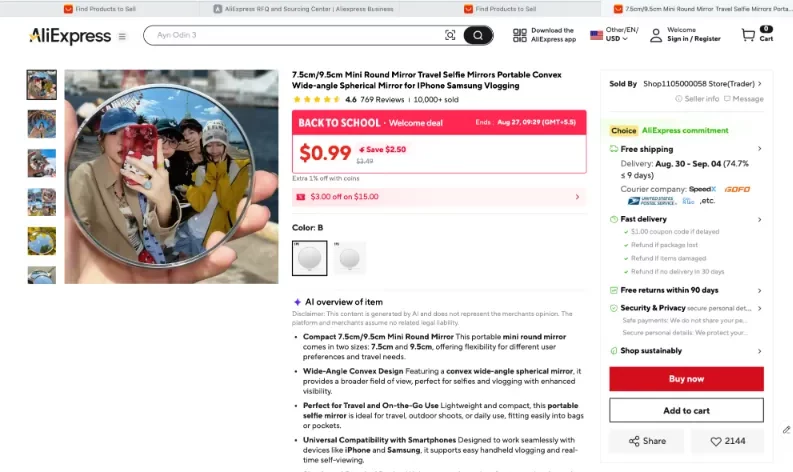
2. Find products and suppliers: Research products on AliExpress or the AliExpress Dropshipping Center and evaluate suppliers.
3. Add products to the store: Import product images, descriptions, variants and pricing, then set the desired retail price.
4. Market the products: Promote listings through social media, Meta Ads, TikTok Ads, Google Ads or other channels.
5. Receive customer orders: Customers purchase products from the store at the listed retail price.
6. Order from the supplier: Place the order with the AliExpress supplier using the customer’s delivery details and pay the supplier.
7. Supplier ships the order: The supplier fulfils the order and ships the product directly to the customer.
8. Manage after-sales support: Track deliveries and handle customer queries, returns, refunds and disputes.
How to start AliExpress dropshipping from South Asia
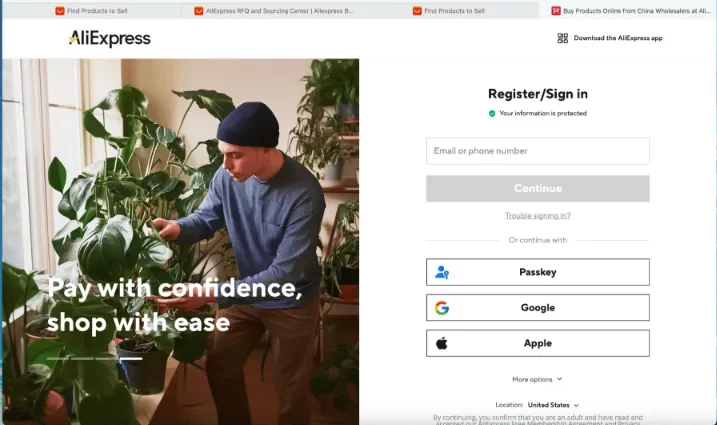
1. Create an AliExpress buyer account
Open a standard AliExpress account, add an international payment method and prepare the delivery details required for each order.
2. Use the AliExpress Dropshipping Center
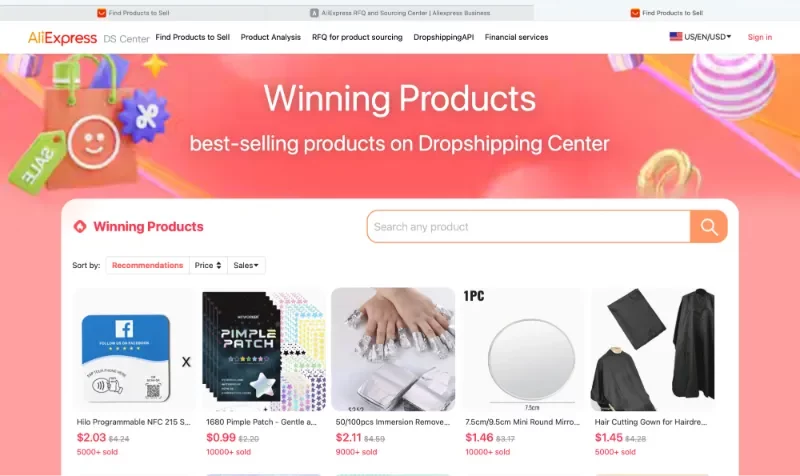
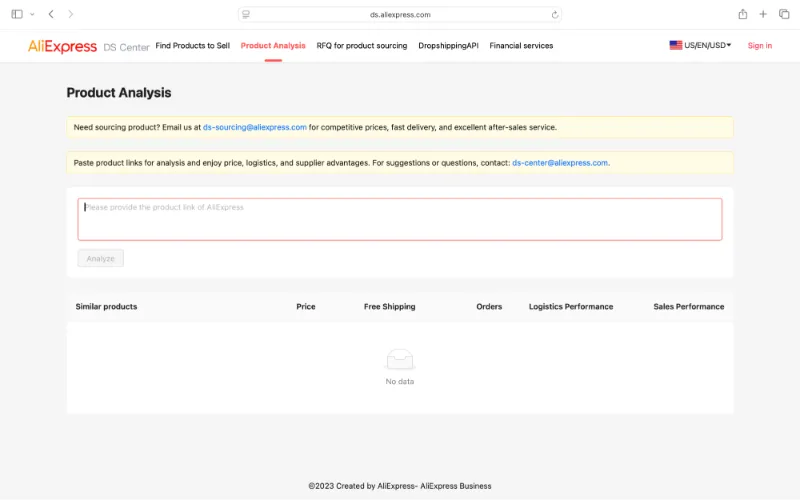
The AliExpress Dropshipping Center provides tools for product research, trending products, order analysis and supplier discovery. Use these features to compare products before adding them to a store.
3. Find and vet AliExpress suppliers
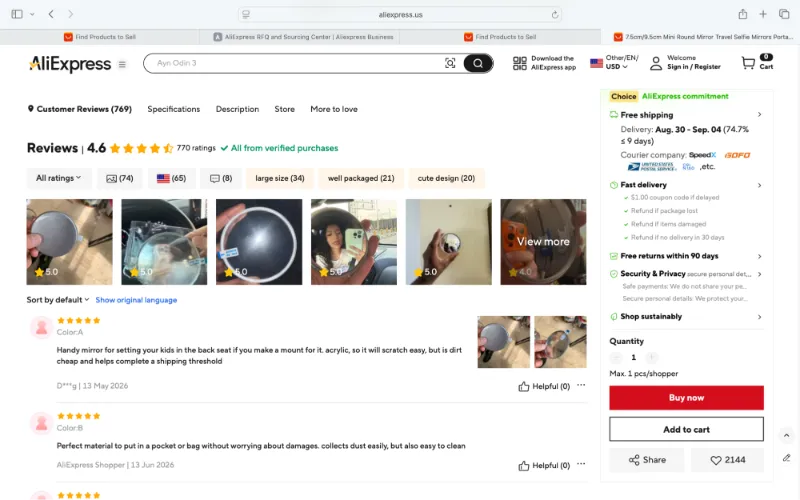
Look for suppliers with ratings of around 95% or higher, a longer trading history and strong product-level order volumes and reviews. Check response times to assess how quickly they handle enquiries, especially for customer issues or disputes. Before listing products, contact shortlisted suppliers to confirm availability, pricing, shipping times and dispute-handling processes.
4. Import AliExpress products
Tools such as DSers, AutoDS and Zopi can connect AliExpress with an online store. They can import product information and help synchronise pricing, inventory and orders.
5. Set retail prices
Build pricing around the product cost, shipping, payment processing, advertising, refunds and currency conversion. A product that appears inexpensive can become unprofitable once these costs are included.
6. Configure fulfilment
When a customer orders, the connected dropshipping tool can route the order to the supplier. The seller pays through AliExpress, while the supplier ships directly to the customer.
How to pay AliExpress suppliers while protecting margins
AliExpress supports credit and debit cards, business accounts and selected regional payment methods, with payments typically made in USD or another supported currency.
Where payment costs can reduce margins
- Currency conversion: Paying a supplier accepting USD from a PKR or BDT balance requires conversion, which may include a markup from the bank or card issuer
- Foreign transaction fees: Some debit and credit cards charge additional fees for international purchases
- Payment processing markups: Some payment providers may apply their own conversion rates or fees to cross-border transactions
- Small order values: Fixed fees can take a larger percentage of low-value dropshipping orders, reducing the margin on each sale
→ Here’s how you can open a business account in South Asia
Ways to reduce payment costs
Sellers can hold USD or CNH where supported and pay suppliers from a matching-currency balance when possible. Making fewer payments can help reduce repeated fixed fees.
A multi-currency business account or business payment card can provide another way to manage international supplier payments, with clearer visibility into conversion and transaction costs. For sellers using WorldFirst, the World Account can hold foreign currencies. The account can also be linked to a virtual card for business, the World Card, for business purchases.
The World Account: Built for global businesses
The World Account by WorldFirst is a multi-currency account designed for businesses handling international payments. For South Asian dropshippers, it can be used to receive customer payments in supported currencies, hold those funds and pay overseas suppliers, helping manage cash flow across currencies.
For example, if a dropshipper receives USD from international customers and needs to pay an AliExpress supplier in USD, the seller can hold the funds in USD. Then, they can use the balance for the supplier payment, avoiding an unnecessary conversion to PKR or BDT and back to USD.
Key features of the World Account
- 15+ supported currencies, including USD, GBP and EUR
- Receive international payments from 130+ payment gateways and marketplaces, including Amazon, Stripe and Etsy
- Send international payments across 200+ countries
- Zero-cost, instant transfers between World Account holders
- Up to 20 multi-currency cards supporting 150+ currencies at no additional cost for eligible business payments
- Pay in 15 supported currencies with the World Card at no additional fee when sufficient funds are held in the matching currency
- World Pay is the authorised international payment provider for payments to Chinese suppliers on 1688.com
→ Here’s the complete guide to source from 1688.com
| Fee | World Account fees |
| Account opening | Zero |
| Monthly account fee | Zero |
| Currency conversion | Zero for payments in 15+ supported currencies (with sufficient balance) |
*Fees checked in August 2026
FAQs
1. How do I find AliExpress dropshipping suppliers?
Use the AliExpress Dropshipping Center and product listings to compare supplier ratings, order volumes, reviews, response times and shipping options. Contact shortlisted suppliers before listing their products.
2. How to set up an AliExpress dropshipping account?
Create a standard AliExpress buyer account, add a suitable payment method and connect the account to a dropshipping tool such as DSers. A separate dropshipping account is generally not required to place supplier orders.
This article is intended for informational purposes only and does not constitute legal advice or professional advice. This article should not be regarded as constituting an offer or a solicitation to buy or sell any regulated or financial products or services. WorldFirst makes no representations or warranties regarding the accuracy, completeness, or applicability of the content, and readers are encouraged to consult with legal professionals or other professionals for advice tailored to their specific situation. WorldFirst does not guarantee the accuracy and completeness of this article and expressly disclaims any and all liability to any person in respect of the consequences of anything done or omitted to be done wholly or partly in reliance on this article.



![Best digital wallets in South Asia [2027]](https://mdn.marmot-cloud.com/worldfirst/sites/50/2026/09/20260914121435747-300x164.webp)