




























Planning to sell on Amazon Australia from New Zealand? Take a look at how you can set your business up for success.
Key takeaways
- It is possible to sell on Amazon Australia from New Zealand. You’ll need an AUD bank account to collect customer payments
- For sellers in New Zealand, Amazon Australia provides a unique opportunity to expand into the Australian market
- You can opt for Fulfilment by Amazon (FBA) and let Amazon manage order fulfilment
- With a World Account, you can open local currency accounts in 15+ currencies, including AUD, USD, NZD, and more
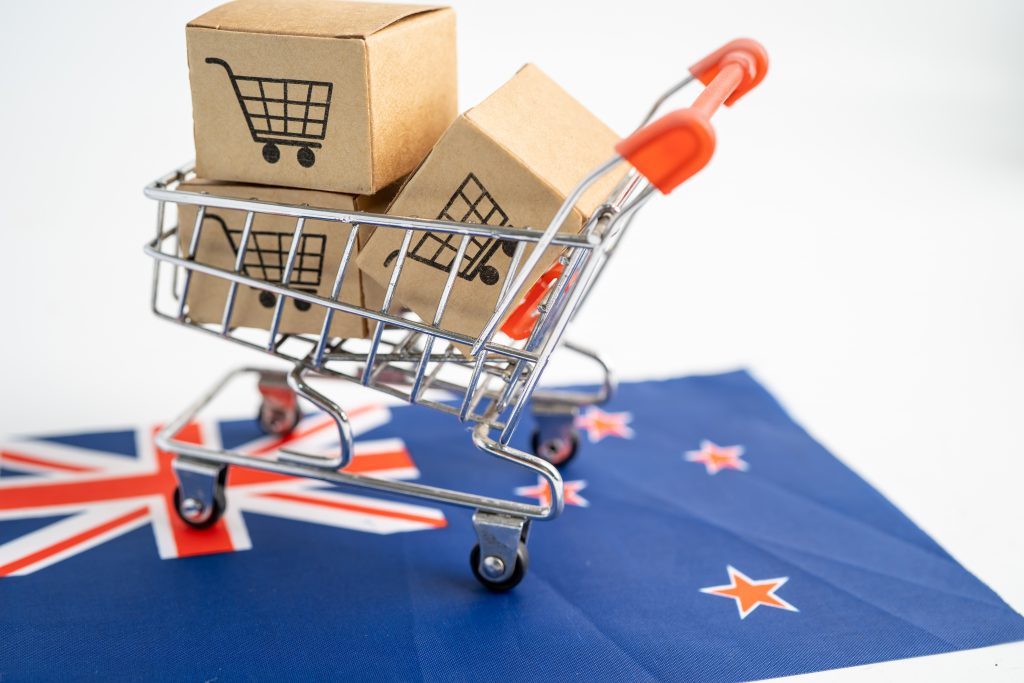
Amazon officially started offering its services in Australia in 2017. It now has six FBA fulfilment centres across Sydney, Melbourne, Perth and Brisbane.
Over 7.9 million Australians above the age of 14 shop on Amazon at least once a year. On average, Amazon AU customers make up to 6 purchases in a year on the platform.
For sellers in New Zealand, Amazon Australia provides a unique opportunity to expand into the Australian market and leverage the existing customer base.
In this guide, we look at everything you need to know about selling on Amazon AU.
Can I sell on Amazon AU from NZ?
Yes, it is possible to sell on Amazon Australia from New Zealand. Amazon allows global sellers to sell on any regional Amazon marketplace as long as they fulfil the seller requirements for that region.
To sell on Amazon Australia, you will have to provide the following information:
- Your business name and personal details
- Credit card details (You will be charged for the monthly selling plan through your credit card)
- An Australian bank account to receive payments
- Other documentation for verification
Why expand to Amazon Australia?
Expand your customer base
Selling on Amazon Australia means reaching millions of new customers. The revenue for Amazon’s online store in Australia rose to $1.57 billion in 2023, up from 1.29 billion in the previous year. Sellers in NZ can start with Amazon AU as their first step towards global e-commerce expansion.
Diversify your product offerings
Amazon Australia supports over 30+ product categories, allowing you to diversify your revenue stream and reduce reliance on a single category.
Leverage Amazon’s fulfilment services
You can opt for Fulfilment by Amazon (FBA) and let Amazon manage order fulfilment while you focus on growing your e-commerce business.
Comparatively less competition
Compared to more established Amazon markets like the US, UK, Germany and Japan, the Australian marketplace still has relatively less competition. NZ sellers can use this opportunity to gain a competitive edge and establish themselves in the market.
Importing goods into Australia
The procedure, regulations and import costs depend on where you import the goods from.
Importing from New Zealand to Australia
As per the Australia-New Zealand Closer Economic Relations Trade Agreement (ANZCERTA), some goods imported from New Zealand can qualify for preferential tariff rates and even be potentially allowed duty-free entry. To qualify for these tariff rates, goods need to fulfill the specific rules of origin.
There are three main preference categories that the goods are divided into:
1. goods that are wholly the produce of the country
2. goods that are wholly manufactured in the country from:
- unmanufactured raw products (of any country)
- materials that are wholly manufactured in AU, NZ, or both
- materials determined to be raw materials of the country
3. goods partly manufactured in the country
- The last manufacturing process must be performed by a manufacturer based in New Zealand or Australia
- Not less than 50% of the factory cost should represent the total qualifying expenditure
Importing from China
As per the China-Australia Free Trade Agreement (ChAFTA), tariffs have been removed on over 82% (by value) of imported goods from China to Australia. It is still advisable to check if your products qualify for duty relief before you decide to ship them.
If you are sourcing products from China, you can get the products shipped directly to Amazon FBA warehouses and fulfil customer orders directly.
Steps to sell on Amazon AU
1. Decide what to sell
Before anything, you need to decide what you want to sell. Here are a few ways you can conduct product research:
- Search analysis: Use tools like Helium 10 and JungleScout to get in-depth data about profitable product categories and low-competition keywords.
- Amazon best sellers: Look into Amazon’s best sellers list for every category to get intel on the successful products
- Social media: Look for trending products on Instagram, TikTok and YouTube to check if they are worth selling online
- Reviews: Check the number of product listings and reviews for each popular or trending product. If there are thousands of reviews and listings, you might be in a too-competitive niche
- Cost: Check the estimated wholesale price of products to calculate your profit margins
- Restricted products: Make sure you are not trying to sell any product on Amazon’s restricted product list
2. Find suppliers to source products
The next step is finding suppliers to source the products you want to sell. You can choose to find a supplier in Australia, New Zealand, China, the US, or other countries.
Here are the different types of suppliers you can consider for selling products on Amazon:
| Investment | Profit | |
|---|---|---|
| Manufacturers | 💲💲💲 | 💰💰💰 |
| Wholesalers | 💲💲 | 💰💰💰 |
| Dropshipping | 💲 | 💰💰 |
Manufacturers
They manufacture products themselves, allowing you to get low-priced, unique, and made-to-order products.
Best suited for: Experienced online sellers who want to offer unique products to their customers
Downside: High minimum order quantity, upfront capital requirement and longer delivery timelines since products are made-to-order
Wholesalers
Wholesalers purchase goods in large quantities from manufacturers and keep them in stock to sell them directly
Best suited for: Sellers who want quicker delivery, low MOQ and a wide product range
Downside: Limited control over product quality and customization
Dropshipping
A dropshipping agent handles the entire product sourcing and order fulfillment process on your behalf. You pay them a fixed commission for every order.
Best suited for: Sellers who want to start with limited investment and don’t want to manage product inventory or shipping
Downside: Margins are low and you don’t get to check the product quality before orders are shipped to customers
→ Take a look at our guide on how to set up AliExpress dropshipping
3. Create an Amazon seller account
If you already have a customer account, you can use it to start selling or set up a new seller account.
When signing up as an Amazon seller, you’ll be required to provide information, including your email address, government ID (for verification), tax information, phone number and bank account details.
4. Choose a selling plan and calculate costs
You’ll also need to choose a selling plan. The right plan will depend on how many units you predict you can sell in a month. If you are a new seller on Amazon, you can start slow with the individual plan and upgrade when you are ready to sell more.
Remember that this is just the fixed monthly fee for listing your products on Amazon. You’ll have to consider other fees charged by Amazon, including:
- Inventory storage fee
- Referral fee
- Fulfillment fee (whether you are fulfilling orders yourself or taking Amazon’s help)
- Long-term storage fee
- Removal order fee
You can also use Amazon’s revenue calculator for real-time cost comparisons and estimates for different product categories.
Apart from these, you should also consider indirect costs like:
- Shipping costs
- Customer support costs (if you fulfilling the orders yourself)
- Marketing costs
- International transfer fees and conversion costs (you’ll collect payments in AUD and would need to transfer them to NZD)
- Taxes and duties
List your products on Amazon
The product detail page on Amazon is where customers can find relevant information and decide whether they want to make a purchase.
If you are selling a product already listed on Amazon, you won’t have to create a new listing from scratch since Amazon doesn’t want duplicate product listings. Instead, you can find the listing of the product you want to sell and add your offer to it.
For an existing listing, you can’t change anything directly apart from your price and fulfilment method. If you think any of the listing information is incorrect or want to add supplemental information, you can request Amazon to make the changes.
If you are listing a new product, start by identifying the main keywords that your target customers use to find that product on Amazon. Focus on the three major components when building a product listing – title, product descriptions and product photos.
Shipping and fulfilment
You need to consider two shipping processes here: Getting goods from the supplier’s factory or warehouse and shipping goods to customers to fulfil orders.
For the first part of the process, you can consider partnering with an international freight forwarder if your supplier is outside Australia. To avoid international shipping costs, you can also partner with a supplier in Australia–although the wholesale product costs may be higher.
For the second part, there are two ways to fulfil customer orders:
- Fulfilment by Merchant (FBM): As a seller, you’re responsible for managing inventory, packaging and labelling products, fulfilling customer orders and offering customer support
Best for: Sellers who already have a logistics network in place and want to keep tighter margins
- Fulfilment by Amazon (FBA): You ship products in bulk to Amazon fulfilment centres and from there, Amazon is responsible for storing, packaging, labelling and fulfilling orders. Amazon also manages customer support. A big advantage is that FBA listings get a ‘Prime’ tag.
Best for: Sellers who want to focus on building their business and don’t mind losing small percentage of their profit margins in the form of FBA fees
Simplify international transactions with WorldFirst
All sellers on Amazon Australia are required to have an Australian bank account to collect payments in AUD.
Instead of going through the hassle of setting up multiple accounts and combing through excessive paperwork, you can sign up for a World Account.
With a World Account, you can open local currency accounts in 15+ currencies, including AUD, USD, GBP, EUR, JPY, CNH, HKD and more. Each account is opened in your business’s name and you get a unique account number for it.
You can open an AUD account and use it to collect payments from Amazon. You can then use the collected funds to pay your shipping partners in Australia or repatriate the funds to your bank account at any time at competitive exchange rates.
When you are already working on strict profit margins, you need an international payment provider like WorldFirst to make fast, secure and reliable international transfers.
With a World Account, you can:
- Build supplier relationships: Pay suppliers, shipping partners and tax authorities in 40+ currencies
- Cater to a global customer base: Collect payments from 100+ marketplaces including Amazon, eBay, AliExpress and Stripe
- Protect your profit margins: Get access to competitive exchange rates every time. You can also lock-in exchange rates for up to 12 months through forward contracts
Disclaimer: The information contained is general only and largely our views. Before acting on the information you should consider whether it is appropriate for you, in light of your objectives, financial situation or needs. Although information has been obtained from and is based upon multiple sources the author believes to be reliable, we do not guarantee its accuracy and it may be incomplete or condensed. All opinions, estimates, mentioned products/services and referenced material constitute the author’s own judgement as of the date of the briefing and are subject to change without notice. WorldFirst shall not be responsible for any losses or damages arising from your reliance of such information.