




























Learn how a certificate of conformance ensures smooth customs clearance and guarantees your products meet all regulatory standards
Key takeaways
- A certificate of conformance (COC) verifies your products meet necessary safety and quality standards for smooth customs clearance.
- COCs help prevent product returns, avoid legal issues and enhance customer satisfaction and brand reputation.
- COCs are issued by authorised agencies, manufacturers, or independent testing labs, ensuring product compliance.
- COCs and certificates of analysis (COAs) differ: a COC ensures compliance, while a COA includes detailed lab test results and specs.
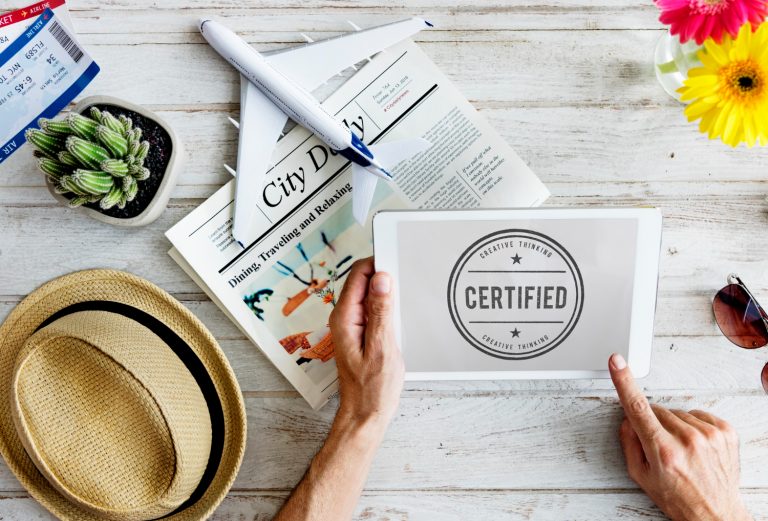
When you source products from overseas, it’s necessary to have all your documentation in place for a smooth customs clearance process. Your documentation should clearly indicate that the products you are importing meet the required safety and quality requirements set forth by the industry and the regional government.
A certificate of conformance (COC) for your sourced goods proves that the products have undergone required testing and verification by authorised parties. It certifies that the products comply with all the necessary standards and requirements.
In this blog, we look at what COC is, what it includes and who can provide you with one.
What is a certificate of conformity (COC)?
A certificate of conformance (COC) is a document issued by authorised agencies that attests that the goods meet all the required specifications or standards. Sellers often ask for a certificate of conformance before the products are purchased and shipped for verification. Many countries also require certificates of conformity at customs clearance.
Without the certificate, there would be no way to prove the products are safe enough to be sold. As a result, the product can get stuck at customs or even returned in some cases. Manufacturers can find it challenging to sell wholesale products across different countries when they don’t have a COC.
A COC also gives sellers confidence that the goods they are importing follow the required regulatory standards.
Here are some of the major ways a certification of conformance can help businesses:
- Preventing product returns and quality issues
- Avoiding any legal issues due to non-compliance
- Reducing order returns and improving customer satisfaction
- Enhancing overall brand reputation and recall value
- Gaining a competitive advantage in the already fierce market
- Seamlessly managing customs clearance process
What is the purpose of a certificate of conformance?
When you source a product from an overseas supplier and sell it to customers in different countries, you become liable for any product issues that customers face. Since you’re the seller, you are responsible for the product’s quality and safety.
Issues with the product can lead to customer dissatisfaction, order returns and impact on your brand. Severe issues with product safety and quality can even lead to legal actions against your business.
Getting products with a certificate of conformance (COC) gives you written proof that the products you are sourcing conform to all the required regulatory requirements. While it gives you confidence as a seller that you’re offering high-quality products to your customers, it also tells the regulatory authorities and customs agents that your product conforms to regional standards.
With a COC, the inspection process speeds up and you can place your products on different markets on time, directly affecting your sales and profitability.
Who provides a certificate of conformance?
A government agency, authorised third-party or personnel usually issues the certificate of conformance. The authorised personnel can be the manufacturer themselves or even an independent laboratory that conducts product testing and provides certifications to prove compliance.
The exact agency or party that issues the certification will depend on the country of origin and the regions where you plan to sell. It’s always a good idea to discuss this with your manufacturers before you even place an order.
What does the COC include?
Here are the main elements usually included in a certificate of conformance. If you are getting one, make sure your COC has all of these listed:
Product identification
The COC should include complete identification information about the product, including its description, purchase order number, serial number and any other information.
Manufacturer identification
The COC should also include the name and information of the manufacturing company, including the business’s full legal name, registered business address, email and phone number.
List of regulations
The COC should include the list of all regulations, rules, compliances and safety guidelines that the product meets.
Time stamps
The date and location of manufacture should be clearly stated on the COC. In case there are additional dates and locations of third-party or offsite testing, those should also be included in the COC.
Third-party identification
This includes the details of the company that issued the certificate. In case a third-party inspector was responsible for issuing the certificate, their name, address, number and other details should be added to the certificate.
What is the difference between a certificate of conformance (COC) and certificate of analysis (COA)?
The main difference between a COC and a COA is that the COC is issued by the manufacturer or a regulatory authority and the COA is usually issued by a testing agency or lab that’s responsible for the overall quality control and quality assurance.
A certificate of analysis or COA is documentation that includes the results of the laboratory tests done on a product. A COA usually includes information about product batch numbers, testing parameters, test measurements and design specs of the product. It is stricter and more detailed than a COC, as the COC only provides details about the testing conducted and whether the product passed or not.
Pay your suppliers and shipping partners with WorldFirst
WorldFirst is a global payment provider that makes paying suppliers, shipping partners and tax authorities easy. You can make fast, secure and reliable international transfers in 90+ currencies across 130 countries and regions.
WorldFirst offers competitive exchange rates and lets you lock in exchange rates through forward contracts
Disclaimer: The information contained is general only and largely our views. Before acting on the information you should consider whether it is appropriate for you, in light of your objectives, financial situation or needs. Although information has been obtained from and is based upon multiple sources the author believes to be reliable, we do not guarantee its accuracy and it may be incomplete or condensed. All opinions, estimates, mentioned products/services and referenced material constitute the author’s own judgement as of the date of the briefing and are subject to change without notice. WorldFirst shall not be responsible for any losses or damages arising from your reliance of such information.