


















About WorldFirst
Resources
More brands of Ant International
We provide coverage in South Asia and Middle East: servicing 210+ countries and territories.

WorldFrist Home > Blog > Importing from China > How to send supplier payments to China in USD
Paying Chinese suppliers in USD? Learn how to avoid hidden fees, payment delays, and the most common mistakes when sending money to China
Key takeaways

Many Chinese suppliers prefer to be paid in USD, but sending USD to China isn’t always straightforward or cost-effective.
Traditional international transfers often involve intermediary banks that take a cut along the way, delay settlements, and make it hard to trace where your money is. You may end up paying more than expected, waiting longer than planned, and dealing with frustrated suppliers who won’t ship until the funds arrive.
WorldFirst helps businesses make fast and secure USD payments to China. With a World Account, you can send USD directly to your supplier’s account, minus the delays and banking friction.
In this blog, we’ll break down the common challenges of paying suppliers in the US and how WorldFirst simplifies this process.
Many Chinese suppliers now prefer payments in USD rather than RMB. And this isn’t just a random choice, it’s tied to how global trade works and how Chinese businesses handle exports.
For buyers, paying in USD can also bring a few unexpected advantages.
If you’re importing from China and planning to pay your suppliers in USD, there’s a common, but often overlooked challenge that can complicate the process: intermediary banks.
When you make an international USD transfer using the SWIFT network, the funds often don’t go straight from your account to your supplier’s. Instead, they pass through one or more intermediary banks. These are third-party institutions that help facilitate the transfer behind the scenes.
For small businesses and new importers, this can create several problems:
So, why does this happen?
Unlike domestic payments which are settled directly between banks, international USD payments often take a more complex route through correspondent banks. And while this network is essential for moving funds across borders, it’s also largely invisible to the sender, making it hard to predict costs and timelines.
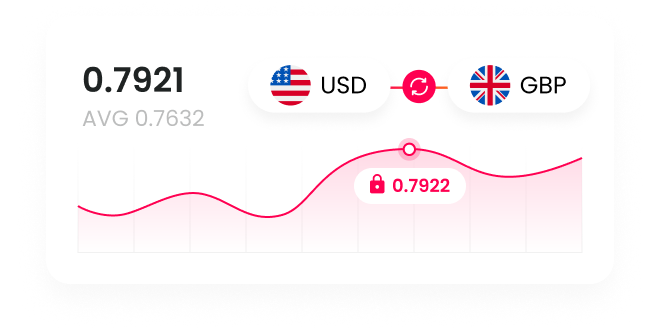
WorldFirst makes it easier and cost-effective to pay Chinese suppliers in USD. With competitive exchange rates (up to 0.6% for major currencies), you can hold USD in your multi-currency World Account, lock in exchange rates in advance, and make same-day or next-day transfers (depending on cut-off times). It’s a fast and transparent alternative to traditional international bank transfers.
Here’s how to send payments to your supplier’s CNH account in Mainland China via WorldFirst:
1. Add your supplier’s account as a payee

2. Specify the nature of services provided by your supplier

3. Complete verification
4. Initiate the payment
5. Enter the transfer amount
6. Review and confirm the transfer
By using WorldFirst, you can simplify USD payments to Chinese suppliers, avoid hidden bank fees, and maintain a smooth sourcing workflow.
Disclaimer: The information contained is general only and largely our views. Before acting on the information you should consider whether it is appropriate for you, in light of your objectives, financial situation or needs. Although information has been obtained from and is based upon multiple sources the author believes to be reliable, we do not guarantee its accuracy and it may be incomplete or condensed. All opinions, estimates, mentioned products/services and referenced material constitute the author’s own judgement as of the date of the briefing and are subject to change without notice. WorldFirst shall not be responsible for any losses or damages arising from your reliance of such information.
Based in Sydney, Jim is responsible for the WorldFirst business across Australia and New Zealand. He brings with him over 25 years of experience helping Business Owners, CFO’s and Treasury Managers overcome the challenges with cross border payments and navigating volatile foreign exchange markets.
Jim Vrondas
Author
Choose a product or service to find out more
© 2026, Ant International or its affiliates