


























Not every business transaction comes with an e-Invoice issued by the supplier. In certain situations, Malaysian businesses must issue a self-billed e-Invoice to meet Inland Revenue Board of Malaysia (LHDN) requirements.
Knowing when self-billing applies is especially important for businesses dealing with overseas suppliers, as the rules and due dates can vary by transaction type.
In this guide, you’ll learn Malaysia’s self-billed e-Invoice requirements, which transactions require self-billing, the deadlines for imported goods and services, and how to issue a self-billed e-Invoice through MyInvois.
Key Takeaways
- The buyer issues a self-billed e-Invoice in specific situations prescribed by LHDN, including certain transactions with foreign suppliers.
- Self-billing may also apply to specified transactions involving agents, dealers, distributors, certain e-commerce transactions, profit distributions, and interest payments.
- Self-billed e-invoice due dates vary by transaction type. Imported goods and imported services follow different timelines.
- Businesses must submit self-billed e-Invoices through MyInvois or an integrated system when required, and retain validated records and supporting documents.
- Failing to meet self-billing obligations may result in penalties under the Income Tax Act 1967, subject to applicable relief and disclosure arrangements.
- WorldFirst supports payments to overseas suppliers, multi-currency management and payment-record reconciliation to help Malaysian businesses manage international transactions.
What Is a Self-Billed E-Invoice in Malaysia?
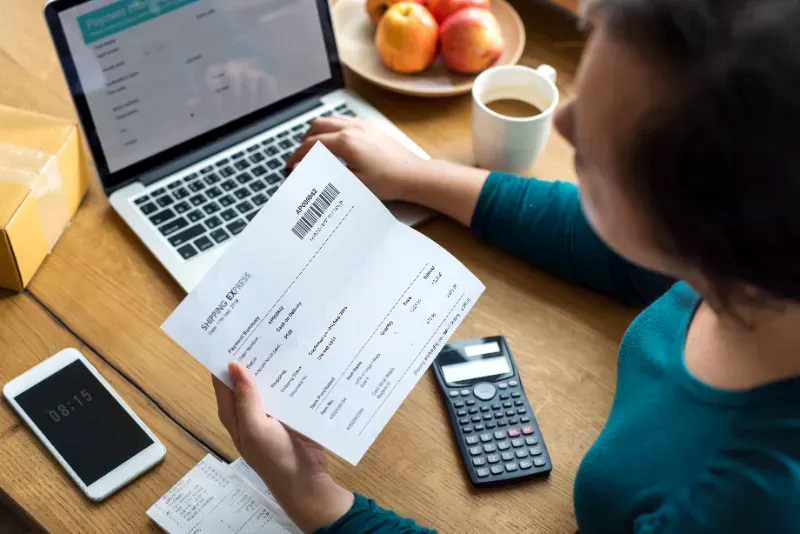
A self-billed e-Invoice is an e-Invoice that the buyer issues instead of the supplier in specific situations prescribed by the Inland Revenue Board of Malaysia (LHDN). Unlike a regular e-Invoice, which the supplier issues to record a sale, the buyer issues a self-billed e-Invoice to document an eligible transaction, such as certain purchases from foreign suppliers.
What Counts as an E-Invoice?
An e-Invoice is a structured digital record of a transaction submitted to LHDN for validation through MyInvois. Depending on the transaction, the supplier or an authorised buyer issuing a self-billed e-Invoice submits the document. It contains structured transaction details, such as supplier and buyer information, items, quantities, and amounts. For a self-billed e-Invoice, the buyer prepares and submits this record instead of the supplier when LHDN rules require it.
When Is a Self-Billed E-Invoice Required?
Malaysian businesses must issue self-billed e-Invoices for specific transactions prescribed by the Inland Revenue Board of Malaysia (LHDN). The requirements vary by transaction type, so it is important to identify which rules apply to your business.
Self-Billed E-Invoices for Foreign Suppliers
Malaysian businesses purchasing goods or services from foreign suppliers may need to issue a self-billed e-Invoice under LHDN rules. The requirements and deadlines depend on the transaction type. Businesses should check the latest guidelines to determine when self-billing is required rather than assume every overseas purchase qualifies.
Learn more: Best way to pay overseas suppliers from Malaysia
Other Transactions That Require Self-Billing
Besides foreign-supplier transactions, the Inland Revenue Board of Malaysia (LHDN) requires self-billed e-Invoices for other specified transactions. These include payments to agents, dealers, and distributors; certain e-commerce transactions; profit distributions; and specific interest payments. Requirements vary by transaction category, so businesses should refer to the latest LHDN e-Invoice Guidelines to confirm when self-billing is required.
What Is the Due Date for a Self-Billed E-Invoice?
For imported goods, issue the self-billed e-Invoice by the end of the second month after the month customs clearance is obtained. For imported services, issue it by the end of the month after payment is made or the supplier’s invoice is received, whichever comes first.
| Transaction type | Submission deadline | Example |
| Imported goods | By the end of the second month following the month in which customs clearance is obtained. | Goods clear customs on 14 November 2026. Deadline: 31 January 2027. |
| Imported services | By the end of the month following the earlier of the month in which payment is made, or the foreign supplier’s invoice is received, subject to the applicable rules. | Invoice received on 3 November 2026; payment made on 20 December 2026. November comes first. Deadline: 31 December 2026. |
What Happens If You Fail to Issue a Self-Billed E-Invoice?
Malaysian businesses that are required to issue a self-billed e-Invoice should follow LHDN’s reporting requirements and applicable deadlines. Failing to issue one when required may constitute an offence under Section 120(1)(d) of the Income Tax Act 1967.
The prescribed penalty can include a fine of RM200 to RM20,000, imprisonment for up to six months, or both, depending on the circumstances.
However, LHDN has introduced transitional and voluntary disclosure arrangements that may affect how it treats non-compliance. For example, the e-Invoice Special Voluntary Disclosure Programme runs until 31 December 2027, subject to its eligibility conditions. Businesses should check the latest LHDN e-Invoice Specific Guideline and applicable relief measures before determining their position.
Self-Billed E-Invoice Examples for Malaysian SMEs
The following examples show when a Malaysian business may need to issue a self-billed e-Invoice and how the deadline is determined. The figures are illustrative only. Whether self-billing applies depends on the transaction and the latest LHDN requirements.
Example 1: A Malaysian retailer imports goods from China
A Malaysian retailer purchases RM10,000 worth of goods from a supplier in China. If the transaction falls within LHDN’s self-billing requirements, the retailer must issue a self-billed e-Invoice. The applicable deadline depends on the month the goods clear customs.
For example, if customs clearance occurs in March 2026, the deadline would be 31 May 2026 if the current applicable LHDN rule confirms the end of the second following month.
Example 2: A Malaysian SME purchases services from an overseas provider
A Malaysian company pays an overseas software consultant RM3,000 for eligible services. If the transaction requires self-billing, the company must determine the deadline based on the applicable rule for imported services, considering when payment is made and when the supplier’s invoice is received.
For example, if payment is made in April 2026 and the supplier’s invoice is received in May 2026, the relevant date for calculating the deadline would be April 2026, subject to the applicable LHDN rules.
Example 3: A business pays commission to a local sales agent
A Malaysian distributor pays a local sales agent RM2,000 in commission. Certain monetary payments to agents, dealers and distributors fall within LHDN’s self-billing categories. The distributor should check the relevant eligibility requirements and issue a self-billed e-Invoice if the transaction qualifies.
These examples are illustrative, not tax advice. Confirm the applicable categories and deadlines in Section 8 of the latest LHDN e-Invoice Specific Guideline, Version 4.9
How to Issue a Self-Billed E-Invoice Through MyInvois
Malaysian businesses can issue a self-billed e-Invoice through the MyInvois Portal or an integrated system when LHDN requires it. The following steps explain what to gather and how to submit the e-Invoice for validation.
Information to Prepare Before Issuing
Before you learn how to do a self-billed e-Invoice, gather the relevant details and supporting records.
- Supplier details: supplier’s legal name, address, country, and applicable tax or identification number.
- Buyer details: your business name, Tax Identification Number (TIN), registration number, and address.
- Transaction details: description of the goods or services, quantity, unit price, total amount, currency, and transaction date.
- Supporting documents: the supplier’s invoice, purchase order, payment records, and, for imported goods where applicable, customs documentation.
- Reference details: an internal invoice number and any additional information required for the transaction type.
Submit and Validate the E-Invoice
Follow these steps to issue a self-billed e-Invoice through MyInvois.
- Sign in to MyInvois: access the portal and select the relevant taxpayer profile.
- Create a self-billed e-Invoice: choose the appropriate self-billed document type and enter the supplier, buyer, and transaction details.
- Check the information: confirm that mandatory fields, amounts, currency, and supporting references are correct.
- Submit for validation: submit the document through the available portal workflow or your integrated system. MyInvois checks submitted documents against its validation rules.
- Check the validation result: if the document is rejected, review the error message, correct the relevant details, and resubmit.
- Retain the validated record: save the validated e-Invoice and related transaction documents for accounting and recordkeeping.
For the current technical requirements, refer to the official MyInvois document validation rules and the LHDN e-Invoice Specific Guideline, Version 4.9. Requirements and deadlines vary by transaction category, so confirm them before submission.
How WorldFirst Supports Malaysian Businesses Paying Overseas Suppliers
When self-billing applies to overseas purchases, businesses must report e-Invoices separately from supplier payments. WorldFirst supports payments with multi-currency accounts and international transfers, helping businesses manage supplier payments and reconcile them with transaction records.
- Payments to Overseas Suppliers: WorldFirst supports international supplier payments in supported currencies and destinations, with payment tracking to help businesses manage their transactions.
- Multi-Currency World Account: Manage funds in multiple currencies and use supported currency balances to pay overseas suppliers, potentially reducing unnecessary conversions when receiving and paying in the same currency.
- China and 1688.com Integration: Pay eligible Chinese suppliers through World Pay for 1688.com, designed for purchases made on 1688.com.
- Foreign Exchange (FX) and Hedging Tools: Use Spot Contracts and Firm Orders to manage currency conversions and plan future foreign-currency payments.
- Using International Sales Proceeds: Collect revenue from 100+ global marketplaces and 30+ payment gateways in supported foreign currencies. Where supported, use eligible foreign-currency balances to pay overseas suppliers before converting the remainder into MYR.
- Payments into China: Use WorldFirst’s China payment solution to make international payments to eligible Chinese suppliers.
Open a WorldFirst account to simplify international payments to your overseas suppliers.
FAQs
1. What is a self-billed e-Invoice in Malaysia?
A self-billed e-Invoice is issued by the buyer instead of the supplier in specific situations prescribed by the Inland Revenue Board of Malaysia (LHDN). It records eligible transactions through the MyInvois system.
2. When is a self-billed e-Invoice required?
It depends on the transaction type. LHDN requires self-billed e-Invoices for specified transactions, including certain purchases from foreign suppliers, payments to agents, dealers and distributors, and other categories outlined in its e-Invoice Specific Guideline.
3. What is the self-billed e-Invoice due date for imported goods and services?
The deadline depends on the transaction type. For imported goods, it is generally the end of the second month following the month of customs clearance. For imported services, the applicable deadline is generally the end of the month following the earlier of the month of payment or receipt of the supplier’s invoice, subject to LHDN’s rules.
4. What happens if I fail to issue a required self-billed e-Invoice?
Failure to meet the applicable requirements may result in penalties under Section 120(1)(d) of the Income Tax Act 1967. Businesses should consult the latest LHDN guidelines for applicable penalties, transitional relief, and disclosure arrangements.
5. How can businesses manage overseas supplier payments alongside e-Invoice records?
When a self-billed e-Invoice is required for an overseas purchase, businesses need to manage both invoicing records and supplier payments. WorldFirst supports international supplier payments, multi-currency accounts, and payment tracking to help businesses reconcile payments with their transaction records.
6. Can WorldFirst help with self-billed e-Invoices?
Not directly. WorldFirst doesn’t issue or submit e-Invoices, so you’ll still do that in MyInvois. What WorldFirst handles is the payment side: paying overseas suppliers, holding multiple currencies, and tracking each payment. That gives you the payment records you need to match against your self-billed e-Invoices.
Sources:
- https://sdk.myinvois.hasil.gov.my/types/
- https://www.hasil.gov.my/wp-content/uploads/lhdnm-e-invoice-general-faqs.pdf
- https://www.hasil.gov.my/en/perundangan/garis-panduan/
- https://sdk.myinvois.hasil.gov.my/documents/self-billed-invoice-v1-1/
- https://sdk.myinvois.hasil.gov.my/document-validation-rules/
- https://www.hasil.gov.my/e-invois/rujukan-pelaksanaan-e-invois/garis-panduan/
- https://www.worldfirst.com/my/product/pay/