





















TikTok Shop allows Malaysian businesses to sell products through videos, livestreams and creator partnerships. Dropshipping is one e-commerce model sellers may consider, as it involves working with suppliers to manage product storage and fulfilment rather than holding inventory themselves.
However, TikTok Shop Malaysia has specific policies governing dropshipping and order fulfilment. Before starting, sellers need to understand these restrictions, supplier requirements, registration procedures and selling costs.
This guide covers how TikTok Shop dropshipping works in Malaysia, platform policies, product selection, supplier sourcing and payment options for Malaysian sellers.
Key Takeaways
- TikTok Shop Malaysia has specific dropshipping restrictions. Sellers must follow its Platform Abuse Policy and comply with the platform’s shipping and fulfilment requirements.
- Choosing the right products requires researching market demand, competition, product quality and potential profit margins.
- Reliable suppliers are essential to maintain product quality, stock availability, and timely order fulfilment.
- Setting up a TikTok Shop involves seller registration, identity or business verification, product listing and bank account linking.
- Sellers should account for product sourcing, commission, transaction, Platform Support, shipping and marketing fees when calculating profitability.
- TikTok videos, livestreams, affiliate creators and promotional campaigns can help sellers reach customers and drive sales.
- Malaysian sellers sourcing products overseas can use WorldFirst to manage multiple currencies, receive payouts from supported marketplaces and pay international suppliers.
What Is TikTok Shop Dropshipping and How Does It Work?
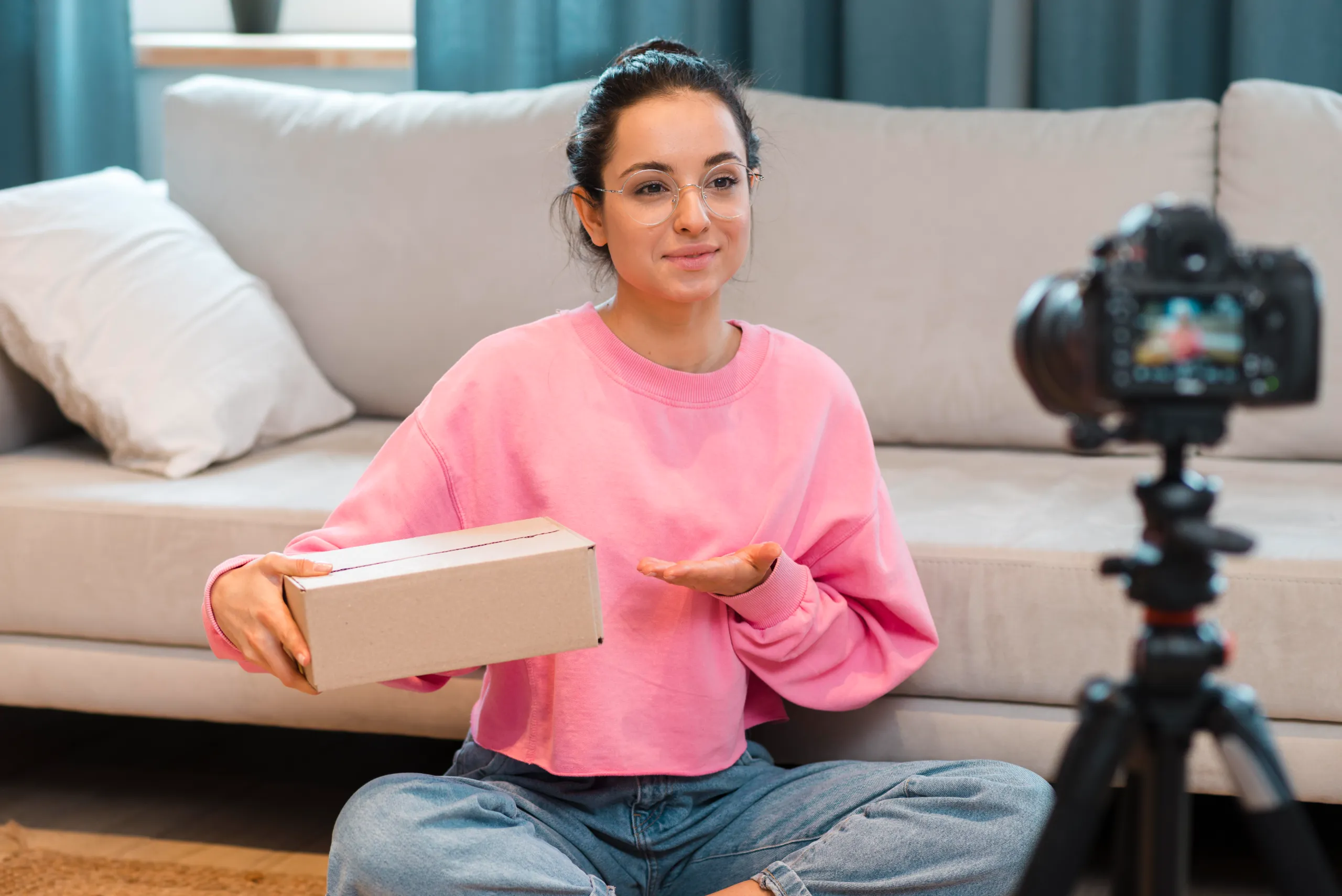
TikTok Shop dropshipping is an e-commerce business model where sellers list products on TikTok Shop and work with third-party suppliers to manage inventory and fulfilment. Instead of storing products themselves, sellers rely on suppliers to handle storage, packing, and shipping, while they manage product listings, pricing, promotions, and customer service.
A typical arrangement involves three parties.
- Seller: Lists products on TikTok Shop, sets prices, manages orders and handles customer enquiries.
- Supplier: Provides products, maintains inventory, packs orders and handles shipping.
- Customer: Discovers products on TikTok Shop and places an order.
In a typical dropshipping process, the seller finds a supplier and lists their products on the platform. When a customer places an order, the seller coordinates fulfilment with the supplier and pays the agreed product and shipping costs. The supplier then ships the product to the customer. The seller earns the difference between the selling price and total business expenses.
TikTok Shop differs from a traditional dropshipping store in several ways.
| Comparison | TikTok Shop | Traditional Dropshipping Store |
| Sales platform | TikTok marketplace | Independent website, such as Shopify or WooCommerce |
| Product discovery | Videos, livestreams and affiliate creators | SEO, paid ads and social media |
| Store management | TikTok Shop Seller Center | Seller’s own store dashboard |
| Checkout | TikTok Shop checkout | Website checkout |
| Payments | TikTok Shop payment and settlement system | Third-party payment gateway |
| Marketing | TikTok content and creator partnerships | Multiple marketing channels |
| Fulfilment | Subject to TikTok Shop shipping policies | Arranged with chosen suppliers |
Learn more: Dropship Malaysia: How Dropshipping Works and How to Start [2026]
Is Dropshipping Allowed on TikTok Shop Malaysia?
TikTok Shop Malaysia prohibits specific dropshipping practices under its Platform Abuse Policy. The policy defines prohibited dropshipping as using TikTok Shop’s shipping services or subsidies to fulfil orders for sales that originally took place outside the platform. This includes practices such as:
- Duplicating external sales: Recreating orders from another website or sales channel on TikTok Shop to access its shipping benefits.
- Placing orders for external customers: Buying products through TikTok Shop on behalf of customers who do not have TikTok accounts.
- Misusing free shipping promotions: Directing customers to place TikTok Shop orders to claim free shipping when the original sale happened elsewhere.
Sellers who violate this policy may face account enforcement. Repeated violations can result in more significant penalties.
This does not mean that sourcing products from third-party suppliers is automatically prohibited. However, the policy does not give suppliers blanket approval to ship every TikTok Shop order directly to customers. Sellers must follow the platform’s applicable shipping and fulfilment requirements before choosing a supplier arrangement.
Can You Dropship From China on TikTok Shop Malaysia?
Most Malaysian sellers use Ship by TikTok, where TikTok’s courier partners collect and deliver orders. Ship by Seller, where you arrange your own courier, is only open to selected sellers and certain products, such as bulky, heavy or dangerous items. TikTok’s shipping guidelines also apply to local-to-local transactions only.
Ship by TikTok orders run to tight deadlines. Standard orders placed before the daily cut-off must be handed to the courier and scanned by 23:59 the same working day. The cut-off moves from 12:00 to 14:00 from 16 December 2026. Miss the deadline and it counts against your Late Dispatch Rate, and orders that aren’t ready in time can be cancelled automatically.
That rules out the classic dropshipping model, where a supplier in China ships each order straight to the buyer. On TikTok Shop Malaysia, parcels need to be ready for TikTok’s courier in Malaysia within the deadline. Dropshippers usually work around this in one of two ways:
1. Dropship from a Malaysian supplier
The supplier holds the stock and packs each order, but they need to be able to meet TikTok Shop’s dispatch deadlines. Confirm this before you list their products.
2. Switch to a hybrid model
Source from China, but import small batches and keep them in Malaysia, either packing orders yourself or using a local fulfilment partner. It isn’t pure dropshipping, but it’s how many sellers keep China pricing while meeting TikTok’s deadlines.
If a product takes longer to prepare, TikTok Shop’s Pre-Order option lets you set a fulfilment period of 3 to 10 calendar days, but it must be switched on product by product.
How Much Does It Cost to Start a TikTok Shop Business in Malaysia?
Joining TikTok Shop Malaysia is free, with no setup fee. However, sellers must pay applicable platform fees when they make sales, along with business expenses such as product sourcing, shipping and marketing. Total costs depend on the products they sell, supplier arrangements, and promotional activities.
The main expenses include:
- Product sourcing and inventory: The cost of purchasing products from local or overseas suppliers. Consider minimum order quantities, product samples and initial stock purchases where applicable.
- Import tax on overseas goods: Imported goods priced at RM500 or less and sold online carry a 10% sales tax, in force since 1 January 2024. Larger shipments go through standard customs clearance, where import duty and sales tax may apply depending on the product. Check the rate for your product with the Royal Malaysian Customs Department before you price.
- TikTok Shop commission fees: Commission rates vary by product category, seller type (Marketplace or Mall) and participation in the Bonus Extra Program (BXP). Sellers should check the applicable fee schedule before calculating product prices.
- Transaction fees: TikTok Shop charges a 3.78% transaction fee, including SST, on orders paid through most payment methods. Orders paid through TikTok PayLater are subject to a 4.86% transaction fee from 16 October 2026.
- Platform Support Fee: Sellers are charged RM0.54, including SST, per successfully delivered order. Eligible new and small sellers may qualify for fee waivers.
- Shipping and fulfilment: Shipping fees depend on parcel weight, size and delivery route, so bulky or lightweight-but-large items can cost more than you’d expect. Factor in packaging, handling and other fulfilment costs too. Check the current rate card in the Seller Center before pricing.
- Advertising and affiliate commissions: Sellers may spend on TikTok Ads, promotional campaigns and commissions for creators who promote their products. These costs depend on their marketing strategy.
Malaysian sellers sourcing products from China or other overseas markets should also account for currency conversion costs. Exchange rate differences and international payment fees can affect the final cost of purchasing products. Comparing payment options and conversion rates can help sellers manage sourcing expenses.
Before setting product prices, calculate all these expenses to understand how much each sale contributes to the business.
Best Products to Sell on TikTok Shop Malaysia
Choosing the right products can help sellers attract customers and maintain healthy profit margins. Here are five product categories worth exploring on TikTok Shop Malaysia.
- Beauty and Personal Care: Skincare accessories, makeup tools, haircare products and personal care items. These products offer opportunities for video demonstrations and tutorials. However, sellers should consider competition, product quality and applicable product registration requirements.
- Fashion and Accessories: Clothing, handbags, jewellery and fashion accessories. Styling videos and outfit demonstrations can help showcase these products. Consider sizing, material quality, supplier reliability and potential return costs.
- Home and Kitchen: Kitchen organisers, storage solutions, cleaning tools and home décor. These products can appeal to customers looking for practical household solutions. Check product dimensions, durability, packaging and shipping costs before sourcing.
- Gadgets and Mobile Accessories: Phone cases, charging cables, mobile stands and small electronic accessories. Compare product specifications, device compatibility, safety requirements and supplier prices to identify suitable products.
- Lifestyle and Fitness: Resistance bands, yoga accessories, travel organisers, reusable bottles and fitness accessories. Demonstration videos can highlight their everyday uses. Consider material quality, durability, competition and sourcing costs.
Before selecting a product, research customer demand, compare competitor prices and calculate sourcing, shipping and platform fees. Popularity alone does not guarantee sales or profitability.
Learn more: Best-Selling Products for Dropshipping: How to Find Winners
How to Start Selling on TikTok Shop Malaysia
Starting a TikTok Shop business in Malaysia involves choosing the right products, finding reliable suppliers and setting up your seller account. Follow these steps to prepare your store, manage orders and promote your products.
Step 1. Research Products and Find Your Niche
Start by identifying products that match Malaysian consumers’ interests, needs and purchasing habits. Research popular product categories on TikTok, analyse competitor listings, and read customer reviews to understand what buyers want.
Before selecting a product, consider the following factors:
- Market demand: Identify products with consistent customer interest and search for emerging trends on TikTok.
- Competition: Analyse competitor pricing, product offerings, customer reviews and promotional strategies.
- Product quality: Check product specifications, materials, customer feedback and supplier reliability.
- Sourcing costs: Compare supplier prices, minimum order quantities and shipping expenses.
- Profit margins: Calculate potential earnings after deducting product costs, shipping, platform fees and marketing expenses.
Test product demand before investing in large inventory quantities. A product’s popularity does not necessarily guarantee consistent sales or profitability.
Step 2. Find Reliable Product Suppliers
Once you’ve selected a product, find suppliers who can provide it at a suitable price and meet your fulfilment requirements. You can explore local wholesalers, manufacturers and overseas sourcing platforms such as Alibaba and 1688.
Before choosing a supplier, consider the following:
- Supplier verification: Check business credentials, reviews, transaction history and supplier experience.
- Product samples: Request samples to inspect materials, specifications and product quality before committing to larger orders.
- Pricing and payment terms: Compare product prices, payment methods, minimum order quantities and additional charges.
- Communication: Choose suppliers who respond promptly and provide clear information about orders and availability.
- Fulfilment capabilities: Confirm packaging standards, shipping methods, tracking availability and estimated delivery times.
- International sourcing: If sourcing from China or other overseas markets, check import duties, customs requirements, shipping costs and currency conversion expenses.
Make sure the supplier’s fulfilment arrangement complies with TikTok Shop Malaysia’s shipping and order requirements.
Step 3. Register for TikTok Shop Seller Center
To start selling, create an account through TikTok Shop Seller Center Malaysia. Select your seller type and complete the registration and verification process.
TikTok Shop Malaysia supports individual and corporate seller registration. The required documents depend on your business structure.
- Individual sellers: Provide a valid Malaysian Identity Card (MyKad) for identity verification.
- Sole proprietors: Submit your MyKad, SSM Business Registration Certificate and SSM Business Profile.
- Corporate sellers: Businesses registered in Malaysia must provide their SSM Company Registration Certificate, SSM Business Profile and identification documents for the legal representative or director, where required.
To complete registration, follow these steps:
- Visit TikTok Shop Seller Center and sign up using your preferred registration method.
- Select your business type and enter your shop name and business details.
- Upload the required identity or business registration documents.
- Provide your contact details, business address and tax information, including your Tax Identification Number (TIN).
- Submit your application for verification.
- Once your documents are approved, link your bank account to receive marketplace payouts.
Important: Ensure your bank account details match your submitted registration documents. Individual sellers must use an account under their verified name, while corporate sellers must provide a business bank account registered under their company’s name. Inaccurate or inconsistent information can delay verification or result in rejection.
Step 4. Create Product Listings
After setting up your seller account, add your products through TikTok Shop Seller Center. Create listings with clear product images, descriptions, prices and relevant product details.
When creating product listings, focus on the following:
- Product images and videos: Upload clear, high-quality images showing the product from different angles. Include demonstration videos where relevant.
- Product titles: Use descriptive titles that include the product name, type and relevant search terms.
- Product descriptions: Explain the product’s features, specifications, materials, sizes, available variations and intended use.
- Product categories: Select the correct category and subcategory so customers can find your products easily.
- Pricing and inventory: Set competitive prices, update stock availability and include accurate product variations.
- Listing requirements: Follow TikTok Shop’s product listing policies, including category-specific requirements and restrictions.
Ensure all product information matches the actual item. Avoid misleading images, exaggerated claims or inaccurate specifications, as these can lead to customer complaints and listing violations.
Step 5. Set Up Order Fulfilment and Shipping
Manage customer orders through TikTok Shop Seller Center and ensure products are dispatched within the platform’s required timelines.
- Order processing: Review new orders, confirm product availability and prepare items for shipping.
- Shipping arrangements: Use supported shipping methods and follow TikTok Shop’s packaging and handover requirements.
- Order tracking: Provide accurate tracking information and monitor delivery status.
- Inventory management: Coordinate stock availability with suppliers to prevent overselling and cancellations.
- Dispatch timelines: Meet TikTok Shop’s shipping deadlines to avoid late dispatch penalties.
- Customer communication: Address delivery delays, missing orders and shipping enquiries promptly.
If working with third-party suppliers, ensure they can meet TikTok Shop Malaysia’s fulfilment requirements. Sellers remain responsible for order processing, shipping compliance and customer delivery performance.
Step 6. Promote Products and Drive Sales
Use TikTok’s content and shopping features to reach potential customers and increase product sales.
- TikTok videos: Create short videos highlighting product features, benefits and practical uses.
- Livestream shopping: Demonstrate products, answer customer questions and promote available offers through live sessions.
- Affiliate creators: Partner with TikTok Shop creators who can promote products in exchange for an agreed commission.
- Product demonstrations: Show how products work and address common customer questions.
- Customer reviews: Encourage genuine customer feedback to build trust and help potential buyers make informed decisions.
- Promotional campaigns: Use discounts, vouchers and eligible platform campaigns to attract customers.
Monitor sales, product views, conversion rates and customer feedback through Seller Center. Use these insights to identify popular products and improve your promotional strategy.
How to Calculate Your TikTok Shop Profit Margins
Revenue is the total amount generated from product sales, while profit is what remains after deducting business expenses. TikTok Shop sellers need to account for product costs, platform fees, shipping, marketing and other expenses when calculating their profit margins. Consider these costs when pricing your products:
- Product costs: Include the supplier’s product price, packaging and any additional sourcing expenses.
- TikTok Shop commission fees: Commission rates vary by product category, seller type and applicable programmes. Check the latest fee schedule effective from 31 October 2026.
- Transaction fees: TikTok Shop charges 3.78% (including SST) for most payment methods. TikTok PayLater orders are subject to a 4.86% transaction fee from 16 October 2026.
- Platform Support Fee: The standard fee is RM0.54 (including SST) per successfully delivered order, subject to applicable exemptions.
- Shipping and fulfilment: Account for shipping charges, packaging materials and fulfilment expenses.
- Marketing and affiliate commissions: Include TikTok advertising expenses, creator commissions and promotional discounts.
- Returns and refunds: Set aside money for returned products, refunds and other order-related losses.
- Currency conversion: If you purchase products from overseas suppliers, account for exchange rate differences, import tax and international payment fees.
For example, suppose you sell a product on TikTok Shop for RM50. Your estimated profit per order could look like this:
| Expense | Amount |
| Selling price | RM50.00 |
| Product cost | RM20.00 |
| Shipping and packaging | RM5.00 |
| TikTok Shop commission (illustrative 10%) | RM5.00 |
| Transaction fee (3.78%) | RM1.89 |
| Platform Support Fee | RM0.54 |
| Advertising and affiliate costs | RM5.00 |
| Returns and refunds allowance | RM2.00 |
| Total expenses | RM39.43 |
| Profit per order | RM10.57 |
In this illustrative example, the seller would earn RM10.57 per order, a profit margin of about 21%.
Note: The 10% commission rate and other business expenses are illustrative assumptions, not a fixed TikTok Shop fee structure. Actual costs vary by seller, product category, payment method and fulfilment arrangement.
If you source products internationally, exchange rate fluctuations can also affect your product costs. Compare currency conversion rates and international payment fees when paying overseas suppliers to maintain your profit margins.
Common Challenges of Running a TikTok Shop Business
Running a TikTok Shop business comes with challenges that can affect operations, customer satisfaction and profitability. Here are six common issues sellers should prepare for:
- Finding Reliable Suppliers: Finding suppliers who offer competitive prices, consistent stock availability and reliable fulfilment can be difficult. Delays or poor supplier communication can disrupt order processing.
- Managing Product Quality: Products that don’t match their listings or customer expectations can lead to complaints, negative reviews, and refund requests. Check product samples and supplier quality standards before sourcing.
- Handling Shipping and Delivery Delays: Late dispatches, missing tracking updates and delivery issues can affect customer satisfaction and seller performance. Coordinate with suppliers and shipping partners to meet delivery timelines.
- Managing Returns and Refunds: Damaged, incorrect, or unsuitable products can lead to returns and refund requests. Sellers need clear return procedures and must follow TikTok Shop’s refund and dispute policies.
- Maintaining Healthy Profit Margins: Commission fees, shipping expenses, advertising costs and supplier price changes can reduce profits. Calculate all expenses before setting product prices.
- Managing International Supplier Payments: Paying overseas suppliers involves currency conversion, exchange rate fluctuations and international transfer fees. Sellers sourcing from countries such as China need to factor these costs into their budgets.
How Malaysian TikTok Shop Sellers Can Pay Overseas Suppliers with WorldFirst
Malaysian TikTok Shop sellers sourcing products overseas may need to pay in foreign currencies. Exchange rate fluctuations and international transfer fees can increase supplier costs. WorldFirst provides a multi-currency account that helps eligible businesses manage international payments and currency balances.
Pay 1688 suppliers in CNH
Most Chinese suppliers prefer to be paid in Chinese yuan (CNH). With a World Account, Malaysian sellers can convert funds to CNH and pay eligible suppliers on 1688 directly. That means no Chinese bank account and no need to ask your supplier to accept USD. WorldFirst charges 0.8% on payments to 1688, with an additional USD20 service charge for full value transfers. Opening an account is free, with no minimum balance needed. (Correct as of 10 November 2026)
Pay Overseas Suppliers in Multiple Currencies
WorldFirst allows Malaysian businesses to send payments in 100+ currencies across 210+ countries and territories. Sellers can use it to pay overseas suppliers, including those in China, in currencies such as USD and CNH. They can also track transfers and manage supplier payments through their WorldFirst account.
Manage Multiple Currencies in One Account
The World Account allows eligible businesses to receive and manage funds in multiple currencies. Sellers can hold foreign currency balances, convert funds when needed and use available balances for international business payments.
Receive International Marketplace Payments
WorldFirst supports collections from 100+ marketplaces and 30+ payment gateways worldwide. Eligible sellers can receive marketplace earnings into their multi-currency World Account, manage their funds and make payments to overseas suppliers.
Open a World Account to receive marketplace payments and pay overseas suppliers.
FAQs
1. Does TikTok Shop allow dropshipping in Malaysia?
TikTok Shop Malaysia prohibits dropshipping that uses its shipping services or subsidies to fulfil orders for sales originally made outside the platform. Sellers must follow its order fulfilment and shipping policies.
2. Can foreigners start a TikTok Shop in Malaysia?
TikTok Shop Malaysia’s Seller Registration Guidelines only allow Malaysian citizens to register as individual sellers, and only businesses registered in Malaysia to register as corporate sellers. Check your eligibility directly with TikTok Shop before registering.
3. Do I need SSM registration to sell on TikTok Shop?
Not always. Malaysian citizens can register as individual sellers with their MyKad. But if you run a business in Peninsular Malaysia, you’re required to register it with SSM under the Registration of Businesses Act 1956, and TikTok Shop encourages sellers to do so. Sole proprietors and corporate sellers must submit their SSM documents when registering. Sellers in East Malaysia can use a trading licence.
4. How much money do I need to start a TikTok Shop business?
There is no fixed starting amount. Your budget depends on product costs, supplier payments, shipping, platform fees, marketing and other operating expenses. Calculate these costs before listing products.
5. Can I source products from China for TikTok Shop Malaysia?
Yes. Malaysian sellers can source products from Chinese suppliers through platforms such as Alibaba and 1688. Compare supplier prices, check product quality and account for shipping costs, import duties and customs requirements.
6. How do TikTok Shop sellers receive payments in Malaysia?
TikTok Shop processes seller earnings through its settlement system. Sellers must link a valid bank account that matches their verified identity or registered business details. Applicable platform fees are deducted from eligible order settlements before funds are withdrawn.
7. Do I need to pay tax on TikTok Shop dropshipping income in Malaysia?
Yes. LHDN taxes income from online businesses the same way it taxes offline businesses, so profit from TikTok Shop sales needs to go on your tax return. You’re taxed on profit, not sales, so keep records of product costs, platform fees and shipping. If you’re unsure how the rules apply to you, check LHDN’s e-commerce tax guidance or speak to a tax adviser.
8. Is TikTok Shop or Shopee better for dropshipping in Malaysia?
It depends on how you sell. TikTok Shop suits products that sell through video: demonstrations, livestreams and creator content. Shopee and Lazada work more like search-led marketplaces, where buyers arrive already knowing what they want. Many sellers list on more than one platform. Fees, dispatch rules and dropshipping policies differ on each, so check each platform’s seller centre before you choose.
9. How long does shipping from China to Malaysia take?
It varies by courier, route and whether goods clear customs smoothly. Ask each supplier for typical delivery times and tracking options before ordering. Because TikTok Shop Malaysia expects orders to leave from Malaysia within tight deadlines, most sellers import stock in advance rather than shipping each order from China.
Sources:
- https://seller-my.tiktok.com/university/essay?knowledge_id=6837754772457217&lang=en
- https://seller-my.tiktok.com/university/article?knowledge_id=10008563&lang=en
- https://seller-my.tiktok.com/university/essay?knowledge_id=3697327407908609&lang=en
- https://seller-my.tiktok.com/university/essay?knowledge_id=5871046089017104&lang=en
- https://mof.gov.my/portal/en/news/press-release/sales-tax-on-imported-low-value-goods-sold-online
- https://seller-my.tiktok.com/university/essay?knowledge_id=6907739532281602&lang=en
- https://seller-my.tiktok.com/university/essay?knowledge_id=10013511&lang=en
- https://seller-my.tiktok.com/university/essay?knowledge_id=7992113007347457&lang=en
- https://seller-my.tiktok.com/university/essay?knowledge_id=10008401&lang=en
- https://seller-my.tiktok.com/university/essay?knowledge_id=1754860249171713&lang=en
- https://seller-my.tiktok.com/university/essay?knowledge_id=2673633923647233&lang=en
- https://www.worldfirst.com/my/pricing/
- https://www.worldfirst.com/my/product/pay/
- https://www.worldfirst.com/my/product/pay/pay-business-partners/
- https://www.worldfirst.com/my/product/collect/get-paid-by-marketplaces/
- https://www.hasil.gov.my/wp-content/uploads/guidelines_e_commerce_13052019.pdf
AIMY Merchant Services Sdn. Bhd. (Registration No. 201401034334) (formerly known as Alipay Malaysia Sdn Bhd) (“AIMY”) is part of the Ant International and is licensed and regulated by Bank Negara Malaysia (BNM) under Class A license, for money changing and remittance business. AIMY’s registered office is located at Level 77, Menara Exchange 106, Lingkaran TRX, Tun Razak Exchange, 55188 Kuala Lumpur, Malaysia.