























Multi-currency accounts, competitive FX, and global transfers — Everything you need to pay and get paid internationally
Built for faster payments, smarter liquidity, and robust compliance—all powered by our next-gen API toolkit and AI-native architecture.
Named a Top Global Fintech Company by CNBC & Statista, we’ve supported 1.5M+ businesses since 2004.
About WorldFirst
Resources
More brands of Ant International
Europe
Asia
Oceania
Africa

We provide coverage in South Asia and Middle East: servicing 210+ countries and territories.

Buying from Alibaba: The ultimate sourcing guide [2026]

Contents

The complete guide to sourcing from Alibaba, for sellers in Pakistan & Bangladesh

Key takeaways

  • Alibaba is a B2B wholesale platform, distinct from AliExpress. It’s built for buyers ordering in volume, whether that’s a small trial batch or containerloads of stock
  • Supplier vetting on Alibaba is made easy with trust badges (Trade Assurance, Verified Supplier, Gold Supplier)
  • Negotiating price, minimum order quantity (MOQ), payment terms and shipping arrangements is standard on Alibaba. Suppliers expect some back-and-forth before an order is placed
  • Payment options include T/T (bank transfer), credit card, and Alibaba’s Trade Assurance escrow service. Most Chinese suppliers prefer CNH or USD
  • A multi-currency account like the World Account lets South Asian buyers pay Chinese suppliers directly in CNH, avoiding double conversion costs from PKR or BDT

For buyers in Pakistan and Bangladesh sourcing products from China, Alibaba is often the starting point. It hosts millions of suppliers across categories from consumer electronics to industrial machinery, and it’s built for the kind of bulk buying that makes cross-border trade viable.

Alibaba is a B2B marketplace where prices are negotiable, minimum order quantities apply, and communication happens directly with suppliers.

This guide covers how to buy from Alibaba end to end: what the platform actually is, how to find and vet suppliers, how to negotiate and place orders, and how to handle the payment side without losing margin to unnecessary currency conversions.

What is Alibaba?

Alibaba is the wholesale B2B arm of the Alibaba Group, one of the largest e-commerce companies in the world. Founded in Hangzhou in 1999, the platform connects buyers globally with suppliers, most of whom are manufacturers based in China.

Alibaba’s website is built specifically for international buyers with support for English, international shipping, and several international payment methods

Is buying from Alibaba safe?

Alibaba has built several trust mechanisms into the platform:

  • Trade Assurance: An escrow-style service where payment is held by Alibaba and released to the supplier only after the buyer confirms the order meets agreed specifications.
  • Verified Supplier and Gold Supplier badges: These indicate suppliers who have been through Alibaba’s verification process, including business licence checks and, in some cases, on-site facility inspections
  • Third-party inspection services: Companies can inspect goods before they leave the supplier’s factory.

How to buy from Alibaba: step by step

Step 1: Find products and suppliers

Log in to Alibaba.com and use the search function. Specific product keywords work better than category browsing for narrowing down options. Filters let you sort by supplier type (Verified, Gold), minimum order quantity, country of origin and product certifications.

For products without a clear supplier match, use the Request for Quotation (RFQ) feature. You submit a description of what you want, and suppliers send you quotes directly. This is useful for custom or non-standard products.

Step 2: Vet suppliers before engaging

Once you have a shortlist of suppliers, check:

  • Trust badges: Trade Assurance, Verified Supplier and Gold Supplier are the primary indicators.
  • Response rate and time: Suppliers with high response rates and fast turnaround usually take business seriously.
  • Reviews and transaction history: Look for suppliers with completed orders and buyer feedback.
  • Third-party verification: For larger orders, consider paying for an independent inspection through SGS, Bureau Veritas or a similar firm.

Step 3: Contact suppliers and request quotes

Message shortlisted suppliers directly with clear requirements: product specifications, quantities, packaging preferences, target price and delivery timeline. Good suppliers respond within 24 to 48 hours with detailed quotes.

Ask for a sample before committing to a large order. Sample costs typically run higher than the per-unit bulk price, but they let you verify quality and manufacturing standards before you commit.

Step 4: Negotiate terms

Everything on Alibaba is negotiable, and suppliers expect it. Common negotiation points include:

  • Unit price, particularly for orders above the supplier’s stated MOQ
  • Minimum order quantity, since suppliers often accept lower MOQs for repeat buyers or trial orders
  • Payment terms, such as 30% upfront and 70% before shipment (a common structure)
  • Customisation options, including packaging, branding and product modifications
  • Shipping method and Incoterms (FOB, CIF, DDP), which determine who pays for what along the shipping chain

Step 5: Place the order and pay

Once terms are agreed, place the order through the supplier’s Alibaba storefront. Payment options include:

  • T/T (Telegraphic Transfer / Bank Wire). Common for larger orders. Handled directly between the buyer’s bank and the supplier’s bank
  • International payment cards, typically accepted for smaller orders. Convenient but may come with card processing fees depending on the type of card you use
  • Alibaba Trade Assurance which holds the funds in escrow until the buyer confirms the order meets the agreed specifications

Step 6: Arrange shipping and customs

Once payment is made, work with the supplier on shipping arrangements. The two main options:

  • Air freight: Fast (typically 5-10 days from China to South Asia) but more expensive per kilogram. Suitable for smaller, time-sensitive or high-value shipments.
  • Sea freight. Slow (typically 25-45 days) but significantly cheaper for larger volumes. Requires more planning and customs paperwork.

Customs clearance in Pakistan and Bangladesh requires import documentation, applicable duties and taxes. A licensed customs broker or freight forwarder handles most of this for buyers who don’t have in-house import expertise.

Step 7: Receive and inspect the goods

Once the shipment arrives, inspect it against the pro forma invoice and the sample you approved. If there are issues (short shipments, quality problems, wrong products), Trade Assurance orders can be disputed within the coverage window. Non-Trade Assurance orders rely on direct negotiation with the supplier.

How to pay suppliers in China with a World Account

The World Account is a multi-currency account from WorldFirst, an international payments provider for cross-border businesses. It gives South Asian buyers a single account that supports:

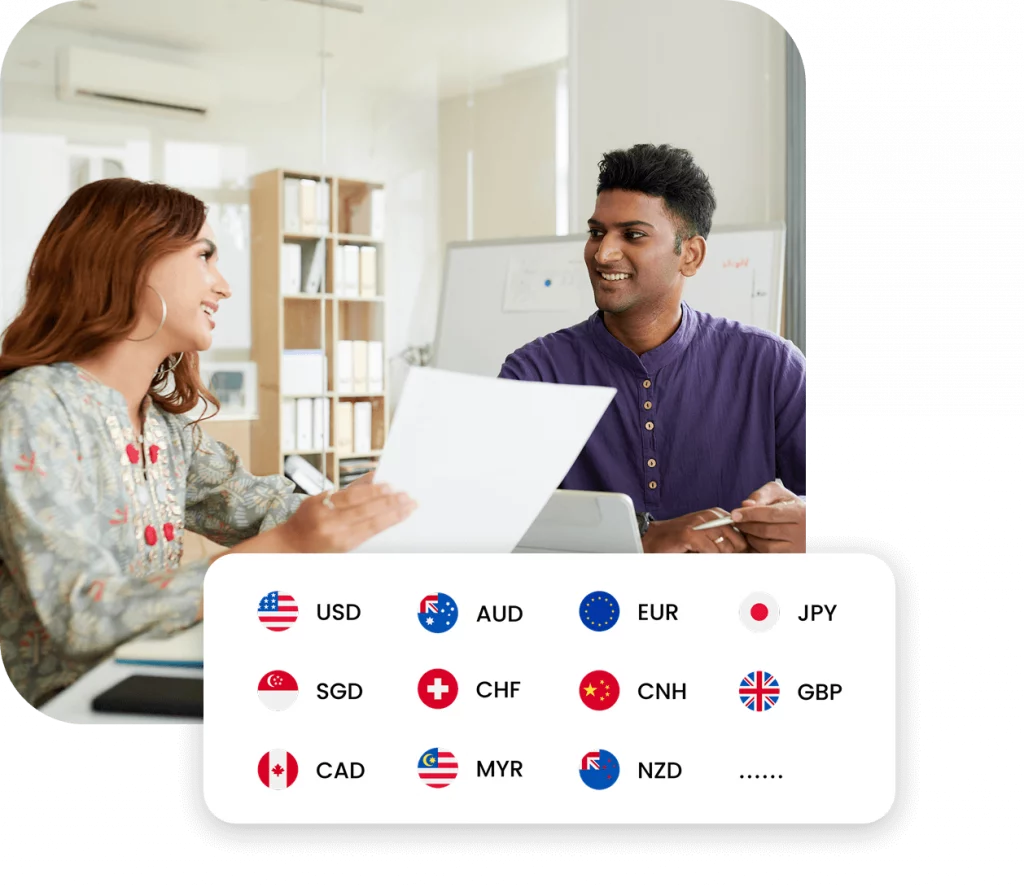
  • Sending payments in 100+ currencies to 200+ countries and regions, including direct CNH payments to Chinese suppliers.
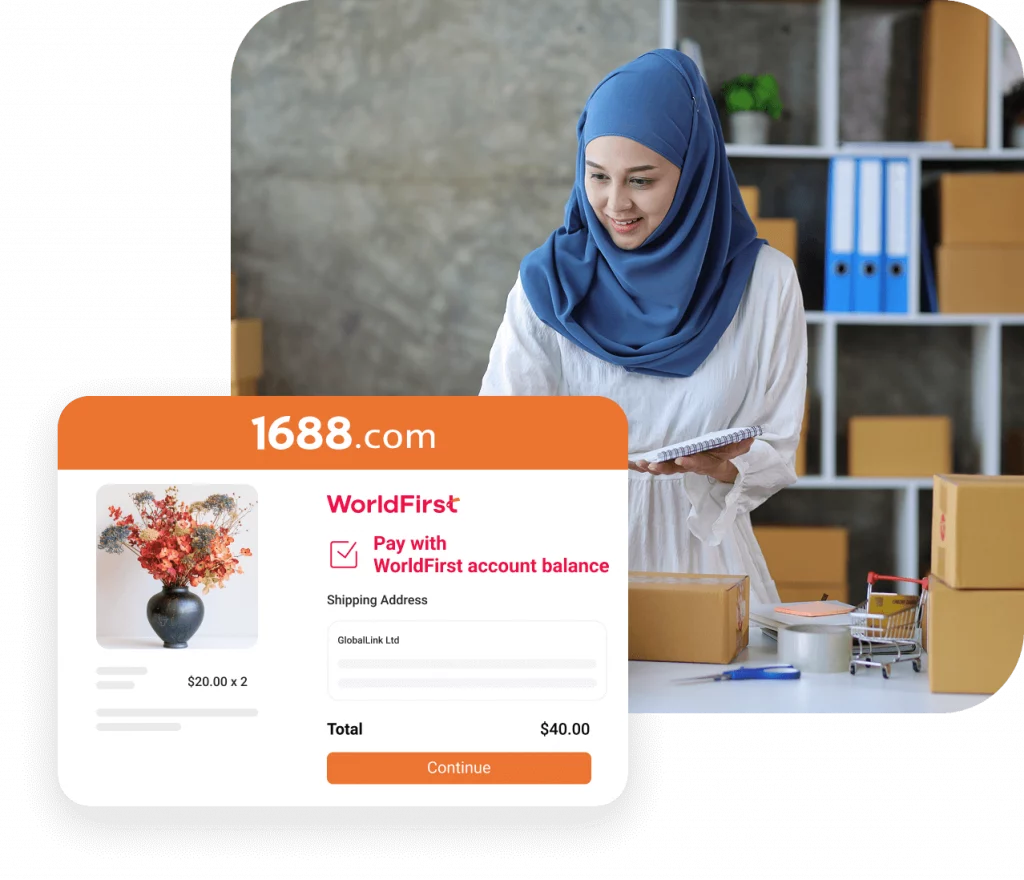
  • CNH payments to 1688.com suppliers through World Pay, the authorised international payment provider for 1688.com. Useful for buyers sourcing across both Alibaba and 1688.com.
  • Receiving accounts in 15+ currencies, including USD, GBP and EUR, for buyers who also sell internationally and receive payouts in those currencies.
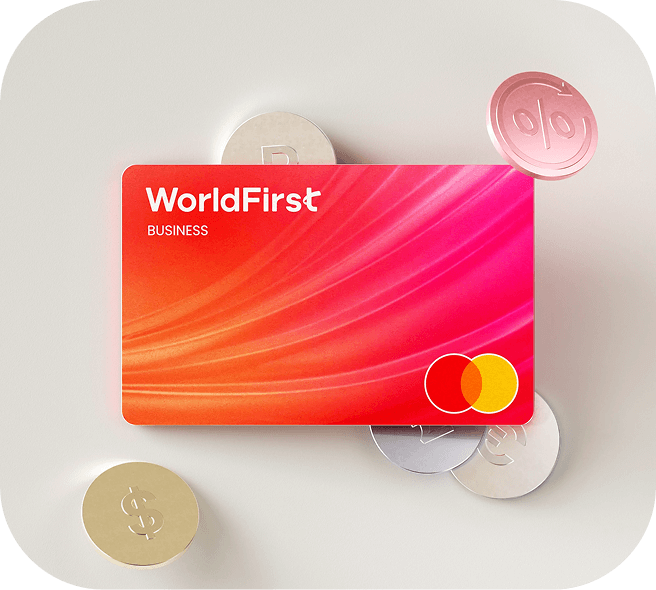
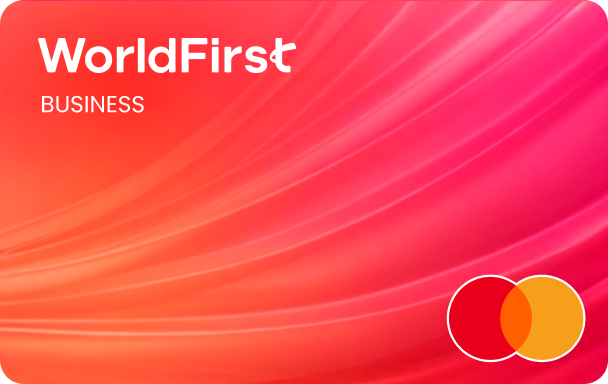
  • The World Card, a Mastercard-powered business payment card linked to the account. Up to 20 virtual cards can be issued at no additional cost, with no fees when paying in any of the 15 supported currencies (with sufficient balance held in that currency). Cashback is available on eligible spending (Terms and Conditions Apply).

For buyers import from China on Alibaba regularly, paying suppliers directly in CNH removes the double conversion cost of routing PKR or BDT through USD before it reaches the supplier’s account. It also gives buyers cleaner records for supplier reconciliation and reduces the friction of every subsequent order.

The same account works for buyers running Alibaba dropshipping setups, where CNH supplier payments and USD or GBP customer payouts flow through a single dashboard.

FAQs

1. What’s the minimum order quantity on Alibaba?

MOQs vary by supplier and product. Some suppliers accept single-unit sample orders. Others start at 100 units, 500 units or higher. MOQs are often negotiable, particularly for trial orders or repeat business relationships.

2. How long does shipping from China to Pakistan or Bangladesh take?

Air freight typically takes 5 to 10 days from order dispatch to arrival. Sea freight takes 25 to 45 days depending on the port of origin and destination. Times can extend during peak shipping seasons or if customs clearance is delayed.

3. What is the difference between Alibaba and AliExpress?

Alibaba is a business-to-business wholesale platform for bulk orders, with negotiable prices and minimum order quantities. AliExpress is a retail marketplace for end consumers, with fixed prices and single-unit purchases. The same supplier can be active on both platforms.

This article is intended for informational purposes only and does not constitute legal advice or professional advice. This article should not be regarded as constituting an offer or a solicitation to buy or sell any regulated or financial products or services. WorldFirst makes no representations or warranties regarding the accuracy, completeness, or applicability of the content, and readers are encouraged to consult with legal professionals or other professionals for advice tailored to their specific situation. WorldFirst does not guarantee the accuracy and completeness of this article and expressly disclaims any and all liability to any person in respect of the consequences of anything done or omitted to be done wholly or partly in reliance on this article.

Hu Wenzhan is the Emerging Markets Country Manager at WorldFirst. He brings expertise across Fintech, Payments, Banking, New Markets Growth to help clients grow their global business.

Hu Wenzhan

Hu Wenzhan

Author

Emerging Markets Country Manager, WorldFirst South Asia

Continue reading

how to buy from alibaba in pakistan

The simpler way to pay and get paid

Save money, time, and have peace of mind when expanding your global business.