























We provide coverage in South Asia and Middle East: servicing 210+ countries and territories.
WorldFirst Home > Blog > E-Commerce & Online Sellers > How to Sell Digital Products Online and Get Paid in South Asia[2026]
A practical beginner guide to choosing, selling, and getting paid for digital products worldwide.
You can sell digital products online by choosing a product to create, listing it on a trusted marketplace, and setting up a safe way to receive money from overseas buyers. This guide walks you through what to sell, where to sell it, how to make your first sale, and how to collect your marketplace income without losing too much to fees or scams.
To start selling digital products online, pick one product idea, create the file, choose a selling platform, set a fair price, and set up a safe payment method. Digital products cost little to make and nothing to restock, so you can test an idea quickly and improve it based on what buyers want.
Start small. Choose one product you can make well, such as a planner template or a short guide. Build it properly, write a clear product description, and add a few example images so buyers know what they get. Sell one product first, learn from real feedback, then add more.
The biggest early mistake is spending weeks building a full website before you know anyone wants your product. Validate demand with one simple listing first, then invest in a bigger storefront once sales start coming in.
You can sell almost any file that a buyer can download and use, including templates, ebooks, online courses, design assets, presets, and software. The best digital product for you is one you can create with your existing skills and update easily over time.
Common digital products to sell include:
Pick a product that solves a clear problem for a specific group of people. A budgeting template for freelancers sells better than a general “planner” because buyers can see exactly how it helps them.
You sell your own digital products by creating the file, protecting it, writing a clear listing, choosing a selling channel, and setting up a payment method that reaches your local bank. Each step protects your work and your income, so do not skip the safety parts.
Follow these steps to sell your own digital products:
Avoiding scams matters here. Never send a file before payment is confirmed. Be careful of buyers who ask you to move the deal off the platform or who send fake payment screenshots. Keep every transaction inside a trusted platform so you have a record if something goes wrong.
You can sell digital products on established marketplaces, on your own website, or on dedicated creator platforms. Marketplaces bring built-in buyers but charge fees on each sale, while your own website gives you more control but no ready-made audience.
Here are common places to sell digital products:
Each option handles payments differently. Some pay you into a local receiving account, some pay by bank transfer, and some route funds through a third party. Always check how a platform pays sellers in your region before you commit.
Fees eat into every sale, so compare them before you list. The table below shows published seller fees for three common platforms. Fees vary by country and product type, so treat these as a starting point and confirm your exact costs on each platform.
| Platform | Listing fee | Selling / transaction fee | Payment processing | Monthly fee |
| Gumroad | None¹ | 10% + USD 0.50 per direct sale (30% via Discover marketplace)¹ | Included in the base rate as merchant of record¹ | None¹ |
| Etsy | USD 0.20 per listing² | 6.5% transaction fee on the total sale price² | 3% + USD 0.25 for US sellers, varies by country² | None (optional paid plans exist)² |
| Payoneer (payment collection, not a selling platform) | Not applicable | Marketplace payouts into a matching local receiving account can be free³ | Currency conversion up to 3.5% when converting⁴ | USD 29.95 per year if you receive under USD 2,000 in 12 months⁴ |
Fees checked in August 2026. Pricing, eligibility, and product features may change over time. Always confirm the latest information directly with the provider.
Gumroad charges a flat 10% plus USD 0.50 on each direct sale with no monthly fee, and takes 30% when a buyer finds you through its Discover marketplace.¹ Etsy charges a USD 0.20 listing fee and a 6.5% transaction fee, plus a payment processing fee that changes by country.² Payoneer is a payments provider rather than a selling platform, and its marketplace payouts can be free when the payout currency matches your local receiving account, though currency conversion can cost up to 3.5%.³ ⁴
You get paid for digital products when a buyer completes a purchase and the platform releases the funds to you, usually after a short holding period. How that money reaches your bank depends on the platform, your country, and the currency you are paid in.
Most marketplaces pay in a major currency such as USD, EUR, or GBP. If your bank account holds a different currency, the platform or a third party converts the money and often adds a fee to the exchange rate. These conversion costs are easy to miss because they are built into the rate rather than shown as a separate charge.
To keep more of what you earn, understand two things: the fee to receive the money, and the fee to convert and withdraw it. The conversion step is where many sellers quietly lose 2% or more, so it deserves as much attention as the sale itself.
You can collect payments from online marketplaces by using a receiving account that accepts your marketplace payout in a major currency, then converting to your local currency when you choose. This lets you hold your earnings, compare rates, and withdraw on your own terms instead of accepting whatever conversion the marketplace applies.
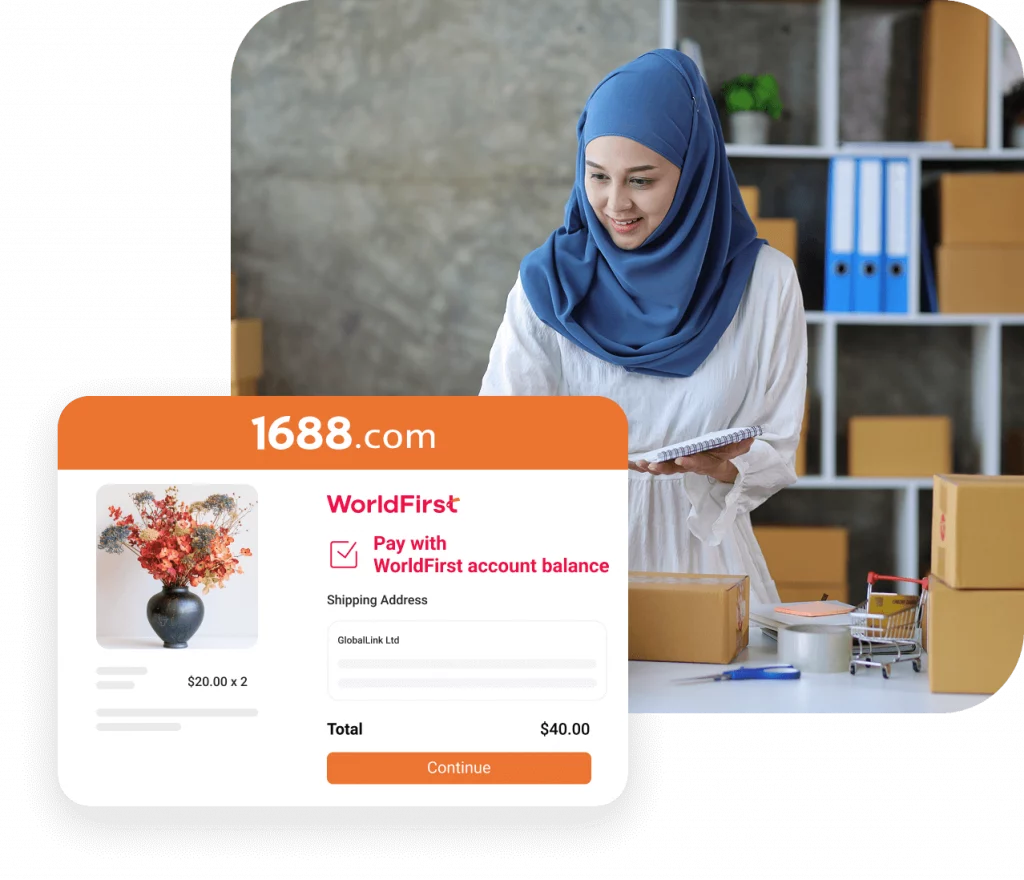
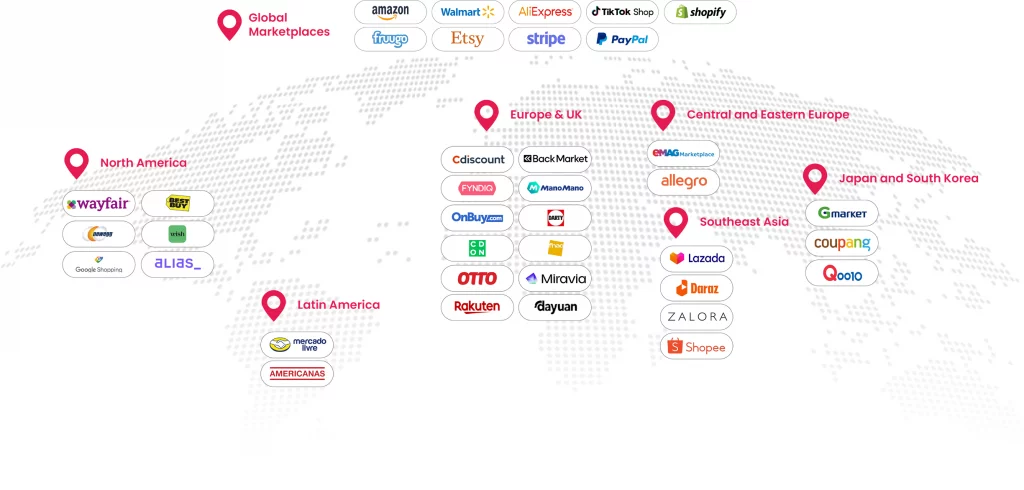
This is where a payments provider like WorldFirst fits in. WorldFirst is a payments provider backed by Ant Group (Ant International), not a bank, and it gives eligible sellers a multi-currency business account to receive money from more than 130 marketplaces worldwide. You collect your marketplace proceeds in hard currency such as USD, GBP, or EUR, then convert to your local currency and withdraw to your local bank when the timing suits you.
For online sellers who receive regular marketplace payouts, this separates the “making sales” problem from the “getting paid” problem. You can also open a World Account as a freelancer or seller and manage everything from one place. Registration is free, and you can check current requirements on the WorldFirst site before you sign up.
Before choosing a payment solution, check the receiving fee, the conversion cost, the withdrawal speed, and whether the provider actually pays out in your country. A low headline fee means little if the conversion rate is poor or if withdrawals to your region are not supported.
Use this checklist when comparing payment options:
Payoneer is the incumbent many freelancers and sellers already use, and it integrates directly with several marketplaces.³ Its published pricing includes a USD 1.50 flat fee for same-currency withdrawals under USD 50,000 a month, and currency conversion of up to 3.5% when converting to another currency.⁴ Compare these costs against any alternative for your exact currency route, since the conversion leg usually matters more than the flat fee.
To sell digital products safely and profitably, start with one well-made product, list it on a trusted platform, protect your files, price fairly, and set up a payment method that gets your overseas income to your local bank at a fair rate. Do these steps in order and you avoid the two biggest early problems: getting scammed and losing money to hidden fees.
Here is a simple starting plan:
Getting paid is part of running the business, not an afterthought. Set up your payment collection before your first big payout, so you are ready when the money arrives.
You can start selling digital products with almost no money by using free tools to create your file and a platform that charges only when you make a sale. Creator platforms and marketplaces let you list without a monthly fee, so your main cost is the time to build a good product. Start with one product, then reinvest your early earnings.
Yes, you can usually sell the same digital product on more than one platform, which spreads your reach and reduces your reliance on a single marketplace. Check each platform’s terms first, since some ask for exclusivity on certain product types. Selling in more than one place also means comparing how each platform pays you and what fees apply.
If a buyer wants a refund on a digital download, the platform’s refund policy decides the outcome, and many platforms do not return their fees to you even when you refund the buyer. Set a clear refund policy in your listing, describe your product accurately, and add screenshots to reduce disputes. Honest listings lower refund requests and protect your reputation.
Yes, it is possible to receive overseas payments in a major currency such as USD, GBP, or EUR by using a multi-currency account that gives you local receiving details. You hold the funds in the currency you were paid in, then convert to your local currency when the rate and timing suit you. This helps you avoid forced conversions at the point of sale.
You can avoid scams by keeping every transaction inside a trusted platform, never sending files before payment clears, and ignoring buyers who push you to deal off-platform. Watch for fake payment screenshots and unusual requests. Using an established marketplace and a recognised payments provider gives you a record of each transaction and a safer way to receive your money.
Learning how to sell digital products online is mostly about starting simple: one good product, a trusted platform, and a safe way to get paid. Once your listings start selling, the next step is making sure your overseas marketplace income reaches your local bank without heavy conversion losses. Set up your payment collection early, compare the real costs, and you can keep more of what you earn.
Sources
This article is intended for informational purposes only and does not constitute legal advice or professional advice. This article should not be regarded as constituting an offer or a solicitation to buy or sell any regulated or financial products or services. WorldFirst makes no representations or warranties regarding the accuracy, completeness, or applicability of the content, and readers are encouraged to consult with legal professionals or other professionals for advice tailored to their specific situation. WorldFirst does not guarantee the accuracy and completeness of this article and expressly disclaims any and all liability to any person in respect of the consequences of anything done or omitted to be done wholly or partly in reliance on this article.
Linna is a Senior Content Strategy Manager specializing in fintech, cross-border payments, and global ecommerce. With extensive experience in international B2B growth content, and global market expansion, she leads content initiatives that help businesses navigate cross-border trade, international payments, and digital commerce at scale.
Linna
Author
Choose a product or service to find out more
Save money, time, and have peace of mind when expanding your global business.
© 2026, Ant International or its affiliates