
























We provide coverage in South Asia and Middle East: servicing 210+ countries and territories.
WorldFirst Home > Blog > Marketplaces & Platforms > How to Use WeChat Pay for International Business Payments in South Asia[2026]
A plain guide to how WeChat Pay works for overseas users, and how to manage the payments that come with buying from Chinese suppliers.
WeChat Pay is one of the main ways money moves inside China, so if you buy from Chinese suppliers you will run into it fast. This guide explains how WeChat Pay works for international users, whether you need a local bank account, and how businesses handle the wider payment flow. It is written for online sellers and small importers who source goods from China.
Key Takeaways
Yes, but with limits that depend on who you are and what you are trying to do. WeChat Pay is designed around China’s domestic payment ecosystem, so a traveller spending in shops has a very different experience from a business paying suppliers. Availability and features are not the same for overseas users as they are for residents.
There are two situations worth separating. The first is using WeChat Pay as an individual, for example a traveller who links an eligible international card to pay merchants in China. The second is using WeChat Pay inside a business payment flow, where you are trying to move money to a supplier or receive money from Chinese customers.
For the individual case, WeChat has expanded support so visitors can link some foreign cards and spend at Chinese merchants, subject to verification and transaction limits. For the business case, things are more involved, because commercial payments touch currency conversion, settlement, and account rules that a simple consumer wallet does not solve on its own.
WeChat Pay works as a digital wallet linked to a bank card, where payments are authorised in the app and settled through China’s banking system. For an overseas business, the money still has to travel from your currency into a form the Chinese side can receive, which is where conversion and settlement come in.
A simple example helps. Say you are an online seller in Pakistan or Bangladesh sourcing stock from a factory in China. Your revenue arrives in USD from marketplaces or clients abroad. Your supplier wants to be paid in a form they can accept locally. Between those two points sits currency conversion, a settlement route into China, and the account that holds and moves the funds.
Some cross-border providers let you send money that arrives in the recipient’s local account in Chinese yuan. As one example, Wise states it sends to a recipient who receives CNY directly, and requires the recipient’s personal and account details before a transfer.¹ The key point is that the WeChat wallet itself is the last step, not the whole journey.
For most individual use, you need a linked payment card rather than a full Chinese bank account, though verification rules apply. For business payments the answer is more nuanced, because the requirement depends on the payout method and on the recipient’s setup in China, not only on your own account.
To send money that lands in a WeChat or Alipay wallet, the recipient often needs to be a verified account holder registered in China. Wise, for example, notes that a WeChat Pay recipient must be a Chinese citizen registered with a Chinese resident ID card, and you need the recipient’s full name and WeChat ID.¹ That requirement sits with the recipient, not with you.
This matters for planning. You do not necessarily need a Chinese bank account to pay a supplier, but you do need a reliable way to hold overseas revenue, convert it, and route it into China. A cross-border multi-currency business account can cover the collection and conversion side, while the WeChat or bank payout completes the delivery. WorldFirst does not replace a required WeChat Pay merchant setup where one genuinely applies.
Managing these payments well means treating WeChat Pay as one stage in a longer chain: collect, hold, convert, then pay. If you only think about the wallet, you miss the parts where most cost and risk actually sit, namely conversion rates and settlement.
Consider how the money moves for a typical importer in Pakistan or Bangladesh. You collect USD, EUR, or GBP from marketplaces and clients overseas. You hold those funds. You convert to the currency you need. Then you pay your supplier in China. Each stage has a fee and a speed, and small differences add up across many orders.
This is where a cross-border payments provider fits. WorldFirst is a payments provider backed by Ant Group (Ant International), offering a business account that lets you receive hard currency from overseas, convert it, and make payments into China where supported. Before you register, you will need standard business verification details, so having your company documents ready reduces delays. Registration is free with no monthly fee and pay as you go pricing [fees – confirm with editor].
There are a few common approaches, and the right one depends on your volume, your budget, and how much control you want. Below are the main routes described neutrally, without claims about exact approval times or eligibility, which vary case by case.
You can work through a local entity or partner in China who receives and settles payments on your behalf. This can suit larger operations but adds a layer of dependency and cost. You can use a direct merchant or payment arrangement where you are eligible, which gives control but takes setup effort and verification. Or you can use a cross-border payments provider that handles collection, conversion, and payout in one account.
For many small online sellers, the third route is the most practical, because it keeps the whole flow in one place. The trade-off to check is always the total cost, meaning the fee plus the exchange rate margin, not just the headline fee.
WorldFirst gives you one business account to collect, convert, and pay across the parts of the journey that surround a WeChat Pay transaction. It does not provide WeChat Pay itself, and opening an account does not give you access to WeChat Pay; it handles the money movement around it.
Here are the relevant capabilities for an importer or online seller:
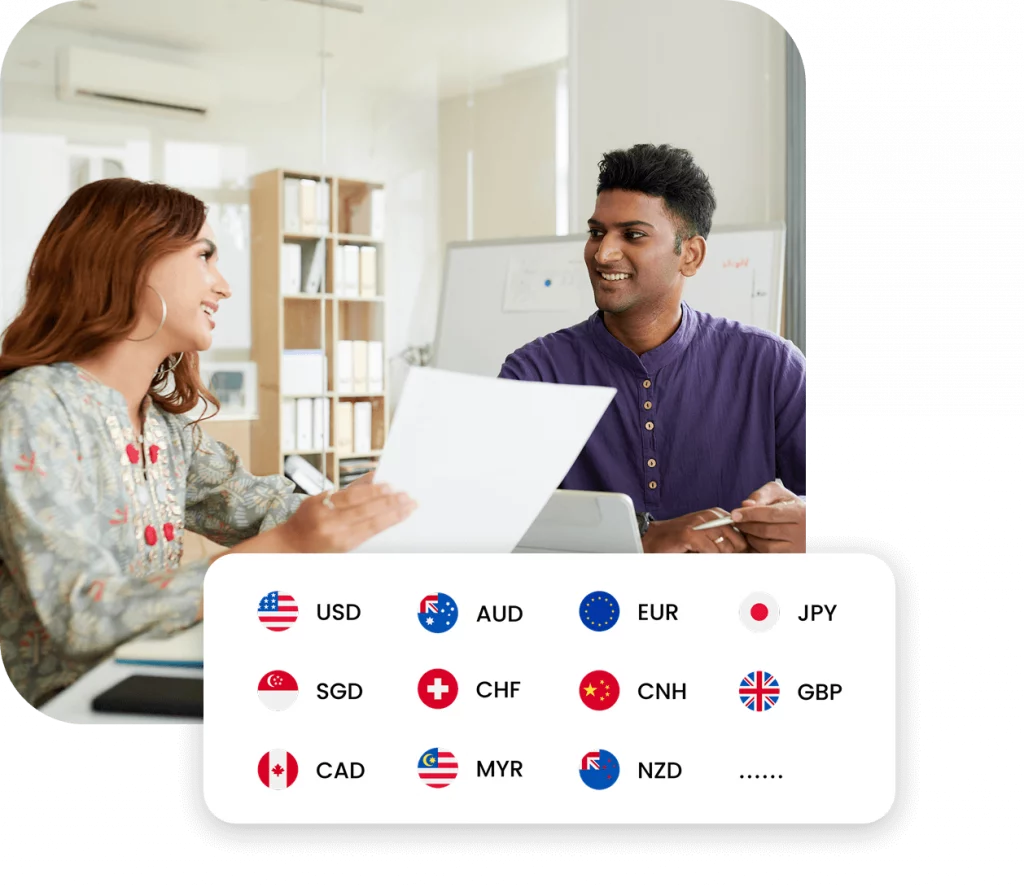
WorldFirst supports holding 20+ currencies and sending to 100+ currencies across 200+ countries and regions. It is a payments provider, not a bank, and the account is a business account rather than a bank account.
Before you commit to any payment setup, run through a short checklist so you are not caught out by hidden costs or, worse, a scam. This audience is right to be cautious, and a few checks protect you.
None of this means competitors are unsafe. It means you should verify details yourself, because verifiable facts protect you better than marketing.
| Provider | Pays into China | Business account | Fee structure | Backing / notes |
| WorldFirst | Yes, incl. World Pay for 1688.com | Multi-currency business account | Free account, pay as you go [fees – confirm with editor] | Backed by Ant Group (Ant International) |
| Payoneer | Yes, to bank / between accounts² | Multi-currency account² | No monthly fee; transaction fees vary by method² | Licensed payment service provider in China³ |
| Wise | Yes, recipient gets CNY directly¹ | Consumer and business accounts¹ | Fee plus mid-market rate, shown upfront¹ | Uses a licensed partner in China¹ |
| Local bank | Sometimes, via wire | Business bank account | Wire fees plus FX margin, often higher | Slower intermediary-bank routing |
Fees checked in June 2026. Pricing, eligibility, and product features may change over time. Always confirm the latest information directly with the provider.
Payoneer is the long-standing incumbent many sellers already use, and it does not charge a monthly fee, though transaction fees apply depending on how payments are sent or received.² It became a licensed payment service provider in China after acquiring a local provider.³ Wise shows its fee plus the mid-market exchange rate upfront and delivers CNY to the recipient’s local account, but requires the recipient to be a verified account holder in China.¹
Foreigners can often use WeChat Pay in China by linking an eligible international card in the app, then spending at merchants that accept it. Verification steps and transaction limits usually apply, and the experience can differ from a resident’s. For business payments to suppliers, a linked card alone is not enough, and you should plan the collection and conversion side separately.
To set up WeChat Pay for use in China, download the WeChat app, create an account, and follow the in-app steps to add a supported payment card. You may need to complete identity verification. Availability of foreign-card linking changes over time, so check the current in-app requirements. For paying suppliers, you will still need a separate way to collect and convert overseas revenue.
For basic individual spending you usually need a linked card rather than a full Chinese bank account, subject to verification. For receiving money into a WeChat wallet, the recipient generally must be a verified account holder registered in China. As a business paying suppliers, you do not always need a Chinese bank account, but you do need a reliable way to hold, convert, and route funds.
As an overseas business you access WeChat Pay through the app and its verification process, but the harder part is the payment flow around it. You need to collect overseas revenue, convert it, and send it into China through a supported route. Many sellers use a cross-border payments provider for that flow rather than relying on the wallet alone.
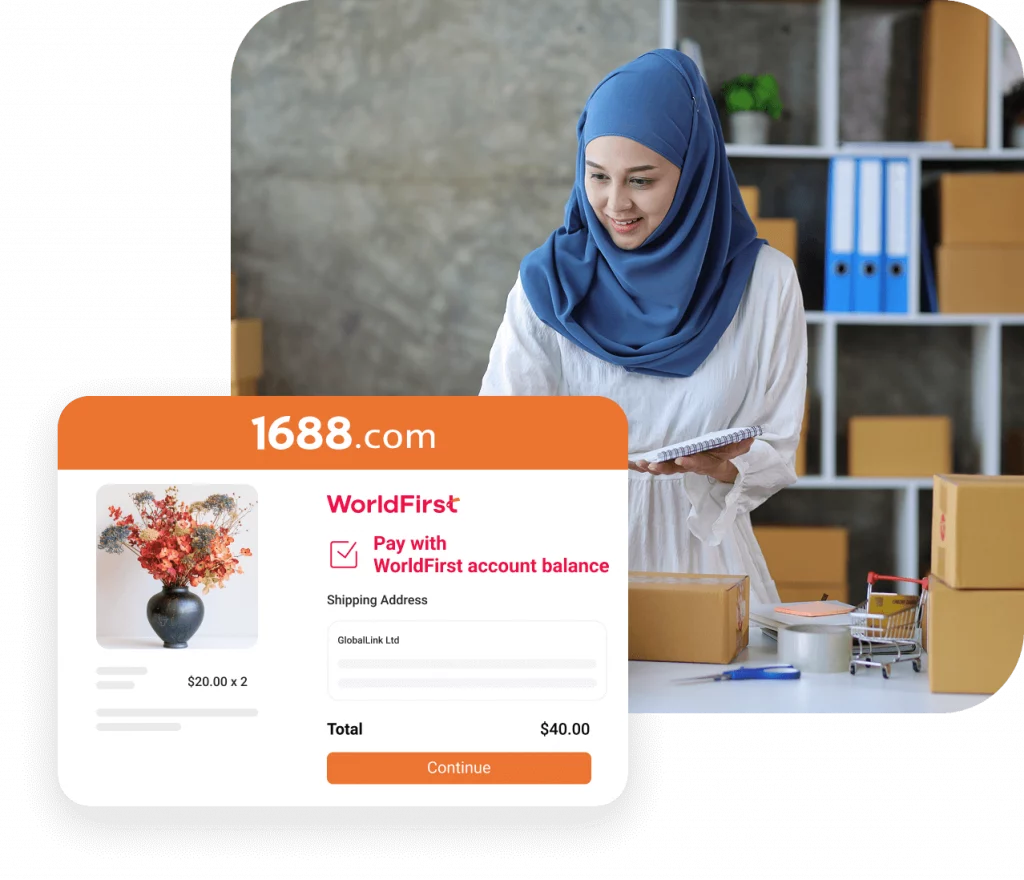
Yes. You can pay a Chinese supplier through a cross-border payments provider that delivers funds to the recipient’s local account, or through a dedicated route such as World Pay for 1688.com suppliers. The right method depends on the supplier’s setup and your currency. Compare the total cost, meaning fee plus exchange-rate margin, before you choose.
Understanding how WeChat Pay works for international users is the first step, but the real task for a business is managing the whole payment flow around it: collecting overseas revenue, converting it, and paying suppliers safely. Handle that well and you cut both cost and risk. If you want one account to collect, convert, and pay into China, WorldFirst is built for exactly that.
Sources
This article is intended for informational purposes only and does not constitute legal advice or professional advice. This article should not be regarded as constituting an offer or a solicitation to buy or sell any regulated or financial products or services. WorldFirst makes no representations or warranties regarding the accuracy, completeness, or applicability of the content, and readers are encouraged to consult with legal professionals or other professionals for advice tailored to their specific situation. WorldFirst does not guarantee the accuracy and completeness of this article and expressly disclaims any and all liability to any person in respect of the consequences of anything done or omitted to be done wholly or partly in reliance on this article.
Linna is a Senior Content Strategy Manager specializing in fintech, cross-border payments, and global ecommerce. With extensive experience in international B2B growth content, and global market expansion, she leads content initiatives that help businesses navigate cross-border trade, international payments, and digital commerce at scale.
Linna
Author
Choose a product or service to find out more
Save money, time, and have peace of mind when expanding your global business.
© 2026, Ant International or its affiliates