

























Multi-currency accounts, competitive FX, and global transfers — Everything you need to pay and get paid internationally
Built for faster payments, smarter liquidity, and robust compliance—all powered by our next-gen API toolkit and AI-native architecture.
Named a Top Global Fintech Company by CNBC & Statista, we’ve supported 1.5M+ businesses since 2004.
About WorldFirst
Resources
More brands of Ant International
Europe
Asia
Oceania
Africa

We provide coverage in South Asia and Middle East: servicing 210+ countries and territories.

How to open a Chinese business bank account from South Asia

Contents

Working with Chinese suppliers or customers? Here’s how Chinese business bank accounts work, what setting one up involves, and simpler ways to move funds in CNH

Key takeaways

  • Opening a business bank account in mainland China usually requires foreign companies to first establish a local Chinese entity, such as a Wholly Foreign-Owned Enterprise (WFOE)
  • Most Chinese banks require in-person verification, physical company seals and Mandarin documentation, which adds friction for applicants based outside China
  • Approval timelines can stretch from several weeks to several months depending on the bank, the industry and the ownership structure
  • An offshore CNH account offers an alternative route to paying Chinese suppliers directly in yuan, without requiring a mainland Chinese bank account
  • The World Account is a multi-currency account with CNH support, giving businesses a way to hold, send and convert Chinese yuan alongside 15+ other major currencies

For businesses and freelancers trading with China, one of the first questions to come up is whether a Chinese bank account is needed to pay Chinese suppliers or receive payments from Chinese customers. Whether the trade involves garment inputs, electronics, packaging or platform fees paid to Chinese marketplaces, the question of where to hold and how to move Chinese yuan keeps returning.

Opening a Chinese bank account is possible, but rarely straightforward for foreign businesses. This guide walks through what a Chinese business bank account involves, the challenges of applying from outside mainland China, and the offshore CNH route that many businesses use instead.

Can foreign businesses open a Chinese business bank account?

Yes. Foreign companies are legally permitted to open a business bank account in China, though this usually happens after registering a local Chinese entity first. Most set up a Wholly Foreign-Owned Enterprise (WFOE), a Joint Venture or a Representative Office before applying for a bank account.

A Chinese business bank account is typically used for two purposes:

  • A basic RMB account to withdraw cash, pay local employees, settle domestic invoices and handle tax obligations in China
  • A foreign currency capital account approved by the State Administration of Foreign Exchange (SAFE), used to receive investment from overseas shareholders, convert foreign currencies into RMB and manage foreign exchange transactions

Without at least one of these accounts, moving funds into or out of China as a foreign-invested company can be difficult.

Common hurdles when opening a Chinese business bank account

Local entity requirements

Chinese banks generally require applicants to have a registered Chinese business before opening an account. Setting up a WFOE or a similar structure involves a registered business address in China, a local legal representative, Chinese tax registration and any industry-specific licences that apply. The entity setup alone can take several months, before the bank account application even begins.

In-person verification

Many Chinese banks still require directors or authorised representatives to attend a branch in person to complete verification. Requirements can include biometric identification, in-person signatures and identity checks by branch staff. For applicants based overseas, arranging travel adds cost, time and paperwork to a process that is already long.

Bank-specific requirements

China does not have a fully standardised bank account opening process for foreign businesses. Different banks look for different combinations of official company seals (chops), industry approvals, and source-of-funds documentation. Applications can be rejected on the basis of the applicant’s ownership structure, industry or paperwork, sometimes after weeks of back-and-forth.

Language and administrative barriers

Most forms, banker communications and compliance requests are handled in Mandarin, following local administrative conventions. Applicants without a Mandarin-speaking team member or local advisor often experience delays responding to information requests.

Cross-border payment rules at home

Alongside the Chinese-side hurdles, cross-border payment rules in South Asian markets add another layer. Movement of funds into and out of a foreign account is regulated by local authorities, including the Reserve Bank of India, the State Bank of Pakistan and Bangladesh Bank. Each has its own reporting, documentation and purpose-code requirements that apply regardless of whether the destination is a Chinese bank account or an offshore currency account.

Lengthy approval timelines

Even when the paperwork is in order, approval timelines can be difficult to predict. Weeks or months may pass before the account is fully operational. During that window, supplier relationships still need to be paid and orders still need to move, so businesses often fall back on third-party remitters at less favourable rates.

For many businesses trading with China, the delay alone is reason enough to consider a different route.

Setting up an offshore CNH account

CNH stands for offshore Chinese yuan. It is the same currency as onshore CNY, but held and traded outside mainland China under a separate regulatory framework. An offshore CNH account lets a business hold and pay Chinese yuan without opening a bank account inside China.

Some of the advantages an offshore CNH account offers include:

  • Paying suppliers directly in yuan, so Chinese suppliers receive local currency and the business avoids stacking a second FX conversion at the supplier’s end.
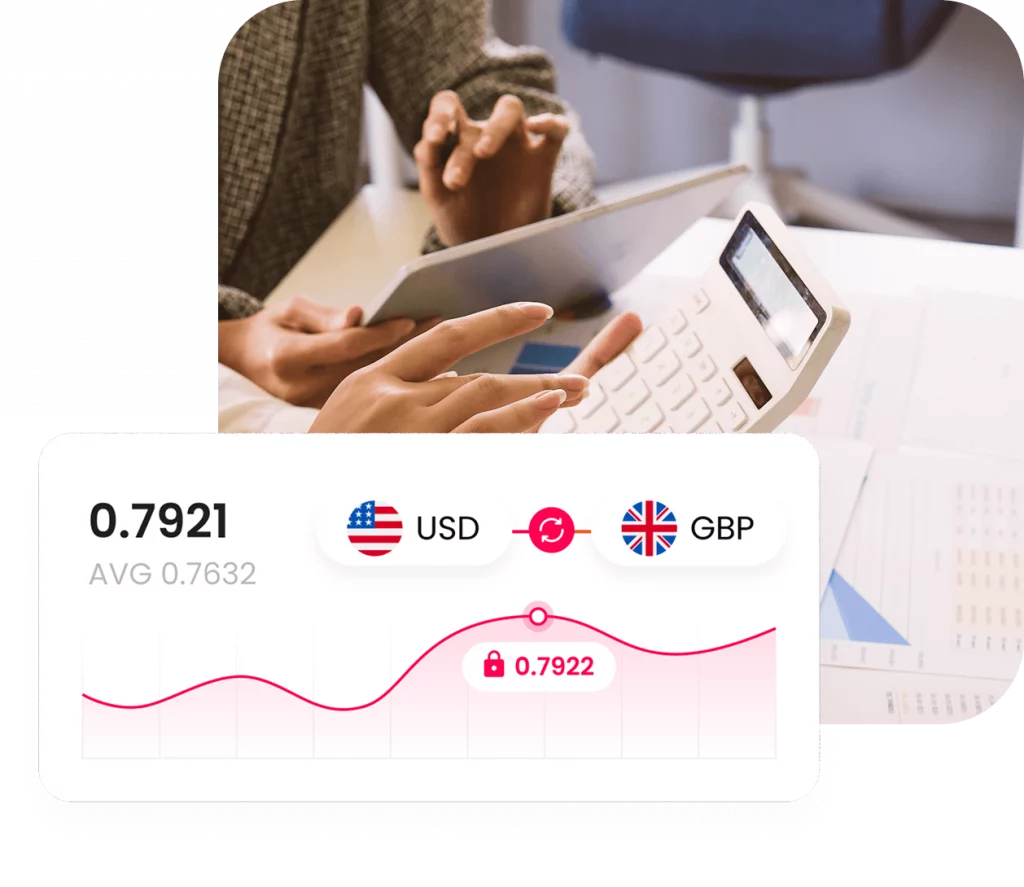
  • Controlling the timing of currency conversion instead of converting at whatever rate applies on the day the payment leaves the account.
  • Reducing dependency on intermediary banks, which typically means fewer correspondent bank fees and clearer visibility of the amount that lands with the supplier.
  • Consolidating multi-currency cash flow in one platform, useful for businesses that also earn or spend in USD, GBP or EUR.

How the World Account supports CNH payments

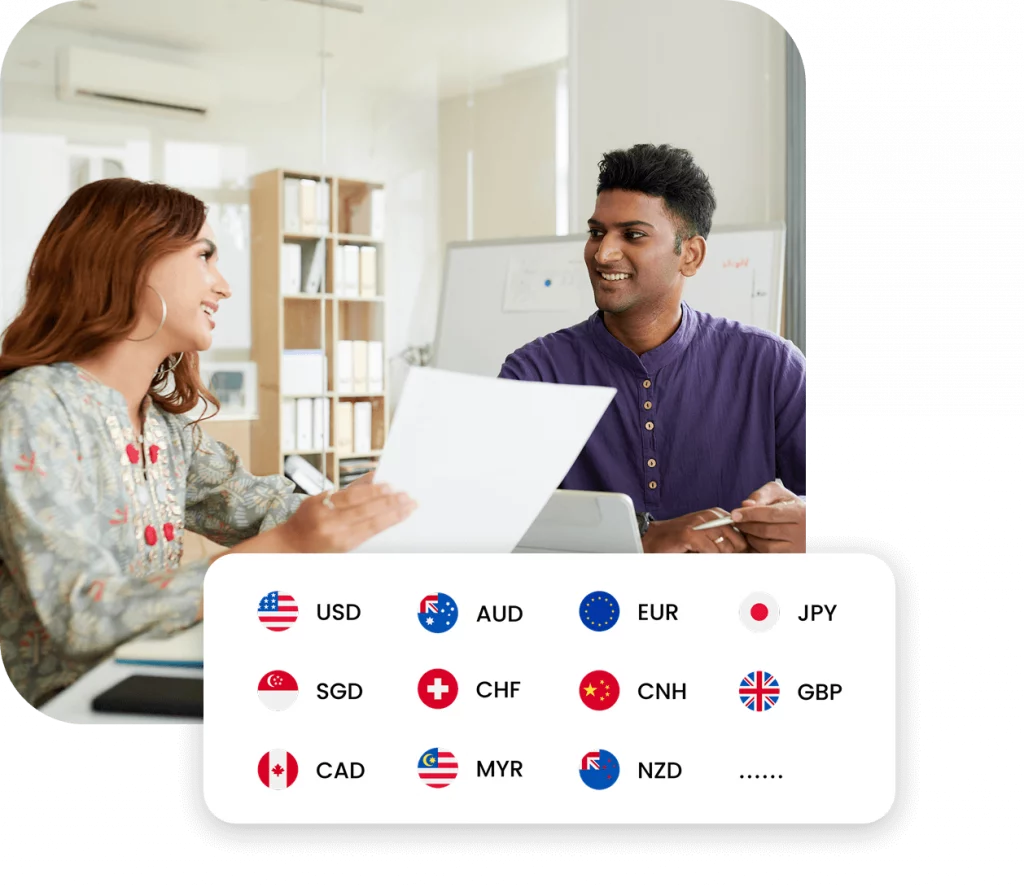
The World Account is a multi-currency account from WorldFirst, a payments provider that helps businesses manage cross-border payments. Through the World Account, businesses can send, receive, hold and convert funds in 15+ major currencies, including CNH, USD, GBP, EUR, HKD and SGD.

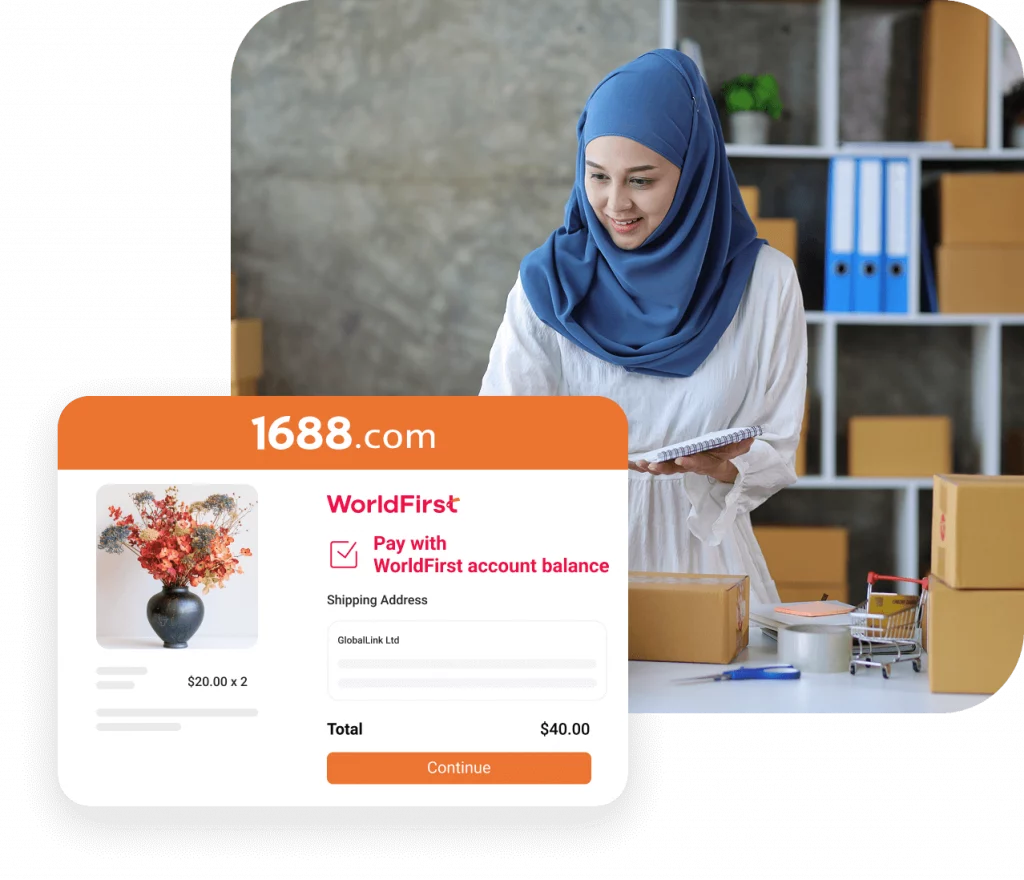
Alongside general CNH transfers, WorldFirst offers World Pay, the authorised international payment provider for 1688.com. That gives businesses buying from 1688.com suppliers a direct way to pay in CNH from the World Account, with 1688.com’s buyer protection retained.

Other capabilities include:

  • Sending payments to suppliers and partners in 100+ currencies across 200+ countries and regions.
  • Local receiving accounts in USD, GBP, EUR and other major currencies for collecting payments from customers, marketplaces and payment gateways.
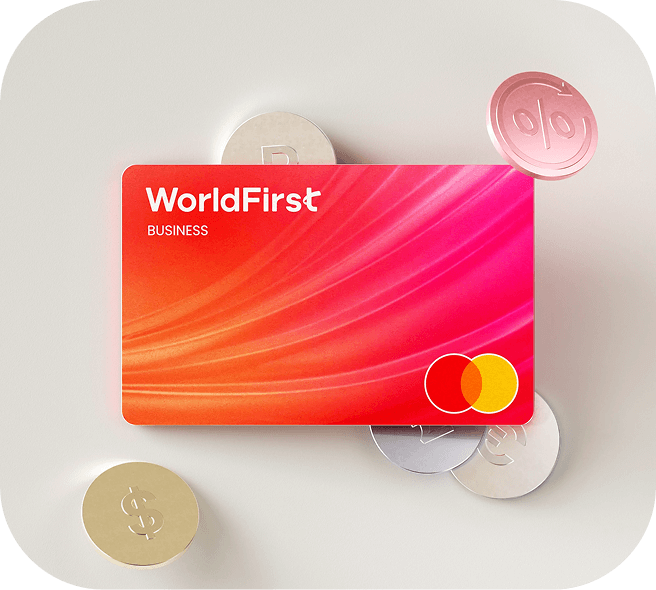
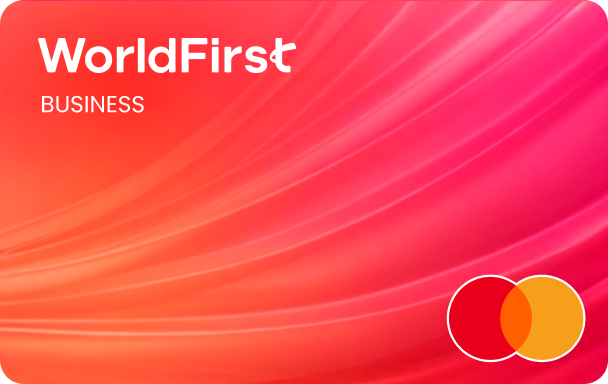
  • The World Card, a Mastercard-powered business payment card that supports transactions in 150+ currencies, with no fees when paying in any of the 15 supported currencies (as long as there is sufficient balance held in that currency)
  • ERP integration and multi-user access for finance and operations teams.

How to open a CNH local currency account through the World Account

The account opening process is fully digital.

  1. Register online with basic business or personal details
  2. Submit documentation covering business registration, identification of directors or owners, and any additional supporting documents requested
  3. Verification by the WorldFirst team, typically taking a few business days
  4. Access currency accounts including CNH, and start sending, receiving, holding and converting funds

For most businesses trading with Chinese suppliers, an offshore CNH account can cover the day-to-day payment needs without the entity setup, in-person visits and extended waits that a mainland Chinese bank account involves. The World Account gives businesses a way to hold and pay CNH from a single dashboard, alongside the other currencies most cross-border businesses need.

FAQs

Is a Chinese bank account required to pay suppliers on 1688.com?

No. An offshore CNH account can be used to pay 1688.com suppliers directly in Chinese yuan without a mainland Chinese bank account. WorldFirst’s World Pay is the authorised international payment provider for 1688.com.

What is the difference between CNY and CNH?

A: CNY refers to onshore Chinese yuan, held and traded within mainland China under domestic regulatory rules. CNH refers to offshore Chinese yuan, held and traded outside mainland China. Both represent the same underlying currency, but they trade at slightly different rates and sit under different frameworks.

How long does it take to open a World Account?

Registration is completed online in a few minutes. Verification by the WorldFirst team typically takes a few business days, subject to the completeness of the documentation submitted.

What documents are required to open a World Account?

Standard requirements include proof of business registration, identification for the directors or owners, and additional supporting documents where relevant. The exact list depends on the applicant’s business structure and jurisdiction.


This article is intended for informational purposes only and does not constitute legal advice or professional advice. This article should not be regarded as constituting an offer or a solicitation to buy or sell any regulated or financial products or services. WorldFirst makes no representations or warranties regarding the accuracy, completeness, or applicability of the content, and readers are encouraged to consult with legal professionals or other professionals for advice tailored to their specific situation. WorldFirst does not guarantee the accuracy and completeness of this article and expressly disclaims any and all liability to any person in respect of the consequences of anything done or omitted to be done wholly or partly in reliance on this article.

Hu Wenzhan is the Emerging Markets Country Manager at WorldFirst. He brings expertise across Fintech, Payments, Banking, New Markets Growth to help clients grow their global business.

Hu Wenzhan

Hu Wenzhan

Author

Emerging Markets Country Manager, WorldFirst South Asia

Continue reading

How to open a Chinese business bank account from South Asia

The simpler way to pay and get paid

Save money, time, and have peace of mind when expanding your global business.