
























We provide coverage in South Asia and Middle East: servicing 210+ countries and territories.
WorldFirst Home > Blog > Marketplaces & Platforms > Alibaba vs AliExpress: What’s the Difference and Which Should You Choose?
Alibaba vs AliExpress comes down to how you buy: one platform is built for bulk B2B sourcing, the other for smaller B2C orders. Alibaba connects you with manufacturers for wholesale quantities, while AliExpress lets you buy single items or small batches at retail-style prices. The right fit depends on your order volume, budget, and where your business sits today. Here’s what you need to know before you commit.
Key Takeaways
Here’s how the two platforms stack up across the decisions that actually affect your margins. Both sit under the same parent company, yet their business models pull in opposite directions¹.
| Feature | Alibaba | AliExpress
|
|---|---|---|
| Business model | B2B wholesale marketplace | B2C retail marketplace |
| Minimum order quantity (MOQ) | Yes, often 50 to 1,000+ units | None, buy single units |
| Pricing and negotiation | Lower per-unit, price negotiation expected | Fixed retail prices, no bargaining |
| Best use case | Private label production, bulk scaling | Dropshipping, small-batch product testing |
| Buyer protection type | Trade Assurance on qualifying orders | Buyer protection on eligible purchases |
| Shipping reliability to Pakistan | Freight and courier via supplier arrangement | Budget options suspended from 07/07/2025 |
| Payment considerations | Bank transfer, Trade Assurance, large sums | Card and wallet payments, smaller sums |
Fees checked in July 2026. Pricing, eligibility, and product features may change over time. Always confirm the latest information directly with the provider.
Read each row against your current order volume and budget. If you’re buying in bulk to build a brand, Alibaba fits. If you’re testing demand one order at a time, AliExpress makes more sense.
Whichever way the Alibaba vs AliExpress decision goes, you still face the same reality: paying suppliers in China and collecting your marketplace revenue. That is where the real friction sits. Converting PKR to CNH through traditional banking eats into your landed cost, and without US or Chinese banking access, moving money quickly gets complicated.
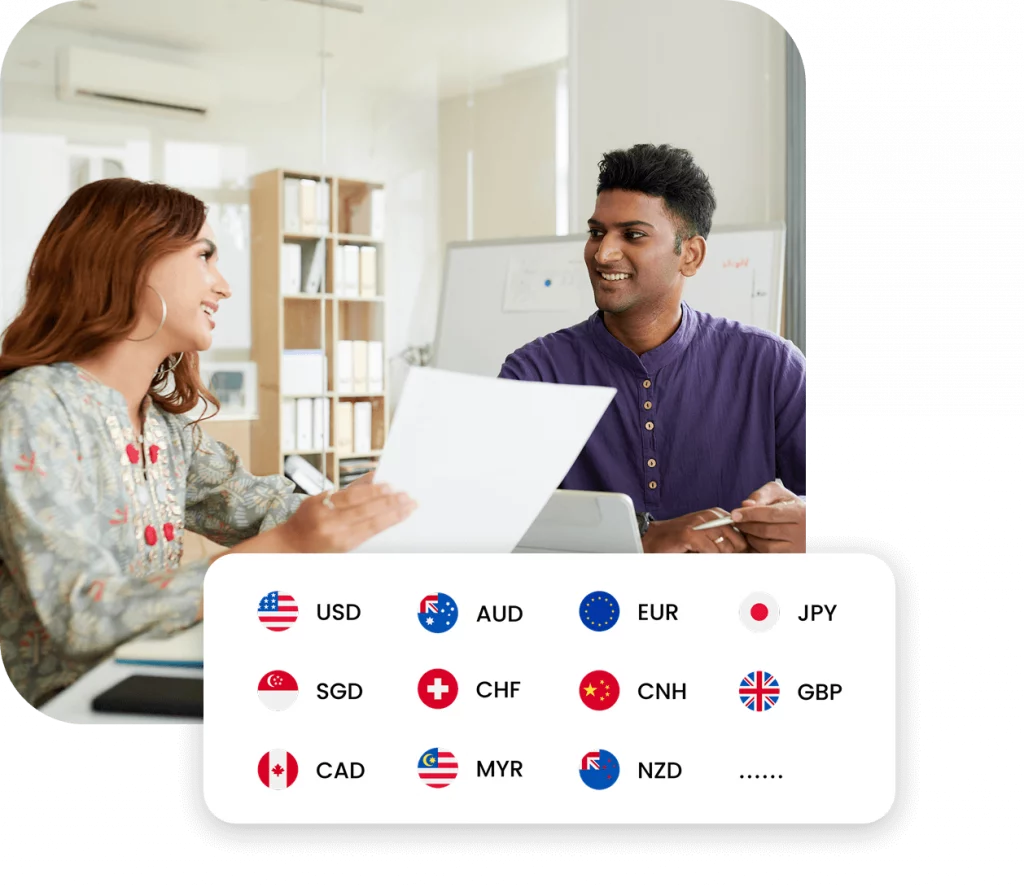
A World Account gives you a practical way around this. It lets you hold and manage multiple currencies, handle paying international suppliers in China, and collect payouts from global marketplaces without a US bank account. You open it, fund it, and start paying suppliers directly.
Alibaba and AliExpress differ at the foundation: Alibaba is a B2B wholesale marketplace connecting you directly with manufacturers for bulk trade, while AliExpress is a B2C retail marketplace built for individual buyers ordering single units. Everything else, from pricing to shipping, flows from this split.
Alibaba puts you in contact with factories and wholesalers who expect volume. Minimum order quantities often start at 50 units and climb into the thousands¹. That model suits importers and sellers ready to scale, especially anyone building a private-label brand. If you already know a product sells, this is where margins improve.
Pros: lower per-unit pricing, room to negotiate, and direct manufacturer access.
Cons: high MOQs, larger upfront capital, and a slower start.
If you want a deeper look at how Alibaba works for Pakistani buyers, it’s worth reading before you commit funds. The official platform documentation² also breaks down the differences directly.
AliExpress sells to you the way any retail shop does: no MOQ, fixed prices, and the freedom to buy one unit if that’s all you need. This fits testers, hobbyists, and dropshipping operators who want to validate demand before scaling up.
Pros: no minimum order, fast to start, and low upfront cost.
Cons: higher per-unit prices, no negotiation, and thinner margins.
Alibaba is usually cheaper per unit once you buy at volume, because minimum order quantities and price negotiation pull the price down. AliExpress wins for tiny orders since there’s no MOQ and you pay fixed retail prices. Which one costs less depends entirely on how many units you actually need.
The minimum order quantity (MOQ) shapes your upfront spend before anything else. Alibaba suppliers often set MOQs from 50 to well over 1,000 units, so you commit real capital before selling a single item¹. That ties up cash flow, but it drops your per-unit cost sharply.
AliExpress has no MOQ. You buy one unit or ten, pay only for what you order, and keep your capital free. The tradeoff is a higher price on every piece.
On Alibaba, price negotiation is expected. You message suppliers, request quotes, and haggle on price, samples, and terms. AliExpress lists fixed retail prices with no bargaining, so what you see is what you pay.
Remember that sticker price isn’t the full story. Shipping costs, duties, and PKR-to-CNH conversion all feed into your landed cost, and that number decides your real margin.
Alibaba: lower per-unit at volume and negotiable, but heavy upfront spend.
AliExpress: no MOQ and low upfront cost, but a higher price per item.
Your final cost is never just the sticker price. Alibaba bulk orders travel by freight, sea or air, arranged with your supplier, while AliExpress relies on parcel shipping. Both attract customs duties and around 18% FBR sales tax on inbound orders, so the numbers stack up fast before goods reach you.
Alibaba and AliExpress move goods on very different timelines, and knowing the gap helps you plan cash flow and stock levels.
Alibaba shipping lead times depend on the method you arrange with your supplier:
AliExpress shipping for small parcel orders historically ran 15 to 45 days on budget options, but that picture has changed for buyers in Pakistan.
| Warning: AliExpress Standard Shipping and Cainiao budget options were suspended in Pakistan from 07/07/2025. Cheap parcel delivery is no longer a dependable advantage, so factor courier or freight costs into every AliExpress order before you buy¹. |
Both platforms trigger the same import costs at the border. Customs duties plus roughly 18% FBR sales tax apply to inbound orders, and these rarely show at checkout. Your real landed cost is the product price plus shipping costs, plus duties and tax, plus your PKR-to-CNH conversion. Miss any one and your margin estimate falls apart.
Both platforms protect your money, but in different ways. Alibaba’s Trade Assurance covers your order terms, quality standards, and on-time delivery for bulk deals, releasing payment only when conditions are met. AliExpress buyer protection covers retail refunds if an item never arrives or doesn’t match its description.
Trade Assurance holds your payment until you confirm the order matches the agreed terms. It covers product quality and shipping deadlines on qualifying orders, giving bulk buyers a safety net when dealing with unfamiliar factories. Look for supplier badges like Gold Supplier and Verified, which signal vetted manufacturers.
Pros: covers order terms and quality, payment held until confirmed, and verified supplier badges.
Cons: applies only to qualifying orders, and disputes can take time to resolve.
AliExpress buyer protection refunds you when an eligible item fails to arrive or arrives faulty. It runs on a fixed retail model, so claims are straightforward but limited to smaller order values.
Pros: simple refund process, covers non-delivery and faulty goods, and fast for small orders.
Cons: limited to eligible purchases, and lower value coverage than bulk deals.
| Protection feature | Alibaba (Trade Assurance) | AliExpress (buyer protection)
|
|---|---|---|
| Order terms and quality | Covered on qualifying orders | Faulty or misdescribed items only |
| Payment held until confirmed | Yes | No |
| Supplier verification badges | Gold Supplier, Verified | Store ratings only |
| Best for | Bulk B2B orders | Retail refunds |
Fees checked in July 2026. Pricing, eligibility, and product features may change over time. Always confirm the latest information directly with the provider.
De-risking a purchase starts before you pay. On Alibaba, you verify the supplier, request paid samples, and arrange inspections before releasing bulk payment. On AliExpress you buy retail units directly, so sampling matters less, but you also get far less control over batch-to-batch consistency.
Supplier verification protects your capital on Alibaba, where minimum order quantities tie up real money upfront. Finding a reliable supplier means working through a structured checklist; on AliExpress, store ratings and buyer reviews do most of the same work at a smaller scale. Run these checks before committing to any factory on Alibaba:
On AliExpress, filter by store rating, check recent buyer reviews for photos of received goods, and look at the seller’s dispute rate before placing an order.
| Pro tip: Test communication speed early. A supplier slow to answer questions is often slow to fix problems later. |
Always pay for samples before a bulk order on Alibaba, especially for private label goods where your brand is on the line. To request a sample, message the supplier directly, agree a sample price (usually the unit cost plus courier shipping), and confirm the spec in writing before paying. Sampling confirms quality, materials, and finish before your capital is locked in.
For quality control on larger orders, book a pre-shipment inspection so goods are checked before they leave the factory. Third-party inspection services such as QIMA or Bureau Veritas send an inspector to check against your agreed spec, typically at a fixed fee per man-day. This step matters most for private label orders, where you cannot rely on a known brand’s quality standards.
On AliExpress, sampling isn’t really an option since you’re buying finished retail units, but that convenience costs you consistency across repeat orders. If you’re combining sourcing with fulfilment, this guide to sourcing from Alibaba with dropshipping is worth a read.
Alibaba is the platform built for custom branding, supporting both OEM and ODM manufacturing so you can sell products under your own name. AliExpress isn’t designed for private label at scale; it suits reselling existing stock. If you’re building a brand, Alibaba fits. If you’re testing or dropshipping, stay on AliExpress.
OEM means original equipment manufacturer: you bring your own design, and the factory produces it. ODM means original design manufacturer: the factory supplies a ready product, and you add your brand. Both let you launch a private label line without running your own factory.
To place a custom branded order on Alibaba, the process typically runs like this: search for suppliers using product keywords plus terms like ‘OEM’ or ‘custom logo’, contact shortlisted factories to confirm they accept custom orders, share your design files or branding requirements, agree the MOQ and unit price, order a branded sample to approve before full production, then release payment through Trade Assurance once the sample is confirmed. Production lead times for custom orders typically run 15 to 30 days after sample approval, depending on order complexity and factory capacity¹.
AliExpress can’t match this. You buy finished retail units, so branding options are thin, which is why dropshipping operators lean on it for speed rather than ownership.
Alibaba pros: full OEM and ODM control, custom branding, and private label scale.
Alibaba cons: high MOQs and larger upfront spend.
AliExpress pros: fast, and no branding commitment.
AliExpress cons: no real private label capability.
Whichever platform you choose, the payment maths stays the same: you pay suppliers in CNH or CNY and collect revenue in foreign currency. That gap is where costs hide. Bank markups on conversion and clunky repatriation quietly eat into margins that looked healthy at checkout.
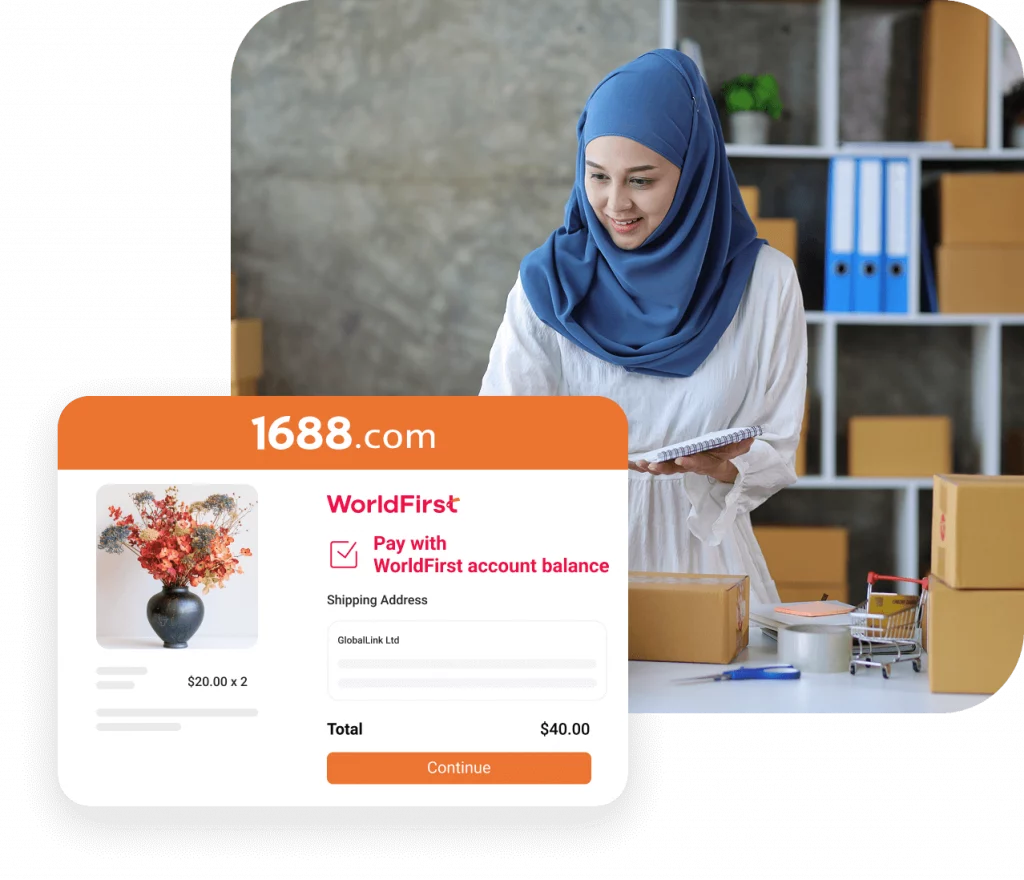
Converting PKR to CNH through a traditional bank rarely gives you a clean rate. Markups get baked into the exchange, so your landed cost climbs above what the Alibaba or AliExpress sticker suggested. Paying 1688.com suppliers makes this sharper, since checkout often needs a smoother FX route than local banking offers. Getting your head around CNY and CNH for supplier payments helps, as does this guide to paying 1688 suppliers from Pakistan.
Inbound payouts carry their own rules. The State Bank of Pakistan (SBP) requires you to repatriate foreign earnings with correct purpose-code documentation, and getting that wrong slows everything down. All foreign exchange transactions are subject to State Bank of Pakistan (SBP) regulations under the Foreign Exchange Regulation Act (FERA). A multi-currency account helps on both ends:
The right platform comes down to order volume and where your business stands today. Choose Alibaba if you’re buying in bulk to build and scale a brand. Choose AliExpress if you’re testing products or running lean with small orders. Your decision should follow landed cost, not sticker price.
Alibaba fits when you’re ready to commit capital and scale. It suits you when:
AliExpress works when speed and flexibility matter more than volume. It suits you when:
Many sellers start on AliExpress to test, then move to Alibaba to scale. Whichever route you take, judge it on your true landed cost and how efficiently you can pay suppliers, not the price you see at checkout.
Alibaba is usually cheaper per unit once you buy at volume, because minimum order quantities and price negotiation pull the price down. AliExpress wins for small one-off orders, since there’s no MOQ and you pay fixed retail prices. Which platform costs less depends entirely on how many units you actually need and whether you’re testing or scaling.
Yes. AliExpress is owned by the Alibaba Group, the same parent company behind the main Alibaba marketplace. They share ownership but serve very different audiences. Alibaba runs as a B2B wholesale marketplace connecting bulk buyers with manufacturers, while AliExpress operates as a B2C retail marketplace built for individual buyers ordering single units.
Neither platform is inherently safer; trust depends on the verification and protection scheme you use, not the platform alone. Alibaba backs qualifying bulk orders with Trade Assurance and supplier badges, while AliExpress offers buyer protection on eligible retail purchases. Vet suppliers, request samples, and check verification status before releasing any payment.
Yes, fake or misrepresented products exist on both platforms, so verification matters. Protect your capital by checking supplier badges, reading transaction history, and ordering paid samples before a bulk purchase. Trade Assurance holds your payment until the order matches agreed terms, giving you recourse if goods arrive faulty or misdescribed.
Sellers can cut conversion costs by using a multi-currency account instead of standard bank transfers, which often bake heavy markups into the PKR-to-CNH exchange. A World Account lets you hold and convert currencies, pay suppliers in China directly, and collect marketplace payouts, keeping more of your margin intact across every order.
The Alibaba vs AliExpress decision never comes down to the sticker price. It comes down to volume, where your business sits today, and your true landed cost once shipping, duties, tax, and PKR-to-CNH conversion are added in. Buy in bulk to build a brand, and Alibaba earns its higher upfront spend. Test demand one order at a time, and AliExpress keeps your capital free.
Whichever route you take, the payment side decides how much margin you keep. A World Account lets you pay Chinese suppliers directly in CNH and collect USD marketplace payouts without a US bank account, so more of every sale stays yours. Open one, fund it, and start paying suppliers efficiently.
Sources:
This article is intended for informational purposes only and does not constitute legal advice or professional advice. This article should not be regarded as constituting an offer or a solicitation to buy or sell any regulated or financial products or services. WorldFirst makes no representations or warranties regarding the accuracy, completeness, or applicability of the content, and readers are encouraged to consult with legal professionals or other professionals for advice tailored to their specific situation. WorldFirst does not guarantee the accuracy and completeness of this article and expressly disclaims any and all liability to any person in respect of the consequences of anything done or omitted to be done wholly or partly in reliance on this article.
Linna is a Senior Content Strategy Manager specializing in fintech, cross-border payments, and global ecommerce. With extensive experience in international B2B growth content, and global market expansion, she leads content initiatives that help businesses navigate cross-border trade, international payments, and digital commerce at scale.
Linna
Author
Choose a product or service to find out more
Save money, time, and have peace of mind when expanding your global business.
© 2026, Ant International or its affiliates